Not Your Average Financial Podcast™

Think different about your money, your economy and your future. Be curious. Be stable. Be sane.

Episode 123: News Roundup: The SECURE Act Passes, A Billionaire’s Biggest Policy and a WSJ Warning

January 10, 2020 by Not Your Average Financial Podcast

https://media.blubrry.com/nyafinancialpodcast/content.blubrry.com/nyafinancialpodcast/NYAFP_Episode_123.mp3

Podcast: Play in new window | Download

Subscribe: Apple Podcasts | RSS

In this episode, we ask:

  • What is the SECURE Act?
  • How does this act affect retirement accounts?
  • What about the fiduciary safe harbor?
  • What’s important about 72 years old?
  • What is a stretch IRA?
  • Did you hear the episode on required minimum distributions?
  • Would you like to hear an example?
  • What about taking distributions on inherited IRAs within 10 years?
  • What would the taxable income be in that 10 year period?
  • Are taxes as low as they’ve ever been?
  • When are taxes slated to go up?
  • What has changed with the 529 plans for college savings?
  • Can you now use 529 plans to pay for student loans?
  • What is a target date fund?
  • What is the average return of a target date fund?
  • What are the average rates on a student loan?
  • Can you apply a 529 plan for another child?
  • What about the 1.5 trillion dollar student debt problem?
  • Who purchased a 201 million dollar life insurance policy?
  • Who is the mysterious billionaire? Could it be Elon Musk?
  • Is life insurance a private contract?
  • Why would a billionaire pay million dollar premiums into a life insurance when they can buy literally anything else?
  • What are some of the benefits?
  • Would you like guarantees?
  • Would you like liquid access to cash?
  • Would you like tax advantages?
  • Would you like tax advantaged income in retirement?
  • What about California estate taxes?
  • What states have an inheritance tax?
  • What about the Wall Street Journal’s article on the I.U.L. product?
  • What is the appeal of Indexed Universal Life?
  • What is the massive issue with Indexed Universal Life?
  • What is this fancy “multiplier” and why are the regulators concerned?
  • Will this be a repeat of the troubled Universal Life policies of the 1980s?
  • What is the true cost of these policies?
  • What are the risks?
  • Have you heard Episode 59?
  • Have you heard Episode 60?
  • Have you heard Episode 61?
  • How many times is money mentioned in the bible?
  • Would you pay your neighbor’s debt?
  • What is the story of the church paying the debt?
  • How does this group view credit card debt as a group problem?
  • How does the debt annihilation team work?
  • Would you like to join us LIVE online on February 1, 2020?

https://media.blubrry.com/nyafinancialpodcast/content.blubrry.com/nyafinancialpodcast/NYAFP_Episode_123.mp3

Episode 121: A Strategy for RMDs

December 27, 2019 by Not Your Average Financial Podcast

https://media.blubrry.com/nyafinancialpodcast/content.blubrry.com/nyafinancialpodcast/NYAFP_Episode_121.mp3

Podcast: Play in new window | Download

Subscribe: Apple Podcasts | RSS

In this episode, we ask:

  • What is a Required Minimum Distribution (RMDs)?
  • What happened when you put your income into the deferred tax account?
  • How will the tax be paid?
  • When will the tax be paid?
  • What is built into the Internal Revenue Code?
  • When do Required Minimum Distributions become payable?
  • What about age 70.5?
  • What about age 59.5?
  • What is this magical 11 year time zone?
  • Do you own a qualified plan?
  • When you can you withdraw funds?
  • What about penalties?
  • Have you heard about the 70.5 deadline?
  • A 50% penalty?! 50%?!
  • When do you think taxes will be higher?
  • What happens if you pass away with a qualified plan?
  • What does your partner have to do?
  • Would you like an example?
  • How does one calculate an RMD?
  • What is your life expectancy?
  • What is the balance of the account?
  • Are RMDs taxed at ordinary income tax rates?
  • Is your spouse 10 years younger than you?
  • Will RMDs force you into a higher tax bracket?
  • Will RMDs raise your Medicare premiums?
  • What if you have assets inside of your qualified accounts?
  • Will you have to sell your stocks?
  • Will you have to sell your real estate?
  • Does the RMD care?
  • What happens if you live past your life expectancy?
  • What happens if you need it for long term care?
  • What about the 4% rule?
  • How successful is the 4% rule?
  • What about 2.8%?
  • What about 6.5%?
  • Has the government updated their formula to reflect these new findings?
  • Will most run out of money?
  • What is the new SECURE ACT in congress?
  • What are some ideas to consider?
  • Are you in your mid to late 50s?
  • How much do you have that will be exposed to ordinary income tax?
  • Would you like protection from required minimum distributions?
  • Are there multiple accounts that you would like to consolidate?
  • How might you leave a substantial legacy for your children?
  • What about a life insurance policy?
  • Are today’s tax rates historically low?
  • How much will you be forced to take out of your retirement accounts?
  • How could you leave your family far more than you ever saved?
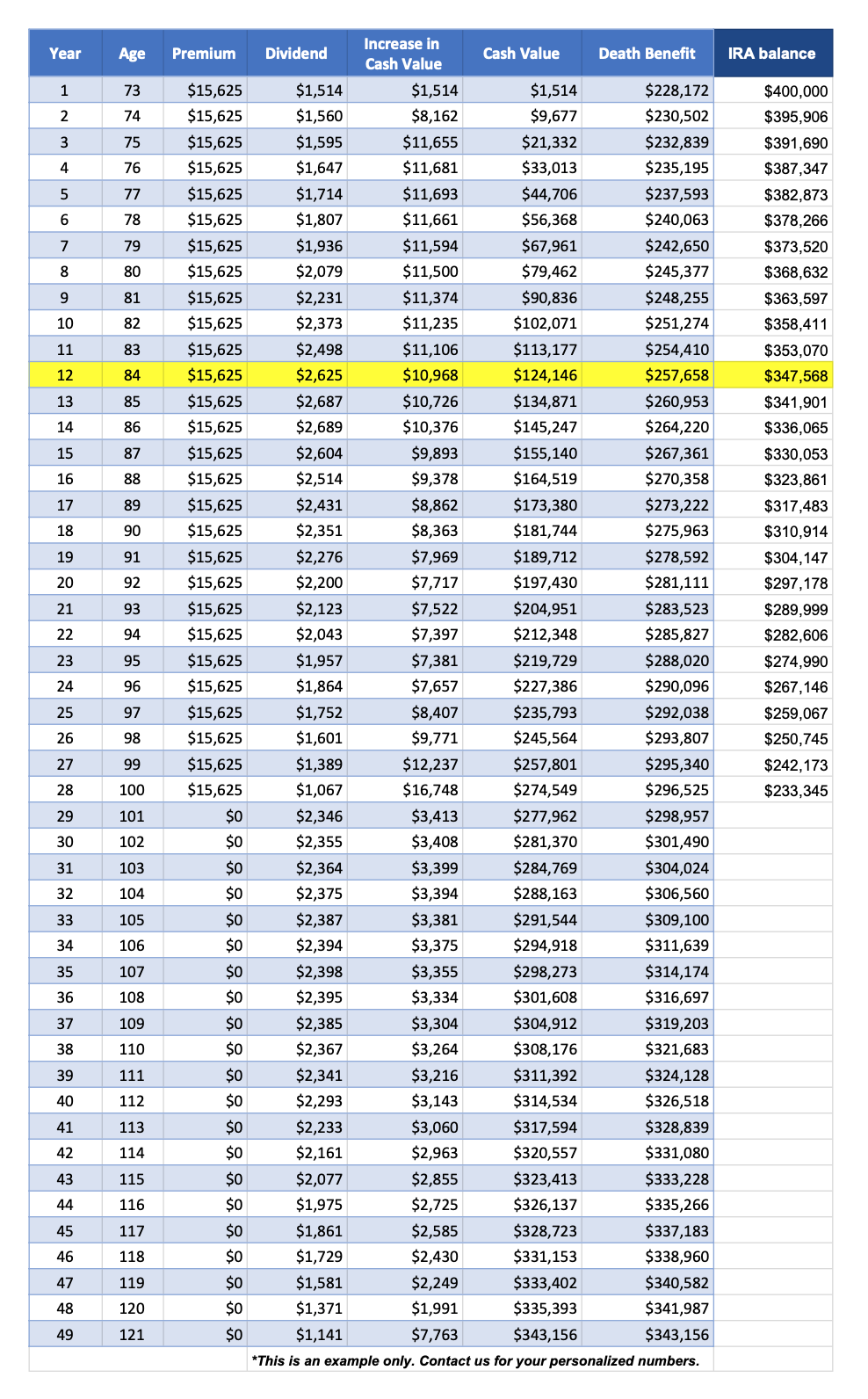
  • Would you like to view some example numbers? Note: this is only an example. To see your exact numbers, please contact us.
  • How might we help you with an RMD strategy? Hop on our calendar for a FREE 15 minute Introduction Phone Call
  • Do you own a Bank on Yourself® type policy? Do you believe that Bank on Yourself is a scam? Leave us a message and let us know your experience!

https://media.blubrry.com/nyafinancialpodcast/content.blubrry.com/nyafinancialpodcast/NYAFP_Episode_121.mp3

Episode 114: The 8 Rules for Bank on Yourself® with Jim Conrad

November 8, 2019 by Not Your Average Financial Podcast

https://media.blubrry.com/nyafinancialpodcast/content.blubrry.com/nyafinancialpodcast/NYAFP_Episode_114.mp3

Podcast: Play in new window | Download

Subscribe: Apple Podcasts | RSS

In this episode, we ask:

  • Who is Jim Conrad?
  • Would you like a FREE copy of Pamela Yellen’s new book, Rescue Your Retirement?
  • Send us a screenshot of your new iTunes review to hello@nyafinancialpodcast.com, and we’ll send you a copy of the book!
  • What can you do with a dollar?
  • What are the 8 rules for Bank on Yourself® type Whole Life policy?
    • 1. A Bank on Yourself® type Whole Life policy gets better every year, and there is nothing you can do about it.
    • 2. There is no such thing as paying too much premium.
    • 3. Pay as much premium as you can, for as long as you can.
    • 4. Always use your own capital… did I say always?
    • 5. Never save up money in somebody else’s bank.
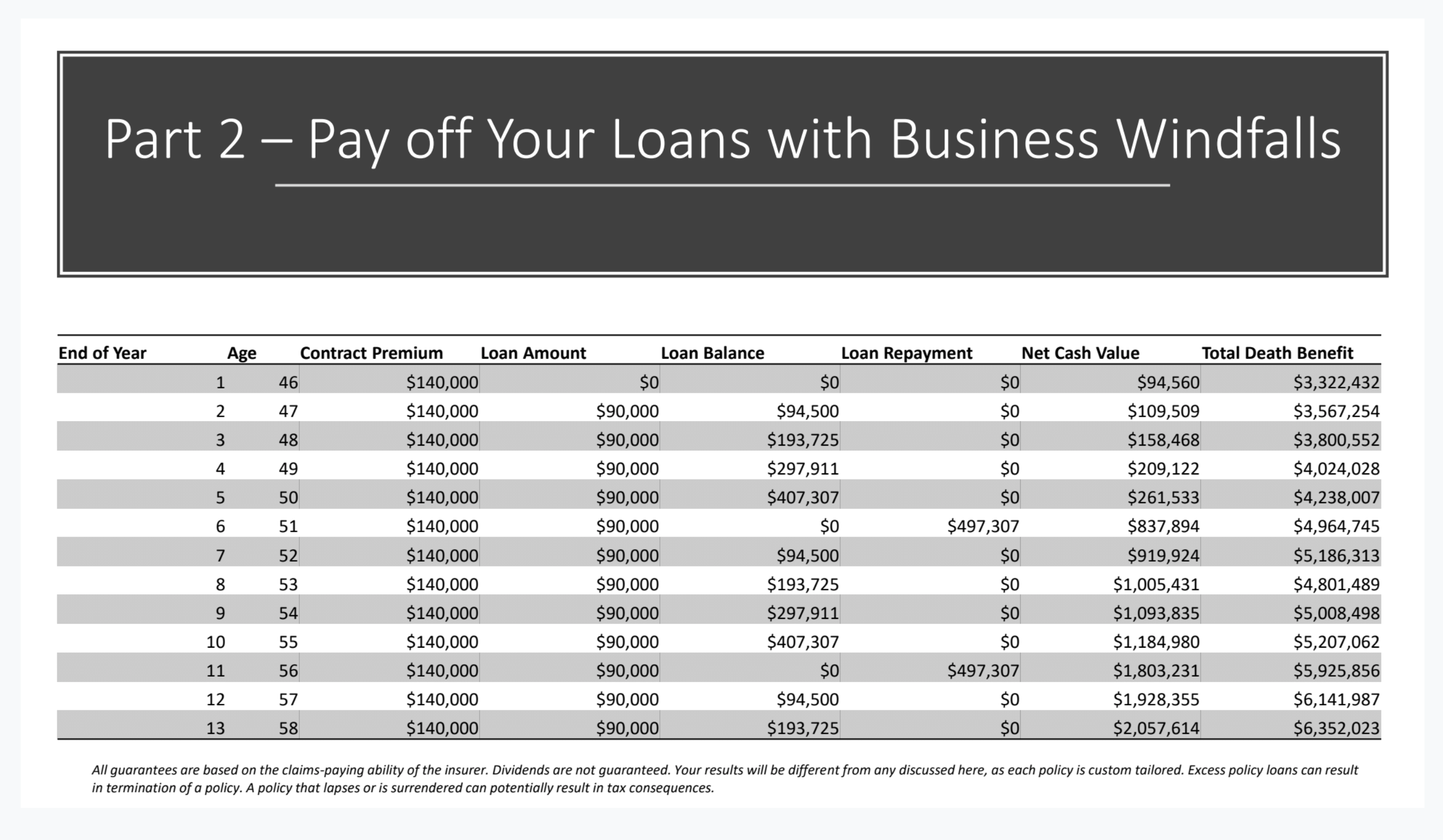
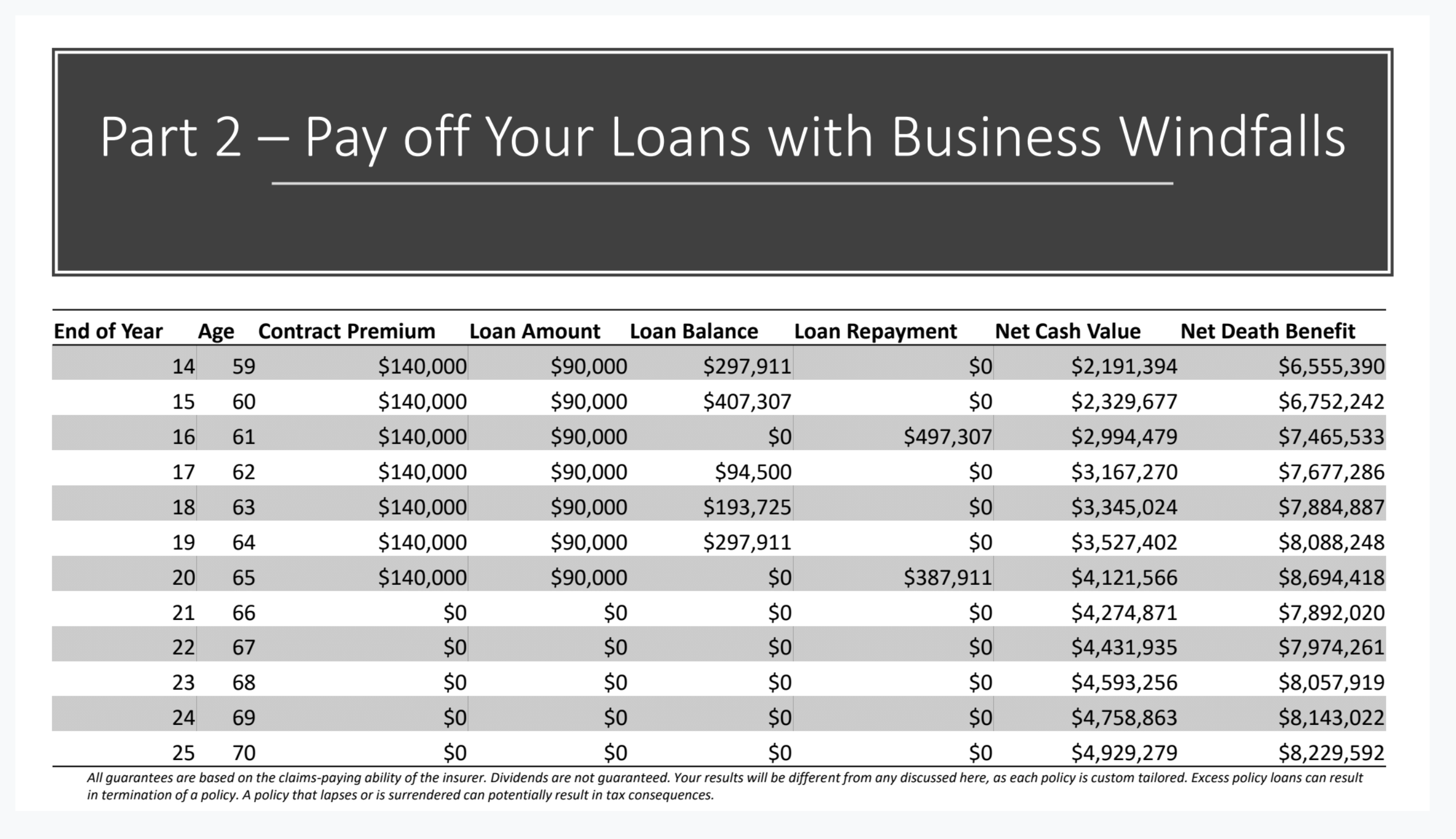
    • 6. Pay back your policy loans in a reasonable amount of time.
    • 7. Favor paying premium over paying back loans quickly.
    • 8. If you bank on yourself, you can forget about interest rates and rate of return.
  •  Have you heard Episode 6?
  • Does something becoming more efficient every year violate the laws of physics?
  • Do you know anything else that gets better every year?
  • Is there such a thing as paying as paying too much premium?
  • Would you like to watch Jim’s Dollar Diagram video?
  • How many policies does Jim own?
  • How can you make major purchases over and over again?
  • Why would you want to put money into a risk investment?
  • Why is this so powerful?
  • What is the math on PUA premium growth from age 21?
  • Should you do this if you’re younger?
  • How is Jim living proof that it works?
  • How long can you keep paying premium?
  • Why is paying premium a privilege?
  • Why wouldn’t you want to keep putting money into that money machine?
  • Isn’t the look of a curve beautiful?
  • If you have a money machine in your living room, and you put one dollar in and four dollars come out, how many dollars would you put in the money machine?
  • Why should I borrow against my own policy if I can get a lower interest rate a credit union?
  • What is the flaw in this thinking?
  • Can you enrich yourself and the bankers?
  • How might you enrich yourself?
  • Why would you like to build up the wealth of others, when you can build your own wealth?
  • Are you in the habit of keeping tens of thousands in the closet?
  • Do you own a properly structured Bank on Yourself® type Whole Life policy?
  • Why would you want to enrich those who profit from fractional reserve banking?
  • How might you pay back your policy loans in a reasonable period of time?
  • What is a reasonable period of time?
  • How does one determine what is reasonable?
  • Why do people pay off loans quickly?
  • Can you afford to buy that thing?
  • Are you “stealing the peas”? (As Nelson Nash would say…)
  • Can you favor paying premium over paying back loans quickly?
  • How much of your available cash flow should be used for paying back loans?
  • How much of your available cash flow should be used for premium?
  • Should you put your dollar into PUAs or toward a policy loan?
  • Should you always favor paying premium?
  • What happens when you’re no longer earning active income?
  • Should you pay off your loans before retirement?
  • How have we been trained?
  • How can you think differently than the way the rest of the world thinks?
  • What? Jim? Did I hear you right?
  • Shouldn’t you get the lowest interest rate you can get?
  • Where will your death benefit go?
  • What is the rate of return on guaranteed growth over unknown growth?
  • What about interest rates?
  • Are higher interest rates great?
  • How does the volume of interest go down over the growth of the loan?
  • What about dividends?
  • What has to happen for Jim to throw a party?
  • Would you like to watch Jim’s Dollar Diagram video?
  • Would you like to talk with Jim? Email him at jim@conradfinancial.us
  • What did you take away from today’s episode?

Jim Conrad, the President of Conrad Financial Services, resides with his wife, Deb, in Concord, North Carolina.  Jim started working for his clients in financial services 20 years ago, after a 25-year career in management with a Fortune Top 10 company.  He grew up in the Chicago suburbs, and he hold a B.S. in chemical engineering from Purdue University and an MBA from Lewis University.

Jim has been a Bank On Yourself Authorized Advisor for the past 13 years.  His passion is  helping people achieve financial peace of mind by owning a strategy they can count on for life.

https://media.blubrry.com/nyafinancialpodcast/content.blubrry.com/nyafinancialpodcast/NYAFP_Episode_114.mp3

Episode 113: Nightmare Scenarios with Amanda Neely

November 1, 2019 by Not Your Average Financial Podcast

https://media.blubrry.com/nyafinancialpodcast/content.blubrry.com/nyafinancialpodcast/NYAFP_Episode_113.mp3

Podcast: Play in new window | Download

Subscribe: Apple Podcasts | RSS

In this episode, we ask:

  • Do you ever spin out into the “WHAT IF…” conversations?
  • What happens to Bank on Yourself type policies when the world ends?
  • Is it the end of the world as we know it?
  • Would you like Pamela Yellen’s latest book, Rescue Your Retirement?
  • Would you like to write us a review on iTunes and email us a screen shot at hello@nyafinancialpodcast.com? If you do, we’ll send you Pamela Yellen’s newest book for FREE.
  • Schedule an Appointment with Us
  • How has Amanda Neely been a prepper?
  • What are the nightmare scenerios?
  • What happens in a zombie apocalypse?
  • Do you have water?
  • Do you have food?
  • What is more reasonable?
  • Are we living in a dreamworld economy?
  • What if Wall Street just crashed?
  • What if Wall Street dropped by 50% (like it has twice in the last decade)?
  • What happened in the great depression?
  • How did life insurance policy owners fare in the great depression?
  • What about stagflation?
  • Who had the liquid pools of cash?
  • Who received increases?
  • What about the market crashes of the 90s?
  • What about volatility?
  • What about the rings of a tree?
  • What about volume?
  • What about consistent, compounding of the dollar?
  • What about liquidity?
  • What if there was a run on the bank?
  • What if banks are closed?
  • How would you get money out of a policy if you can’t access a regular bank?
  • What about macro economic nightmares?
  • What about a decline in the dollar?
  • What happens to the value of a policy?
  • What happened in the last decline of the dollar?
  • How do things cycle?
  • What if the dollar gets replaced?
  • What did life insurance companies use before the U.S. dollar?
  • What is the legal tender where the contract is domicile?
  • What about a major bout of hyperinflation or deflation?
  • Why is inflation a problem?
  • What about massive lay offs?
  • What about changes in demographics?
  • Do you have flexibility with your premium?
  • What are the exit strategies?
  • Can you reduce your premium?
  • Can you stop the premium?
  • Is winter coming?
  • What about having fewer resources than your parents?
  • What about hyperinflation?
  • What happens to a policy in wild crazy inflation?
  • How does hyperinflation affect your income?
  • Who sets the federal interest rate?
  • What about paying the national debt with a higher interest rate?
  • What happens if the rates go high?
  • What about squatter’s rights?
  • What happens if contract law falls away?
  • What about the resources of a life insurance company?
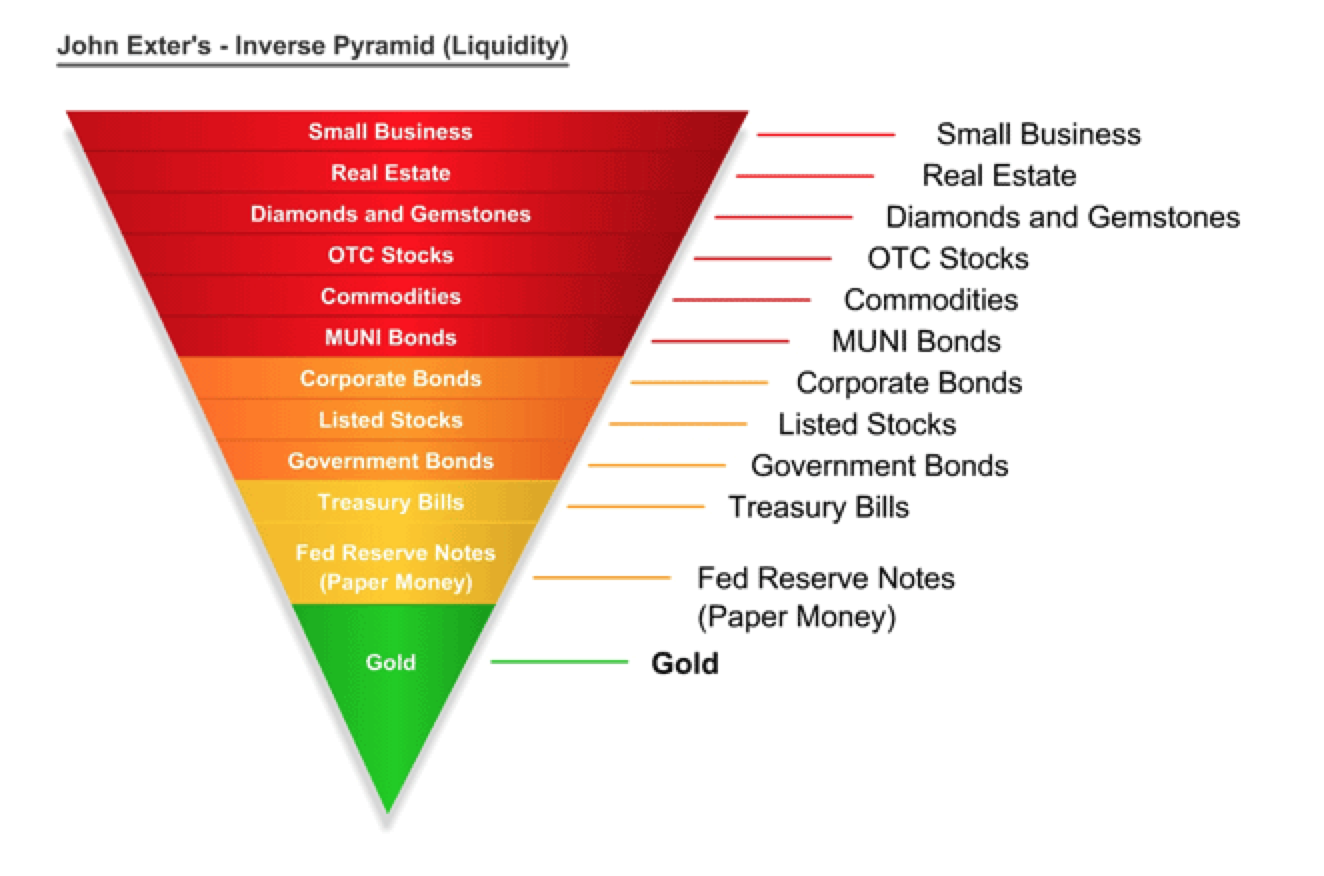
  • What about gold? Would you like to view a historical gold chart?
  • What about social security and medicare?
  • How can you reach out to Amanda Neely?
  • Have you visited grandmaswealthwisdom.com?
  • Will the life insurance companies be the last domino to fall?


https://media.blubrry.com/nyafinancialpodcast/content.blubrry.com/nyafinancialpodcast/NYAFP_Episode_113.mp3

Episode 112: Six Spooky Goblins In Your Money

October 25, 2019 by Not Your Average Financial Podcast

https://media.blubrry.com/nyafinancialpodcast/content.blubrry.com/nyafinancialpodcast/NYAFP_Episode_112.mp3

Podcast: Play in new window | Download

Subscribe: Apple Podcasts | RSS

In this episode, we ask:

  • Would you like a copy of Pamela Yellen’s latest book?
    Schedule a Meeting with us!
  • What special announcement does Holly have to share?
  • Would you like more treats and less tricks?
  • What is the first goblin?
  • What does $135K in retirement accounts lead to in income?
  • Can you live on $600 a month?
  • What is leaving your wallet?
  • What is your volume of saving?
  • How is rate of return different from volume of saving?
  • What if you saved 10%? What if you save 30%?
  • Have you heard Episode 106?
  • Have you heard Episode 48?
  • What is goblin number two?
  • What are the out of pocket medical costs?
  • Will you have health care costs coming up in retirement?
  • Do you have half a million dollars ready for medical expenses?
  • Are you between 45 and 65 years old?
  • How much do you have set aside for healthcare in retirement?
  • Who has 1.4 million saved for retirement?
  • For retirement, do you have an income bucket?
  • For retirement, do you have a healthcare bucket?
  • What is goblin number three?
  • How much will you owe the I.R.S.?
  • How much is THEIRS?
  • Do you owe taxes on tax-postponed (a.k.a. tax-deferred) accounts?
  • How much do imagine you will be able to take in income on these accounts?
  • Are you confident in your pre-tax income?
  • Does anyone know what your tax bracket will be in the future?
  • Has congress got around to voting on how much they will charge in taxes when you’re in retirement?
  • What is goblin number four?
  • What about Social Security benefits?
  • Will Social Security be part of your income?
  • Is your purchasing power shriveling up?
  • Do you depend on Social Security?
  • What is goblin number five?
  • What about equity mutual funds?
  • Who beats inflation?
  • Does the stock market do an average double-digit return?
  • Who knows what’s happening in the market?
  • Who’s beating inflation?
  • What’s happening now?
  • Who is behind the market?
  • How do reactionary impulses affect the market?
  • What about goblin number six?
  • Do you have a 50/50 chance of running out of money in retirement?
  • Do you follow the 4% withdrawal rule in retirement?
  • What does this mean?
  • How does this impact our financial lives?
  • What can we actually take away with this?
  • How might we fight back against our fears?
  • Will you prioritize your own capital?
  • When will you start saving?
  • Did you go trick or treat in packs or groups?
  • When did you last review your account fees?
  • Do you believe you know all of the fees?
  • What are your 401(k) fees?
  • Have you looked at the FINRA fund analyzer?
  • Would a single visit to the doctor ruin your financial life?
  • Would you like to call us at 1-800-962-9141?
  • Do you have a flashlight?
  • What kind of contracts can help you get through the end of the corn maze  of life?

https://media.blubrry.com/nyafinancialpodcast/content.blubrry.com/nyafinancialpodcast/NYAFP_Episode_112.mp3

Episode 107: Adventures in Financial Planning with Tim Austin, Part 2

September 20, 2019 by Not Your Average Financial Podcast

https://media.blubrry.com/nyafinancialpodcast/content.blubrry.com/nyafinancialpodcast/NYAFP_Episode_107.mp3

Podcast: Play in new window | Download

Subscribe: Apple Podcasts | RSS

In this episode, we ask:

  • What are the four categories?
  • Have you taken an inventory of your life?
  • What are the potential places to improve?
  • Are you taking advantage of all opportunities in tax savings?
  • What can you do to control your cash flow on a monthly basis toward how you’re paying off debt?
  • Can you consolidate debt?
  • How can you shift that to savings?
  • What can we do to create financial independence in our lifestyle?
  • Are you inappropriately putting too much money in risk assets that aren’t really serving you well?
  • What are the steps?
  • How might you take inventory of your current allocations?
  • How might you accept where you are?
  • How might you take small baby steps?
  • What does one percent daily improvement do over the course of a year?
  • Does saving in a whole life insurance products mean sacrificing returns?
  • What does the word risk mean?
  • What do markets do?
  • Are we in a boom right now?
  • When was the last bust?
  • Do you invest when the market is low?
  • What happened in 2005?
  • Why do we buy high?
  • How has Tim’s net worth reached a new high every single day?
  • What did Tim do with his brother?
  • What is a buy-sell policy?
  • What did Tim do in 2019?
  • What advantages does Tim have?
  • When did speculation start to take hold in our culture?
  • What were the rich people doing in the 60s?
  • Do you have a realistic expectation of the 401(k)?
  • Will the market do the 12% every year?
  • Is your home your best asset?
  • Is your home paid off?
  • Do we need to live in bigger homes?
  • Should we buy lattes four times a week?
  • Why does Tim pay a trainer four times a week?
  • Who can help you?


Tim Austin is President and Founder of SET for Advisors, a leading training organization for financial advisors who want to help their clients grow wealth predictably and without taking unnecessary risk.

He is also the co-founder and director of the Bank On Yourself authorized advisor whole life insurance concept along with best-selling author Pamela Yellen who wrote the book Bank On Yourself: The Life-Changing Secret to Growing and Protecting Your Financial Future.

Bank On Yourself is a major best seller, hitting #1 on the USA Today and Amazon best-seller lists, and is also a New York Times, Wall Street Journal and Publishers Weekly #1 best seller.Tim makes his home in Clarkston, Michigan with his wife and three children.  Tim likes to test the limits of his physical ability and mental toughness participating in Half Iron Man Triathlons and marathons.

https://media.blubrry.com/nyafinancialpodcast/content.blubrry.com/nyafinancialpodcast/NYAFP_Episode_107.mp3

Episode 103: The Family Prosperity Index with Scott Moody and Wendy Warhcolik

August 23, 2019 by Not Your Average Financial Podcast

https://media.blubrry.com/nyafinancialpodcast/content.blubrry.com/nyafinancialpodcast/NYAFP_Episode_103.mp3

Podcast: Play in new window | Download

Subscribe: Apple Podcasts | RSS

  • Would you like to join us on our live show on September 7, 2019 at 1PM Central Time? (See details below)
  • Would you like to take our 90-second survey?
  • Who is Wendy Warhcolik?
  • Who is Scott Moody?
  • How did Scott and Wendy meet?
  • What inspired the Family Prosperity Index?
  • What is your state’s tax burden?
  • What are the connections between one’s social choices and economic choices?
  • How has Wendy’s experience driven her to study economic outcomes?
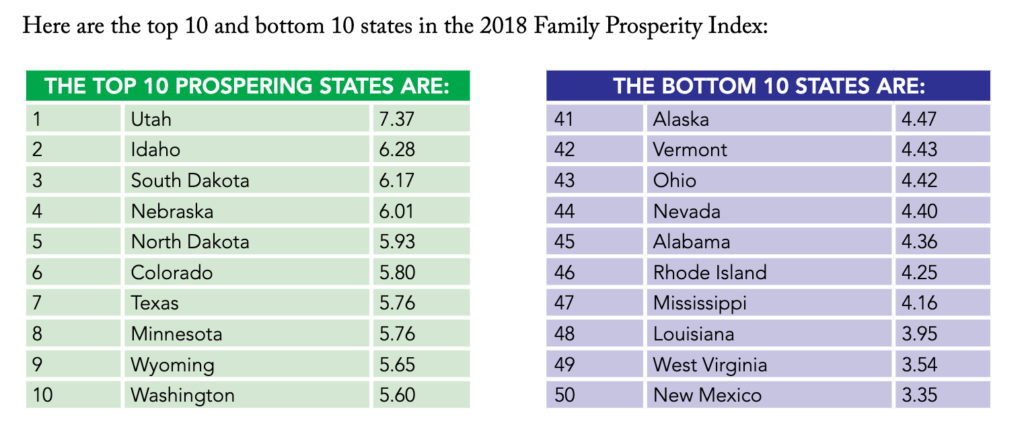
  • How does Utah perform?
  • How do New Mexico and West Virgina perform?
  • How are the states different?
  • What are some of the metrics that go into The Family Prosperity Index?
  • What are the ways to bring value in our country?
  • What about gambling?
  • How many Americans are on welfare?
  • Can the government create wealth?
  • What does the government crowd out?
  • What about fatherlessness and single mother families?
  • What about communities and religious institutions?
  • What did Scott and Wendy learn about Utah?
  • What did they learn about faith and heroine epidemic?
  • What about Mississippi and Alabama?
  • What is the relationship between debt and demographics?
  • What is “demographic winter”?
  • Are there enough young people to support current population levels?
  • What about Maine and West Virginia?
  • What about Pennsylvania?
  • How does demographic winter affect economic growth?
  • How does a population that is rapidly aging affect government spending decisions?
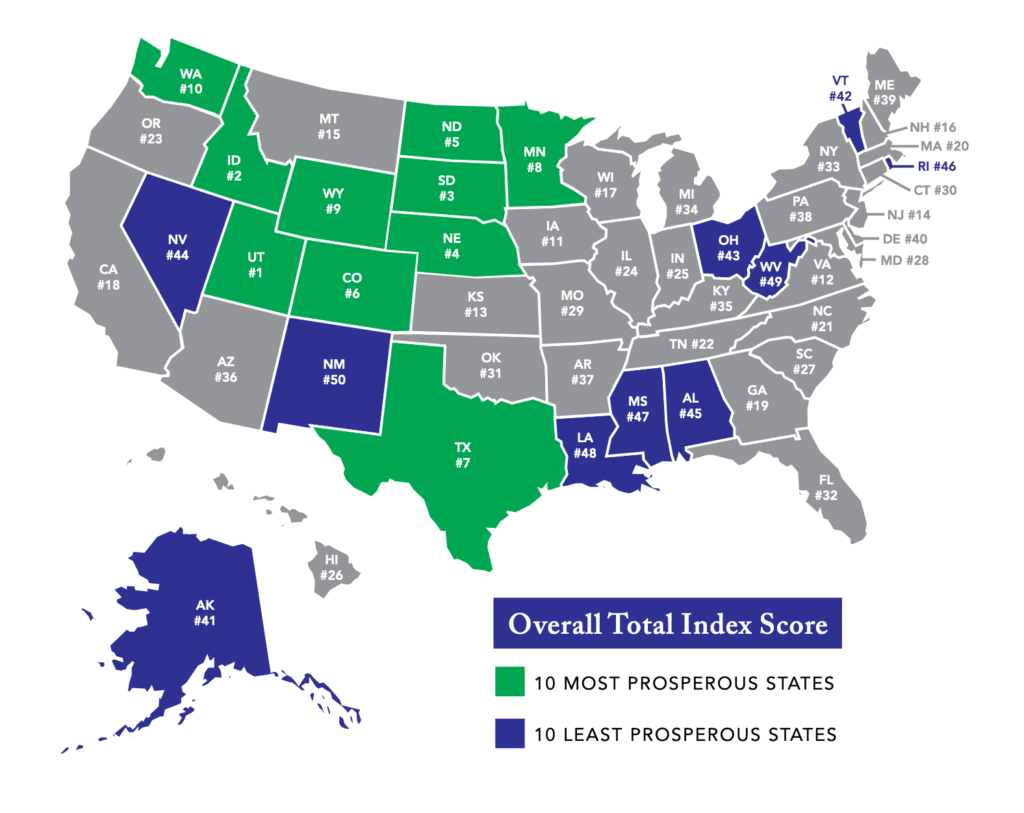
  • What about the map in the Family Prosperity Index?
  • What about a solution?
  • Should you move to a mountain state?
  • How has public policy affected families?
  • What about the gallup survey on religious families?
  • How might we rebuild communities?
  • What do family businesses offer?
  • What about the suicide crisis in white middle-aged men?
  • What is a possible solution?
  • What built America?
  • What do family businesses protect from?
  • How does owning Bank on Yourself® type policies allow people the freedom to take entrepreneurial risks?
  • What is a nuclear bomb to family finances?
  • How have our clients benefited from the freedom to take risks?
  • Is it too late (for the bottom states)?
  • What might need to change?
  • What would Wendy and Scott say to religious leaders and political leaders?
  • How does the Family Prosperity Index empower leaders?
  • Would you like to look at their website, familyprosperity.org? And their new site FPI Ventures!
  • Has your state been featured yet?
  • Would you like to look at the data?
  • Where can you learn more?
  • What are the takeaways and surprises?

As a public choice economist trained in applied microeconomics and econometrics, Wendy Warcholik has spent her career applying economic tools to the problems of state government.  Wendy is Chief Economist at the Family Prosperity Institute and co-creator of the Family Prosperity Index.  She is also a Senior Fellow at Illinois Policy Institute and the Oklahoma Council of Public Affairs.  

Her prior professional experience includes positions as Economist at the U.S. Department of Commerce’s Bureau of Economic Analysis, Chief Forecasting Economist for the Commonwealth of Virginia’s Department of Medical Assistance Services, and Adjunct Scholar with The Tax Foundation.  She has worked as a consultant to free-market think tanks across the country for the past seven years.  

Warcholik is the co-creator of the Tax Foundation’s popular State Business Tax Climate Index, now in its sixteenth year of publication and nominated as a finalist for the Templeton Freedom Prize.

Warcholik received her Ph.D. in Economics from George Mason University.  While pursuing her Ph.D., she was a Bradley Foundation Research Fellow with Nobel Laureate James Buchanan’s Center for the Study of Public Choice. Additionally, Warcholik has taught numerous economics courses to MBA students. 


J. Scott Moody has worked as a Public Policy Economist for over 18 years. He is the author, co-author and editor of 170 studies and books. He has testified before the House Ways and Means Committee of the U.S. Congress as well as various state legislatures. His work has appeared in Forbes, CNN Money, State Tax Notes, Portland Press Herald, New Hampshire’s Union Leader, Hartford Courant, The Oklahoman, and Albuquerque Journal.

He was formerly the CEO and Chief Economist of the State Policy Network (SPN) affiliated think tank Maine Heritage Policy Center.  He is the co-creator of the Family Prosperity Index and President of the Family Prosperity Institute.  Moody is a Senior Fellow at Illinois Policy Institute.  He currently serves on the board and is founder of the Granite Institute, the SPN affiliated think tank in New Hampshire.  His professional experience includes positions as Senior Economist at Tax Foundation and Senior Economist at Heritage Foundation.  Additionally, Scott was appointed to Maine’s Consensus Economic Forecasting Commission by Governor Paul LePage (R) in January 2011.

 Moody is the original creator of the Tax Foundation’s popular State Business Tax Climate Index, now in its sixteenth year of publication and nominated as a finalist for the Templeton Freedom Prize.

Moody received his Master of Arts in Economics from George Mason University.


Join us LIVE on Saturday, September 7, 2019 at 1PM-2PM CT

Register Now!

https://media.blubrry.com/nyafinancialpodcast/content.blubrry.com/nyafinancialpodcast/NYAFP_Episode_103.mp3

Episode 96: Becoming Your Own Banker, A Tribute to Nelson Nash, Part 2

July 5, 2019 by Not Your Average Financial Podcast

https://media.blubrry.com/nyafinancialpodcast/content.blubrry.com/nyafinancialpodcast/NYAFP_Episode_96.mp3

Podcast: Play in new window | Download

Subscribe: Apple Podcasts | RSS

In this episode, we ask:

  • Are you willing to leave us an audio message, for our upcoming Episode 100?
  • What’s occurred to you since listening to our podcast?
  • What has this podcast meant to you so far?
  • Would you be willing to leave us an audio message?
  • Have you ever wondered how profitable banks are?
  • Would you like to hear about how banks use money?
  • What is the bank’s arbitrage?
  • What are the steps to open an FDIC insured bank?
  • What’s required to open an FDIC insured bank?
  • Why do banks loan at such a low percentage?
  • How can banks do a 20:1 return on loans?
  • What did Nelson Nash say about this?
  • What is the Infinite Banking Concept?
  • What is a great book on the history of debt?
  • Who was Nelson Nash?
  • Do you finance everything you buy?
  • What is engineered to become more and more efficient every single year?
  • What is a unilateral contract?
  • Who is the owner of a life insurance contract?
  • Are you an owner or are you merely a transaction on someone’s balance sheet?
  • What are the two key pieces Nelson emphasized when working with finances?
  • What are Nelson’s five rules?
    • What about conquering Parkinson’s law?
    • What about Willie Sutton’s law?
    • What is the golden rule?
    • What is the Arrival Syndrome?
    • What is Use It or Lose It?
  • Have you read Nelson’s book, Becoming Your Own Banker?
  • Would you like to read Becoming Your Own Banker on Kindle?
  • Would you like to watch the latest documentary on Nelson Nash?
  • Can you finish this sentence? Because of Nelson Nash, ____________.
  • What are people saying about Nelson Nash?
  • What if 10% of the American population could be set free?
  • What if you didn’t have to rely on banks?
  • What if you could be apart of the 10%?


https://media.blubrry.com/nyafinancialpodcast/content.blubrry.com/nyafinancialpodcast/NYAFP_Episode_96.mp3

Episode 87: How to Get Wealthy While Paying Your Taxes, Part 2

May 3, 2019 by Not Your Average Financial Podcast

https://media.blubrry.com/nyafinancialpodcast/content.blubrry.com/nyafinancialpodcast/NYAFP_Episode_87.mp3

Podcast: Play in new window | Download

Subscribe: Apple Podcasts | RSS

In this episode, we ask:

  • What is the greatest wealth building opportunity while paying taxes?
  • Do you get a tax refund each year?
  • Have you listened to Part 1, Episode 86?
  • Is your cash accessible?
  • Do you have the flexibility with a repayment schedule?
  • What happens if you don’t pay a life insurance policy loan back?
  • What about uninterrupted compound growth?
  • What are the steps?
  • Can you save for taxes and retirement at the same time?
  • Can you pay taxes with a policy loan?
  • Can you save for taxes throughout the year?
  • For whom does this strategy work the best?
  • Are tax refunds free money?
  • Does the IRS pay you interest?
  • What questions do you have?


​Check out this private video webinar we did on Bank On Yourself and paying your taxes!
Click here to watch– https://youtu.be/000TgLqQpNQ  
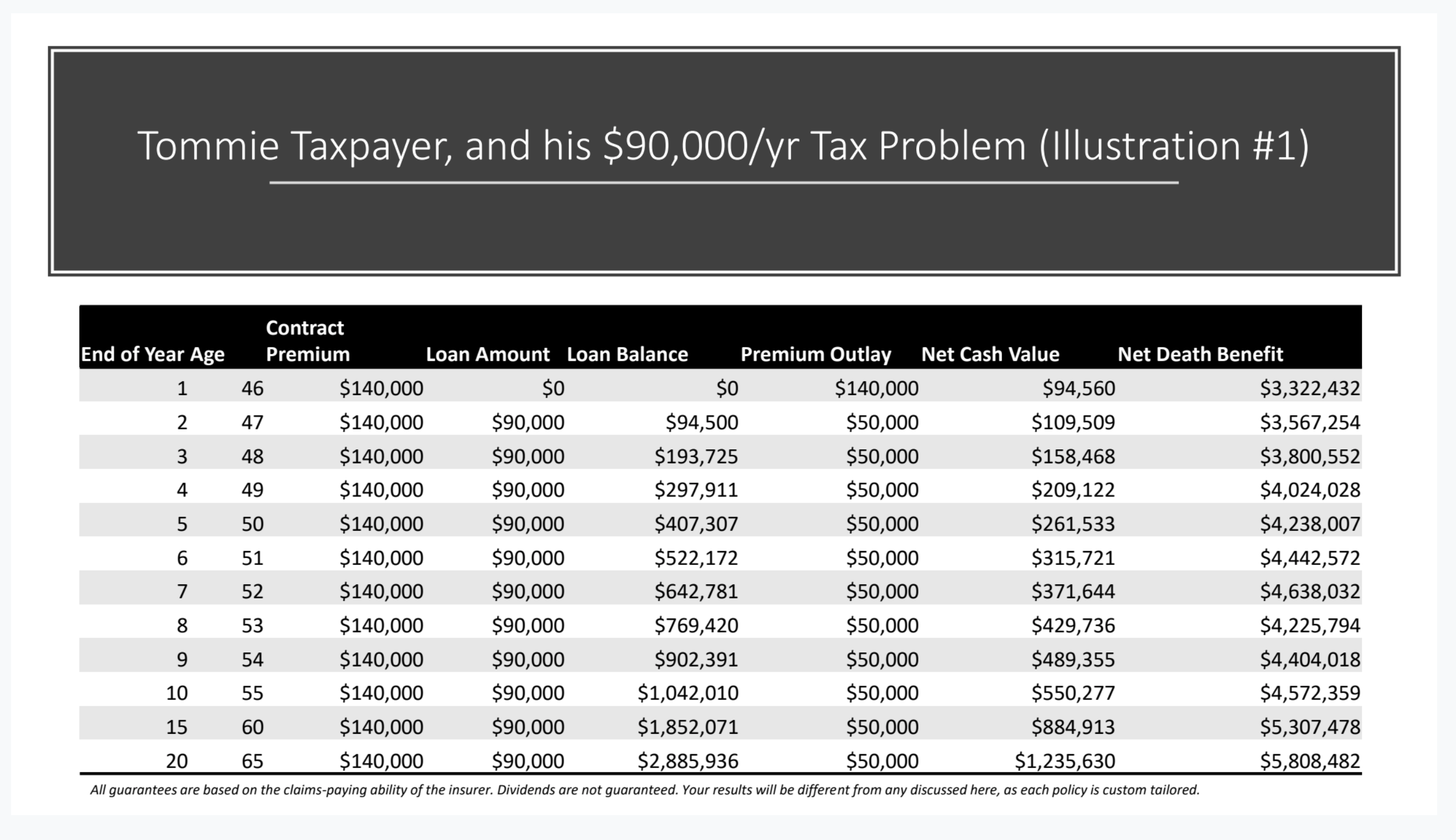
(or skip ahead to here to just see the numbers for “Tommie Taxpayer”) https://youtu.be/000TgLqQpNQ?t=4267


https://media.blubrry.com/nyafinancialpodcast/content.blubrry.com/nyafinancialpodcast/NYAFP_Episode_87.mp3

Episode 86: How to Get Wealthy While Paying Your Taxes, Part 1

April 26, 2019 by Not Your Average Financial Podcast

https://media.blubrry.com/nyafinancialpodcast/content.blubrry.com/nyafinancialpodcast/NYAFP_Episode_86.mp3

Podcast: Play in new window | Download

Subscribe: Apple Podcasts | RSS

In this episode, we ask:

  • How about peace, sanity and satisfaction?
  • How do you pay your taxes?
  • After you’ve cut down your obligation, what then?
  • When did withholding start?
  • What are all of the ways you can pay for something?
  • What is opportunity cost? See Episode 13
  • How much do you truly pay in taxes?
  • Can you change how you pay for your taxes?
  • What if you could save money?
  • What if you could make a return?
  • What are the IRS late penalties?
  • What’s the difference between monthly and daily compounding?
  • Have you heard the Debt, Saver and Wealth Accumulator episode?
  • What happens when you take a loan from a 401(k)?
  • How many times do you get taxed with a 401(k) loan?
  • Can you take a loan from an IRA?
  • What about HELOCs?
  • Are home values guaranteed?
  • Are you in the pocket of the bank?
  • Can the bank take a HELOC away?
  • Can the bank call a HELOC?
  • What about tax savings with HELOCs?
  • When do you need money most?
  • What has happened to tax benefits with HELOCs after the new tax law?
  • What about collateralizing with a traditional bank loan?
  • What about CDs?
  • How can you use a correctly designed whole life insurance policy to pay taxes?
  • What about business owners?
  • What about selling a business?
  • Why do business owners benefit from a Bank on Yourself type, dividend paying whole life insurance policy when paying taxes?
  • Would you like to make your own payback schedule?
  • What happens if you don’t repay the loan?
  • What about uninterrupted compound growth?
  • Is the tax liability one of the biggest expenses of your year?
  • What are some other benefits?
  • How is this different from deductions?
  • Do you have a good system for paying your taxes?

Remember! This episode provides generalized tax information and is NOT considered the same as the professional tax advice you will receive from your CPA. We are not CPAs, and we don’t play them on T.V.


Please consult your CPA or tax expert for professional tax advice and insight into your specific situation.

https://media.blubrry.com/nyafinancialpodcast/content.blubrry.com/nyafinancialpodcast/NYAFP_Episode_86.mp3
Prev Page...
...Next Page

Sign Up to Receive Weekly Email Notifications

Not Your Average Financial Podcast
  Thank you for Signing Up
  Please correct the marked field(s) below
1,true,6,Contact Email,2
1,false,1,Last Name,2

Copyright © 2026 · Maron Pro Theme on Genesis Framework · WordPress · Log in