Not Your Average Financial Podcast™

Think different about your money, your economy and your future. Be curious. Be stable. Be sane.

Episode 166: Sean Morrissey is Landlording for Life

November 6, 2020 by Not Your Average Financial Podcast

https://media.blubrry.com/nyafinancialpodcast/content.blubrry.com/nyafinancialpodcast/NYAFP_Episode_166.mp3

Podcast: Play in new window | Download

Subscribe: Apple Podcasts | RSS

In this episode, we ask:

  • When was your moment?
  • Who is Sean Morrissey?
  • Have you heard the podcast Landlording for Life?
  • Who is Sean leading?
  • What about buy and hold real estate?
  • What is leading with lifestyle?
  • What does financial freedom mean for Sean?
  • What happened when banks lowered the line of credit?
  • What happened for four years?
  • What did Sean learn?
  • What does Sean do and what does liquidity do for Sean’s business?
  • How did Sean get started?
  • What is the value of liquidity?
  • What are the challenges for landlords right now?
  • What does the average guy or gal not realize about the need we have for access to capital?
  • Is it easy to buy?
  • What’s the weird position?
  • Are you liquid enough?
  • What about roughly 3% of capital expenditures and reserves?
  • What about roughly 5% for vacancy?
  • What about roughly 3% for a liquidity factor?
  • What about the “what if” game?
  • What about Mark’s meeting with Sean?
  • What surprised Sean?
  • What did Sean find?
  • Have you heard Episode 159 and Episode 160?
  • What did Sean learn?
  • What about universal life policies?
  • Are all mutual insurance companies good for Bank on Yourself® type policies?
  • Why does the contract matter on a life insurance policy?
  • What is a direct recognition loan provision?
  • What about non direct recognition company?
  • What’s an eye opener?
  • What are Sean’s hopes?
  • How does Sean plan to use his policies in sync with real estate?
  • What does Sean see, looking back?
  • How does Sean think big enough now?
  • Where do you want to be in 10 to 20 years?
  • When do we want our money most efficient?
  • What’s the power of a whole life insurance policy (especially the older ones)?
  • What about tax deductions and depreciation in real estate?
  • What about long range thinking?
  • What are the options down the road?
  • What’s the problem of real estate without whole life?
  • Would you like to work with Sean?
  • What is happening with evictions in Illinois?
  • What about liquidity?
  • What about setting sights too small?
  • How big can you think?
  • What about opportunities?
  • Want to work with us? We’re hiring. http://bit.ly/worklg
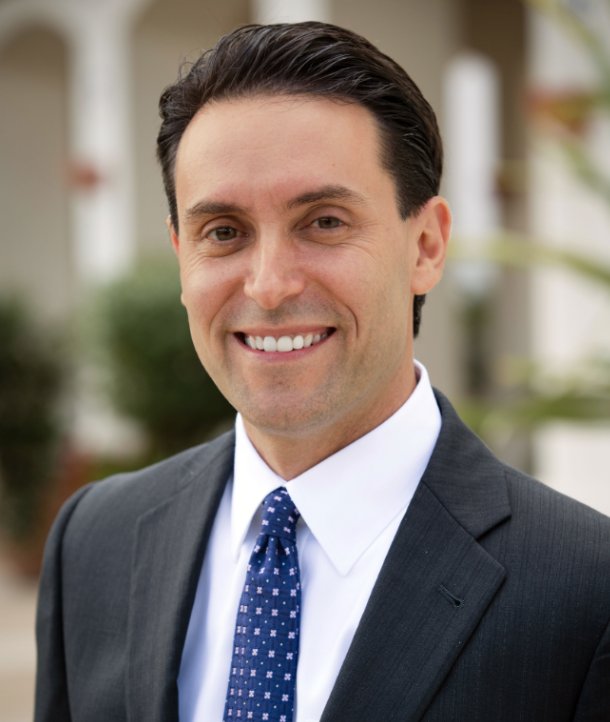
Sean Morrissey is a landlord and real estate broker, in the western suburbs of the Chicagoland area, who has built a $7M real estate portfolio and owns/manages Chicagoland Realty Group Partners LLC.

Having managed 200+ properties for landlords in the Chicagoland area, Sean has built property management systems to make “buy and hold” real estate sustainable and wealth-building.

Sean’s proudest achievement is being able to spend his days with his wife, two kids, dog and cat in what some may define a financial freedom lifestyle. Sean is the host of the real estate “buy and hold” real estate investor podcast called Landlording for Life.

https://media.blubrry.com/nyafinancialpodcast/content.blubrry.com/nyafinancialpodcast/NYAFP_Episode_166.mp3

Episode 162: Real Estate Investing and Bank on Yourself® with Lane Kawaoka

October 9, 2020 by Not Your Average Financial Podcast

https://media.blubrry.com/nyafinancialpodcast/content.blubrry.com/nyafinancialpodcast/NYAFP_Episode_162.mp3

Podcast: Play in new window | Download

Subscribe: Apple Podcasts | RSS

In this episode, we ask:

  • Who is Lane Kawaoka?
  • How did Lane start his portfolio?
  • What does Lane like to purchase?
  • What about “recession resistant” properties?
  • Why did Lane choose real estate?
  • What is Lane’s opportunity fund?
  • What about litigation protection? How does that work in each state?
  • What about retirement plans or qualified money?
  • What about tax advantages?
  • What is the advantage of using non qualified money?
  • What is cost segregation?
  • What is bonus depreciation?
  • Do the tax benefits get passed down to LPs?
  • What happens with high income earners?
  • What about the Required Minimum Distribution in retirement?
  • What is preferable about whole life insurance?
  • How does Lane pick his deals?
  • Why are relationships so important?
  • What about choosing the right, trustworthy people?
  • What are the three keys to success?
  • Does the income exceed the expenses (and then some)?
  • What about cash flow investing?
  • Would you like to hear Lane’s podcast, Simple Passive Cashflow?
  • What about Lane’s Mastermind, Passive Investor Accelerator?
  • What are the takeaways?

Note the disclaimer: The topics presented in this podcast are for general information only and not for the purposes of providing legal, accounting or investing advice. On such matters, please consult a professional who knows your specific situation.


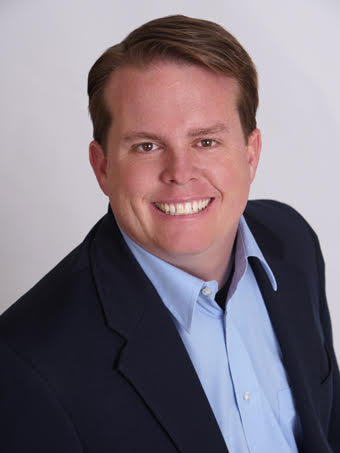
Lane Kawoaka has been investing for over a decade and now controls 2,600+ units.  As owner of CrowdfundAloha.com, SimplePassiveCashflow.com, and ReiAloha.com, Lane is responsible for finding investment opportunities, analysis, and marketing. Mr. Kawaoka obtained a BS in Industrial Engineer and MS in Civil Engineering and Construction Management from the University of Washington. In addition to an analytical engineering background, Lane has real world experience in working as a project manager for over $230 million dollars of capital construction projects in both the public and private sector. Working as a high paid professional in Corporate America and frustrated by the traditional wealth building dogma, Lane was compelled to inspire and mentor other working professionals via his Top-50 Investing podcast at SimplePassiveCashflow.com.

https://media.blubrry.com/nyafinancialpodcast/content.blubrry.com/nyafinancialpodcast/NYAFP_Episode_162.mp3

Episode 160: Why Work with a Bank on Yourself® Professional? Part 2

September 25, 2020 by Not Your Average Financial Podcast

https://media.blubrry.com/nyafinancialpodcast/content.blubrry.com/nyafinancialpodcast/NYAFP_Episode_160.mp3

Podcast: Play in new window | Download

Subscribe: Apple Podcasts | RSS

In this episode, we ask:

  • What is the history of Bank on Yourself®?
  • What did Nelson Nash find with the Infinite Banking Concept?
  • How was Nelson an evangelist?
  • What’s the issue with the IBC meaning?
  • What standards are in place around the Infinite Banking Concept?
  • What did Pamela Yellen learn?
  • What does Pamela write on page 247 of the Bank of Yourself® Revolution?
  • What is a modified endowment contract (or MEC)?
  • How did Pamela Yellen develop the Bank on Yourself® Professionals program?
  • How is the Bank on Yourself® language protected?
  • What is Bank on Yourself®?
  • How does this make a significant difference?
  • How might you know if an agent is capable and properly trained in designing a Bank on Yourself® type policy?
  • What about investment advisors?
  • What about designing riders properly?
  • How are these policies different from traditional whole life policies?
  • What is the only kind of insurance recommended for the Bank on Yourself® strategy?
  • What about captive agents?
  • What sort of products are captive agents writing?
  • Does it sound too good to be true?
  • What is Bank on Yourself® based upon?
  • Who owns Bank on Yourself® type life insurance policies?
  • Who do you know who is a Bank on Yourself® policy owner?
  • Can that advisor truly help you?
  • Why didn’t that advisor already tell you about Bank on Yourself®?
  • What is Bank on Yourself® NOT?
  • What about the knock-off advisors?
  • What about advisors who lost their licenses?
  • What is happening in the marketplace landscape?
  • What about the Infinite Banking Concept?
  • What about Private Banking Systems, Family Banking, Circle of Wealth, What Would the Rockefellars Do? and Perpetual Wealth Strategy?
  • Have you heard episode 95 and 96?
  • When was Nelson Nash’s Becoming Your Own Banker written?
  • What’s wrong with outdated numbers?
  • Is it about rate of return?
  • Is it legal to call an insurance policy a “bank”?
  • What about the laws and regulations?
  • Did Nelson Nash defend his trademarks?
  • How much do we treasure Nelson’s legacy?
  • What is a 770 Account?
  • What about the other names for a 770, including a President’s Secret Account, a 501(k) Plan, an Invisible Account and Income for Life?
  • What about a 702(j) Retirement Plan, attributed to President Ronald Reagan?
  • How are the Bank on Yourself® Professionals different?
  • What about Wealth Beyond Wall Street?
  • What is the promise?
  • What are some other names?
  • What is a Safe Money Millionaire or a 101 plan?
  • What is Indexed Universal Life?
  • What is in the fine print?
  • What about the warnings and disclaimers?
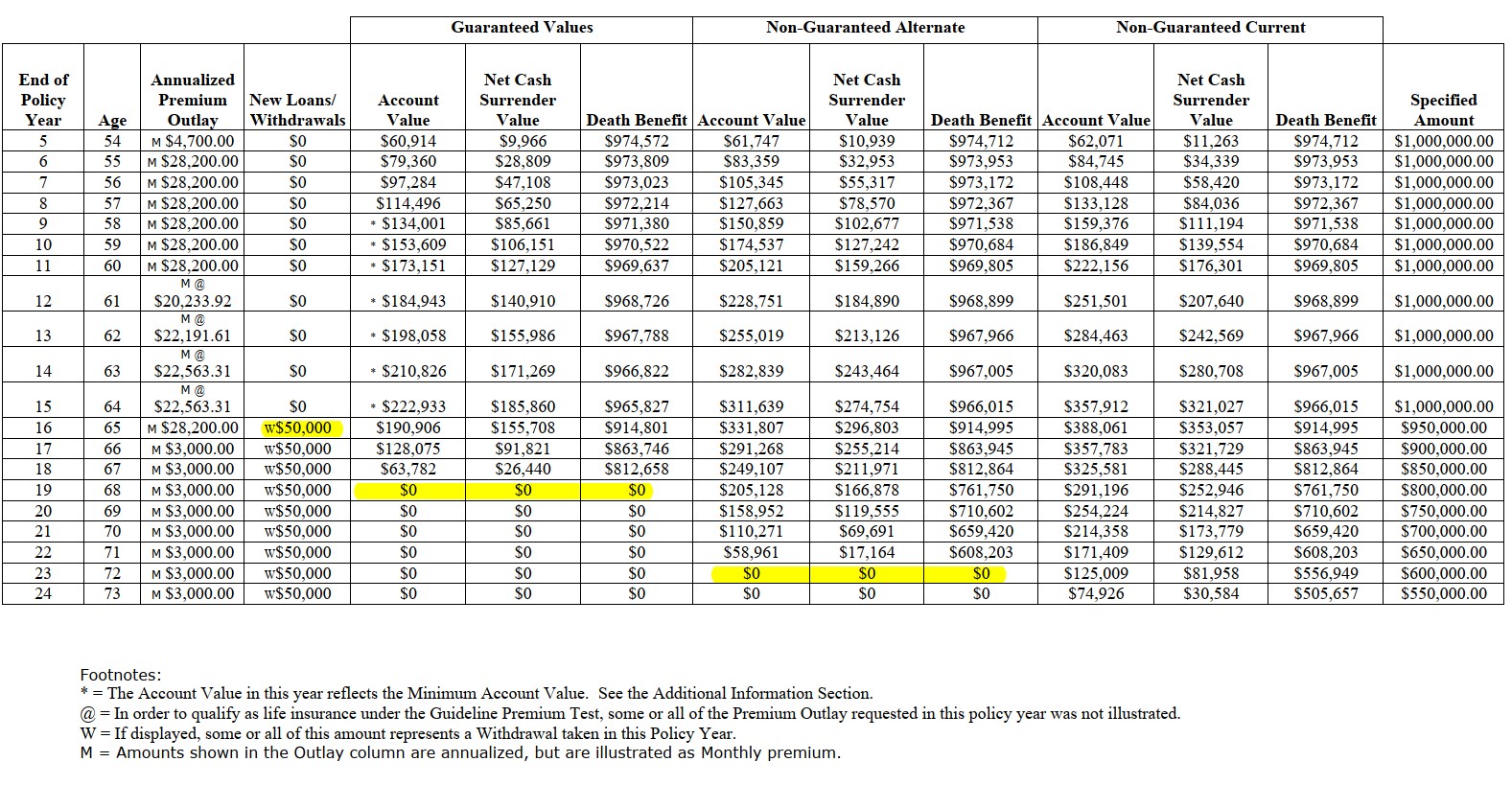
  • Why does the cash value on these go to ZERO?
  • What about the watchdog investigation?
  • Why are the illustrations on IUL and UL products wildly inaccurate?
  • What are IUL problems?
  • What about the IUL increasing costs?
  • Why is this devastating?
  • Why do these policies fall apart?
  • Would you like to hear Episode 59?
  • Would you like to hear Episode 60?
  • Would you like to hear Episode 61?
  • How are Bank on Yourself® Professionals different?
  • What is Maximum Premium Indexing and why is it so hot right now?
  • Why are they recommending buying an IUL and a whole life policy?
  • What is this mysterious strategy?
  • What is the advantage? What is the downside?
  • What is piggy backing?
  • Who does this benefit?
  • What are the red flags?
  • Why is this an ethical crisis?
  • Why is borrowing from one policy to buy a new one a bad idea?
  • What can you do if you’ve already purchased an inefficient or troubling policy?
  • Have you heard of the 1031 exchange in real estate?
  • Is there a like kind exchange in insurance?
  • What is the 1035 exchange?
  • Do you have an in-force illustration?
  • Would you like to call your insurer to get an in-force illustration?
  • Would you like us to review your in-force illustration for FREE?
    • Email us your PDF at hello@nyafinancialpodcast.com
    • or hop on Mark’s calendar.

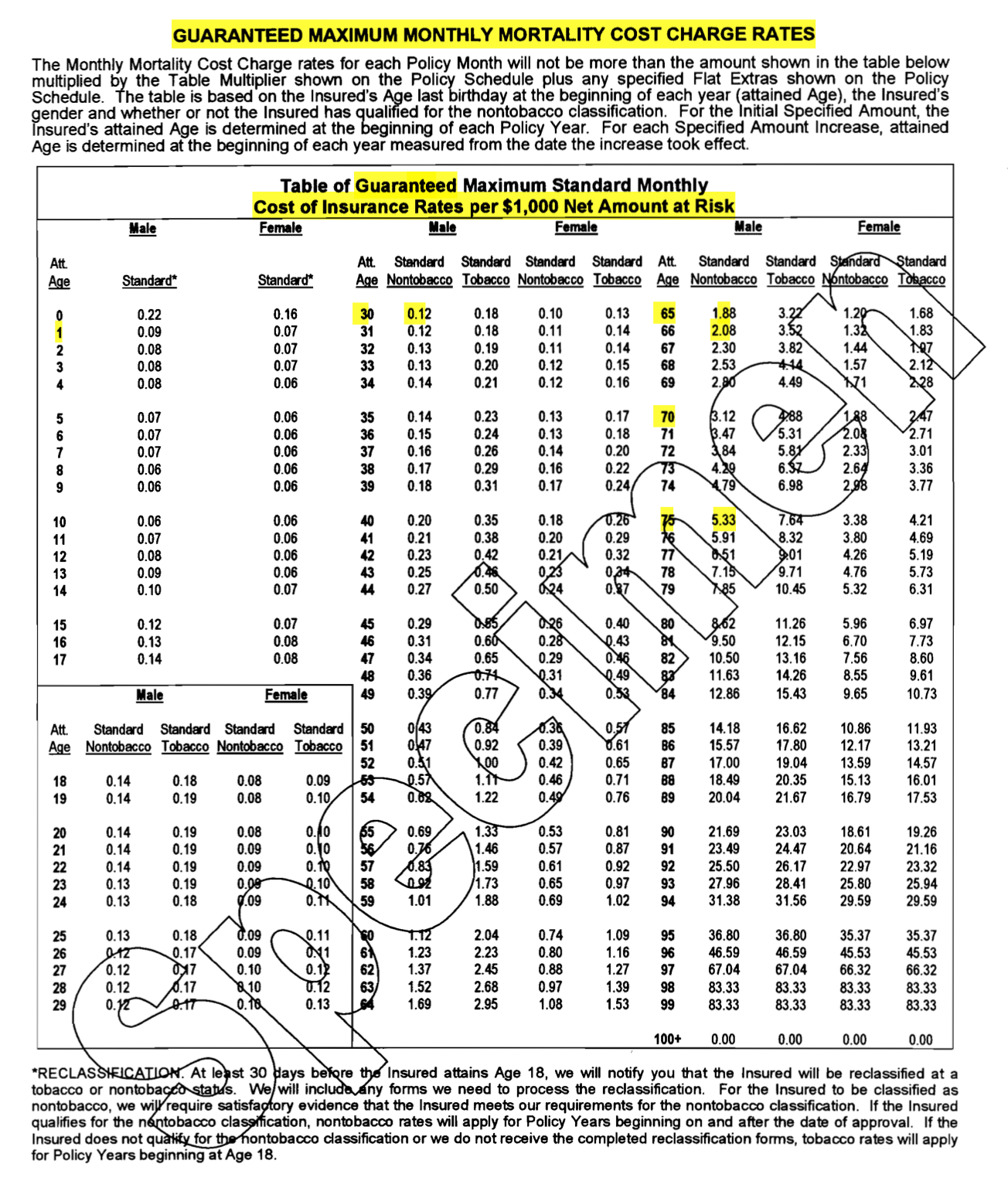
The Problem with Costs Going Crazy in Indexed Universal Life (IUL)

Example of What Might Happen with Retirement Income Using Indexed Universal Life (IUL)

https://media.blubrry.com/nyafinancialpodcast/content.blubrry.com/nyafinancialpodcast/NYAFP_Episode_160.mp3

Episode 157: I Love Leverage! I Love Liquidity! with Matt Shanlian

September 4, 2020 by Not Your Average Financial Podcast

https://media.blubrry.com/nyafinancialpodcast/content.blubrry.com/nyafinancialpodcast/NYAFP_Episode_157.mp3

Podcast: Play in new window | Download

Subscribe: Apple Podcasts | RSS

In this episode, we ask:

  • What if some information changed the trajectory of your life?
  • What if you knew?
  • What about your family?
  • Who is Matt Shanlian, and what does he do everyday?
  • What is happening with this pandemic?
  • What happened with the mortgage marketplace?
  • What happened with Fannie and Freddie?
  • Are the lenders busy?
  • What’s happening with the rates?
  • What’s the outlook?
  • What about volatility?
  • What’s keeping rates really low?
  • Are we seeing a downturn in value?
  • Are families taking advantage of this time?
  • What about the next six months?
  • What are the opportunities?
  • Do you have equity?
  • When is the time to act?
  • Are we having all time low interest rates?
  • What is Matt’s philosophy around home equity?
  • When should we keep money in the drywall?
  • What is the difference between this year and last year?
  • Is this artificial?
  • How does proactive thought affect the decision to get a mortgage?
  • What cripples the American family?
  • What is the hamster wheel?
  • What’s the plan to get out of credit card debt?
  • How does this affect retirement and getting a mortgage?
  • How might we free up cash flow?
  • What about debt consolidation?
  • What is the game?
  • What’s the risk of a cash out refinance?
  • How much can you pull out with a cash out refi?
  • How does debt affect your financial picture?
  • What are the two things that will make one successful in business?
  • What about liquidity?
  • What about leverage?
  • What is the average American’s net worth at age 65?
  • What is a HECM loan?
  • How might we maximize cash flow?
  • What about the spend down time in retirement?
  • What about after peak income?
  • What is a reverse mortgage?
  • What happens at age 62?
  • Can you get a reverse mortgage if you’re a millionaire?
  • What is the stigma around reverse mortgage?
  • What are added protections for the borrower?
  • What is the required reverse mortgage counseling session?
  • What changed in the recent past around the reverse mortgage?
  • What about soliciting?
  • Did your grandparents have credit card debt?
  • What about an example?
  • Do you have to pay tax on an equity account?
  • What about the line of credit option?
  • Do kids want to inherit “this old house”?
  • What about the next generation?
  • What about probate?
  • What about first right of refusal?
  • How does home equity dance with Bank on Yourself® type life insurance policies?
  • What about safety?
  • What about liquidity?
  • What about leverage?
  • How is home equity built?
  • How might outside factors affect your equity?
  • Who has the control?
  • What do you have the ability to do?
  • Who makes the rules?
  • What is the safe place?
  • What is in the walls?
  • What erodes the value of a home?
  • What advice does Matt have?
  • Do you do an annual mortgage “check up”?
  • What opportunity presents itself?
  • What is your mindset?
  • What is your plan?
  • What might supercharge your financial outlook?
  • How might you be proactive (rather than reactive)?
  • How much wealth might you build?
  • What are the takeaways?
  • Does a cash out refi make sense?
  • Would you like to read Wade Pfau’s book?
  • Would you like to review your home equity numbers with Mark or one of Mark’s associates?
  • Would you like to join our mailing list?

Matthew Shanlian received his bachelor’s degree in finance from Liberty University before working full time in the mortgage industry starting in 2007. Matt began as a Loan officer assistant and has worked his way up to Division President with Primary Residential Mortgage, INC.  Matthew is a nationally recognized speaker, frequent podcast guest, and also serves on the board of directors for NIME, a non-profit , financial services education organization. These activities have helped him earn the achievement of being ranked by Mortgage Executive Magazine as a Top 1% Mortgage Originator in America. In his time away from the office, Matthew loves serving in his local church’s children’s ministry with his wife, Maria.  Together they have 3 children, Miles, Millie, and Maverick.

https://media.blubrry.com/nyafinancialpodcast/content.blubrry.com/nyafinancialpodcast/NYAFP_Episode_157.mp3

Episode 148: Find The Power of Zero with David McKnight

July 3, 2020 by Not Your Average Financial Podcast

https://media.blubrry.com/nyafinancialpodcast/content.blubrry.com/nyafinancialpodcast/NYAFP_Episode_148.mp3

Podcast: Play in new window | Download

Subscribe: Apple Podcasts | RSS

In this episode, we ask:

  • Do you have a crystal ball?
  • Who is David McKnight?
  • Have you read David’s book, The Power of Zero?
  • Have you seen The Power of Zero: The Tax Train is Coming?
  • Will tax rates be dramatically higher than they are today?
  • What’s the disconnect between belief and action?
  • What about the book?
  • What about the fiscal situation of the U.S.?
  • What about bullies?
  • What is the Power of Zero paradigm?
  • What are the five takeaways (plus a bonus takeaway)?
  • Are we past the point of no return?
  • Will tax rates go up?
  • What about the 0% tax bracket?
  • Does this technically exist?
  • How might you position yourself?
  • What about multiple streams of tax advantaged income?
  • What about an LIRP?
  • What about social security?
  • When are tax rates going up?
  • What day will tax rates go up?
  • Are we enjoying historically low tax rates right now?
  • What happens in 2026?
  • Is there a tax sale going on right now?
  • Are you willing to pay a tax?
  • How might we pay tax on a lower amount?
  • Have you thought of it that way?
  • Is there a better time?
  • Are taxes “on sale”?
  • What are the risks of the Power of Zero?
  • What could go wrong?
  • What do you think the future of tax rates will be?
  • What are the possibilities?
  • Aren’t all retirees in a lower bracket?
  • What happens to deductions in retirement?
  • What about the standard deduction?
  • Do we spend less in retirement?
  • What about the Roth 401(k)?
  • What about the LIRP?
  • What products and tactics and strategies does David like?
  • What about Puerto Rico?
  • What’s the challenge with a Roth IRA?
  • What about income limitations?
  • Are there income limitations with a LIRP?
  • How are LIRPs more flexible?
  • What is the standard deduction?
  • What about disbursements?
  • What about the nuances?
  • What about the thresholds?
  • Will your social security be taxed?
  • What about the CARES Act and the SECURE Act?
  • What about the tax realities under the new legislation?
  • What about inflation?
  • Does printing money solve the problem?
  • What about reverse mortgages?
  • Do kids want the parent’s house?
  • Have you seen David’s documentary, The Power of Zero: The Tax Train is Coming?
  • Have you heard David’s podcast, the Power of Zero show?
  • What is the future standard deduction?
  • What are people saying?


David McKnight graduated from Brigham Young University with Honors in 1997.  Over the past 20 years David has helped put thousands of Americans on the road to the zero percent tax bracket. He has made frequent appearances in Forbes, USA Today, New York Times, Fox Business, CBS Radio, Bloomberg Radio, Huffington Post, Reuters, CNBC, Yahoo Finance, Nasdaq.com, Investor’s Business Daily, Kiplinger’s, MarketWatch and numerous other national publications.  His bestselling book The Power of Zero has sold over 200,000 copies and the updated and revised version was published by Penguin Random House. When it was launched in September of 2018, it finished the week as the #2 most-sold business book in the world.  In 2019 The Power of Zero was ranked as the #9 best financial resource in the country by Forbes Magazine.  This book was recently made into a full-length documentary film entitled The Power of Zero: The Tax Train Is Coming.  As the President of David McKnight & Company, he mentors hundreds of financial advisors from across the country who specialize in the Power of Zero retirement approach.  He and his wife Felice have seven children.

https://media.blubrry.com/nyafinancialpodcast/content.blubrry.com/nyafinancialpodcast/NYAFP_Episode_148.mp3

Episode 146: Three Ways the CARES Act Will Impact Your Retirement

June 19, 2020 by Not Your Average Financial Podcast

https://media.blubrry.com/nyafinancialpodcast/content.blubrry.com/nyafinancialpodcast/NYAFP_Episode_146.mp3

Podcast: Play in new window | Download

Subscribe: Apple Podcasts | RSS

In this episode, we ask:

  • Has your family or your business been impacted by the current events?
  • What is happening with the unemployment numbers?
  • What are many Americans concerned about?
  • What are the statistics?
  • What is the CARES Act?
  • What is new with CARES Act that was passed this spring?
  • Is this tax advice?
  • Are you speaking with a tax professional?
  • What are the disclaimers?
  • Who has the correct information?
  • What does the CARES Act have to do with your retirement?
  • What does this crisis make possible?
  • What about the penalties and taxes?
  • What about the qualifications?
  • What is Mark’s opinion?
  • What are some potentially good uses of these opportunities?
  • What does this crisis make possible?
  • Is this the tax deal of a lifetime?
  • What is a 401(k)?
  • What is an IRA?
  • What are the rules?
  • What about distributions?
  • What about penalties?
  • What about the tax?
  • What are the qualifiers?
  • What happened to 401(k) loan rules?
  • Do you have to pay a 401(k) loan back?
  • What are the required payments?
  • What are the gotchas?
  • How does this become a full distribution?
  • What is Mark’s beef with 401(k) loans?
  • How are you going to repay that 401(k) loan?
  • Will it be pretax or after tax money?
  • Will it come out of cash flow?
  • What about the taxes?
  • What about 401(k) or IRA distributions?
  • What did Congress do with the early withdrawal penalty?
  • What about the taxes?
  • Is this the tax sale of a lifetime?
  • What about the penalty?
  • Has this ever been offered before?
  • What about the interest?
  • What about a Roth conversion?
  • What about the taxes?
  • What about the withdrawal penalty?
  • Do you want to pay tax now or later?
  • What about traditional IRAs?
  • Is your tax bracket the same as it was last year?
  • Do you know what your tax bracket will be this year?
  • Do you believe the market will rebound?
  • Do you need a hand?
  • What about fixed indexed annuities inside of a Roth IRA?
  • Would you like to hear more about income maximization?
  • How are you going to take advantage of this new opportunity?
  • What are your priorities?
  • What do you prefer?
  • What is different under the new rules?
  • Would you like to think through your situation with us?
  • Would you like to answer the question of the month?
    • How would you handle a financial crisis differently next time than you’re handling it this time?” Let us know before June 30, 2020! Leave Us A Message on SpeakPipe

CARES Act 2020 FAQ

Coronavirus relief: We answer your questions via experts in the field about how the CARES Act, the legislation signed into law by President Trump in March, 2020, affects retirement withdrawals and IRAs.


Does my employer offer these provisions?

The provisions are not automatic.

The CARES Act loan and distribution provisions require employers to adopt those rules, according to Nelson.

So you need to ask whether your employer offers these provisions in your 401(k) plan.

About 75% to 85%  existing 401(k) workplace plans currently offer some type of hardship or loan provision, Nelson says. 

Depending on your needs, you still have options even if your employer doesn’t include the new provisions. Prior rules allow Americans to take out a 401(k) loan of up to 50% of their vested account balance, or a maximum of $50,000. 


Who qualifies?

To qualify for the retirement distributions or loan provisions, you must have suffered a financial hardship from the pandemic. That includes being diagnosed with Covid-19; subject to quarantine; a business closure or reduce your hours; inability to work due to child-care issues; or if you’re not self employed and were laid off or had hours reduced.

To qualify for the provisions, individuals need to fall into one of two main categories.

  1. You, your spouse or a dependent is diagnosed with Covid-19, the disease caused by the new coronavirus.
  2. Alternatively, you qualify if you have experienced adverse financial consequences as a result of being quarantined, furloughed, laid off, having work hours reduced, being unable to work due to lack of child care or closures related to the coronavirus pandemic.

You, your spouse, or dependent has been diagnosed with the coronavirus (i.e., SARS-CoV-2 or COVID-19),

  • You have experienced adverse financial consequences because you have been quarantined, furloughed, laid off, or have had work hours reduced due to the coronavirus,
  • You are unable to work because of a lack of child care due to the coronavirus,
  • You own or operate a business and have had to close or reduce hours due to the coronavirus, or
  • You have experienced an adverse financial consequence due to other factors as provided in guidance issued by the Internal Revenue Service.


Which distributions get relief? 

If you are a “qualified individual,” up to $100,000 of distributions from IRAs and company savings plan made in 2020 are eligible for relief. IRA and company plan distributions are aggregated for this purpose.


What are the relief provisions for withdrawals? 

The first relief provision waives the 10% early distribution penalty. That penalty normally applies to IRA or company plan withdrawals if you are under age 59 ½, unless an exception applies. The CARES Act adds a new exception to that penalty but only if you are a “qualified individual.” 


The second relief provision provides relief if your financial situation improves and you no longer need the withdrawn funds. “Qualified individuals” can repay, tax-free, 2020 withdrawals to an IRA or company plan. Repayment must be made within three years of the date the money was received. If you have already paid taxes on a withdrawal that you later decide to repay, you can file an amended tax return to recover the taxes.


In most cases, your withdrawal will be taxable. To cushion the blow of getting hit with the entire tax in the year of distribution, the CARES Act permits you to spread any federal income tax over three years.


How Long is this Available?

In the year 2020.


IRA Distributions

Loans are not permitted from IRAs, says Denise Appleby, the CEO of Appleby Retirement Consulting. The language you cite, she says, refers to a distribution that can be rolled over within 60-days of receipt – extended to three years for coronavirus-related distributions.


These distributions are not, says Appleby, subject to the terms that apply to loans, such as: level amortized repayments, an interest rate that should be reasonable, a loan agreement, approval by the plan administrator, subject to availability under the terms of the plan


“Therefore, while the IRA distribution can be returned to the IRA or other eligible retirement plan – if eligible as a rollover contribution, it is merely a distribution and not a loan,” says Appleby. (source)


401(k) and IRA Distributions

The CARES Act makes it easier for Americans struggling with economic hardship from the coronavirus pandemic to withdraw money from their retirement accounts. 


One provision from The CARES Act allows investors of any age to withdraw as much as $100,000 from retirement accounts including 401(k) plans and individual retirement accounts this year without paying an early withdrawal penalty of 10%. They can avoid taxes on the withdrawal if the money is put back in the account within three years. If it isn’t returned, taxes can be paid over a three year span. 


ESOP

ESOPs do not have to make these coronavirus-related distributions available because the IRS has indicated that the distributions are permitted, but not required, for any retirement plan. To the extent the special distributions are offered, they must be made in calendar year 2020. (source)


It’s important to note, too, that under what’s known as “the rule of 55,” 401(k) or 403(b) participants who leave their employer for any reason in or after the year they turn 55 are always free to pull money from their plan without paying the 10% penalty.


Do I have to pay taxes on these distributions?  

Yes. However, the tax associated with the distributions may be paid ratably over three years, beginning with the taxable year 2020.


Q&A on RMDs (Required Minimum Distributions)

The CARES Act forgives the need to take a required minimum distribution from an IRA for 2020. 


Q: The CARES Act forgives the need to take a required minimum distribution from an IRA for 2020 but neglected to account for those that already took funds out in the first three months of 2020. What should happen in these cases? The simplest solution would be for the IRS to allow people to put back any money that was withdrawn during the first three months of 2020, before the CARES Act was passed. Most IRAs do have a 60-day window to return withdrawn funds but inherited IRAs do not have any window to return funds. What do you think?


A: If it is within 60 days from the date of the distribution of the RMD the funds can be rolled over as long as they are otherwise eligible for rollover, says Sarah Brenner, an IRA analyst with Ed Slott and Company. “That would mean no violations of the once-per-year rollover rule and non-spouse beneficiaries could not roll over an RMD from an inherited IRA,” she says.


401(k) Loans

Under the CARES Act, you can take out a 401(k) loan for up to $100,000, or if lower 100% of the vested account balance for the next six months. That’s up from a prior limit of $50,000, or if lower 50%. Individual retirement accounts don’t allow loans.


Typically, you have up to five years to repay a 401(k) loan. For 2020, the new provision gives Americans an additional year to pay back the loan, raising the time period to six years. Outstanding loans due between March 27 and Dec. 31 will also be extended by a year.


A 401(k) withdrawal would make more sense for someone who has been laid off and doesn’t have a safety net or enough saved for basic expenses over the next three to six months, they said. 


To be sure, if you lose your job, you could be on the hook for taxes for the amount borrowed for a loan.


It also says savers can take a loan without paying interest or taxes if it is paid back within five years. 


Qualifying individuals under the CARES Act who already have a 401(k) loan may delay repayments due in 2020 for a year, although interest will continue to accrue on those deferred payments.


( I.R.S. Details )


https://media.blubrry.com/nyafinancialpodcast/content.blubrry.com/nyafinancialpodcast/NYAFP_Episode_146.mp3

Episode 141: Budget Your Savings and a Bank on Yourself Portfolio

May 15, 2020 by Not Your Average Financial Podcast

https://media.blubrry.com/nyafinancialpodcast/content.blubrry.com/nyafinancialpodcast/NYAFP_Episode_141.mp3

Podcast: Play in new window | Download

Subscribe: Apple Podcasts | RSS

In this episode, we ask:

  • Are you ready for an episode from the clubhouse?
  • Where does money come from?
  • What is a budget?
  • Why is it important to save money?
  • What sort of things can money do?
  • Does age matter, when it comes to budgeting?
  • Are you a policy owner?
  • Are you in danger?
  • Are you the biggest danger your policy will ever face?
  • Are you naming the dollars in your policy?
  • What are the three personalities?
  • What is the key idea?
  • What are the four rules?
  • Have you heard Episode 139?
  • Is this too complex?
  • Have you logged in to your online portal?
  • Do you enjoy watching the money grow?
  • Is the money available?
  • What system helps you track?
  • Would you like a copy of this tool?
  • Do you give every dollar a job?
  • Do you embrace your true expenses?
  • Do you roll with the punches?
  • Do you age your money?
  • What number do you need to put into your budget?
  • What’s better than a withdrawal?
  • What’s the available loan value?
  • Are you ready to give every dollar a job?
  • Should you budget the other numbers?
  • How is budgeting a conversation about priorities?
  • What do you want your money to do for you?
  • Do you have more money to work with?
  • What’s an example of budgeting for college?
  • What’s an example of budgeting for a new car?
  • What’s an example of budgeting for an emergency fund?
  • What are your true expenses?
  • What about property taxes?
  • What happens when you repay a loan?
  • Do you have to pay a loan off before you take another loan out?
  • What about paying property taxes?
  • Can you setup a loan repayment?
  • Should you spend that money?
  • What are some huge, large expenses?
  • What are the bonuses?
  • What are the true expenses you should keep in your checking account?
  • Will the expense take six months or more to save?
  • Have you heard Episode 54?
  • Do you roll with the punches?
  • How is this different from a checking account?
  • Do you age your money?
  • What happens if you lose a job or have another emergency?
  • Do you have a large emergency fund?
  • Where do you keep the larger emergency fund?
  • What happens when you borrow against your money?
  • What happens to compounding when you borrow?
  • What are the best practices?
  • Should you treat your policy like a checking account, credit card or a piggy bank?
  • Have you tried budgeting cash value before?
  • Do you have loans on the policies?
  • Do you pay your loans in a reasonable period of time?
  • Would you like to see this in action? (YOUTUBE Link)
  • Hop on our calendar for an introductory phone appointment. 
  • Would you like to give us your feedback? Leave us a message, answering our question of the month:  
    • What concerns you most about your retirement?

https://media.blubrry.com/nyafinancialpodcast/content.blubrry.com/nyafinancialpodcast/NYAFP_Episode_141.mp3

Episode 138: Everyone Has a Plan Until… with Marc Lichtenfeld

April 24, 2020 by Not Your Average Financial Podcast

https://media.blubrry.com/nyafinancialpodcast/content.blubrry.com/nyafinancialpodcast/NYAFP_Episode_138.mp3

Podcast: Play in new window | Download

Subscribe: Apple Podcasts | RSS

In this episode, we ask:

  • What about the top of the pyramid?
  • Who is Marc Lichtenfeld?
  • What is the Oxford Income Letter?
  • What about boxing?
  • What’s the athlete’s perspective?
  • How much preparation do you need?
  • What is a perpetual dividend raiser?
  • What is a stock dividend?
  • What might companies do with ample free cash flow?
  • What is a positive sign for a company?
  • What companies raised dividends?
  • Who are the dividend aristocrats?
  • Which companies have raised their dividends over different periods of time?
  • What about “getting a raise” every year?
  • What about the SECURE act?
  • How did it affect the age for Required Minimum Distributions (RMDs)?
  • How did the rules change?
  • What about inherited IRAs?
  • What changes affect the heirs of IRAs?
  • What is happening to those who have been playing by the rules?
  • What are some strategies for surfing this change?
  • Have you signed up on WealthyRetirement.com yet?
  • Would you like to read Marc’s recent book?
  • What’s the value of a stream of income?
  • What are people saying?
  • What concerns you most about your retirement, right now?
    Leave us a message!
  • Would you like to join us on our latest webinar?
    What You Can Do to Build Real Wealth In Turbulent Times
    TOMORROW, Saturday April 25, 2020 at 10am CT / 11AM ET
    Duration: 90 minutes
    Register Here

Marc Lichtenfeld is the Senior Editor of The Oxford Income Letter, which is based on his proprietary 10-11-12 System. He is also the Editor of Stock Sequence Trader, Lightning Trend Trader and Closing Bell Profits.Marc is the Chief Income Strategist of The Oxford Club. After getting his start on the trading desk at Carlin Equities, he moved over to Avalon Research Group as a senior analyst. Over the years, Marc’s commentary has appeared in The Wall Street Journal, Barron’s, and U.S. News & World Report, among others. Prior to joining The Oxford Club, he was a senior columnist at Jim Cramer’s TheStreet. Today, he is a sought-after media guest who has appeared on CNBC, Fox Business and Yahoo Finance. His first book, Get Rich With Dividends: A Proven System for Double-Digit Returns, achieved bestseller status shortly after its release in 2012 and was named Book of the Year by the Institute for Financial Literacy. It is currently in its second edition and is published in multiple languages. In early 2018, Marc released his second book, You Don’t Have to Drive an Uber in Retirement: How to Maintain Your Lifestyle without Getting a Job or Cutting Corners, which hit No. 1 on Amazon’s bestseller list.

https://media.blubrry.com/nyafinancialpodcast/content.blubrry.com/nyafinancialpodcast/NYAFP_Episode_138.mp3

Episode 129: What if the Real Scam is Wall Street?

February 21, 2020 by Not Your Average Financial Podcast

https://media.blubrry.com/nyafinancialpodcast/content.blubrry.com/nyafinancialpodcast/NYAFP_Episode_129.mp3

Podcast: Play in new window | Download

Subscribe: Apple Podcasts | RSS

In this episode, we ask:

  • Have you heard the saying, “When you point a finger at someone, you have three more fingers pointing back at you?”
  • What does Wall Street say?
  • Does Wall Street fit the definition of a scam?
  • What did Holly Johnson say in The Simple Dollar article entitled Four Reasons Whole Life Insurance Is Not Worth It?
  • What did a 2015 Consumer Reports article titled Is Whole Life Insurance Right For You say?
  • What about the advice given to eight-year-old Virginia O’Hanlon in 1897 by the New York Sun about Santa Claus?
  • How is life insurance the exact opposite of gambling?
  • How long are the insurance companies willing to make promises?
  • Does any other financial institution make this level of promises?
  • What other financial instruments offer these promises?
  • What is the primary purpose of whole life insurance?
  • What are life insurance companies doing all day long?
  • What is whole life insurance’s not-so-secret promise?
  • What did the DALBAR study say in 2018?
  • What did Fidelity say at the end of 2017?
  • What about the buy and hold strategy?
  • What do mutual funds advertise?
  • What are mutual fund investors actually receiving?
  • Are you in a Target Date Fund?
  • Which is the scam?
  • How much will taxes eat up income from retirement savings?
  • What is the difference between risk tolerance and risk capacity?
  • How would you feel with a 40% decline in your portfolio?
  • What’s the problem with a risk tolerance questionnaire?
  • Do the questionnaires reflect reality?
  • What if we change out risk tolerance questionnaires with a risk capacity score?
  • When can investors afford to take risks?
  • What would fundamentally change the financial planning industry?
  • How might you take bias and opinion out of your financial calculations?
  • What’s the money that you cannot afford to lose?
  • Why does Wall Street seem to think that insurance has no place in a portfolio?
  • Are you risking money you can’t afford to lose?
  • What’s your magic number?
  • Would you like us to find your magic number? 
  • Is there a purpose for every financial vehicle out there?
  • Are you skeptical of your own risk opinion?
  • What’s a favorite or memorable money mistake?
    • Let us know! Leave us a message
  • Would you like to leave us a review?
    • Email us a screenshot of your review and we will send you a FREE book!


https://media.blubrry.com/nyafinancialpodcast/content.blubrry.com/nyafinancialpodcast/NYAFP_Episode_129.mp3

Episode 127: Is Bank on Yourself® a Scam? A Nerd’s Eye View on Policy Loans and Michael Kitces

February 7, 2020 by Not Your Average Financial Podcast

https://media.blubrry.com/nyafinancialpodcast/content.blubrry.com/nyafinancialpodcast/NYAFP_Episode_127.mp3

Podcast: Play in new window | Download

Subscribe: Apple Podcasts | RSS

In this episode, we ask:

  • Is Bank on Yourself® a Scam?
  • Who is Michael Kitces, and why do we respect him so much?
  • What did Michael Kitces write about Bank on Yourself®?
  • Would you like to read Pamela Yellen’s responses to his analysis of Bank on Yourself®?
  • What does Kitces say about permanent whole life insurance loans?
  • What does Kitces say about growth in a whole life insurance policy?
  • What is a non-direct recognition policy loan?
  • Have you heard Episode 110?
  • What does Kitces say about access to cash value?
  • What does Kitces say about loans causing policy lapse?
  • What does Kitces say about taxable gains?
  • Should you take a home mortgage?
  • What are the consequences of not paying a debt back?
  • What happens to life insurance policy loans when one dies?
  • What happens with debt forgiveness?
  • Why does Mark work with Pamela Yellen’s Bank on Yourself® authorized advisors group?
  • What else does Kitces say about permanent whole life insurance loans?
  • Would you like to learn more about taxes and life insurance loans?
    • Have you heard Episode 29?
  • What other financial vehicle allows for this?
  • What are the key structures in a properly designed Bank on Yourself® type whole life insurance policy?
  • What is an indexed universal life insurance policy (IUL)?
  • What is a crediting rate?
  • Can you build a Bank on Yourself® type whole life insurance policy on an IUL product?
  • Do whole life insurance policies have crediting rates?
  • Would you like to learn more about indexed universal life insurance policies (IUL)?
    • Have you heard Episode 59?
    • Have you heard Episode 60?
    • Have you heard Episode 61?
  • Why is the Bank on Yourself® brand important?
  • Should you worry about life insurance policies lapse?
  • Do you have a mortgage? Could you lose your mortgage? Could you lose your house?
  • What if half of your mortgage payment was optional?
  • Can you have discipline with your finances?
  • Do you have a well trained advisor who truly understands the proper way to build and care for a Bank on Yourself® type whole life insurance policy?
  • What is Michael Kitces biggest blind spot in his article?
  • Do you finance everything you buy?
  • Do you use traditional financing?
  • Do you take loans from auto companies?
  • Do you take loans from a FDIC insured bank?
  • Do you take loans and pay them back according the preset schedule?
  • After the traditional loan, what do you have left?
  • What about leasing?
  • What do you have at the end of a lease?
  • What about paying cash instead of financing?
  • Do you save up and pay cash for everything?
  • Do you replenish your savings?
  • When you pay cash, aren’t you actually borrowing from yourself?
  • How much interest are you earning on the money you withdrew?
  • When will you begin earning interest?
  • Are you paying interest, passing up interest or earning interest?
  • How is paying cash like stealing from your future self?
  • Would you like to learn more about opportunity cost?
    • Have you heard Episode 13?
  • What does a Bank on Yourself® type whole life insurance policy loan offer?
    • Have you heard Episode 32?
  • What are your thoughts on this?
  • Who do you know who needs to hear about this?
  • Would you like to leave us a review? Send us a screenshot of your review to hello@nyafinancialpodcast.com, and we’ll send you a free book!

https://media.blubrry.com/nyafinancialpodcast/content.blubrry.com/nyafinancialpodcast/NYAFP_Episode_127.mp3
Prev Page...
...Next Page

Sign Up to Receive Weekly Email Notifications

Not Your Average Financial Podcast
  Thank you for Signing Up
  Please correct the marked field(s) below
1,true,6,Contact Email,2
1,false,1,Last Name,2

Copyright © 2026 · Maron Pro Theme on Genesis Framework · WordPress · Log in