Not Your Average Financial Podcast™

Think different about your money, your economy and your future. Be curious. Be stable. Be sane.

Episode 202: Hot Tea with Marilyn Blosser

July 16, 2021 by Not Your Average Financial Podcast

https://media.blubrry.com/nyafinancialpodcast/content.blubrry.com/nyafinancialpodcast/NYAFP_Episode_202.mp3

Podcast: Play in new window | Download

Subscribe: Apple Podcasts | RSS

In this episode, we ask:

  • Who is resilient?
  • Who is Marilyn Blosser?
  • How did Marilyn get into financial services?
  • What about the federal government’s mandate to hire women in the insurance industry?
  • What about a stable salary?
  • What about commissions only?
  • What about a subsidy?
  • What about an unlimited income potential?
  • What about working from the heart?
  • Will Marilyn ever retire?
  • What about the Million Dollar Round Table (MDRT)?
  • How has Marilyn dramatically changed people’s lives?
  • What about the hiring culture?
  • What about Marilyn’s work with CNA?
  • What about working with property and casualty agents?
  • What happened with Henry?
  • When did Marilyn open her own business?
  • What about high net worth individuals?
  • What are the changes Marilyn has witnessed in the industry over her career?
  • Is life insurance only about the death benefit?
  • What about the living benefits alongside the death benefit?
  • What about Dave Ramsey?
  • What about Suze Orman?
  • What about buy term and invest the difference?
  • What about the 401(k)?
  • What about the volatility?
  • What’s the plan when the market drops?
  • What about Walt Disney and J.C. Penney using the living benefits of their whole life insurance?
  • Will it go backwards?
  • How can you protect yourself from volatility, regardless of age?
  • What is the best a 401(k) can do?
  • What about risk?
  • What is not understood about life insurance?
  • What about Ed Slott?
  • Does the insurance company send a 1099?
  • What about working with happy clients for decades?
  • Why can’t certain clients put more money into their policies?
  • What about converting term insurance to whole life insurance?
  • What about overcoming the fundamental challenges?
  • What about financial illiteracy?
  • What about the busyness of life?
  • What happens in an emergency?
  • What about the cash flow spreadsheet?
  • What about paying attention?
  • What are some interesting client experiences?
  • What about Marilyn’s client who was also a convicted felon?
  • Did the felon get approved for life insurance?
  • What about the Rockefeller family’s dynastic trust?
  • What about the Vanderbilts?
  • What about Marilyn’s policies?
  • What about setting up a trust?
  • What about the policies in the family?
  • What about Ben Franklin?
  • What about long term thinking?
  • Why is Marilyn blowing the horn for properly designed whole life insurance?
  • Would you like to reach out to Marilyn by phone at 305-934-7705?
  • Would you like to reach out to Marilyn by email at mmb@blosserfinancial.com?

Marilyn Blosser was born in Miami & has lived in Florida all her life.  She’s been in the financial services business for almost 45 years.  

Marilyn is very active in her professional organization WIFS, Women In Insurance & Financial Services, having served many terms on both the National & Local Board of Directors.  She also belongs and is active in several service organizations including the American Legion.  Marilyn enjoys spending time with family & friends as well as playing golf and is an avid poker player. Reach out to Marilyn by phone at 305-934-7705 or email her at mmb@blosserfinancial.com.

https://media.blubrry.com/nyafinancialpodcast/content.blubrry.com/nyafinancialpodcast/NYAFP_Episode_202.mp3

Episode 200: The Question is the Answer

July 2, 2021 by Not Your Average Financial Podcast

https://media.blubrry.com/nyafinancialpodcast/content.blubrry.com/nyafinancialpodcast/NYAFP_Episode_200.mp3

Podcast: Play in new window | Download

Subscribe: Apple Podcasts | RSS

In this episode, we ask:

  • What about Socrates?
  • What did he say?
  • What about drawing out?
  • What about the socratic method?
  • What’s the process?
  • What about financial professionals?
  • What about asking interesting questions?
  • What about asking good questions?
  • What about Dale Carnegie?
  • What are the six types of questions that Socrates posed?
  • What about clarifying concepts?
  • What about probing assumptions?
  • What about probing rationale or reason or evidence?
  • What about questioning the viewpoint or the perspective?
  • What about probing implications or consequences?
  • What about questioning the question?
  • What about a deep dive conversation?
  • What happens with new clients?
  • What are some of the best conversations you’ve had?
  • How has the world changed?
  • Are you prepared?
  • How will you face new challenges?
  • Will government be able to care for the elderly?
  • How much does a year of nursing home care cost?
  • How are people living longer?
  • What about social security?
  • How long were benefits supposed to last?
  • What about Medicare?
  • How will these systems continue functioning?
  • What about the reality of living to age 100?
  • What about the reality of living to age 120?
  • Are people living longer than ever before?
  • What is the current transformation?
  • What about the industrial economy?
  • What about the information economy?
  • What about labor?
  • What about The End of Work by Jeremy Rifkin?
  • What did Harvard predict?
  • What about doing something else in two years?
  • Who needs job skills?
  • Who needs a new way of thinking?
  • What about time?
  • What about money?
  • What about interest rates?
  • Will interest rates remain this low?
  • What about government debt?
  • What about the rule of 72?
  • How many years will it take you to double your money?
  • What about inflation?
  • How many years will it take to double your income?
  • What about the rule of 115?
  • How many years will it take to triple your money?
  • How many years will it take to triple your income?
  • What about guaranteed income?
  • What about mortality credits?
  • What about leveraging?
  • Would you like to meet with Mark?
  • What about the world of low interest rates?
  • What about money printing?
  • What about the M2 supply?
  • What about the World Debt Clock?
  • What about the future inflation of that money?
  • What is the forecast?
  • Who pays more when inflation rises?
  • What will happen in fourteen years?
  • What about living with a lower standard of living?
  • Will you even be able to retire?
  • How might we offset inflation?
  • What about the market giving zero returns?
  • What about Wall Street?
  • What about a 401(k)?
  • What do you want to do about all of this?
  • What do you want to have happen to you, when you die?
  • What do you want to have happen to you, when you become disabled?
  • What do you want to have happen to you, if you have a critical illness?
  • What do you want to have happen to you, when you need long term care?
  • What do you want to have happen to you in retirement?
  • What about access to cash?
  • What about volatility?
  • What are the some of the financial miracles available?
  • What about compound interest?
  • What about tax deferral or tax free compound interest?
  • What about leverage?
  • What do you want to tackle?
  • Do you have access to capital?
  • How might you take advantage of these opportunities?
  • What about good news?
  • What are your favorite questions?
  • What are your takeaways?
  • What actions will you take?


Thanks for all of your support! We’re at 200 episodes!

https://media.blubrry.com/nyafinancialpodcast/content.blubrry.com/nyafinancialpodcast/NYAFP_Episode_200.mp3

Episode 199: Buy. Borrow. Die. …Pay Zero in Tax?

June 25, 2021 by Not Your Average Financial Podcast

https://media.blubrry.com/nyafinancialpodcast/content.blubrry.com/nyafinancialpodcast/NYAFP_Episode_199.mp3

Podcast: Play in new window | Download

Subscribe: Apple Podcasts | RSS

In this episode, we ask:

  • How do the .001% navigate their taxes legally?
  • What about the ProPublica report?
  • How do they legally pay a tiny fraction of their fortunes in taxes?
  • What was your reaction to this news?
  • As your income rises, do you pay more in taxes?
  • Under current law, what is the highest tax bracket?
  • What do the ultra high net worth pay?
  • How is wealth different from income?
  • What will you pay in tax?
  • What about loans?
  • What about paying back loans?
  • What about collateral?
  • Do you have a pen and paper?
  • What about buying assets?
  • What about a home?
  • Does your house have an ATM attached?
  • When do you pay tax on an asset?
  • What about borrowing money?
  • Do you pay a tax when you borrow?
  • What are the tax advantages of debt?
  • What about interest?
  • What happens to wealth at death (when you die)?
  • What about tax on death benefits for life insurance?
  • What is the big divide?
  • What about the asset side?
  • What’s the caveat?
  • What happened in 2013?
  • What about buying with after tax dollars?
  • What about the step-up in basis?
  • What about the $1 salary?
  • What about Bank on Yourself®?
  • What is premium?
  • What is cash value?
  • What is death benefit?
  • What about buying premium?
  • What about borrowing cash value?
  • What about when you die, giving your death benefit to your beneficiary?
  • What about tax with life insurance?
  • What about strategies like bonus depreciation?
  • What about rental income?
  • What about not issuing dividends?
  • What about dividends in life insurance?
  • What is a refund of premium?
  • What about the option for purchasing PUAs with dividends?
  • Are you able to receive the dividend as a check?
  • When will tax be due?
  • What grows forever?
  • When do markets crash?
  • What about the generosity of a banker?
  • What if stocks go down?
  • What about living on stocks?
  • What about a margin call?
  • Could you come up with the money you need?
  • What about the cost of borrowing against the assets?
  • What about liquidating?
  • What about fixed income assets?
  • What about improvement of projections?
  • What happens if interest rates rise?
  • What about building up significant cash value?
  • What about income tax?
  • What about estate tax?
  • Who needs a trust?
  • Who needs an attorney?
  • What is the estate tax threshold under current law?
  • What reduces the death benefit?
  • What happens with unpaid policy loans?
  • Are death benefits taxable?
  • Are gains taxable?
  • What about an example?
  • What questions do you have?
  • What about beneficiaries?
  • What about teaching your children?
  • What about Mark’s mom?
  • Would you like to meet with Mark Willis, CFP® to discuss your specifics?


The topics presented in this podcast are for general information only and not for the purposes of providing legal, accounting or investing advice.

On such tax matters, please consult a CPA professional who knows your specific situation.

https://media.blubrry.com/nyafinancialpodcast/content.blubrry.com/nyafinancialpodcast/NYAFP_Episode_199.mp3

Episode 192: Can I Bank on Yourself® Outside of the United States? with Stephen Devlin from Canada

May 7, 2021 by Not Your Average Financial Podcast

https://media.blubrry.com/nyafinancialpodcast/content.blubrry.com/nyafinancialpodcast/NYAFP_Episode_192.mp3

Podcast: Play in new window | Download

Subscribe: Apple Podcasts | RSS

In this episode, we ask:

  • What about courage?
  • What about taking big leaps?
  • Who is Stephen Devlin?
  • Do you live outside of the U.S.?
  • Have you ever jumped out of an airplane?
  • How did Stephen’s life change?
  • Why did Stephen become a Bank on Yourself® professional in Vancouver, Canada?
  • What happened to Stephen’s business in 2008?
  • How does money work?
  • What about the bank?
  • How does Bank on Yourself® work in Canada?
  • What are the slight differences?
  • How is the population of Canada different from the U.S.?
  • What about the insurance companies?
  • What about the requirements?
  • Have you heard Episode 159?
  • What about labels that mean nothing?
  • What happened when Stephen went to the insurance companies?
  • What happened in 2012?
  • When did Stephen realize he had a passion for training and mentoring?
  • What are the differences in naming around taxed deferred vehicles in Canada?
  • What’s the same?
  • What’s an RSP? What’s a tax-free savings account in Canada?
  • What’s an ESP?
  • What do you want your money to do for you?
  • How do you want to control your financial future?
  • What about guaranteed cash accumulation?
  • What about tax advantages in retirement?
  • What about the ability to borrow from the policy?
  • What about the ability to leave your family a legacy beyond what you’ve saved?
  • What are the limitations?
  • What about keeping policies tax exempt?
  • What would Stephen like to see?
  • What about patience?
  • What sort of client photos and messages does Stephen receive?
  • What are Stephen’s clients doing with their Bank on Yourself® type whole life insurance policies?
  • What about policies on grandchildren?
  • What do you use your policy for?
  • What might you accomplish?
  • Who moved to Canada because they wanted access to Bank on Yourself®?
  • What should you do if you live outside of the U.S. or Canada?
  • What options exist?
  • Who has a right to get these policies?
  • What about underwriting?
  • What about doing business in North America?
  • What is possible?
  • What drives Stephen?
  • Who is ready for some homework?
  • Are you in Canada? Would you like to reach out to Stephen?
  • What are the options?
  • What are your rights?
  • What choice will you make?
  • What about key interests?
  • Are you in the U.S.? Would you like to meet with Mark?

Stephen Devlin co-founded two of Canada’s leading companies in creating safe and secure wealth-building systems for personal use and business, taking advantage of an underutilized strategy with whole life policies. With offices across Canada and as President and Chief Financial Officer with MacDev Financial Group and SET Financial Solutions Inc., Stephen leads an exclusive group of advisors that specialize in his financial philosophy.

Stephen is passionate about self-empowering his clients to achieve financial control for life by educating and coaching them
on key financial principles. He is regarded as one of Canada’s leading experts in the Bank On Yourself®, and engineering multi-figure strategic wealth plans as an accredited advisor in these concepts.

Stephen is also a member of the prestigious Million Dollar Round Table. Stephen has been featured in local and international media, including Forbes, USA Today, A&E—and more. He has also authored two award-winning, best-selling books. More recently, he launched his own TV show “Financial Control for Life”. Stephen and his wife, Michele Platje-Devlin—CEO & Chief Compliance Officer for both companies live with their teenage son in Vancouver and on the Sunshine Coast.

https://media.blubrry.com/nyafinancialpodcast/content.blubrry.com/nyafinancialpodcast/NYAFP_Episode_192.mp3

Episode 190: The Ninja Belts of Bank on Yourself®

April 23, 2021 by Not Your Average Financial Podcast

https://media.blubrry.com/nyafinancialpodcast/content.blubrry.com/nyafinancialpodcast/NYAFP_Episode_190.mp3

Podcast: Play in new window | Download

Subscribe: Apple Podcasts | RSS

In this episode, we ask:

  • What strategies are you excited about?
  • What about being a newbie?
  • Would you like to hear a ninja belt metaphor?
  • What is the white belt?
  • What about saving from cash flow?
  • What about monthly premiums?
  • What do you learn in karate?
  • How many moves are you making in your monthly budget to up your cashflow?
  • What about the fundamentals?
  • What about “back to the basics”?
  • What is the orange belt?
  • What about a lump sum along with monthly premiums?
  • What about windfalls?
  • What about bonuses?
  • What advantages come with a paid up additions rider?
  • What about repositioning?
  • What is a 1035 exchange?
  • What about universal life policies?
  • What about the red belt?
  • What about annual premiums?
  • How does this benefit business owners?
  • What about annual windfalls?
  • What about an annual surge in sales?
  • What about multiyear projects?
  • What about solving several problems?
  • What about passing on savings?
  • What about the yellow belt?
  • What about the intention behind starting?
  • What about other people?
  • What about lines of credit for business?
  • Can you have multiple policies on yourself?
  • What are the most important assets in your life?
  • What about the green belt?
  • What about real estate?
  • What about business inventory?
  • What is life insurance all about?
  • What about an additional focus?
  • What about vehicles?
  • What about college?
  • What about business expenses?
  • What about the debt SnowBank Method?
  • Is it possible to be better than debt free?
  • What about policy loans?
  • What restrictions are on policy loans?
  • What questions do insurance companies ask to take policy loans?
  • Would you like to learn more about the green belt strategy?
  • What about the purple belt?
  • Would you like the budgeting tool? Meet with Mark
  • Do you have a massive tax bill due every year?
  • What are non-direct recognition policy loans?
  • How fast should you pay the policy loan off?
  • Are you a business owner?
  • Are you a real estate investor?
  • What happens if you don’t pay off the loan?
  • What about the fortitude required?
  • What about compound growth?
  • Is it a good idea to pay a policy loan back?
  • What does it mean to lapse a policy?
  • What is a big deal?
  • What is not a big deal?
  • What is the risk on the gains in the policy?
  • What do you lose when a policy lapses?
  • Do you understand the risks?
  • What about the brown belt?
  • What is a system of policies?
  • What is a family office?
  • What about grandkids?
  • What about grandparents?
  • Why insure kids?
  • What is the power of this strategy?
  • What is the regular system of communication and intention?
  • Is a family office formal?
  • Is a family office informal?
  • How might a family communicate?
  • When do families meet?
  • Who shows up to a family meeting?
  • What is the key?
  • How might you prepare your people for the money?
  • What about the black belt strategy?
  • What about income equaling premium?
  • Is this recommended?
  • What is fraught with peril?
  • What did Nelson Nash say?
  • What is the caution?
  • Why is this not for 99% of people?
  • How does it work?
  • What are the four steps?
  • How might you live on less than you make?
  • What about the pattern of life?
  • What are the risks and considerations of black belt strategy?
  • Are you able to live like a spartan?
  • What about getting improved for this much life insurance?
  • What is the job of underwriters?
  • What about liability?
  • Have you arrived?
  • How are you still learning?
  • Would you like to strategize together?
  • Book a Meeting with Mark

https://media.blubrry.com/nyafinancialpodcast/content.blubrry.com/nyafinancialpodcast/NYAFP_Episode_190.mp3

Episode 188: The Founder of Bank On Yourself®, Pamela Yellen

April 9, 2021 by Not Your Average Financial Podcast

https://media.blubrry.com/nyafinancialpodcast/content.blubrry.com/nyafinancialpodcast/NYAFP_Episode_188.mp3

Podcast: Play in new window | Download

Subscribe: Apple Podcasts | RSS

In this episode, we ask:

  • Who is Pamela Yellen?
  • What about Pamela’s articles and books?
  • What did Pamela learn from experience?
  • What did Pamela investigate?
  • How does Pamela remember her mission?
  • What about Dave Ramsey and Suze Orman?
  • What is real education?
  • What is infotainment?
  • Has conventional financial wisdom worked?
  • How many actually have financial security?
  • What do people say about Bank on Yourself?
  • What about investment accounts?
  • What about Pamela’s newest book, Rescue Your Retirement? 
  • What about 401(k)s and IRAs?
  • What will the value of your accounts be when it’s time for retirement?
  • Do you know?
  • What about a personal story?
  • What about the go go years of the dot com bubble?
  • What is a paper gain?
  • How is a paper gain different from real wealth?
  • What about paper gains vanishing?
  • How does Bank on Yourself® fit into a financial strategy?
  • What about cash value?
  • What about taking policy loans?
  • What are some examples of what people are doing with policy loans?
  • What has Pamela done with her policies?
  • What happened when Pamela wrote the Bank on Yourself® book?
  • How was she able to access $500,000 in a week, with no questions asked?
  • What about non-direct recognition policy loans?
  • Is this the 8th wonder of the world?
  • What happened to Pamela’s colleagues?
  • What about compound growth?
  • What about guarantees?
  • What about the right to borrow?
  • What is a unilateral contract?
  • What about opportunities?
  • What about emergencies?
  • What would an adequate emergency fund look like?
  • Can you have your money working for you in two places at once?
  • What about the Bank on Yourself® Professional program?
  • What about the intellectual property of Bank of Yourself®?
  • Why is it important to work with someone with the right training to build and care for a policy?
  • How might a policy help you manage your tax burden?
  • Do people have to pay tax on social security?
  • What about commissions?
  • What about the death benefit?
  • What did the father of the 401(k) say?
  • What is he doing with his money?
  • What if you have a 401(k)?
  • What about reading pages 36-37 of Rescue Your Retirement?
  • Would you like a FREE copy of Rescue Your Retirement?
  • Would you like to visit findoutmorenow.com?
  • Would you like to book a meeting with Mark? (Write Rescue Your Retirement book in the notes on the calendar page so we can get you that FREE copy)
  • What are Pamela’s insights?
  • What are the takeaways?

Pamela Yellen, Financial security expert and best-selling author, investigated more than 450 savings and retirement planning strategies seeking an alternative to the risk and volatility of stocks and other investments. Her research led her to a time-tested, predictable method of growing and protecting wealth she calls Bank On Yourself (www.bankonyourself.com) that is now used by more than half a million people.
Pamela is the author of the New York Times bestselling books BANK ON YOURSELF: The Life-Changing Secret to Growing and Protecting Your Financial Future and THE BANK ON YOURSELF REVOLUTION: Fire Your Banker, Bypass Wall Street, and Take Control of Your Own Financial Future.

Pamela has appeared on every major TV and radio network and served as a source for organizations and publications such as the Associated Press, Fox News, Bloomberg Businessweek, Ladies’ Home Journal, Essence Magazine, Aging Today and AARP. Her articles have been featured in thousands of major publications and websites, and she has spoken to more than 1,000 audiences world-wide.

Pamela was born in Buffalo, New York, and has lived in Sarasota, Phoenix, and the San Francisco Bay area. She graduated from the University of San Francisco with a degree in psychology. Pamela and her husband Larry currently live outside of Santa Fe, New Mexico, They enjoy theatre and the arts, hiking, biking, bird watching, traveling, gourmet cooking, working out (Pamela can leg press 200 pounds!), reading, spoiling their two grandkids, and are involved in supporting numerous charitable causes.

Ten percent of all author royalties are donated to educational not-for-profits, such as The Smile Train, The Nature Conservancy, Susan G. Komen for the Cure, Wounded Warrior Project, Heifer International, and Hawk Watch.

https://media.blubrry.com/nyafinancialpodcast/content.blubrry.com/nyafinancialpodcast/NYAFP_Episode_188.mp3

Episode 186: Thou Shall Prosper with Rabbi Daniel Lapin

March 26, 2021 by Not Your Average Financial Podcast

https://media.blubrry.com/nyafinancialpodcast/content.blubrry.com/nyafinancialpodcast/NYAFP_Episode_186.mp3

Podcast: Play in new window | Download

Subscribe: Apple Podcasts | RSS

In this episode, we ask:

  • Who has their hand on the steering wheel of life?
  • Who is Rabbi Daniel Lapin?
  • What was his most important journey?
  • Who tends to be disproportionally good with money?
  • What did William Wordsworth say?
  • What about entropy?
  • Is chaos the order of things?
  • What about building?
  • Are you taking care of things?
  • Are you maintaining your living space and your vehicles?
  • What happens when you don’t do the work?
  • What about ancient Jewish wisdom?
  • What about Adam and Eve?
  • What happens when one reads the Hebrew?
  • What about taking care of business?
  • What abut being obsessively preoccupied with taking care of others?
  • What about service?
  • What about taking care of customers?
  • Is the world against you?
  • What about enormous cooperation and effort?
  • What about happiness?
  • With whom do you spend time?
  • Who is miserable?
  • Does company love misery?
  • Who is a happy warrior?
  • What about family?
  • What about friendships?
  • What about faith?
  • What about fitness?
  • Have you read Thou Shall Prosper by Rabbi Daniel Lapin?
  • Why are Jews successful?
  • What about powerful strategies and principles?
  • What about destiny?
  • What about getting whacked?
  • What about suffering from deep existential loneliness?
  • What happened when Rabbi Lapin met a pair of tech reps?
  • What about working with things?
  • What about working with people?
  • What is money and why does it matter?
  • How is money a certificate of good performance?
  • How might you take care of the things in your life?
  • What does the Rabbi think about Bank on Yourself®?
  • Would you like to visit rabbidaniellapin.com?

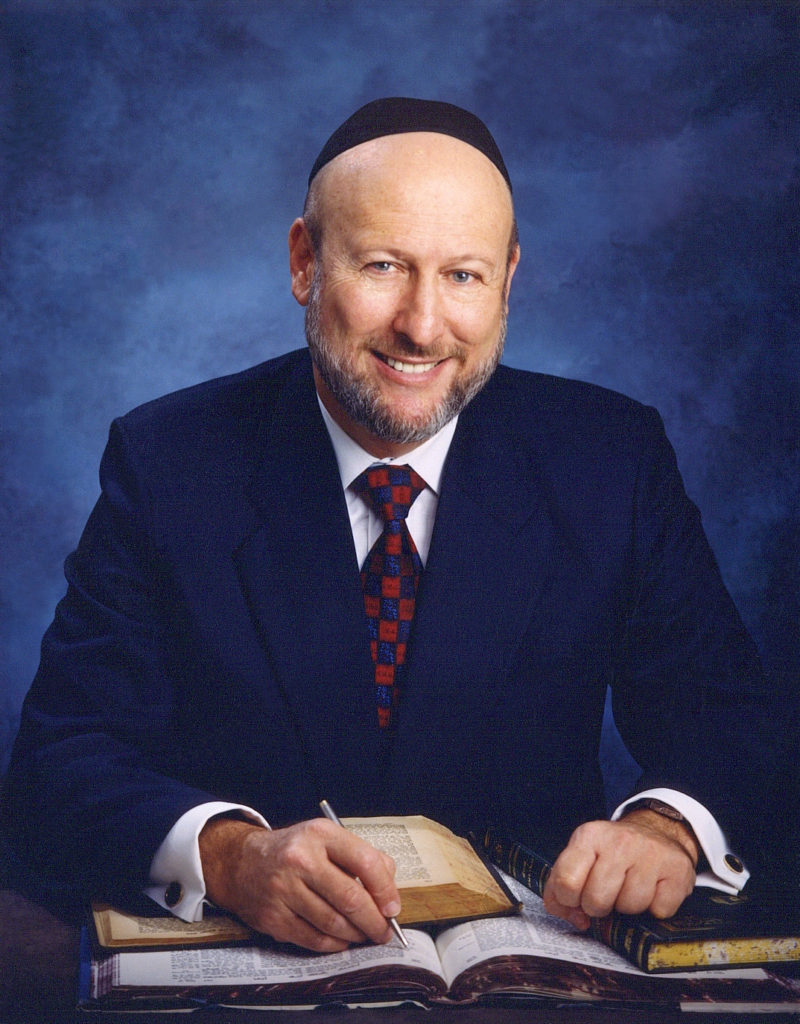
Daniel Lapin was born into a prestigious Torah family. He was a student of his father, Rabbi A.H. Lapin, who served the Jewish communities in Johannesburg and Cape Town, South Africa, eventually immigrating to America with his wife where they established the Am Echad synagogue in San Jose, CA.

In 2002, Rabbi Lapin wrote his bestselling book Thou Shall Prosper: The Ten Commandments for Making Money (John Wiley ). This book continues selling well in America (as does its sequel Business Secrets from the Bible) and has also been translated into Chinese and Korean, among other languages. In 2007, Rabbi Lapin, along with his wife, Susan, founded Lifecodex Publishing. They began producing audio CDs and writing books to make ancient Jewish wisdom accessible to people of all faiths. Lifecodex Publishing now has DVDs as well as publishing works by other authors that promote traditional learning and values.

Rabbi Lapin is a frequent speaker for hundreds of groups, institutions, organizations, and companies including Family Research Council, Harvard Law School, the United States Army, the 1996 Republican National Convention, Voices United for Israel, and Young President’s Organization. Rabbi Lapin was the keynote speaker at the Congressional Bi-Partisan opening of the 106th Congress in Washington, DC.

Rabbi Lapin hosts a weekly audio podcast which presents thousands of years of Jewish wisdom emanating from the Bible, in ways that impact and improve modern-day life.

https://media.blubrry.com/nyafinancialpodcast/content.blubrry.com/nyafinancialpodcast/NYAFP_Episode_186.mp3

Episode 184: Rewirement and Risks to Retiring in 2021 with Jamie Hopkins

March 12, 2021 by Not Your Average Financial Podcast

https://media.blubrry.com/nyafinancialpodcast/content.blubrry.com/nyafinancialpodcast/NYAFP_Episode_184.mp3

Podcast: Play in new window | Download

Subscribe: Apple Podcasts | RSS

In this episode, we ask:

  • Have you ever seen the show, American Ninja Warrior?
  • What about a finite amount of cash?
  • Who is Jamie Hopkins?
  • What are some of Jamie’s earliest experiences with money?
  • What about the risks of retirement?
  • What about Jamie’s new book, Rewirement?
  • What about longevity?
  • What about the unknown time horizon?
  • What about deflation?
  • What about public policy risk?
  • What about unexpected financial responsibility?
  • What about a parent’s long term care needs?
  • What if your career is shorter than your retirement?
  • What does Jamie see in his crystal ball?
  • What is the giant societal experiment?
  • What about the 401(k)s?
  • What about the standard of living adjustments?
  • What about cutting back?
  • What about reliance on certain systems?
  • What about the social security fund report?
  • How does this influence policy?
  • What about social security?
  • What percentage of retiree’s income typically comes from social security?
  • Will the funds be depleted?
  • What about Biden’s proposals?
  • What is our single biggest funding program?
  • When was the last time social security was updated?
  • What about the assumptions?
  • What has happened to interest rates in the last 40 years?
  • How does this change behavior?
  • What changes in the macroeconomic assumptions?
  • What about a tax proposal?
  • What about inflation?
  • How does living on a fixed income work?
  • What about the infrastructure and legal system in the U.S.?
  • What about protections?
  • What about strategies?
  • What about contract law?
  • Does Jamie sell products?
  • What about fixed indexed annuities?
  • What about creating lifetime income?
  • What about fixed income?
  • What about bond laddering?
  • What about life insurance?
  • What about forced or automatic savings?
  • What about a death benefit?
  • What about tax diversification?
  • Could laws change?
  • Where will public policy go?
  • How might one public policy change affect your strategy?
  • Are tax rates going up?
  • Have you read the Power of Zero?
  • Do you act in accordance with your beliefs?
  • What about diversifying risk?
  • What do most people believe today?
  • What happened between 2010 and 2020?
  • Where can you follow Jamie?
  • What do you want to accomplish?
  • What are the takeaways?

Jamie Hopkins, Esq., LLM, MBA, CFP®, RICP® is the managing director of Carson Coaching and the Director of Retirement Research for Carson Group. He is a finance professor of practice at Creighton University’s Heider College of Business and is the author of the book Rewirement: Rewiring The Way You Think About Retirement Planning. Jamie helped co-create the Retirement Income Certified Professional (RICP®) designation at The American College of Financial Services. He was named as a top 40 young attorney by the American Bar Association and a top 40 financial service professional under the age of 40 by InvestmentNews. In 2020, his work on retirement planning and the SECURE Act won an award from WealthManagement.com for being the best Thought Leadership Advisor Education in the industry. You can contact him at www.jamiehopkins.com or follow him on twitter @retirementRisks. 

https://media.blubrry.com/nyafinancialpodcast/content.blubrry.com/nyafinancialpodcast/NYAFP_Episode_184.mp3

Episode 181: Real Estate Tax Problems with Brett Swarts

February 19, 2021 by Not Your Average Financial Podcast

https://media.blubrry.com/nyafinancialpodcast/content.blubrry.com/nyafinancialpodcast/NYAFP_Episode_181.mp3

Podcast: Play in new window | Download

Subscribe: Apple Podcasts | RSS

In this episode, we ask:

  • What will you do with highly appreciated real estate?
  • Who has tax problems?
  • Is this just another 1031 exchange podcast?
  • Who is Brett Swarts?
  • What is a capital gains tax deferral strategy?
  • What is a deferred sales trust?
  • What about optimal timing?
  • What about capital gains tax on real estate?
  • Can one eliminate a 1031 exchange?
  • What about an example?
  • What about the transition of generational wealth?
  • How many baby boomers are turning 65 every day?
  • What about the factor of time in a 1031 exchange?
  • What is the problem?
  • Why are we selling high and buying higher?
  • What about real estate market corrections?
  • What is a DST (deferred sales trust)?
  • When does a 1031 exchange make sense?
  • What is a seller carry back?
  • What options open up?
  • What about the buyer cooperating with a brand new trust?
  • What’s the gain for the trust?
  • What about a deferral state?
  • What about funding?
  • What happens to the tax when selling to the trust?
  • What about receiving a $0 down payment?
  • What about spreading out the tax over time?
  • Where does the money need to live?
  • What about the terms on the promissory note?
  • What about deferral?
  • What about spreading the tax burden to the next generation?
  • What about assets inside the deferred sales trust?
  • What about paying the tax right away?
  • What about fees?
  • With whom does Brett work?
  • What about dissolving partnerships?
  • What about another example?
  • How long have the DSTs been around?
  • Where is the money going to live?
  • What about a brand new depreciation schedule?
  • Who understands the deferred sales trusts?
  • What would Brett leave for his family and friends?
  • What did Jim Rohn say?
  • Would you like to visit capitalgainstaxsolutions.com?
  • Would you like to book a meeting on Mark’s calendar?
  • Would you like to join the NEW! Not Your Average Financial Community?

The topics presented in this podcast are general information only and not for the purposes of providing legal, accounting or investment advice. On such matters, please consult a professional who knows your specific situation.

Brett Swarts is considered one of the most well-rounded Capital Gains Tax Deferral Experts and informative speakers on the west coast. His audiences are challenged to lean into multiple capital gains tax deferral strategies, create and develop a tax-deferred transformational exit wealth plan of their own, and execute on this plan so they can create and preserve more wealth.
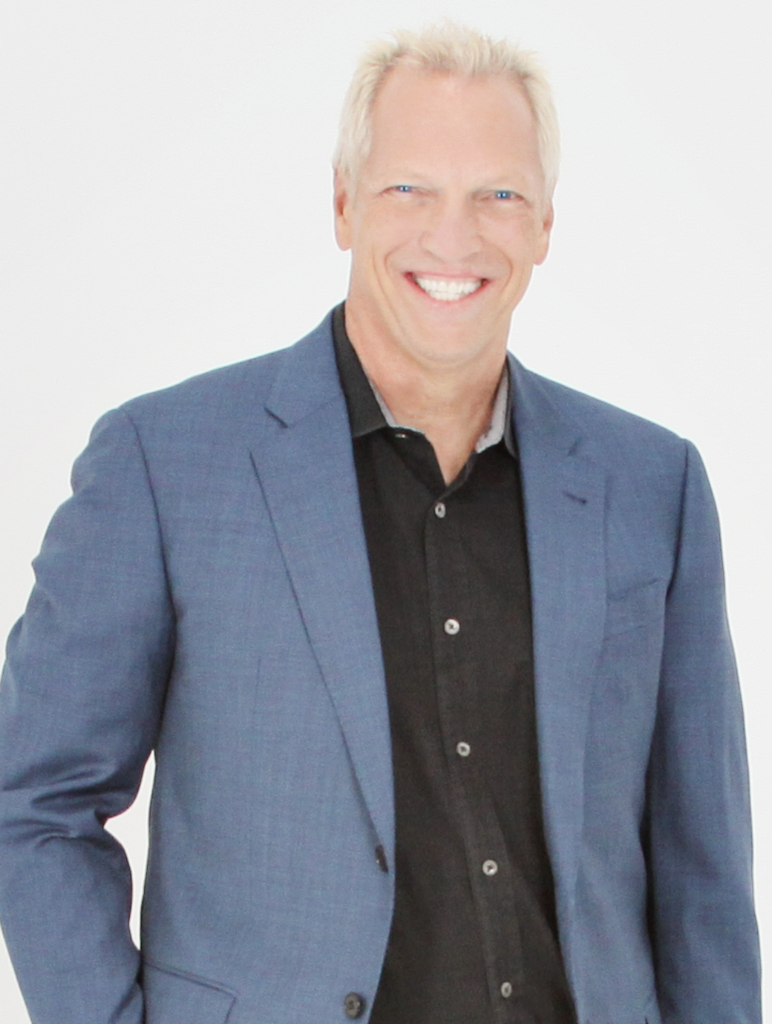
Brett is the Founder of Capital Gains Tax Solutions and host of the capital gains tax solutions podcast. Each year, he equips hundreds of business professionals with the Deferred Sales Trust tool to help their high net worth clients solve capital gains tax deferral limitations.

Brett lives in Roseville California, with his wife, Melanie and their 5 children.

https://media.blubrry.com/nyafinancialpodcast/content.blubrry.com/nyafinancialpodcast/NYAFP_Episode_181.mp3

Episode 178: Tax-Free Wealth with Tom Wheelwright

January 29, 2021 by Not Your Average Financial Podcast

https://media.blubrry.com/nyafinancialpodcast/content.blubrry.com/nyafinancialpodcast/NYAFP_Episode_178.mp3

Podcast: Play in new window | Download

Subscribe: Apple Podcasts | RSS

In this episode we ask:

  • Who is Tom Wheelwright?
  • Have you read his book, Tax Free Wealth?
  • Would you like to hear his podcast?
  • What was Tom’s childhood like?
  • Where did Tom first learn about money?
  • What was one of Tom’s first jobs?
  • What did Tom learn about rental property?
  • With whom does Tom work?
  • What does Tom’s CPA network look like?
  • What does Tom love about tax education?
  • How did Tom’s relationship start with Robert Kiyosaki?
  • Where do Tom and Robert travel together?
  • What about the tax law around the world?
  • How is the tax law a series of incentives?
  • What is Tom’s paradigm of taxes?
  • How long is the tax law in the U.S.?
  • Is all income taxable?
  • Is anything deductible?
  • What is the majority of the tax law?
  • What’s the history?
  • What about incentivizing the free market?
  • What about tax credits?
  • What about depreciation?
  • What about tax credits for sending your kid to college?
  • What about tax deductions for buying a house?
  • What do most countries have in common?
  • What’s fun about taxes?
  • How does one make more money when they follow the tax law?
  • What about electric cars?
  • Is the free market the best place to build infrastructure?
  • What about the cash flow quadrant?
  • What about tax incentives?
  • Have you read Cash Flow Quadrant by Robert Kiyosaki?
  • Are you an employee?
  • Are you self employed or a small business owner?
  • Are you a big business owner?
  • Are you an investor?
  • What about Trump paying $750 in taxes?
  • What about debt and real estate?
  • Do you have to be big to get the benefits of the big business?
  • Can an employee enjoy the tax benefits of an investor?
  • What about the Wall Street trap?
  • What about “retail” investments?
  • What about “wholesale” investments?
  • What about private equity?
  • Is this available to anyone outside of the 1%?
  • What about “factory-direct” investments?
  • What’s on the horizon for real estate?
  • What’s on the horizon for tax law?
  • Are taxes going down?
  • What’s likely to happen?
  • What about incentives toward clean energy?
  • Where is policy headed?
  • What was one of the best real estate deals ever?
  • Are you looking at cash flow?
  • What is the simple analysis of any deal?
  • What will happen to the size of government?
  • What opportunities come with government expansion?
  • What about the pandemic?
  • What about office space and other commercial real estate?
  • What is Tom doing differently in their office?
  • How many streams of tax-free income can Tom and Mark think up?
  • What about Roth IRAs?
  • What about HSAs?
  • What about depreciation on rental real estate?
  • What about a 1031 exchange?
  • What about reverse mortgages?
  • What about life insurance?
  • What about a business?
  • What is the only thing you can cash out of tax free?
  • How can you combine a business with real estate?
  • What about clean energy?
  • What about oil and gas?
  • What runs out? What wears out?
  • What about renewable energy?
  • Would you like to hear the Wealthability show?
  • Would you like to read Tom’s book, Tax-Free Wealth?
  • Would you like to visit wealthability.com?
  • Would you like to join the NEW Not Your Average Financial Community?

Tom Wheelwright is a CPA, CEO of WealthAbility®, Best-Selling Author of “Tax-Free Wealth”, Owner and Active CPA for Wheelwright Manahan, Speaker, and Host of 2 popular podcasts, including The WealthAbility® for CPAs Show. Wheelwright advises CPAs, accounting professionals, small business owners, entrepreneurs, and investors how to permanently and legally reduce their taxes by 10-40%. Previously, Wheelwright was a Manager in the National Tax Office of Ernst and Young, an Adjunct Professor in the Masters of Tax Program at Arizona State University for 14 years, and a Fortune 500 in-house tax advisor and tax lobbyist. 

https://media.blubrry.com/nyafinancialpodcast/content.blubrry.com/nyafinancialpodcast/NYAFP_Episode_178.mp3
Prev Page...
...Next Page

Sign Up to Receive Weekly Email Notifications

Not Your Average Financial Podcast
  Thank you for Signing Up
  Please correct the marked field(s) below
1,true,6,Contact Email,2
1,false,1,Last Name,2

Copyright © 2026 · Maron Pro Theme on Genesis Framework · WordPress · Log in