Not Your Average Financial Podcast™

Think different about your money, your economy and your future. Be curious. Be stable. Be sane.

Episode 114: The 8 Rules for Bank on Yourself® with Jim Conrad

November 8, 2019 by Not Your Average Financial Podcast

https://media.blubrry.com/nyafinancialpodcast/content.blubrry.com/nyafinancialpodcast/NYAFP_Episode_114.mp3

Podcast: Play in new window | Download

Subscribe: Apple Podcasts | RSS

In this episode, we ask:

  • Who is Jim Conrad?
  • Would you like a FREE copy of Pamela Yellen’s new book, Rescue Your Retirement?
  • Send us a screenshot of your new iTunes review to hello@nyafinancialpodcast.com, and we’ll send you a copy of the book!
  • What can you do with a dollar?
  • What are the 8 rules for Bank on Yourself® type Whole Life policy?
    • 1. A Bank on Yourself® type Whole Life policy gets better every year, and there is nothing you can do about it.
    • 2. There is no such thing as paying too much premium.
    • 3. Pay as much premium as you can, for as long as you can.
    • 4. Always use your own capital… did I say always?
    • 5. Never save up money in somebody else’s bank.
    • 6. Pay back your policy loans in a reasonable amount of time.
    • 7. Favor paying premium over paying back loans quickly.
    • 8. If you bank on yourself, you can forget about interest rates and rate of return.
  •  Have you heard Episode 6?
  • Does something becoming more efficient every year violate the laws of physics?
  • Do you know anything else that gets better every year?
  • Is there such a thing as paying as paying too much premium?
  • Would you like to watch Jim’s Dollar Diagram video?
  • How many policies does Jim own?
  • How can you make major purchases over and over again?
  • Why would you want to put money into a risk investment?
  • Why is this so powerful?
  • What is the math on PUA premium growth from age 21?
  • Should you do this if you’re younger?
  • How is Jim living proof that it works?
  • How long can you keep paying premium?
  • Why is paying premium a privilege?
  • Why wouldn’t you want to keep putting money into that money machine?
  • Isn’t the look of a curve beautiful?
  • If you have a money machine in your living room, and you put one dollar in and four dollars come out, how many dollars would you put in the money machine?
  • Why should I borrow against my own policy if I can get a lower interest rate a credit union?
  • What is the flaw in this thinking?
  • Can you enrich yourself and the bankers?
  • How might you enrich yourself?
  • Why would you like to build up the wealth of others, when you can build your own wealth?
  • Are you in the habit of keeping tens of thousands in the closet?
  • Do you own a properly structured Bank on Yourself® type Whole Life policy?
  • Why would you want to enrich those who profit from fractional reserve banking?
  • How might you pay back your policy loans in a reasonable period of time?
  • What is a reasonable period of time?
  • How does one determine what is reasonable?
  • Why do people pay off loans quickly?
  • Can you afford to buy that thing?
  • Are you “stealing the peas”? (As Nelson Nash would say…)
  • Can you favor paying premium over paying back loans quickly?
  • How much of your available cash flow should be used for paying back loans?
  • How much of your available cash flow should be used for premium?
  • Should you put your dollar into PUAs or toward a policy loan?
  • Should you always favor paying premium?
  • What happens when you’re no longer earning active income?
  • Should you pay off your loans before retirement?
  • How have we been trained?
  • How can you think differently than the way the rest of the world thinks?
  • What? Jim? Did I hear you right?
  • Shouldn’t you get the lowest interest rate you can get?
  • Where will your death benefit go?
  • What is the rate of return on guaranteed growth over unknown growth?
  • What about interest rates?
  • Are higher interest rates great?
  • How does the volume of interest go down over the growth of the loan?
  • What about dividends?
  • What has to happen for Jim to throw a party?
  • Would you like to watch Jim’s Dollar Diagram video?
  • Would you like to talk with Jim? Email him at jim@conradfinancial.us
  • What did you take away from today’s episode?

Jim Conrad, the President of Conrad Financial Services, resides with his wife, Deb, in Concord, North Carolina.  Jim started working for his clients in financial services 20 years ago, after a 25-year career in management with a Fortune Top 10 company.  He grew up in the Chicago suburbs, and he hold a B.S. in chemical engineering from Purdue University and an MBA from Lewis University.

Jim has been a Bank On Yourself Authorized Advisor for the past 13 years.  His passion is  helping people achieve financial peace of mind by owning a strategy they can count on for life.

https://media.blubrry.com/nyafinancialpodcast/content.blubrry.com/nyafinancialpodcast/NYAFP_Episode_114.mp3

Episode 112: Six Spooky Goblins In Your Money

October 25, 2019 by Not Your Average Financial Podcast

https://media.blubrry.com/nyafinancialpodcast/content.blubrry.com/nyafinancialpodcast/NYAFP_Episode_112.mp3

Podcast: Play in new window | Download

Subscribe: Apple Podcasts | RSS

In this episode, we ask:

  • Would you like a copy of Pamela Yellen’s latest book?
    Schedule a Meeting with us!
  • What special announcement does Holly have to share?
  • Would you like more treats and less tricks?
  • What is the first goblin?
  • What does $135K in retirement accounts lead to in income?
  • Can you live on $600 a month?
  • What is leaving your wallet?
  • What is your volume of saving?
  • How is rate of return different from volume of saving?
  • What if you saved 10%? What if you save 30%?
  • Have you heard Episode 106?
  • Have you heard Episode 48?
  • What is goblin number two?
  • What are the out of pocket medical costs?
  • Will you have health care costs coming up in retirement?
  • Do you have half a million dollars ready for medical expenses?
  • Are you between 45 and 65 years old?
  • How much do you have set aside for healthcare in retirement?
  • Who has 1.4 million saved for retirement?
  • For retirement, do you have an income bucket?
  • For retirement, do you have a healthcare bucket?
  • What is goblin number three?
  • How much will you owe the I.R.S.?
  • How much is THEIRS?
  • Do you owe taxes on tax-postponed (a.k.a. tax-deferred) accounts?
  • How much do imagine you will be able to take in income on these accounts?
  • Are you confident in your pre-tax income?
  • Does anyone know what your tax bracket will be in the future?
  • Has congress got around to voting on how much they will charge in taxes when you’re in retirement?
  • What is goblin number four?
  • What about Social Security benefits?
  • Will Social Security be part of your income?
  • Is your purchasing power shriveling up?
  • Do you depend on Social Security?
  • What is goblin number five?
  • What about equity mutual funds?
  • Who beats inflation?
  • Does the stock market do an average double-digit return?
  • Who knows what’s happening in the market?
  • Who’s beating inflation?
  • What’s happening now?
  • Who is behind the market?
  • How do reactionary impulses affect the market?
  • What about goblin number six?
  • Do you have a 50/50 chance of running out of money in retirement?
  • Do you follow the 4% withdrawal rule in retirement?
  • What does this mean?
  • How does this impact our financial lives?
  • What can we actually take away with this?
  • How might we fight back against our fears?
  • Will you prioritize your own capital?
  • When will you start saving?
  • Did you go trick or treat in packs or groups?
  • When did you last review your account fees?
  • Do you believe you know all of the fees?
  • What are your 401(k) fees?
  • Have you looked at the FINRA fund analyzer?
  • Would a single visit to the doctor ruin your financial life?
  • Would you like to call us at 1-800-962-9141?
  • Do you have a flashlight?
  • What kind of contracts can help you get through the end of the corn maze  of life?

https://media.blubrry.com/nyafinancialpodcast/content.blubrry.com/nyafinancialpodcast/NYAFP_Episode_112.mp3

Episode 108: [Toolbox] How the Sunk Cost Fallacy Messes with You

September 27, 2019 by Not Your Average Financial Podcast

https://media.blubrry.com/nyafinancialpodcast/content.blubrry.com/nyafinancialpodcast/NYAFP_Episode_108.mp3

Podcast: Play in new window | Download

Subscribe: Apple Podcasts | RSS

In this episode, we ask:

  • What is the sunk cost fallacy?
  • What is loss aversion?
  • What is the status quo?
  • Are you knee-deep in something?
  • What did Christopher Olivola say?
  • Do you ever sit through a movie you don’t like?
  • Do you ever finish a low quality book?
  • What did the Journal of Behavioral decision making say?
  • Have you ever risked your life to attend an event?
  • Have you done this in relationships?
  • Can you get your lost money back, by throwing more money at it?
  • Do you throw good money after bad?
  • Do you double down on loser stock?
  • How do you move on?
  • How does this work in investment portfolios?
  • Is it better to cut your losses or stick it out?
  • How long do you have to wait for recovery after a market drop?
  • Do 50% market drops ever happen?
  • How long are you willing to wait?
  • What about 10% drops in the market?
  • How long before you break even?
  • How do averages mess with your portfolio?
  • Have you had someone say “don’t look at your 401(k)”?
  • Where are you falling for the sunk cost fallacy?
  • Will taxes go up in the future?
  • Are you contributing to tax-postponed retirement accounts?
  • What would be a better environment for retirement savings?
  • What about surrender charges?
  • What about indexed universal life products?
  • Are you paying more costs?
  • Do you want to continue to pay the fees?
  • Are you working with a professional?
  • Are you working with a specialist?
  • Do you have a gut feeling that something is off with your current structure?
  • Can you see the expenses on a whole life policy before you sign up?
  • Have you heard Episode 36?
  • Are you sticking with the plan even though it no longer serves you?
  • What is the real problem?
  • What is the cost of inaction?
  • Have you heard Episode 99?
  • Can you see the logical fallacy?
  • Have you written a pro and con list?
  • Should you take action?
  • Have you gone through the fear setting exercise in Episode 99?
  • Do you set goals in advance?
  • What are SMARTER goals?
  • What costs are you willing and not willing to endure?
  • As a thought exercise, have you dropped in to your current life, as an outsider?
  • Can you avoid more loss?
  • Are your decisions rational?
  • Are your decisions emotional?
  • Where is the sunk cost fallacy showing up for you?

https://media.blubrry.com/nyafinancialpodcast/content.blubrry.com/nyafinancialpodcast/NYAFP_Episode_108.mp3

Episode 106: Adventures in Financial Planning with Tim Austin, Part 1

September 13, 2019 by Not Your Average Financial Podcast

https://media.blubrry.com/nyafinancialpodcast/content.blubrry.com/nyafinancialpodcast/NYAFP_Episode_106.mp3

Podcast: Play in new window | Download

Subscribe: Apple Podcasts | RSS

In this episode, we ask:

  • Who is Tim Austin?
  • When did Tim start learning about money?
  • When did Tim become a financial advisor?
  • What did Tim learn from his dad?
  • What did Tim learn from his grandmother?
  • What did Tim have to tell his grandmother?
  • What is the 10/10/10 rule?
  • What are orphan clients?
  • What did the orphan clients teach Tim about life insurance?
  • How did the orphan clients save money?
  • What are your liquid assets?
  • Are you living within your means?
  • What is financial independence?
  • How much are Americans saving today?
  • What is the difference between an asset and a liability?
  • What if someone can’t save 30% of their income?
  • What is the average debt ratio today?
  • What kind of debt?
  • What about an inventory?
  • Can you accept where you’re at?
  • Can you start making small, incremental improvements?
  • Where are all of the dollars going?
  • How many dollars are going to taxes?
  • How many dollars are going to debt?
  • Are you sacrificing your rate of return?
  • What will Tim share in next week’s Part 2 episode?
  • What are Mark and Holly’s takeaways?


Tim Austin is President and Founder of SET for Advisors, a leading training organization for financial advisors who want to help their clients grow wealth predictably and without taking unnecessary risk.


He is also the co-founder and director of the Bank On Yourself authorized advisor whole life insurance concept along with best-selling author Pamela Yellen who wrote the book Bank On Yourself: The Life-Changing Secret to Growing and Protecting Your Financial Future.

Bank On Yourself is a major best seller, hitting #1 on the USA Today and Amazon best-seller lists, and is also a New York Times, Wall Street Journal and Publishers Weekly #1 best seller.Tim makes his home in Clarkston, Michigan with his wife and three children.  Tim likes to test the limits of his physical ability and mental toughness participating in Half Iron Man Triathlons and marathons.

https://media.blubrry.com/nyafinancialpodcast/content.blubrry.com/nyafinancialpodcast/NYAFP_Episode_106.mp3

Episode 105: Your Family Is Your Greatest Asset, Part 2

September 6, 2019 by Not Your Average Financial Podcast

https://media.blubrry.com/nyafinancialpodcast/content.blubrry.com/nyafinancialpodcast/NYAFP_Episode_105.mp3

Podcast: Play in new window | Download

Subscribe: Apple Podcasts | RSS

In this episode, we ask:

  • Would you like to join us LIVE on Saturday, September 7, 2019 at 1PM-2PM Central Time? Register Now!
  • Do most Americans have savings?
  • Have you heard Episode 84?
  • What is the government going to do with the national debt?
  • What mostly interests most financial planners?
  • Where can you put money?
  • Do yo have to be stuck with fees?
  • What do you think about bank fees?
  • What about taxable accounts?
  • What products are designed to extract wealth from your pocket?
  • What is the common advice to most financial problems?
  • What did Einstein say?
  • What is the solution?
  • How can you change the approach?
  • How does one build a financial plan leading to poverty?
  • Are you passing on the same financial mindset to your kids?
  • Have you seen the video of the jar of fleas?
  • What’s a new mindset?
  • Where is the success in a certain financial product?
  • Do you need to invest in stocks, bonds and mutual funds?
  • Are you smart enough to manage your own financial future?
  • What are the four most dangerous word in your financial life?
  • Are you part of a loving family?
  • Are your parents still alive?
  • What if we worked together, with our families?
  • What if we worked with our aging parents?
  • What if siblings worked together?
  • What about paying for long term care insurance?
  • Does the 401(k) offer long term care insurance?
  • Do you have financial guarantees in place?
  • What is the family asset concept?
  • Would you like a book? Email us at hello@nyafinancialpodcast.com, ask for the book, and we will send you a copy.
  • What’s an example?
  • Are there investment fees on a whole life insurance policy?
  • Does market volatility affect a 401(k)?
  • What is life insurance designed for?
  • How much will a healthy couple need in retirement and for long term care?
  • What can the owner do with the cash value in a policy?
  • What restrictions are there?
  • What ways can you leverage your unique situation?
  • Would you like to see your own numbers? Book A Meeting
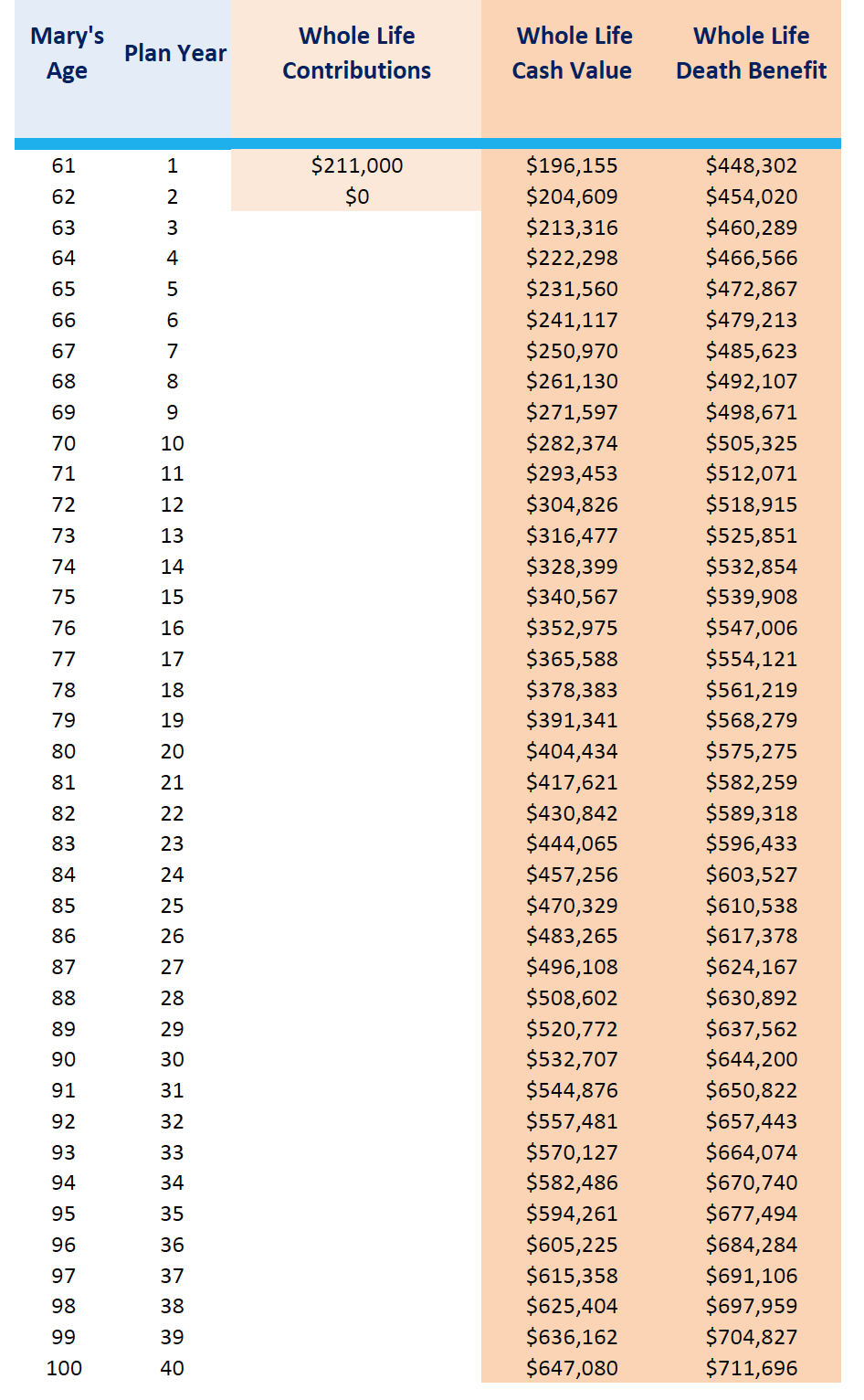
  • Example chart:


Join us LIVE on Saturday, September 7, 2019 at 1PM-2PM CT

Register Now!

https://media.blubrry.com/nyafinancialpodcast/content.blubrry.com/nyafinancialpodcast/NYAFP_Episode_105.mp3

Episode 98: Ryan Fleming – The College Funding Crisis is a Retirement Issue

July 19, 2019 by Not Your Average Financial Podcast

https://media.blubrry.com/nyafinancialpodcast/content.blubrry.com/nyafinancialpodcast/NYAFP_Episode_98.mp3

Podcast: Play in new window | Download

Subscribe: Apple Podcasts | RSS

In this episode, we ask:

  • How does college funding relate to retirement?
  • What’s Ryan’s story?
  • How much do we have in student debt?
  • What are the increases on tuition and fees?
  • Can paychecks keep up with the costs?
  • What happens if things don’t turn out as planned for a student?
  • Is college worth it?
  • What is a wealth transfer?
  • What does the average college graduate make?
  • How do traditional financial advisors advise parents who have kids going to college?
  • Does a 529 plan solve for the realities of college?
  • Are there more efficient ways to finance college?
  • What is the average balance of 529 plans for kids about to go to college?
  • What are the four big college funding mistakes we need to avoid?
  • Are you in a student loan trap?
  • Are you over borrowing?
  • Are you assuming that you won’t receive financial aid?
  • What does the FAFSA look like?
  • What counts against families?
  • What about selecting the wrong college or career path?
  • How is college funding like buying your first home?
  • How does Ryan’s work differ from typical advisors?
  • How does one pay for college without going broke?
  • How much does college actually cost?
  • How does a career coach help with college costs?
  • What about testing?
  • What about forms?
  • Since most people won’t get full rides, where will the dollars come from?
  • How do Bank on Yourself® type policies work with college funding?
  • How does college planning affect your standard of living in retirement?
  • How is college planning like golfing?
  • How is the Bank on Yourself® strategy like a putter of financial products?
  • How does Bank on Yourself® stand the test of time?
  • What are the extra benefits of Bank on Yourself® type policies for college planning?
  • How does one pay off student debt?
  • What does life insurance have to do with retirement?
  • How many policies does Ryan have?
  • Does Ryan own a 529 plan?
  • What’s the story of Ryan’s clients?
  • How can you use the deferral mechanism of student loans to your advantage?
  • Should you wait until high school to plan for college?
  • Would you like to speak with Ryan about your child’s upcoming foray into college?

Ryan Fleming is a college planning specialist in the Columbus, Ohio area, practicing for over 11 years. As a Certified Financial Fiduciary®, CFF Ryan takes pride in helping others plan for their financial futures by avoiding wealth transfers and conflicts of interest. Ryan specializes in helping parents of college college-bound students plan for one of the largest wealth transfers of their lives. He also consults individually with parents and students to help them improve their financial aid picture and pay for college on a tax-favored basis.

In addition to his college planning practice, Ryan also works with families who want to improve their long-term retirement picture and ensure proper distribution of their estate.

What sets Ryan apart is his client-centric and easy-to-understand approach. Ryan’s main goal for each of his clients is to help provide them with confidence and certainty in their financial future by helping them answer the 4 most important financial questions that we all must answer in order to properly plan for retirement.

Ryan Fleming, CFF®
Website: www.keystoneadvisors.com
Email: rfleming@keystonecollegeplan.com
Phone: (614) 300-9493

https://media.blubrry.com/nyafinancialpodcast/content.blubrry.com/nyafinancialpodcast/NYAFP_Episode_98.mp3

Episode 97: Retirement Roundup! 50% of Americans Are Making This Mistake…

July 12, 2019 by Not Your Average Financial Podcast

https://media.blubrry.com/nyafinancialpodcast/content.blubrry.com/nyafinancialpodcast/NYAFP_Episode_97.mp3

Podcast: Play in new window | Download

Subscribe: Apple Podcasts | RSS

In this episode, we ask:

  • What does this podcast mean to you? Let us know by leaving us a message and we may include it on our 100th episode! Have you visited speakpipe.com/nyafp?
  • Leave us your answer, in your own words, in an audio message? Please record yours before 5PM CT July 15!
  • What did the Barron’s article say?
  • What about the generational feedback?
  • How much more will each generation need to save annually?
  • Where is the disconnect?
  • How are the very best 401(k) plans performing?
  • Does the government have a solution for retirement?
  • What study came out of Northwestern Kellogg School of Management?
  • Is America ready for retirement through the 401(k)?
  • Are people actually living within their means?
  • Do Americans have enough for retirement?
  • What about DALBAR’s latest report?
  • Have most investors kept up with inflation over the last 20 years?
  • What is an adequate reward for taking on risk?
  • Based on the DALBAR report, what is the annual return over 20 years?
  • Where could you get a higher return?
  • Did the report include fees?
  • Did the report include inflation?
  • What what was the real return?
  • Could it have been worse?
  • What about taxes?
  • Who are the people behind DALBAR?
  • What is the Quantitative Investor Report?
  • What do most people invest in?
  • What did the DALBAR report say about the numbers reported in the annual prospectus?
  • What is the difference between average and real returns?
  • Where is the advertising off?
  • Why do investors believe that they’re making more than they actually are?
  • How does income volatility affect heart disease risk?
  • How does income volatility affect stroke risk?
  • How does income volatility affect the risk of death?
  • What is the medical phenomenon called the Wealth Shock?
  • What about the study from the American Medical Association?
  • How does health respond to a foreclosure?
  • How does health respond to a drop in the market?
  • What is the relationship between market declines and hospital admissions?
  • How much did the market fall in 2008?
  • How do Wealth Shocks work?
  • What about the Federal Reserve study?
  • When do you need money the most?
  • What can help you weather financial storms?
  • What can help you weather health storms?
  • Does where you put your money matter?
  • Can money choices affect the longevity of your life?
  • Will Wall Street continue on?
  • How many times do we have to hear this?
  • Are we the exception to the rule?
  • Is everyone in the market special?
  • Does independent research come out every year?
  • Can living in a perpetual state of stress be devastating?
  • Would you like to learn more through another episode, about Health and Wealth?
  • If you’ve already left a message for episode 100 on speak pipe, thank you! If you would like to leave us a message, please visit our SpeakPipe page, and leave us a message to show how this podcast has affected you!


https://media.blubrry.com/nyafinancialpodcast/content.blubrry.com/nyafinancialpodcast/NYAFP_Episode_97.mp3

Episode 92: [Great Problems] Can I Put A Lump Sum into a Policy? Part 1

June 7, 2019 by Not Your Average Financial Podcast

https://media.blubrry.com/nyafinancialpodcast/content.blubrry.com/nyafinancialpodcast/NYAFP_Episode_92.mp3

Podcast: Play in new window | Download

Subscribe: Apple Podcasts | RSS

In this episode, we ask:

  • What are the six major reasons why people put lump sumps into Bank on Yourself type policies?
  • What about paying off debt? What is the debt snow bank method?
  • What about finding a new place for your safe money to live?
  • What about an instant inheritance?
  • What about protecting from the expenses of long term care?
  • What about a capital fund for business opportunities?
  • What about a holding place for future expected lump sums?
  • What about funding a college education?
  • What about the policy loan feature?
  • What is a single premium policy?
  • Can you put a lump sum in and add a regular payment?
  • How can you consolidate debts or pay them off while still growing your money?
  • How can you boost your retirement income?
  • What are some of the benefits of moving debt from creditors to your own policy?
  • What if you could pay back loans on your schedule?
  • How about access to cash value?
  • Have you heard Episode 33?
  • Have you heard Episode 75?
  • How long does it take to pay off the debt?
  • How did Karen pay down her debt?
  • How can you reach out to Brandon?
  • How can you access the cash value?
  • What about tax dynamics?
  • Are you concerned about the volatility of the market?
  • What about receiving an inheritance?
  • What happened to a widow who put her inheritance in the market?
  • What about flexibility and control?
  • What about a tax free death benefit?
  • What about an instant inheritance that’s greater than what one can save alone?
  • What about planning for long term care needs?
  • Is it likely that we will need long term care?
  • What about the rate of return?
  • Are you planning to live a long time?
  • Are we living longer?
  • What are the costs of long term care?
  • What about home health aids, semi-private nursing room or private nursing rooms?
  • What is growing double the rate of inflation?
  • What about a surviving spouse?
  • What are the four ways to pay for long term?
  • Can you save cash for long term care in a private fund?
  • What is a traditional long term care policy?
  • Why are people no longer buying traditional long term care?
  • How much do traditional long term care policies cost each month?
  • What about single premium whole life policies with long term care benefits?
  • What are the benefits from a single premium policy that covers the long term care expenses (if you even need it)?
  • What happens if you have a terminal illness or need a life saving surgery?
  • What about the death benefit?
  • What about leaving a legacy?
  • Are you amazed?

https://media.blubrry.com/nyafinancialpodcast/content.blubrry.com/nyafinancialpodcast/NYAFP_Episode_92.mp3

Episode 91: [Great Problems] Giant Piles of Cash – Single Premium Solution

May 31, 2019 by Not Your Average Financial Podcast

https://media.blubrry.com/nyafinancialpodcast/content.blubrry.com/nyafinancialpodcast/NYAFP_Episode_91.mp3

Podcast: Play in new window | Download

Subscribe: Apple Podcasts | RSS

In this episode, we ask:

  • Can you say ca-ching?
  • What are the risks of a giant pile of cash?
  • What are the four key challenges facing all savers today?
  • What about the low interest rate environment?
  • Have you been successful in saving for retirement?
  • What is a required minimum distribution?
  • How do we pay for long term care expenses?
  • What is the average cost for nursing homes?
  • Does Medicare cover nursing care?
  • At what age does your financial plan end?
  • How old will you live?
  • What if you live past age 90? 100? 110?
  • Am I too old?
  • If you are age 60 to 85, how would your policy be affected?
  • How long do you have to wait?
  • Have you saved up your nest egg?
  • What do you do with a lump sum when you don’t want to wait years for growth?
  • What if you could do a one-time drop in?
  • What if you could have a death benefit with your lump sum?
  • What if your age could work to your advantage?
  • What is a Bank on Yourself type Single Premium solution?
  • What is a single premium?
  • How do single premium plans work?
  • What about health problems?
  • What about naming someone else as insured?
  • What if you own the policy?
  • How does the value grow as soon as starting a new policy?
  • How does the death benefit continue to grow?
  • What about the cash value?
  • What about long term care?
  • How long does the coverage last?
  • Can you use this benefit AT HOME or does it have to be in a skilled nursing facility?
  • Is this more cost effective than a traditional long term care policy?
  • What is the downside?
  • What happened in 1986?
  • What is the TAMRA act?
  • What are the tax changes?
  • What is the 7-pay test?
  • What is the MEC (modified endowment contract)?
  • What is FIFO?
  • What about the gains that exceed the basis?
  • What is considered taxable with MEC policies?
  • Why are all single premium products MECs?
  • What are the privileges of being age 60 or older?
  • When do the gains kick in?
  • Should we be afraid of MECs?
  • In what circumstances do MEC policies make sense?
  • In what circumstances do Single Premium policies make sense?
  • Did you review the case study below?

https://media.blubrry.com/nyafinancialpodcast/content.blubrry.com/nyafinancialpodcast/NYAFP_Episode_91.mp3

Episode 90: [Great Problems] Turning a Windfall or Lump Sum into Income for Life

May 24, 2019 by Not Your Average Financial Podcast

https://media.blubrry.com/nyafinancialpodcast/content.blubrry.com/nyafinancialpodcast/NYAFP_Episode_90.mp3

Podcast: Play in new window | Download

Subscribe: Apple Podcasts | RSS

In this episode, we ask:

  • Which would you prefer?
  • Do you like golf?
  • What financial products can you blend or couple together for amazing outcomes?
  • Where is your “hole in one”?
  • What is a Single Premium Immediate Annuity?
  • What is a strategy for leveraging lump sums?
  • Have you heard Episode 80?
  • Can you rollover money from a 401(k) into an IRA?
  • Can you house a SPIA in an IRA?
  • What’s a tax deferred rollover?
  • What are some great sources for income?
  • Do you want guaranteed income with lifetime payout options?
  • What maintenance is required with a SPIA?
  • Will you outlive your assets in retirement?
  • Would you like to hear an example?
  • What is single life income?
  • How often can you receive income?
  • What is the refund option?
  • What happens if you die?
  • What is joint and survivor income?
  • Do you have a big fat tax problem on a 401(k) or an IRA?
  • How do the choices of frequency affect the income?
  • What makes the income higher?
  • What about installment income?
  • What are the early withdrawal penalties on qualified plans?
  • What happens if the stock market dives?
  • What about a rollover?
  • What are the tax benefits of a rollover?
  • What would be a good timeline for systematically rolling over?
  • How can you get off the money rollercoaster?
  • Who is your caddie?

https://media.blubrry.com/nyafinancialpodcast/content.blubrry.com/nyafinancialpodcast/NYAFP_Episode_90.mp3
Prev Page...
...Next Page

Sign Up to Receive Weekly Email Notifications

Not Your Average Financial Podcast
  Thank you for Signing Up
  Please correct the marked field(s) below
1,true,6,Contact Email,2
1,false,1,Last Name,2

Copyright © 2026 · Maron Pro Theme on Genesis Framework · WordPress · Log in