Not Your Average Financial Podcast™

Think different about your money, your economy and your future. Be curious. Be stable. Be sane.

Episode 114: The 8 Rules for Bank on Yourself® with Jim Conrad

November 8, 2019 by Not Your Average Financial Podcast

https://media.blubrry.com/nyafinancialpodcast/content.blubrry.com/nyafinancialpodcast/NYAFP_Episode_114.mp3

Podcast: Play in new window | Download

Subscribe: Apple Podcasts | RSS

In this episode, we ask:

  • Who is Jim Conrad?
  • Would you like a FREE copy of Pamela Yellen’s new book, Rescue Your Retirement?
  • Send us a screenshot of your new iTunes review to hello@nyafinancialpodcast.com, and we’ll send you a copy of the book!
  • What can you do with a dollar?
  • What are the 8 rules for Bank on Yourself® type Whole Life policy?
    • 1. A Bank on Yourself® type Whole Life policy gets better every year, and there is nothing you can do about it.
    • 2. There is no such thing as paying too much premium.
    • 3. Pay as much premium as you can, for as long as you can.
    • 4. Always use your own capital… did I say always?
    • 5. Never save up money in somebody else’s bank.
    • 6. Pay back your policy loans in a reasonable amount of time.
    • 7. Favor paying premium over paying back loans quickly.
    • 8. If you bank on yourself, you can forget about interest rates and rate of return.
  •  Have you heard Episode 6?
  • Does something becoming more efficient every year violate the laws of physics?
  • Do you know anything else that gets better every year?
  • Is there such a thing as paying as paying too much premium?
  • Would you like to watch Jim’s Dollar Diagram video?
  • How many policies does Jim own?
  • How can you make major purchases over and over again?
  • Why would you want to put money into a risk investment?
  • Why is this so powerful?
  • What is the math on PUA premium growth from age 21?
  • Should you do this if you’re younger?
  • How is Jim living proof that it works?
  • How long can you keep paying premium?
  • Why is paying premium a privilege?
  • Why wouldn’t you want to keep putting money into that money machine?
  • Isn’t the look of a curve beautiful?
  • If you have a money machine in your living room, and you put one dollar in and four dollars come out, how many dollars would you put in the money machine?
  • Why should I borrow against my own policy if I can get a lower interest rate a credit union?
  • What is the flaw in this thinking?
  • Can you enrich yourself and the bankers?
  • How might you enrich yourself?
  • Why would you like to build up the wealth of others, when you can build your own wealth?
  • Are you in the habit of keeping tens of thousands in the closet?
  • Do you own a properly structured Bank on Yourself® type Whole Life policy?
  • Why would you want to enrich those who profit from fractional reserve banking?
  • How might you pay back your policy loans in a reasonable period of time?
  • What is a reasonable period of time?
  • How does one determine what is reasonable?
  • Why do people pay off loans quickly?
  • Can you afford to buy that thing?
  • Are you “stealing the peas”? (As Nelson Nash would say…)
  • Can you favor paying premium over paying back loans quickly?
  • How much of your available cash flow should be used for paying back loans?
  • How much of your available cash flow should be used for premium?
  • Should you put your dollar into PUAs or toward a policy loan?
  • Should you always favor paying premium?
  • What happens when you’re no longer earning active income?
  • Should you pay off your loans before retirement?
  • How have we been trained?
  • How can you think differently than the way the rest of the world thinks?
  • What? Jim? Did I hear you right?
  • Shouldn’t you get the lowest interest rate you can get?
  • Where will your death benefit go?
  • What is the rate of return on guaranteed growth over unknown growth?
  • What about interest rates?
  • Are higher interest rates great?
  • How does the volume of interest go down over the growth of the loan?
  • What about dividends?
  • What has to happen for Jim to throw a party?
  • Would you like to watch Jim’s Dollar Diagram video?
  • Would you like to talk with Jim? Email him at jim@conradfinancial.us
  • What did you take away from today’s episode?

Jim Conrad, the President of Conrad Financial Services, resides with his wife, Deb, in Concord, North Carolina.  Jim started working for his clients in financial services 20 years ago, after a 25-year career in management with a Fortune Top 10 company.  He grew up in the Chicago suburbs, and he hold a B.S. in chemical engineering from Purdue University and an MBA from Lewis University.

Jim has been a Bank On Yourself Authorized Advisor for the past 13 years.  His passion is  helping people achieve financial peace of mind by owning a strategy they can count on for life.

https://media.blubrry.com/nyafinancialpodcast/content.blubrry.com/nyafinancialpodcast/NYAFP_Episode_114.mp3

Episode 111: Should I Do a Bank On Yourself® type Whole Life Insurance Policy or a Roth IRA?

October 18, 2019 by Not Your Average Financial Podcast

https://media.blubrry.com/nyafinancialpodcast/content.blubrry.com/nyafinancialpodcast/NYAFP_Episode_111.mp3

Podcast: Play in new window | Download

Subscribe: Apple Podcasts | RSS

In this episode, we ask:

  • What has Amanda learned as a sample of one?
  • Who are Brandon and Amanda Neely?
  • What is Mark’s relationship with Brandon and Amanda?
  • If we did something different, what would the results be?
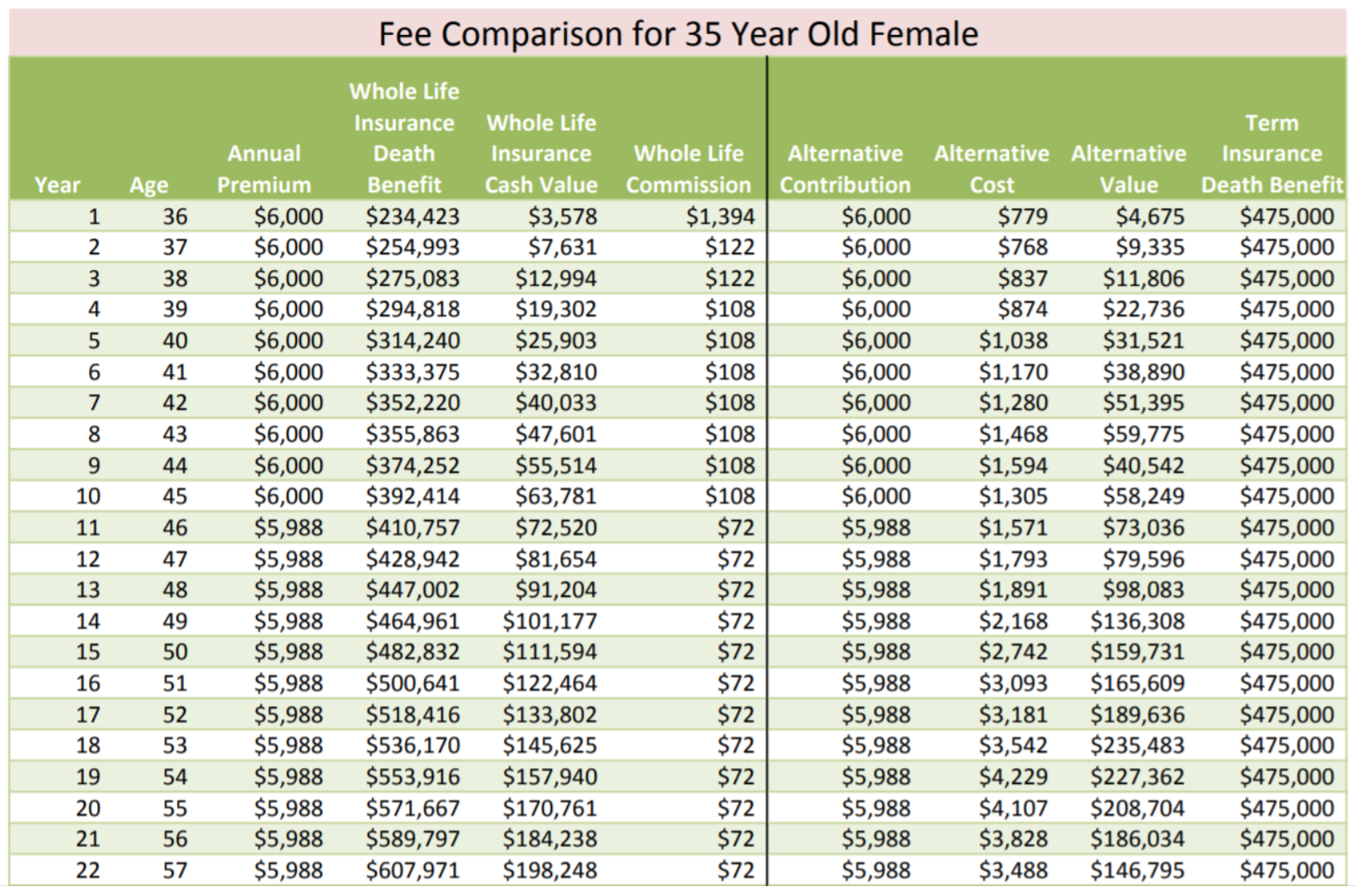
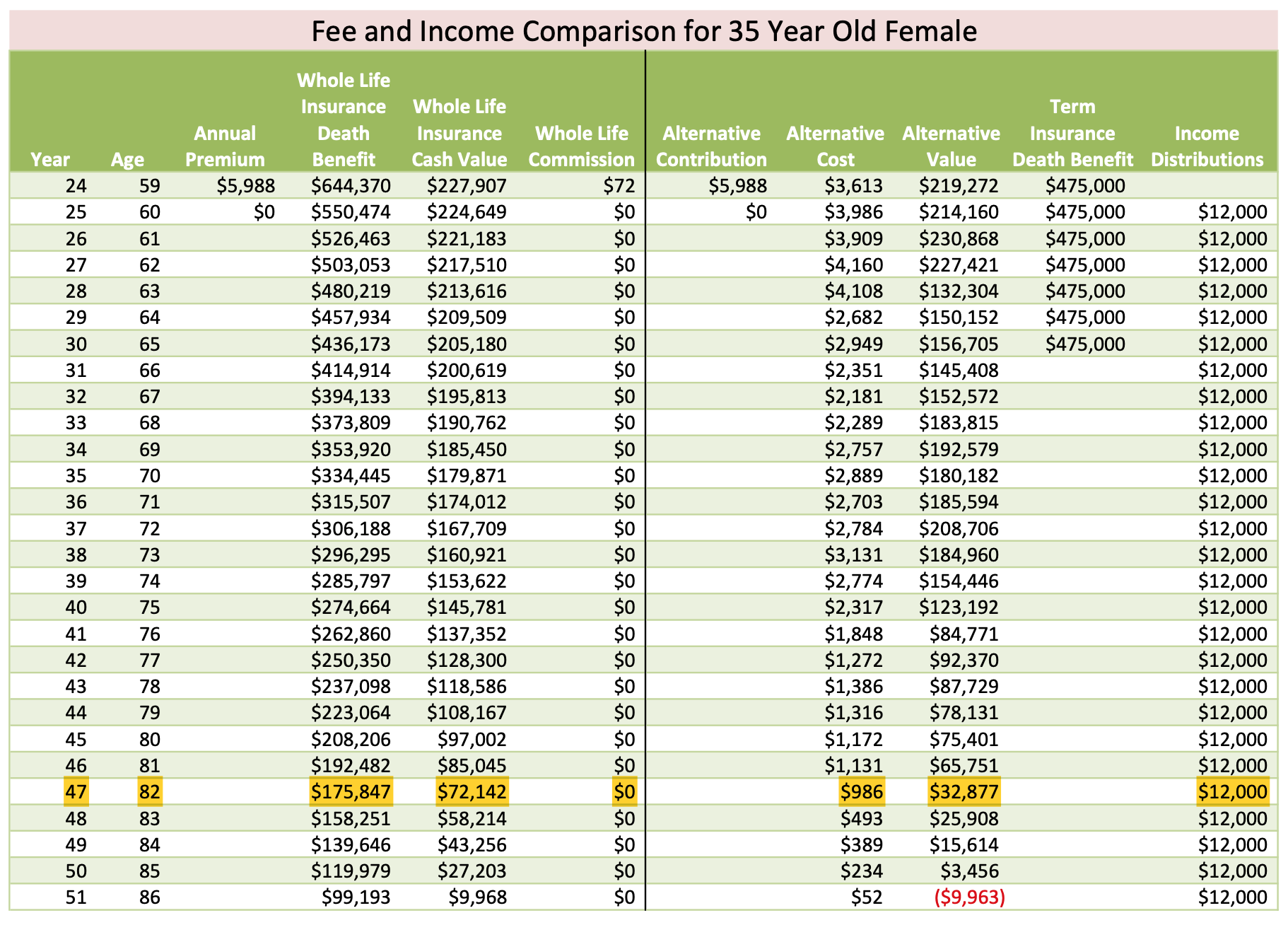
  • Would you like to follow along with the numbers? (See tables below)
  • Would you like to watch this in video?
  • What are Amanda’s numbers?
  • Are agent commissions too high?
  • What would the assets under management fee be?
  • What would the term insurance commission be?
  • What happened in 2008?
  • How much more would the investment advisor make?
  • Why is there a Wolf of Wall Street but no “wolf of insurance”?
  • What happens if you need or want your money prior to age 59.5?
  • What would your heirs receive when you pass?
  • What taxes would your heirs pay?
  • What are the tax considerations when you start using the money?
  • What happens if you get cancer or some other chronic or terminal illness?
  • What happens if you get sued?
  • What happens if you die too young?
  • What happens if you die too old?
  • What happens if the stock market goes down when you’re 36? How about when you’re 60?
  • Which side has guarantees?
  • Is the amount going in each year flexible?
  • What if you wanted to put in more? Or less?
  • What are the tax consequences now?
  • What are the tax considerations before you’re 59.5?
  • How many life insurance policies does the Neely family own?
  • How does the Neely family use their policies?
  • How can you use these specific policies to more effectively pay taxes?
  • Have you seen the webinar on Episode 84 The Past, Present and Future of Paying Your Taxes?
  • Have you heard Episode 87, How to Get Wealthy While Paying Your Taxes?
  • What income could this 35 yo female expect?
  • What is the life expectancy?
  • What is the difference between the term / Roth IRA and the Life Insurance policy?
  • How much does the fee on the Roth IRA become?
  • What about an older person’s strategy?
  • Have you heard Episode 91, Great Problems, Giant Piles of Cash?
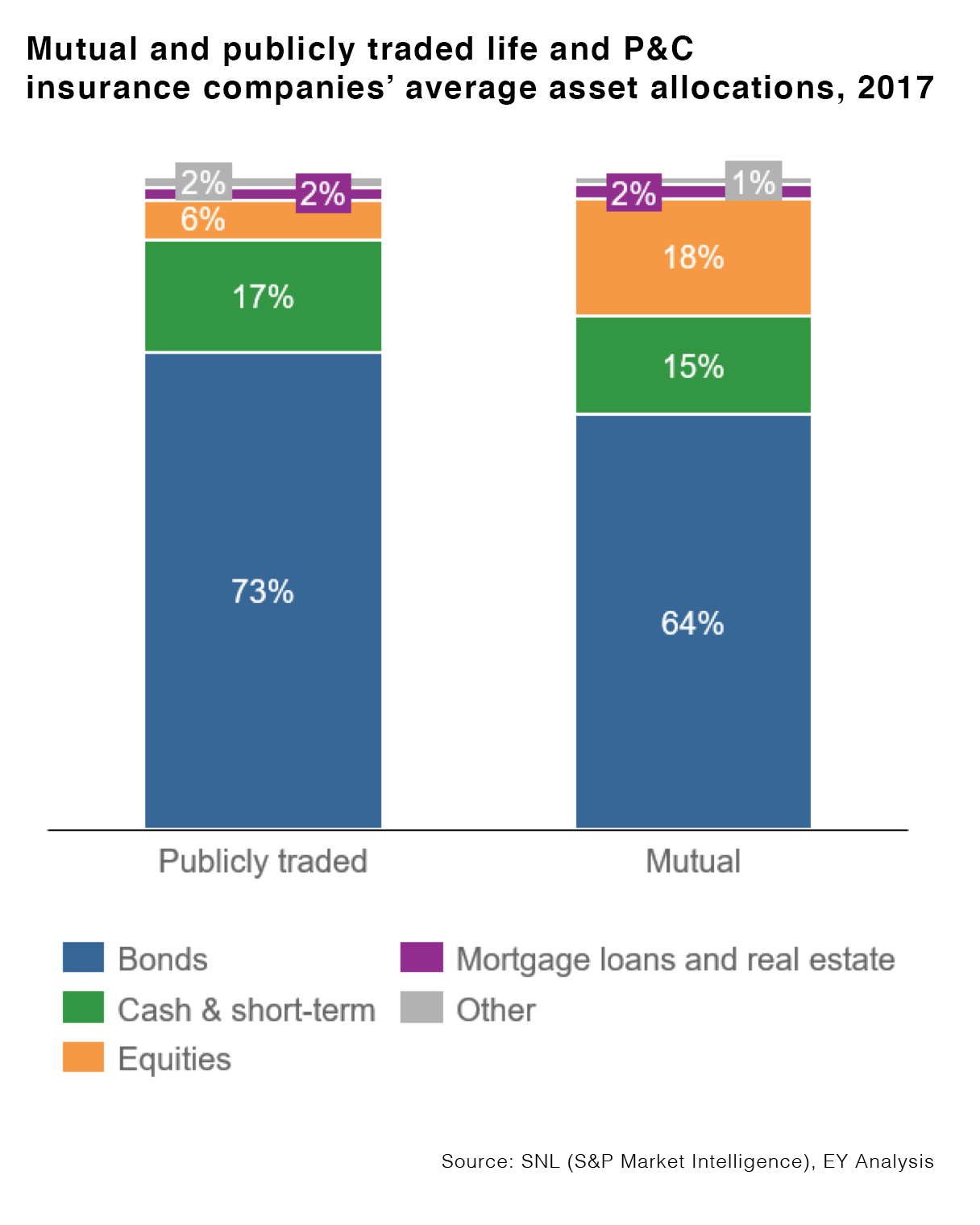
  • How are mutual life insurance companies dealing with the low interest rate environment?
  • How do policy loans at 5% interest affect the insurance company’s performance?
  • When is the increase always greater than cost?
  • Would you like Brandon or Amanda to run this comparison for you with your numbers
  • Schedule a Comparison conversation with Brandon or Amanda


https://media.blubrry.com/nyafinancialpodcast/content.blubrry.com/nyafinancialpodcast/NYAFP_Episode_111.mp3

Episode 110: [Mythbusters] Wait! Did I Just Pay For This Twice?

October 11, 2019 by Not Your Average Financial Podcast

https://media.blubrry.com/nyafinancialpodcast/content.blubrry.com/nyafinancialpodcast/NYAFP_Episode_110.mp3

Podcast: Play in new window | Download

Subscribe: Apple Podcasts | RSS

In this episode, we ask:

  • Would you like to leave us a review?
  • Do you experience panic moments?
  • Have you ever felt panic around a policy loan?
  • Have you heard Episode 34?
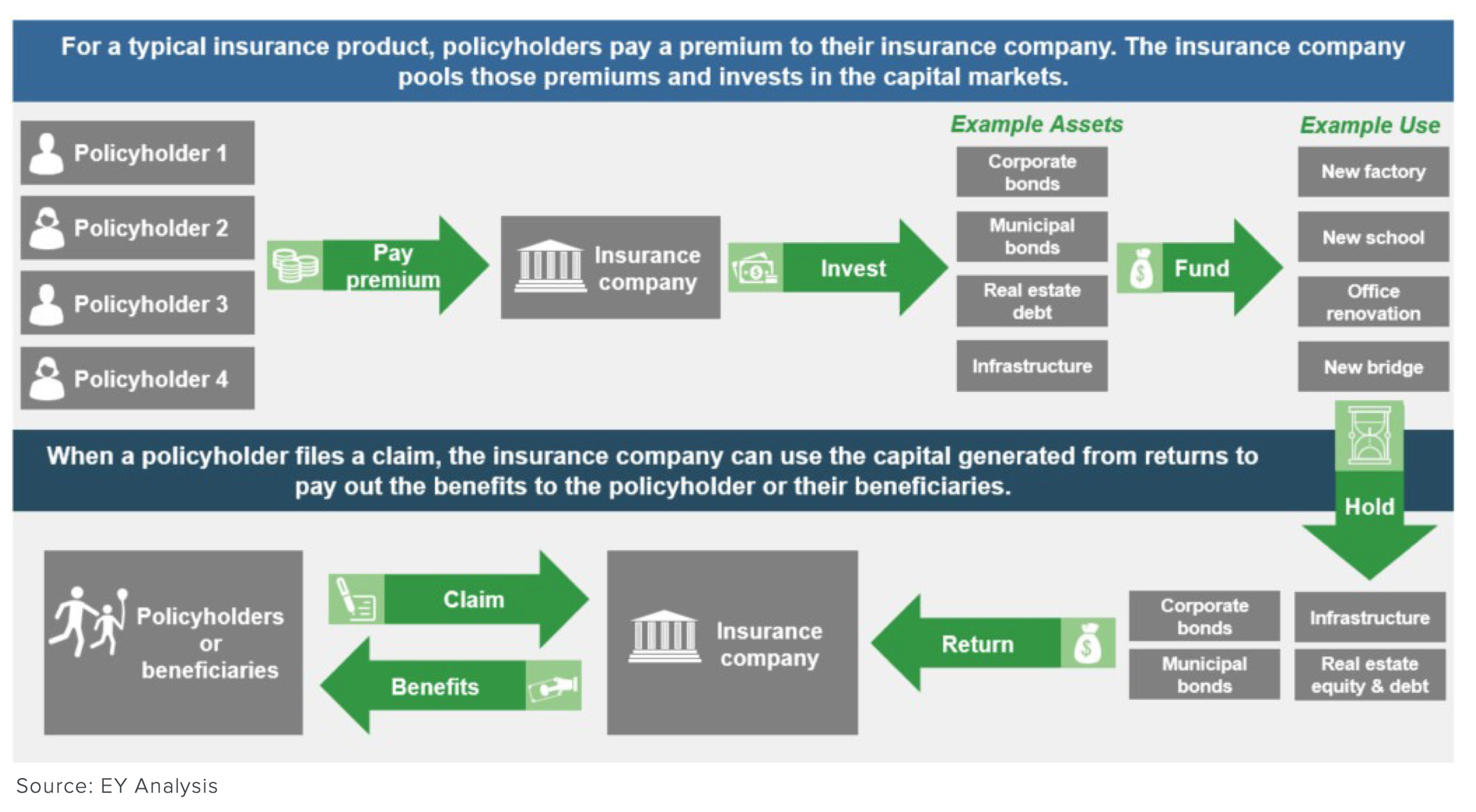
  • How exactly does a policy work?
  • Would you like to discuss this with us?
  • What happens when you take the first loan out?
  • What about buying a new car with a policy loan?
  • Do you ever ask, “Did I just make a terrible mistake?”
  • Didn’t I pay for the car twice?
  • Is taking a policy loan better than paying cash?
  • Is the loan payment on top of premium?
  • Doesn’t it feel like you’re buying the car all over again?
  • Are you the banker and the borrower at the same time?
  • Why do bankers add capital to a bank?
  • Who comes in the front door of a bank?
  • Why do bankers love it when borrowers pay back loans?
  • Are banks looking for capital?
  • Are you setting up an actual bank?
  • How might you recapture the banking function?
  • What is a reasonable period of time?
  • What is the big idea?
  • What might you use as collateral?
  • What have you been saving for?
  • How does a Home Equity Line of Credit (HELOC) work?
  • How do people use HELOCs to finance education (or other life purchase)?
  • What are the problems with using a HELOC?
  • What are the benefits with a Bank on Yourself type policy?
  • What are the problems with 401(k) loans?
  • What are the benefits with a Bank on Yourself type policy?
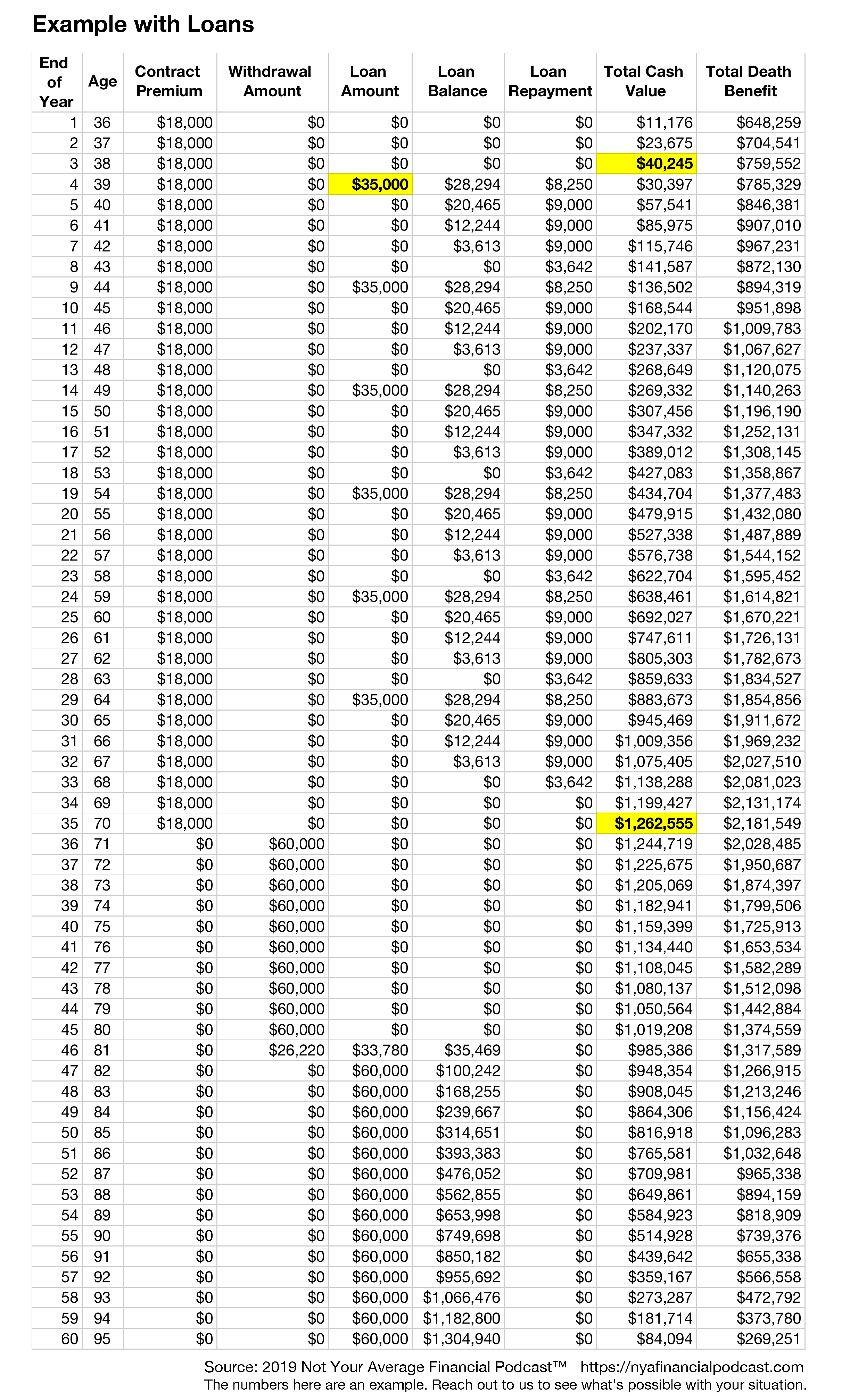
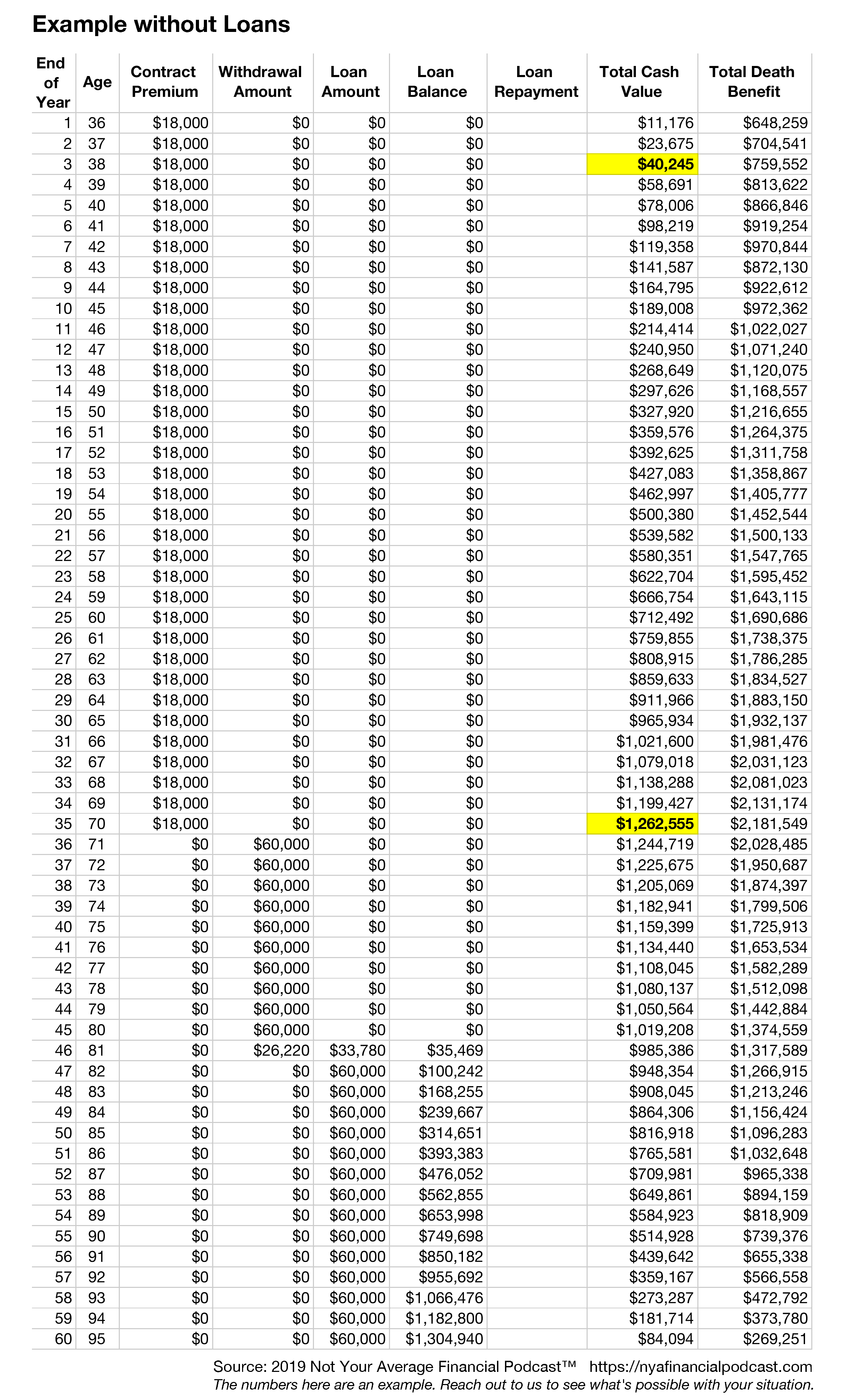
  • What does this look like in an example with real numbers?
  • When you take a policy loan, where does it come from?
  • How does the policy continue to grow, even with policy loans?
  • What is a non-direct recognition loan feature?
  • Have you heard Episode 83?
  • Which companies offer non-direct recognition?
  • Does the insurance company charge you interest on a whole life insurance loan?
  • Are you able to skip a payment on a life insurance loan repayment?
  • Is the loan interest simple or compound interest?
  • Could the policy lapse if you take a very large policy loan?
  • How can you manage the policy in a healthy way?
  • What happens when you take money from a savings account?
  • Is there an opportunity cost with a policy loan?
  • When do you have to pay the policy loan off?
  • Do you interrupt the growth of your money when you borrow it?
  • Am I saving enough to have the money to make the purchase I want?
  • How will I make the purchase? Will I pay cash? Will I go into debt? Will I take a policy loan?
  • Have you heard Episode 54 yet?
  • Have you heard Episode 71 yet?
  • Isn’t this twice as nice?


https://media.blubrry.com/nyafinancialpodcast/content.blubrry.com/nyafinancialpodcast/NYAFP_Episode_110.mp3

Episode 109: How to Become Your Business’ Line of Credit (and Beat your Competition) with Scott Plamondon

October 4, 2019 by Not Your Average Financial Podcast

https://media.blubrry.com/nyafinancialpodcast/content.blubrry.com/nyafinancialpodcast/NYAFP_Episode_109.mp3

Podcast: Play in new window | Download

Subscribe: Apple Podcasts | RSS

In this episode, we ask:

  • Has your crystal ball come in the mail yet?
  • Do you have a line of credit?
  • Do you have a business collateralized loan?
  • Who is Scott Plamondon?
  • Have you heard the Grandma’s Wealth Wisdom podcast with Brandon and Amanda Neely?
  • When did Scott join the Air Force?
  • When did Scott start as an accountant?
  • When did Scott move to California?
  • Are most business loans rejected?
  • Why do so many businesses fail?
  • How did Scott start working with business owners?
  • What is the client’s story with the line of credit?
  • What’s Brandon and Amanda’s story?
  • How does this client use a Bank on Yourself type whole life insurance policy to create a line of credit for the business?
  • How did Brandon and Amanda use their Bank on Yourself type policy to deal with a flood at their business?
  • How did Brandon and Amanda use their Bank on Yourself type policy to sell their business?
  • What did Scott’s client want?
  • What was the result?
  • How are policy loans more graceful than bank lines of credit?
  • What about when business isn’t great?
  • What about when business is thriving?
  • How does this strategy affect retirement?
  • Who will be the most resilient when the economy turns?
  • How could this client interact with his competitors?
  • Can this client take a break from repaying the loan if his business hits a rough patch?
  • How much control do you have?
  • What is the spiraling cycle?
  • What is a daily interest loan?
  • What about paying excess interest?
  • Why do business owners love to reinvest in their own business?
  • Did Scott get any pushback from other CPAs or accountants?
  • What opportunities have Scott’s clients been able to take up?
  • What’s bigger than a rate of return?
  • What other things should be factored in?
  • How might you take advantage of opportunities?
  • What opportunities emerge from downturns?
  • Are you already in the banking business?
  • Which side of the banker’s table are you sitting on?
  • Who is Nelson Nash? Have you heard Episode 95 and Episode 96?
  • What is the average age of an entrepreneur?
  • What if you never had to depend on banks?
  • What if you do decide you want to start your own business in the future?
  • How can you work with Scott Plamondon?
  • Do you know someone who has been burned by the banks?
  • What percentage of businesses have their loan requests rejected?
  • How many receive a loan?
  • What can the bank do?
  • What happens when a bank calls the loan?
  • Is it about the internal rate of return?
  • Does opportunity seek out those who have liquidity?

For over 28 years Scott Plamondon has been successfully helping people plan for retirement. He uses his accounting and investment background combined with a deep understanding of his client’s financial needs, to offer the best possible strategies.

Scott earned a Bachelor of Science degree in Business Administration from New Hampshire College. He is a Chartered Life Underwriter (CLU) and he has a Personal Financial Planning Certificate (PFP) from the University of California, Irvine. He is fully licensed in life and disability insurance, and annuities.

Scott served in the US Air Force from 1984 to 1987. He is married with two daughters and resides in Mission Viejo, California where he is an active member of the community.


https://media.blubrry.com/nyafinancialpodcast/content.blubrry.com/nyafinancialpodcast/NYAFP_Episode_109.mp3

Episode 107: Adventures in Financial Planning with Tim Austin, Part 2

September 20, 2019 by Not Your Average Financial Podcast

https://media.blubrry.com/nyafinancialpodcast/content.blubrry.com/nyafinancialpodcast/NYAFP_Episode_107.mp3

Podcast: Play in new window | Download

Subscribe: Apple Podcasts | RSS

In this episode, we ask:

  • What are the four categories?
  • Have you taken an inventory of your life?
  • What are the potential places to improve?
  • Are you taking advantage of all opportunities in tax savings?
  • What can you do to control your cash flow on a monthly basis toward how you’re paying off debt?
  • Can you consolidate debt?
  • How can you shift that to savings?
  • What can we do to create financial independence in our lifestyle?
  • Are you inappropriately putting too much money in risk assets that aren’t really serving you well?
  • What are the steps?
  • How might you take inventory of your current allocations?
  • How might you accept where you are?
  • How might you take small baby steps?
  • What does one percent daily improvement do over the course of a year?
  • Does saving in a whole life insurance products mean sacrificing returns?
  • What does the word risk mean?
  • What do markets do?
  • Are we in a boom right now?
  • When was the last bust?
  • Do you invest when the market is low?
  • What happened in 2005?
  • Why do we buy high?
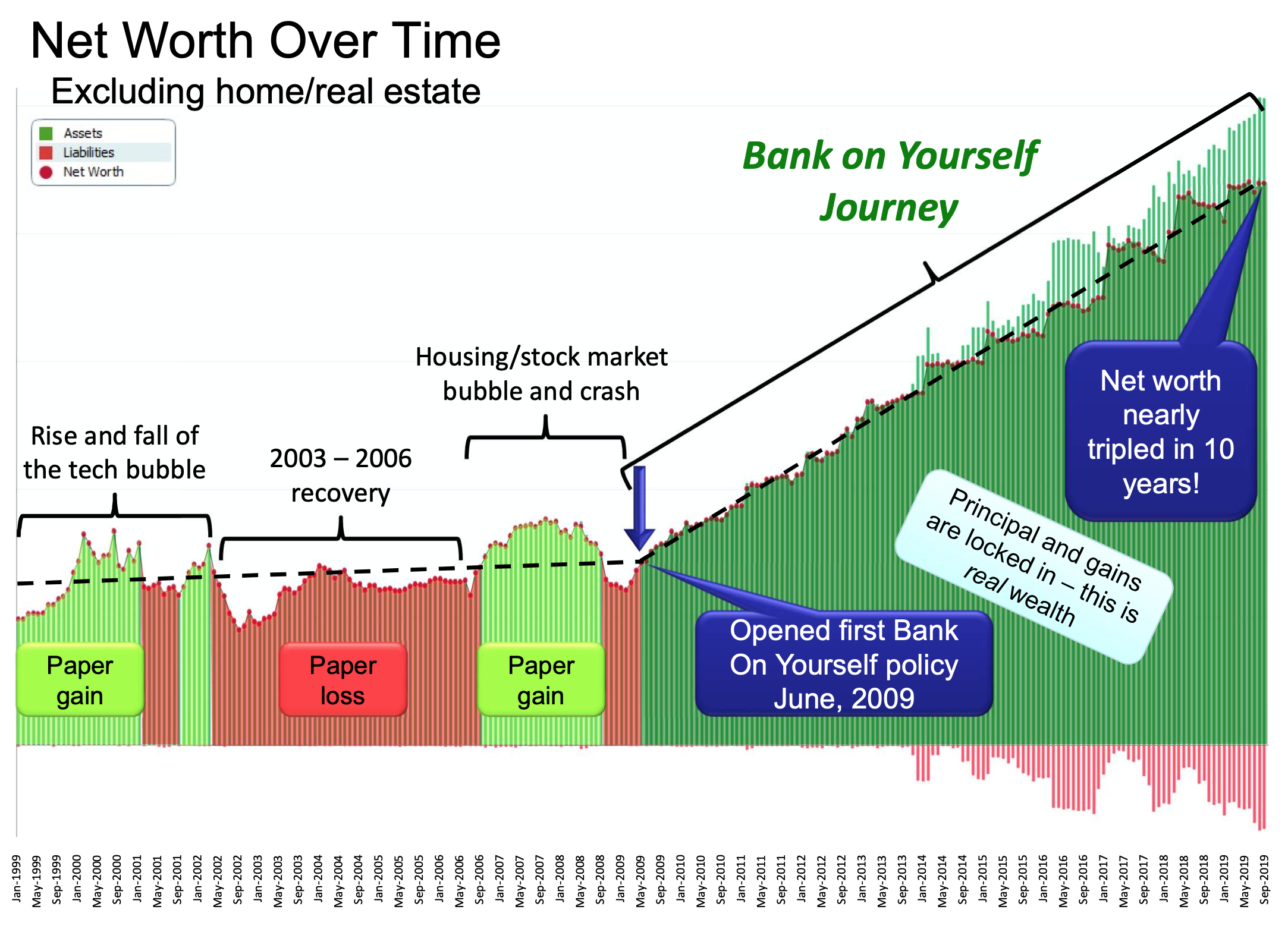
  • How has Tim’s net worth reached a new high every single day?
  • What did Tim do with his brother?
  • What is a buy-sell policy?
  • What did Tim do in 2019?
  • What advantages does Tim have?
  • When did speculation start to take hold in our culture?
  • What were the rich people doing in the 60s?
  • Do you have a realistic expectation of the 401(k)?
  • Will the market do the 12% every year?
  • Is your home your best asset?
  • Is your home paid off?
  • Do we need to live in bigger homes?
  • Should we buy lattes four times a week?
  • Why does Tim pay a trainer four times a week?
  • Who can help you?


Tim Austin is President and Founder of SET for Advisors, a leading training organization for financial advisors who want to help their clients grow wealth predictably and without taking unnecessary risk.

He is also the co-founder and director of the Bank On Yourself authorized advisor whole life insurance concept along with best-selling author Pamela Yellen who wrote the book Bank On Yourself: The Life-Changing Secret to Growing and Protecting Your Financial Future.

Bank On Yourself is a major best seller, hitting #1 on the USA Today and Amazon best-seller lists, and is also a New York Times, Wall Street Journal and Publishers Weekly #1 best seller.Tim makes his home in Clarkston, Michigan with his wife and three children.  Tim likes to test the limits of his physical ability and mental toughness participating in Half Iron Man Triathlons and marathons.

https://media.blubrry.com/nyafinancialpodcast/content.blubrry.com/nyafinancialpodcast/NYAFP_Episode_107.mp3

Episode 106: Adventures in Financial Planning with Tim Austin, Part 1

September 13, 2019 by Not Your Average Financial Podcast

https://media.blubrry.com/nyafinancialpodcast/content.blubrry.com/nyafinancialpodcast/NYAFP_Episode_106.mp3

Podcast: Play in new window | Download

Subscribe: Apple Podcasts | RSS

In this episode, we ask:

  • Who is Tim Austin?
  • When did Tim start learning about money?
  • When did Tim become a financial advisor?
  • What did Tim learn from his dad?
  • What did Tim learn from his grandmother?
  • What did Tim have to tell his grandmother?
  • What is the 10/10/10 rule?
  • What are orphan clients?
  • What did the orphan clients teach Tim about life insurance?
  • How did the orphan clients save money?
  • What are your liquid assets?
  • Are you living within your means?
  • What is financial independence?
  • How much are Americans saving today?
  • What is the difference between an asset and a liability?
  • What if someone can’t save 30% of their income?
  • What is the average debt ratio today?
  • What kind of debt?
  • What about an inventory?
  • Can you accept where you’re at?
  • Can you start making small, incremental improvements?
  • Where are all of the dollars going?
  • How many dollars are going to taxes?
  • How many dollars are going to debt?
  • Are you sacrificing your rate of return?
  • What will Tim share in next week’s Part 2 episode?
  • What are Mark and Holly’s takeaways?


Tim Austin is President and Founder of SET for Advisors, a leading training organization for financial advisors who want to help their clients grow wealth predictably and without taking unnecessary risk.

He is also the co-founder and director of the Bank On Yourself authorized advisor whole life insurance concept along with best-selling author Pamela Yellen who wrote the book Bank On Yourself: The Life-Changing Secret to Growing and Protecting Your Financial Future.

Bank On Yourself is a major best seller, hitting #1 on the USA Today and Amazon best-seller lists, and is also a New York Times, Wall Street Journal and Publishers Weekly #1 best seller.Tim makes his home in Clarkston, Michigan with his wife and three children.  Tim likes to test the limits of his physical ability and mental toughness participating in Half Iron Man Triathlons and marathons.

https://media.blubrry.com/nyafinancialpodcast/content.blubrry.com/nyafinancialpodcast/NYAFP_Episode_106.mp3

Episode 99: Why You Should Define Your Fears Instead of Your Goals

July 26, 2019 by Not Your Average Financial Podcast

https://media.blubrry.com/nyafinancialpodcast/content.blubrry.com/nyafinancialpodcast/NYAFP_Episode_99.mp3

Podcast: Play in new window | Download

Subscribe: Apple Podcasts | RSS

In this episode, we ask:

  • Have you heard of fear setting (instead of goal setting)?
  • Is emotional reactivity a helpful financial strategy?
  • Are you white knuckling the financial rollercoaster?
  • What did Seneca the Younger say?
  • What if there was a benefit to suffering in our imagination?
  • What if there is courage to exploring your own fears?
  • What if you could use your imagination to become more courageous?
  • How can overcoming fear help you achieve your goals?
  • What happens when you focus on what you can control?
  • How can you bring more emotional to life?
  • What happens when you pay more attention to something?
  • What practices, systems and habits can you build?
  • What is one of the biggest problems for the average investor?
  • What is the biggest super power you can bring to your financial life?
  • What is a wealth shock? Did you hear Episode 97?
  • What is the fear?
  • Where can we find the courage to take action?
  • How might you act in your own best interest?
  • How might you overcome your challenges?
  • What’s holding you back?
  • Would you like to meet with us?
  • What is the premeditation of evils?
  • What is the worst case scenario, in detail?
  • What does anxiety do?
  • How does anxiety paralyze us?
  • Have you heard of goal setting?
  • What is the 3 page writing exercise for fear setting?
  • What if I…?
  • Can you list 10 specific fears? Can you list 20 specific fears?
  • What’s an example?
  • What can I do to prevent this fear from happening or at least minimize it?
  • If your fear actually happens, what would you do to repair the damage or who could you ask for help?
  • What about the Fear of Missing Out (FOMO)?
  • Has anyone, in the history of time, ever figured out my problem before?
  • What is the cost of inaction?
  • What is the cost of the status quo?
  • Where am I going to be in one year? Where am I going to be in three years?
  • What’s Mark’s story with student loan debt paralysis?
  • What is the debt SnowBank method?
  • What about the emotional stress of living paycheck to paycheck?
  • Have you heard Tim Ferriss’ TedTalk on this?
  • How are the biggest challenges in life solved?
  • How can you use goal setting and fear setting together?
  • How can you cut through the fear in the beginning?
  • What is one fear that’s holding you back?
  • Would you like to leave a review on iTunes?
  • Would you like to fill out the Fear Setting pages?

https://media.blubrry.com/nyafinancialpodcast/content.blubrry.com/nyafinancialpodcast/NYAFP_Episode_99.mp3

Episode 92: [Great Problems] Can I Put A Lump Sum into a Policy? Part 1

June 7, 2019 by Not Your Average Financial Podcast

https://media.blubrry.com/nyafinancialpodcast/content.blubrry.com/nyafinancialpodcast/NYAFP_Episode_92.mp3

Podcast: Play in new window | Download

Subscribe: Apple Podcasts | RSS

In this episode, we ask:

  • What are the six major reasons why people put lump sumps into Bank on Yourself type policies?
  • What about paying off debt? What is the debt snow bank method?
  • What about finding a new place for your safe money to live?
  • What about an instant inheritance?
  • What about protecting from the expenses of long term care?
  • What about a capital fund for business opportunities?
  • What about a holding place for future expected lump sums?
  • What about funding a college education?
  • What about the policy loan feature?
  • What is a single premium policy?
  • Can you put a lump sum in and add a regular payment?
  • How can you consolidate debts or pay them off while still growing your money?
  • How can you boost your retirement income?
  • What are some of the benefits of moving debt from creditors to your own policy?
  • What if you could pay back loans on your schedule?
  • How about access to cash value?
  • Have you heard Episode 33?
  • Have you heard Episode 75?
  • How long does it take to pay off the debt?
  • How did Karen pay down her debt?
  • How can you reach out to Brandon?
  • How can you access the cash value?
  • What about tax dynamics?
  • Are you concerned about the volatility of the market?
  • What about receiving an inheritance?
  • What happened to a widow who put her inheritance in the market?
  • What about flexibility and control?
  • What about a tax free death benefit?
  • What about an instant inheritance that’s greater than what one can save alone?
  • What about planning for long term care needs?
  • Is it likely that we will need long term care?
  • What about the rate of return?
  • Are you planning to live a long time?
  • Are we living longer?
  • What are the costs of long term care?
  • What about home health aids, semi-private nursing room or private nursing rooms?
  • What is growing double the rate of inflation?
  • What about a surviving spouse?
  • What are the four ways to pay for long term?
  • Can you save cash for long term care in a private fund?
  • What is a traditional long term care policy?
  • Why are people no longer buying traditional long term care?
  • How much do traditional long term care policies cost each month?
  • What about single premium whole life policies with long term care benefits?
  • What are the benefits from a single premium policy that covers the long term care expenses (if you even need it)?
  • What happens if you have a terminal illness or need a life saving surgery?
  • What about the death benefit?
  • What about leaving a legacy?
  • Are you amazed?

https://media.blubrry.com/nyafinancialpodcast/content.blubrry.com/nyafinancialpodcast/NYAFP_Episode_92.mp3

Episode 91: [Great Problems] Giant Piles of Cash – Single Premium Solution

May 31, 2019 by Not Your Average Financial Podcast

https://media.blubrry.com/nyafinancialpodcast/content.blubrry.com/nyafinancialpodcast/NYAFP_Episode_91.mp3

Podcast: Play in new window | Download

Subscribe: Apple Podcasts | RSS

In this episode, we ask:

  • Can you say ca-ching?
  • What are the risks of a giant pile of cash?
  • What are the four key challenges facing all savers today?
  • What about the low interest rate environment?
  • Have you been successful in saving for retirement?
  • What is a required minimum distribution?
  • How do we pay for long term care expenses?
  • What is the average cost for nursing homes?
  • Does Medicare cover nursing care?
  • At what age does your financial plan end?
  • How old will you live?
  • What if you live past age 90? 100? 110?
  • Am I too old?
  • If you are age 60 to 85, how would your policy be affected?
  • How long do you have to wait?
  • Have you saved up your nest egg?
  • What do you do with a lump sum when you don’t want to wait years for growth?
  • What if you could do a one-time drop in?
  • What if you could have a death benefit with your lump sum?
  • What if your age could work to your advantage?
  • What is a Bank on Yourself type Single Premium solution?
  • What is a single premium?
  • How do single premium plans work?
  • What about health problems?
  • What about naming someone else as insured?
  • What if you own the policy?
  • How does the value grow as soon as starting a new policy?
  • How does the death benefit continue to grow?
  • What about the cash value?
  • What about long term care?
  • How long does the coverage last?
  • Can you use this benefit AT HOME or does it have to be in a skilled nursing facility?
  • Is this more cost effective than a traditional long term care policy?
  • What is the downside?
  • What happened in 1986?
  • What is the TAMRA act?
  • What are the tax changes?
  • What is the 7-pay test?
  • What is the MEC (modified endowment contract)?
  • What is FIFO?
  • What about the gains that exceed the basis?
  • What is considered taxable with MEC policies?
  • Why are all single premium products MECs?
  • What are the privileges of being age 60 or older?
  • When do the gains kick in?
  • Should we be afraid of MECs?
  • In what circumstances do MEC policies make sense?
  • In what circumstances do Single Premium policies make sense?
  • Did you review the case study below?

https://media.blubrry.com/nyafinancialpodcast/content.blubrry.com/nyafinancialpodcast/NYAFP_Episode_91.mp3

Episode 89: Get Bigger Pockets with Paul Moore

May 17, 2019 by Not Your Average Financial Podcast

https://media.blubrry.com/nyafinancialpodcast/content.blubrry.com/nyafinancialpodcast/NYAFP_Episode_89.mp3

Podcast: Play in new window | Download

Subscribe: Apple Podcasts | RSS

In this episode, we ask:

  • Who is Paul Moore?
  • What happened with Paul in December 2007?
  • How did Paul GIVE his way out of debt?
  • When did Paul get into real estate?
  • How can you activate a 2.5x multiplier effect on a property?
  • What is the power of commercial real estate?
  • What about mobile home parks?
  • What about self storage?
  • What about multifamily operators?
  • What about raising the lot rent?
  • What about Paul’s podcast, How to Lose Money?
  • What opportunities does Paul talk about?
  • What is wellingscapital.com?
  • How does a Bank On Yourself type policy work with opportunities?
  • What’s the different between investing and speculating?
  • What did Nobel Prize winner, Paul Samuelson say?
  • What civil rights issue is Paul working on?
  • How does Paul think long range?

After graduating with an engineering degree and then an MBA from Ohio State, Paul entered the management development track at Ford Motor Company in Detroit. After five years, he departed to start a staffing company with a partner. They sold it to a publicly traded firm five years later for $2.9 million. Along the way, Paul was Finalist for Ernst & Young’s Michigan Entrepreneur of the Year two years straight (1996 & 1997). Paul later entered the real estate sector, where he flipped over 50 homes and 25 high-end waterfront lots, appeared on HGTV’s House Hunters, rehabbed and managed rental properties, built a number of new homes, developed a subdivision, and started two successful online real estate marketing firms.

Three successful developments, including assisting with the development of a Hyatt hotel and a very successful multifamily project, led him into the commercial multifamily arena. Paul is the author of The Perfect Investment – Create Enduring Wealth from the Historic Shift to Multifamily Housing (2016). Paul also co-hosts a wealth-building podcast called How to Lose Money, is a featured guest on numerous real estate podcasts, and is a regular author for Bigger Pockets. Paul is married with 4 children and lives in Central Virginia.

https://media.blubrry.com/nyafinancialpodcast/content.blubrry.com/nyafinancialpodcast/NYAFP_Episode_89.mp3
Prev Page...
...Next Page

Sign Up to Receive Weekly Email Notifications

Not Your Average Financial Podcast
  Thank you for Signing Up
  Please correct the marked field(s) below
1,true,6,Contact Email,2
1,false,1,Last Name,2

Copyright © 2026 · Maron Pro Theme on Genesis Framework · WordPress · Log in