Not Your Average Financial Podcast™

Think different about your money, your economy and your future. Be curious. Be stable. Be sane.

Episode 106: Adventures in Financial Planning with Tim Austin, Part 1

September 13, 2019 by Not Your Average Financial Podcast

https://media.blubrry.com/nyafinancialpodcast/content.blubrry.com/nyafinancialpodcast/NYAFP_Episode_106.mp3

Podcast: Play in new window | Download

Subscribe: Apple Podcasts | RSS

In this episode, we ask:

  • Who is Tim Austin?
  • When did Tim start learning about money?
  • When did Tim become a financial advisor?
  • What did Tim learn from his dad?
  • What did Tim learn from his grandmother?
  • What did Tim have to tell his grandmother?
  • What is the 10/10/10 rule?
  • What are orphan clients?
  • What did the orphan clients teach Tim about life insurance?
  • How did the orphan clients save money?
  • What are your liquid assets?
  • Are you living within your means?
  • What is financial independence?
  • How much are Americans saving today?
  • What is the difference between an asset and a liability?
  • What if someone can’t save 30% of their income?
  • What is the average debt ratio today?
  • What kind of debt?
  • What about an inventory?
  • Can you accept where you’re at?
  • Can you start making small, incremental improvements?
  • Where are all of the dollars going?
  • How many dollars are going to taxes?
  • How many dollars are going to debt?
  • Are you sacrificing your rate of return?
  • What will Tim share in next week’s Part 2 episode?
  • What are Mark and Holly’s takeaways?


Tim Austin is President and Founder of SET for Advisors, a leading training organization for financial advisors who want to help their clients grow wealth predictably and without taking unnecessary risk.

He is also the co-founder and director of the Bank On Yourself authorized advisor whole life insurance concept along with best-selling author Pamela Yellen who wrote the book Bank On Yourself: The Life-Changing Secret to Growing and Protecting Your Financial Future.

Bank On Yourself is a major best seller, hitting #1 on the USA Today and Amazon best-seller lists, and is also a New York Times, Wall Street Journal and Publishers Weekly #1 best seller.Tim makes his home in Clarkston, Michigan with his wife and three children.  Tim likes to test the limits of his physical ability and mental toughness participating in Half Iron Man Triathlons and marathons.

https://media.blubrry.com/nyafinancialpodcast/content.blubrry.com/nyafinancialpodcast/NYAFP_Episode_106.mp3

Episode 99: Why You Should Define Your Fears Instead of Your Goals

July 26, 2019 by Not Your Average Financial Podcast

https://media.blubrry.com/nyafinancialpodcast/content.blubrry.com/nyafinancialpodcast/NYAFP_Episode_99.mp3

Podcast: Play in new window | Download

Subscribe: Apple Podcasts | RSS

In this episode, we ask:

  • Have you heard of fear setting (instead of goal setting)?
  • Is emotional reactivity a helpful financial strategy?
  • Are you white knuckling the financial rollercoaster?
  • What did Seneca the Younger say?
  • What if there was a benefit to suffering in our imagination?
  • What if there is courage to exploring your own fears?
  • What if you could use your imagination to become more courageous?
  • How can overcoming fear help you achieve your goals?
  • What happens when you focus on what you can control?
  • How can you bring more emotional to life?
  • What happens when you pay more attention to something?
  • What practices, systems and habits can you build?
  • What is one of the biggest problems for the average investor?
  • What is the biggest super power you can bring to your financial life?
  • What is a wealth shock? Did you hear Episode 97?
  • What is the fear?
  • Where can we find the courage to take action?
  • How might you act in your own best interest?
  • How might you overcome your challenges?
  • What’s holding you back?
  • Would you like to meet with us?
  • What is the premeditation of evils?
  • What is the worst case scenario, in detail?
  • What does anxiety do?
  • How does anxiety paralyze us?
  • Have you heard of goal setting?
  • What is the 3 page writing exercise for fear setting?
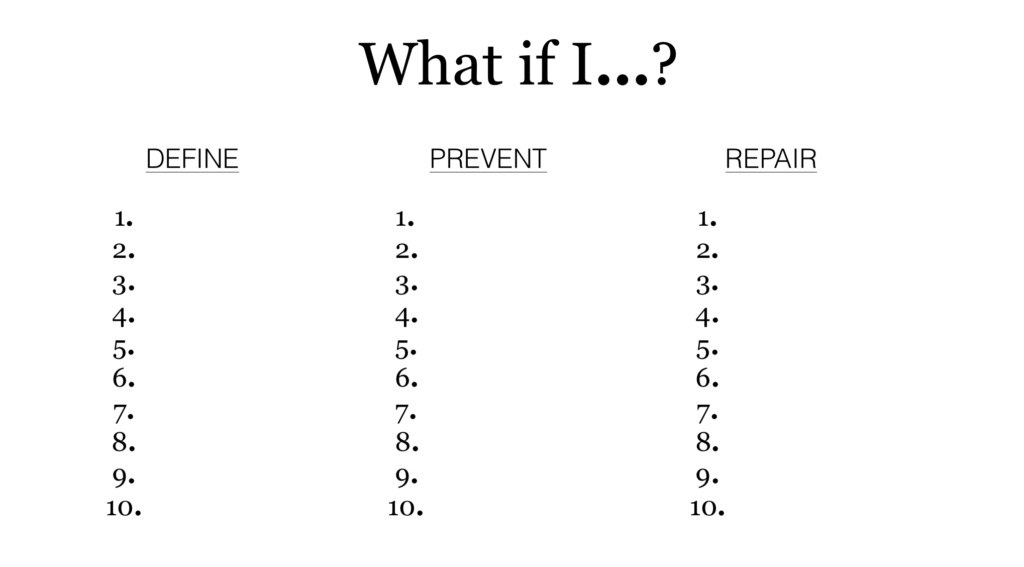
  • What if I…?
  • Can you list 10 specific fears? Can you list 20 specific fears?
  • What’s an example?
  • What can I do to prevent this fear from happening or at least minimize it?
  • If your fear actually happens, what would you do to repair the damage or who could you ask for help?
  • What about the Fear of Missing Out (FOMO)?
  • Has anyone, in the history of time, ever figured out my problem before?
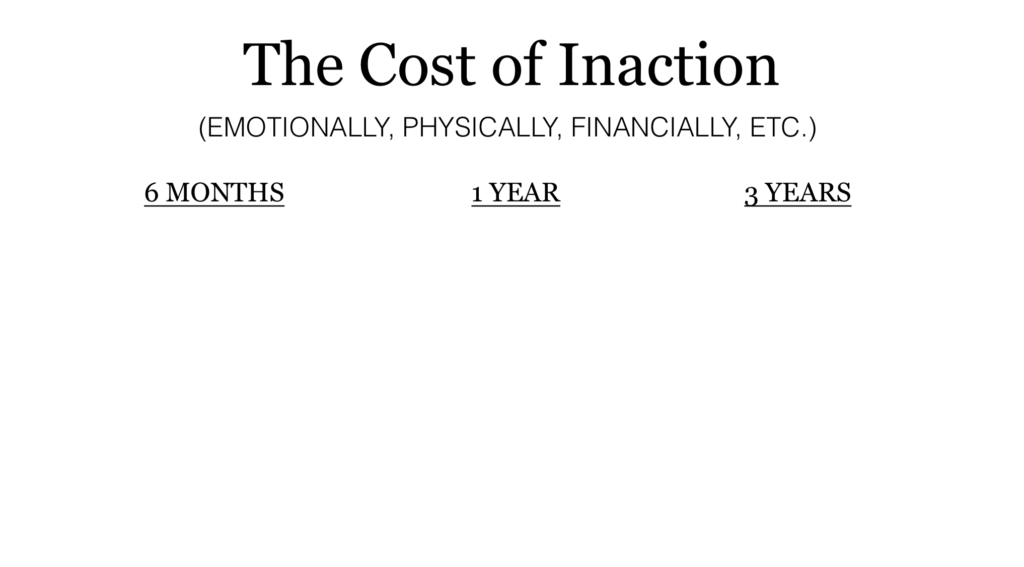
  • What is the cost of inaction?
  • What is the cost of the status quo?
  • Where am I going to be in one year? Where am I going to be in three years?
  • What’s Mark’s story with student loan debt paralysis?
  • What is the debt SnowBank method?
  • What about the emotional stress of living paycheck to paycheck?
  • Have you heard Tim Ferriss’ TedTalk on this?
  • How are the biggest challenges in life solved?
  • How can you use goal setting and fear setting together?
  • How can you cut through the fear in the beginning?
  • What is one fear that’s holding you back?
  • Would you like to leave a review on iTunes?
  • Would you like to fill out the Fear Setting pages?

https://media.blubrry.com/nyafinancialpodcast/content.blubrry.com/nyafinancialpodcast/NYAFP_Episode_99.mp3

Episode 92: [Great Problems] Can I Put A Lump Sum into a Policy? Part 1

June 7, 2019 by Not Your Average Financial Podcast

https://media.blubrry.com/nyafinancialpodcast/content.blubrry.com/nyafinancialpodcast/NYAFP_Episode_92.mp3

Podcast: Play in new window | Download

Subscribe: Apple Podcasts | RSS

In this episode, we ask:

  • What are the six major reasons why people put lump sumps into Bank on Yourself type policies?
  • What about paying off debt? What is the debt snow bank method?
  • What about finding a new place for your safe money to live?
  • What about an instant inheritance?
  • What about protecting from the expenses of long term care?
  • What about a capital fund for business opportunities?
  • What about a holding place for future expected lump sums?
  • What about funding a college education?
  • What about the policy loan feature?
  • What is a single premium policy?
  • Can you put a lump sum in and add a regular payment?
  • How can you consolidate debts or pay them off while still growing your money?
  • How can you boost your retirement income?
  • What are some of the benefits of moving debt from creditors to your own policy?
  • What if you could pay back loans on your schedule?
  • How about access to cash value?
  • Have you heard Episode 33?
  • Have you heard Episode 75?
  • How long does it take to pay off the debt?
  • How did Karen pay down her debt?
  • How can you reach out to Brandon?
  • How can you access the cash value?
  • What about tax dynamics?
  • Are you concerned about the volatility of the market?
  • What about receiving an inheritance?
  • What happened to a widow who put her inheritance in the market?
  • What about flexibility and control?
  • What about a tax free death benefit?
  • What about an instant inheritance that’s greater than what one can save alone?
  • What about planning for long term care needs?
  • Is it likely that we will need long term care?
  • What about the rate of return?
  • Are you planning to live a long time?
  • Are we living longer?
  • What are the costs of long term care?
  • What about home health aids, semi-private nursing room or private nursing rooms?
  • What is growing double the rate of inflation?
  • What about a surviving spouse?
  • What are the four ways to pay for long term?
  • Can you save cash for long term care in a private fund?
  • What is a traditional long term care policy?
  • Why are people no longer buying traditional long term care?
  • How much do traditional long term care policies cost each month?
  • What about single premium whole life policies with long term care benefits?
  • What are the benefits from a single premium policy that covers the long term care expenses (if you even need it)?
  • What happens if you have a terminal illness or need a life saving surgery?
  • What about the death benefit?
  • What about leaving a legacy?
  • Are you amazed?

https://media.blubrry.com/nyafinancialpodcast/content.blubrry.com/nyafinancialpodcast/NYAFP_Episode_92.mp3

Episode 91: [Great Problems] Giant Piles of Cash – Single Premium Solution

May 31, 2019 by Not Your Average Financial Podcast

https://media.blubrry.com/nyafinancialpodcast/content.blubrry.com/nyafinancialpodcast/NYAFP_Episode_91.mp3

Podcast: Play in new window | Download

Subscribe: Apple Podcasts | RSS

In this episode, we ask:

  • Can you say ca-ching?
  • What are the risks of a giant pile of cash?
  • What are the four key challenges facing all savers today?
  • What about the low interest rate environment?
  • Have you been successful in saving for retirement?
  • What is a required minimum distribution?
  • How do we pay for long term care expenses?
  • What is the average cost for nursing homes?
  • Does Medicare cover nursing care?
  • At what age does your financial plan end?
  • How old will you live?
  • What if you live past age 90? 100? 110?
  • Am I too old?
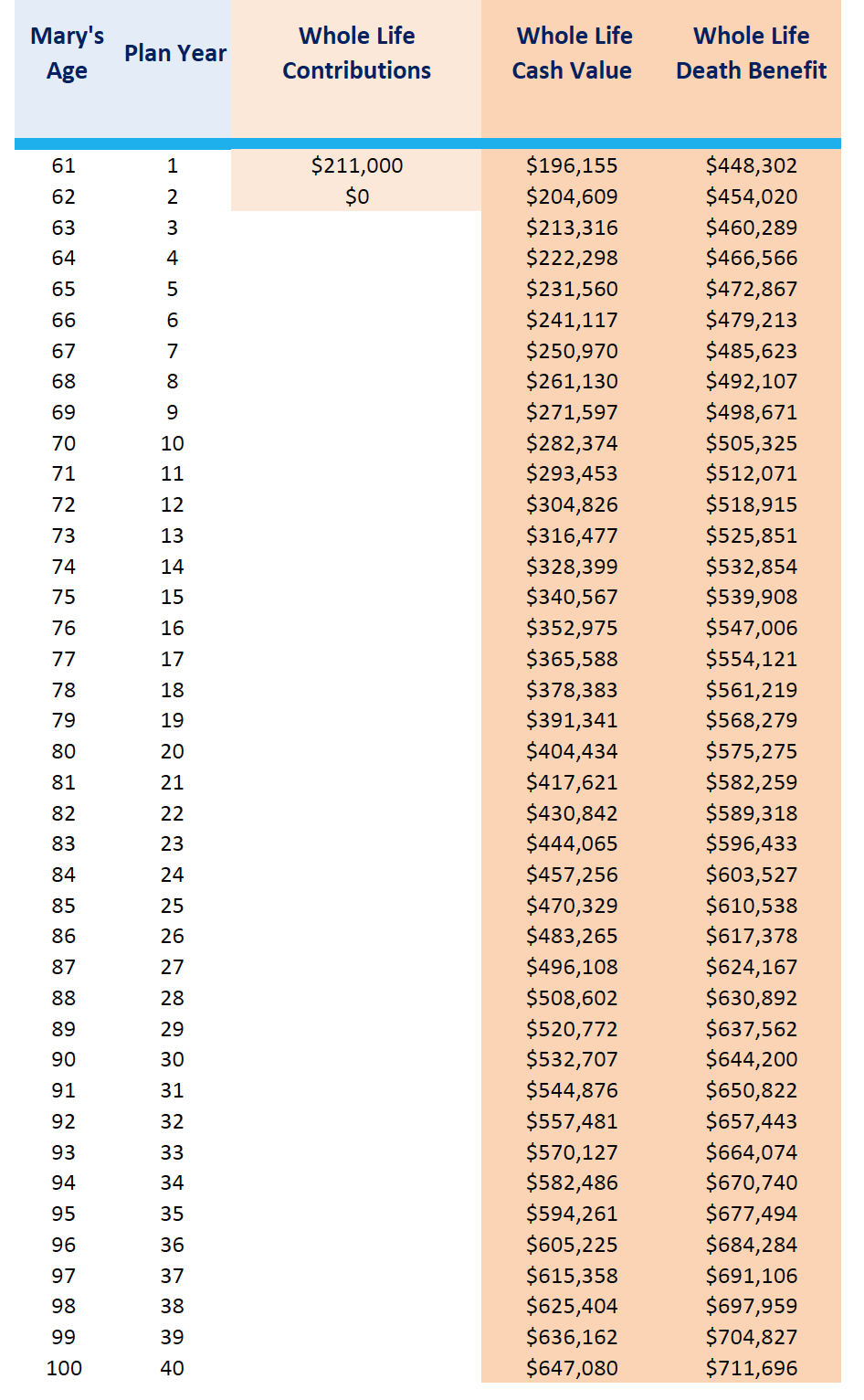
  • If you are age 60 to 85, how would your policy be affected?
  • How long do you have to wait?
  • Have you saved up your nest egg?
  • What do you do with a lump sum when you don’t want to wait years for growth?
  • What if you could do a one-time drop in?
  • What if you could have a death benefit with your lump sum?
  • What if your age could work to your advantage?
  • What is a Bank on Yourself type Single Premium solution?
  • What is a single premium?
  • How do single premium plans work?
  • What about health problems?
  • What about naming someone else as insured?
  • What if you own the policy?
  • How does the value grow as soon as starting a new policy?
  • How does the death benefit continue to grow?
  • What about the cash value?
  • What about long term care?
  • How long does the coverage last?
  • Can you use this benefit AT HOME or does it have to be in a skilled nursing facility?
  • Is this more cost effective than a traditional long term care policy?
  • What is the downside?
  • What happened in 1986?
  • What is the TAMRA act?
  • What are the tax changes?
  • What is the 7-pay test?
  • What is the MEC (modified endowment contract)?
  • What is FIFO?
  • What about the gains that exceed the basis?
  • What is considered taxable with MEC policies?
  • Why are all single premium products MECs?
  • What are the privileges of being age 60 or older?
  • When do the gains kick in?
  • Should we be afraid of MECs?
  • In what circumstances do MEC policies make sense?
  • In what circumstances do Single Premium policies make sense?
  • Did you review the case study below?

https://media.blubrry.com/nyafinancialpodcast/content.blubrry.com/nyafinancialpodcast/NYAFP_Episode_91.mp3

Episode 89: Get Bigger Pockets with Paul Moore

May 17, 2019 by Not Your Average Financial Podcast

https://media.blubrry.com/nyafinancialpodcast/content.blubrry.com/nyafinancialpodcast/NYAFP_Episode_89.mp3

Podcast: Play in new window | Download

Subscribe: Apple Podcasts | RSS

In this episode, we ask:

  • Who is Paul Moore?
  • What happened with Paul in December 2007?
  • How did Paul GIVE his way out of debt?
  • When did Paul get into real estate?
  • How can you activate a 2.5x multiplier effect on a property?
  • What is the power of commercial real estate?
  • What about mobile home parks?
  • What about self storage?
  • What about multifamily operators?
  • What about raising the lot rent?
  • What about Paul’s podcast, How to Lose Money?
  • What opportunities does Paul talk about?
  • What is wellingscapital.com?
  • How does a Bank On Yourself type policy work with opportunities?
  • What’s the different between investing and speculating?
  • What did Nobel Prize winner, Paul Samuelson say?
  • What civil rights issue is Paul working on?
  • How does Paul think long range?

After graduating with an engineering degree and then an MBA from Ohio State, Paul entered the management development track at Ford Motor Company in Detroit. After five years, he departed to start a staffing company with a partner. They sold it to a publicly traded firm five years later for $2.9 million. Along the way, Paul was Finalist for Ernst & Young’s Michigan Entrepreneur of the Year two years straight (1996 & 1997). Paul later entered the real estate sector, where he flipped over 50 homes and 25 high-end waterfront lots, appeared on HGTV’s House Hunters, rehabbed and managed rental properties, built a number of new homes, developed a subdivision, and started two successful online real estate marketing firms.

Three successful developments, including assisting with the development of a Hyatt hotel and a very successful multifamily project, led him into the commercial multifamily arena. Paul is the author of The Perfect Investment – Create Enduring Wealth from the Historic Shift to Multifamily Housing (2016). Paul also co-hosts a wealth-building podcast called How to Lose Money, is a featured guest on numerous real estate podcasts, and is a regular author for Bigger Pockets. Paul is married with 4 children and lives in Central Virginia.

https://media.blubrry.com/nyafinancialpodcast/content.blubrry.com/nyafinancialpodcast/NYAFP_Episode_89.mp3

Episode 88: Money Answers with Jordan Goodman

May 10, 2019 by Not Your Average Financial Podcast

https://media.blubrry.com/nyafinancialpodcast/content.blubrry.com/nyafinancialpodcast/NYAFP_Episode_88.mp3

Podcast: Play in new window | Download

Subscribe: Apple Podcasts | RSS

In this episode, we ask:

  • Who is Jordan Goodman?
  • Where is financial education?
  • How do people behave around the stock market?
  • What happens with debt?
  • What incentives are there to save?
  • Is debt fueling the economy?
  • What has changed with the new tax law?
  • What books has Jordan written?
  • How do we refinance car loans?
  • Is a car an asset or a liability?
  • What is myloangen.com ?
  • What is a defeat device on leased cars?
  • What about the high interest student loan debt?
  • What is splashfinancial.com/moneyanswers and how can they help with paying off student debt quicker ?
  • What is the problem of this generation?
  • What are some strategies for paying for college?
  • What about credit cards?
  • What is guidetocreditcard.com ?
  • How can we improve our credit score?
  • Are errors on your credit report?
  • What is the FACTA law?
  • What is tourdecredit.com ?
  • What about medical debt?
  • What are the qualified advocacy organizations?
  • What is healthcareadvocates.com ?
  • How do we prioritize business debts?
  • Who has the most leverage over your business?
  • What is Corporate Turnaround?
  • What is helpwithpayables.com ?
  • Where is Jordan’s landing page?
  • See go.moneyanswers.com/notaveragefinancial 

Jordan Goodman is ‘America’s Money Answers Man’ and a nationally-recognized expert on personal finance. He is a regular guest on numerous radio and television call-in shows across the country, answering questinos on personal finance topics. He appears frequently on The View, Fox News Network, Fox Business Network, CNN, CNBC, and CBS evening news.


For 18 years Jordan was on the editorial staff of Money magazine, serving as Wall Street correspondent. While at Money, Jordan reported and wrote on virtually every aspect of personal finance. In addition, h e served as weekly financial analyst on NBC News at Sunrise for 9 years, and the daily business news commentator on Mutual Broadcastings System’s America in the Morning show for 8 years.


Jordan is the author / co-author of 13 bestselling books on personal finance including Master Your Debt, Fast Profits in Hard Times, Everyone’s Money Book, Master Your Money Type, Barron’s Finance and Investment Handbook.


Jordan is a popular speaker and seminar leader on personal finance topics for business people, students, associations, investment clubs, employees and more.

https://media.blubrry.com/nyafinancialpodcast/content.blubrry.com/nyafinancialpodcast/NYAFP_Episode_88.mp3

Episode 87: How to Get Wealthy While Paying Your Taxes, Part 2

May 3, 2019 by Not Your Average Financial Podcast

https://media.blubrry.com/nyafinancialpodcast/content.blubrry.com/nyafinancialpodcast/NYAFP_Episode_87.mp3

Podcast: Play in new window | Download

Subscribe: Apple Podcasts | RSS

In this episode, we ask:

  • What is the greatest wealth building opportunity while paying taxes?
  • Do you get a tax refund each year?
  • Have you listened to Part 1, Episode 86?
  • Is your cash accessible?
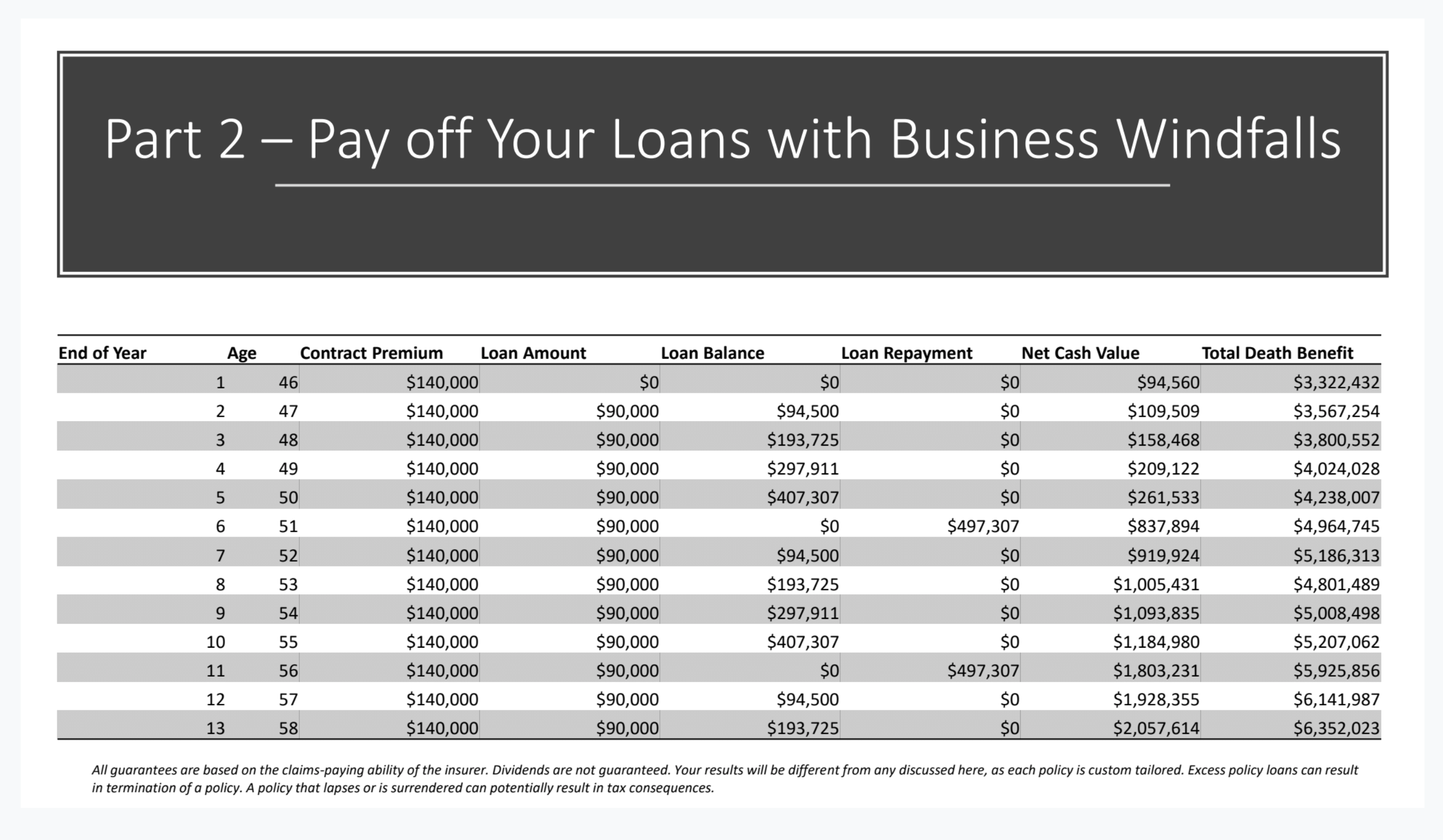
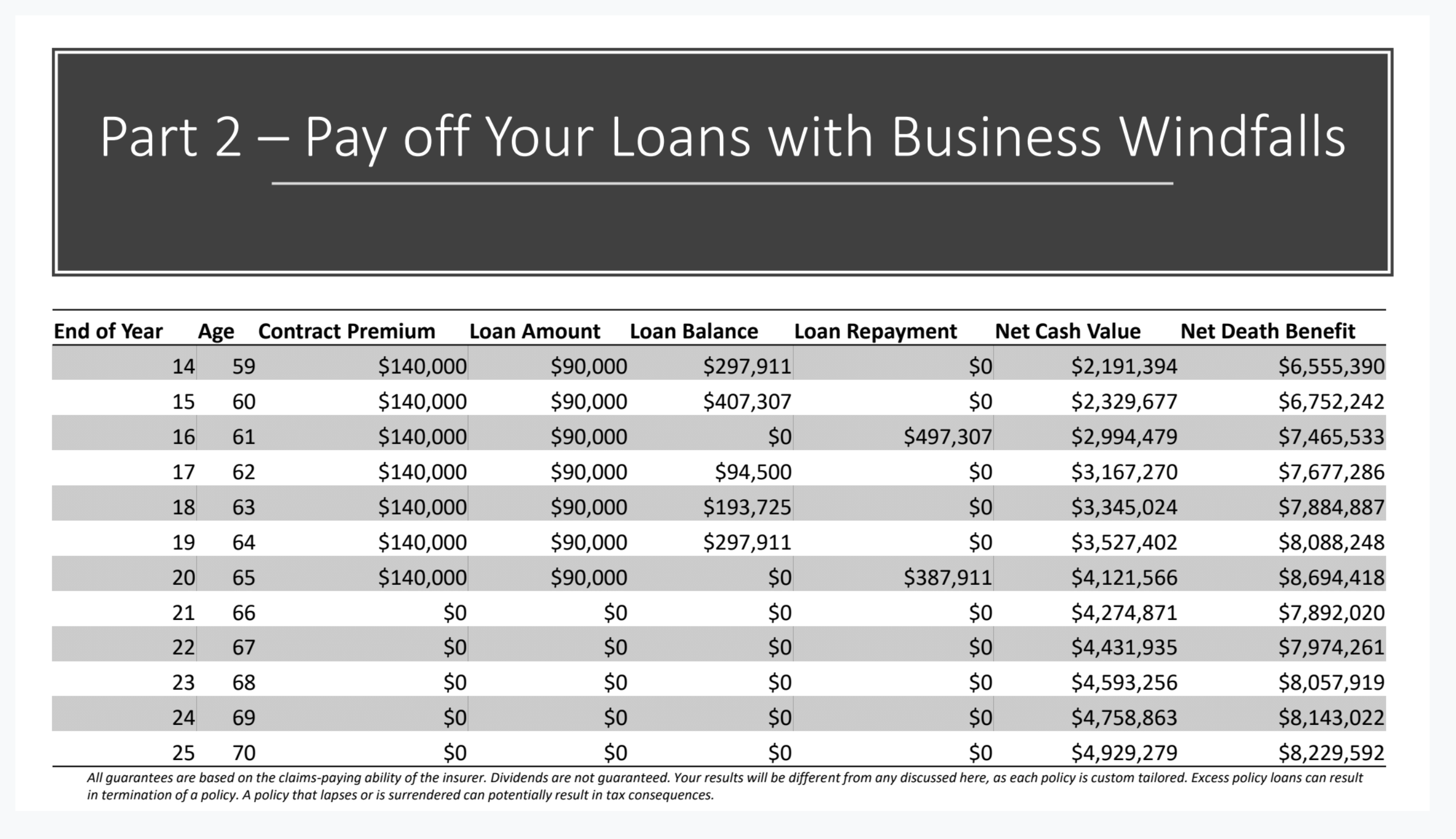
  • Do you have the flexibility with a repayment schedule?
  • What happens if you don’t pay a life insurance policy loan back?
  • What about uninterrupted compound growth?
  • What are the steps?
  • Can you save for taxes and retirement at the same time?
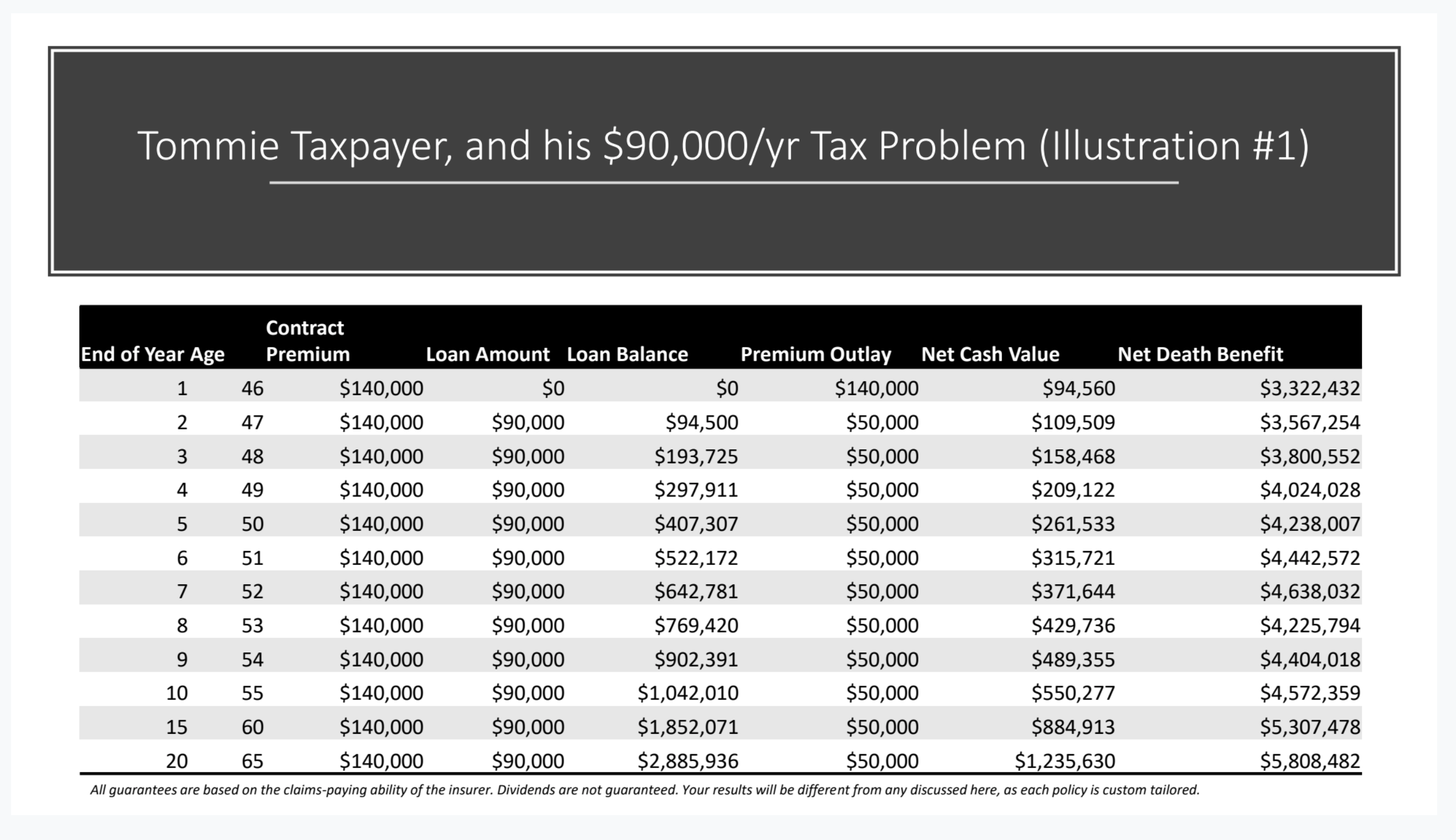
  • Can you pay taxes with a policy loan?
  • Can you save for taxes throughout the year?
  • For whom does this strategy work the best?
  • Are tax refunds free money?
  • Does the IRS pay you interest?
  • What questions do you have?


​Check out this private video webinar we did on Bank On Yourself and paying your taxes!
Click here to watch– https://youtu.be/000TgLqQpNQ  
(or skip ahead to here to just see the numbers for “Tommie Taxpayer”) https://youtu.be/000TgLqQpNQ?t=4267


https://media.blubrry.com/nyafinancialpodcast/content.blubrry.com/nyafinancialpodcast/NYAFP_Episode_87.mp3

Episode 86: How to Get Wealthy While Paying Your Taxes, Part 1

April 26, 2019 by Not Your Average Financial Podcast

https://media.blubrry.com/nyafinancialpodcast/content.blubrry.com/nyafinancialpodcast/NYAFP_Episode_86.mp3

Podcast: Play in new window | Download

Subscribe: Apple Podcasts | RSS

In this episode, we ask:

  • How about peace, sanity and satisfaction?
  • How do you pay your taxes?
  • After you’ve cut down your obligation, what then?
  • When did withholding start?
  • What are all of the ways you can pay for something?
  • What is opportunity cost? See Episode 13
  • How much do you truly pay in taxes?
  • Can you change how you pay for your taxes?
  • What if you could save money?
  • What if you could make a return?
  • What are the IRS late penalties?
  • What’s the difference between monthly and daily compounding?
  • Have you heard the Debt, Saver and Wealth Accumulator episode?
  • What happens when you take a loan from a 401(k)?
  • How many times do you get taxed with a 401(k) loan?
  • Can you take a loan from an IRA?
  • What about HELOCs?
  • Are home values guaranteed?
  • Are you in the pocket of the bank?
  • Can the bank take a HELOC away?
  • Can the bank call a HELOC?
  • What about tax savings with HELOCs?
  • When do you need money most?
  • What has happened to tax benefits with HELOCs after the new tax law?
  • What about collateralizing with a traditional bank loan?
  • What about CDs?
  • How can you use a correctly designed whole life insurance policy to pay taxes?
  • What about business owners?
  • What about selling a business?
  • Why do business owners benefit from a Bank on Yourself type, dividend paying whole life insurance policy when paying taxes?
  • Would you like to make your own payback schedule?
  • What happens if you don’t repay the loan?
  • What about uninterrupted compound growth?
  • Is the tax liability one of the biggest expenses of your year?
  • What are some other benefits?
  • How is this different from deductions?
  • Do you have a good system for paying your taxes?

Remember! This episode provides generalized tax information and is NOT considered the same as the professional tax advice you will receive from your CPA. We are not CPAs, and we don’t play them on T.V.


Please consult your CPA or tax expert for professional tax advice and insight into your specific situation.

https://media.blubrry.com/nyafinancialpodcast/content.blubrry.com/nyafinancialpodcast/NYAFP_Episode_86.mp3

Episode 83: How to Maximize Your Retirement Income

April 5, 2019 by Not Your Average Financial Podcast

https://media.blubrry.com/nyafinancialpodcast/content.blubrry.com/nyafinancialpodcast/NYAFP_Episode_83.mp3

Podcast: Play in new window | Download

Subscribe: Apple Podcasts | RSS

In this episode, we ask:

  • How much peace and financial stability can you have?
  • How do oceans and rivers work together?
  • How do we benefit from systems?
  • Are annuities good for liquid access?
  • How can we solve immediate cash needs?
  • Where could you possibly keep an OCEAN OF MONEY?
  • How does a Bank on Yourself type policy work with annuities?
  • What spreadsheet did Holly create?
  • What is direct recognition?
  • What is non-direct recognition?
  • How does direct or non-direct recognition work?
  • Do you have a dividend paying whole life insurance contract?
  • Do you have a provision for non-direct recognition policy loans?
  • Do all insurance companies encourage policy holders to take policy loans?
  • Why is so important to work with the right advisors?
  • What can be buried in the contract provisions?
  • How do policy loans work? Have you heard Episode 32?
  • How can you overcome opportunity cost?
  • Does your policy have a TRUE non-direct recognition provision?
  • How can you get your money do two things at once?
  • Can you imagine growing your cash (even when you’ve spent it)?
  • How can your hard earned dollars work hard for you?
  • What if you had $1M in an annuity and $1M in a Bank on Yourself type Whole Life Insurance policy?
  • What happens when the account value is gone?
  • What is an ideal safe withdrawal rate?
  • How can you protect against running out of money?
  • What if we spend down the whole life policy earlier and allow the annuity to keep growing?
  • Which vehicles give you the most income in retirement?
  • Where are the guarantees in the stock market?
  • Is it possible to predict what the market will do?
  • Who is better at choosing stocks? Hedge fund managers or monkeys?
  • Would you like peace of mind?
  • Would you like your money to be there for you no matter what happens?
  • What are people saying?
  • Would you like to send us a review?
  • Would you like a free copy of the Bank on Yourself Revolution book?
  • Email us at hello@nyafinancialpodcast.com
  • Would you like to book a meeting with Mark?

https://media.blubrry.com/nyafinancialpodcast/content.blubrry.com/nyafinancialpodcast/NYAFP_Episode_83.mp3

Episode 71: The Debtor, The Saver or The Wealth Creator – Which Staircase Are You Climbing?

January 11, 2019 by Not Your Average Financial Podcast

https://media.blubrry.com/nyafinancialpodcast/content.blubrry.com/nyafinancialpodcast/NYAFP_Episode_71.mp3

Podcast: Play in new window | Download

Subscribe: Apple Podcasts | RSS

In this episode, we ask:

  • How do you buy stuff?
  • Would you like to meet us in person?
  • What staircase are you climbing?
  • How do you fund large capital purchases?
  • What are some benefits?
  • What does conventional purchasing look like?
  • What is the debtor’s or borrower’s staircase?
  • What do you have after you pay back the debt?


  • What is the saver’s staircase?
  • At the end of the saver’s staircase, what do you have?


  • What is the wealth creator’s staircase?
  • At the end of the wealth creator’s staircase, what do you have?


  • What about privacy?
  • What’s the best way to buy stuff?
  • How do wealth creators buy stuff?
  • Is it possible to “pay for something” twice?
  • What is “saving on the other side of the purchase”?
  • How does perspective matter?
  • What is an accelerated death benefit rider on a whole life insurance policy?
  • What are you going to do with this information?

The images here are inspired by and based on Don Blanton’s Circle of Wealth System, by Money Tax, Inc., “Debtor, Saver, Wealth Creator Visual,” The Private Reserve Strategy™, January 2012. 

https://media.blubrry.com/nyafinancialpodcast/content.blubrry.com/nyafinancialpodcast/NYAFP_Episode_71.mp3
Prev Page...
...Next Page

Sign Up to Receive Weekly Email Notifications

Not Your Average Financial Podcast
  Thank you for Signing Up
  Please correct the marked field(s) below
1,true,6,Contact Email,2
1,false,1,Last Name,2

Copyright © 2026 · Maron Pro Theme on Genesis Framework · WordPress · Log in