Not Your Average Financial Podcast™

Think different about your money, your economy and your future. Be curious. Be stable. Be sane.

Episode 33: Bank On Yourself Loans & Getting Out of Debt

April 20, 2018 by Not Your Average Financial Podcast

https://media.blubrry.com/nyafinancialpodcast/content.blubrry.com/nyafinancialpodcast/NYAFP_Episode_33.mp3

Podcast: Play in new window | Download

Subscribe: Apple Podcasts | RSS

In this episode, we ask:

  • Shouldn’t we pay down our debt first before doing anything else with our money?
  • How did Pamela Yellen’s husband “make a profit” on his heart surgery?
  • How can you reduce or eliminate your debt and increase your savings at the same time?
  • How can policy loans help you get out debt?
  • What is the first thing you should do to get financial freedom?
  • How can money keep growing as if you didn’t take a loan?
  • Should I wait until I’m debt free to start a Bank On Yourself designed policy?
  • What’s the snowball method?
  • What is the bomb cyclone method?
  • How does lost savings affect long term financial goals?
  • Are you missing out on retirement income?
  • How does this affect a mortgage timeline?
  • How can you eliminate student loans?
  • How can you supercharge your debt payoff?
  • See the Tale of Two Brothers Part 1
  • See the Tale of Two Brothers Part 2
  • What happens when your available loan value equals the loan balance?
  • What is better than paying cash to pay off a house?
  • What happens when you pay a policy loan back?
  • How can you pay off debt without losing the growth on your money?
  • How can use this strategy for student loans?
  • How can use this for financing a car?
  • How can use this for mortgage acceleration?
  • How can you get out of credit card debt?
  • How can you start saving?
  • How many applications are there with this strategy?
  • How can you get out of the debt without starting “at ground zero”?
  • What do you get after you’re debt free?
  • How do you keep the loan company happy?
  • In what ways can you utilize the snowball method on steroids?

https://media.blubrry.com/nyafinancialpodcast/content.blubrry.com/nyafinancialpodcast/NYAFP_Episode_33.mp3

Episode 32: How do Bank on Yourself Policy Loans Work?

April 13, 2018 by Not Your Average Financial Podcast

https://media.blubrry.com/nyafinancialpodcast/content.blubrry.com/nyafinancialpodcast/NYAFP_Episode_32.mp3

Podcast: Play in new window | Download

Subscribe: Apple Podcasts | RSS

In this episode, we ask:

  • What is a life insurance policy loan?
  • If I’m trying to be debt free, why go back into debt with an insurance company?
  • Are life insurance loans just like a credit card or a mortgage?
  • Isn’t a life insurance loan just like a personal loan?
  • How does your cash value collateral continuing growing, even when you have a policy loan outstanding?
  • How is this different from a HELOC?
  • Is your house guaranteed to go up in value?
  • What about contractual guarantees with a life insurance policy loan?
  • What are the limits with a life insurance policy loan?
  • Could the loans lapse the policy?
  • What is the best kind of investment to a life insurance company?
  • Can you be “underwater” in your life insurance policy loan?
  • What are the requirements for this type of life insurance policy to work in a Bank on Yourself design?
    • Is it whole life insurance?
    • Is it a non-direct recognition loan?
    • Is it flexible, so you keep it for your entire life?
    • Are you repaying your loans?
    • Are you working with a knowledgeable, authorized advisor?
  • Do you have trauma from a previous bad experience?
  • Why do so many advisors not know how to design these properly?
  • Does your existing whole life insurance policy penalize you when you take policy loans?
  • Does your advisor know what they’re doing? Do they frantically google in front of you?
  • Why did the Titanic sink?
  • Do you know an advisor who has a skillful knowledge of Life Insurance contracts?
  • Of what red flags should you be aware?
  • With non-direct recognition policy loan, how is the dividend credited on a whole life policy?
  • If you don’t have a non-direct recognition policy loan, what happens?
  • When you take a policy loan, where does the money come from?
    • See The Bank On Yourself Revolution by Pamela Yellen, page 256
  • What is the collateral for that loan?
  • When do life insurance companies get a profit?
  • How do you benefit from the interest you paid on the loan?
  • If the insurance company’s yield is better than their worst case scenario, what happens to your dividends?
  • Who’s allergic to paying interest?
  • What are some financing strategies when buying a car?
  • What interest does an insurance company charge on the loan?
  • Who are the owners of the insurance company?
  • Do you love that you are charged loan interest?
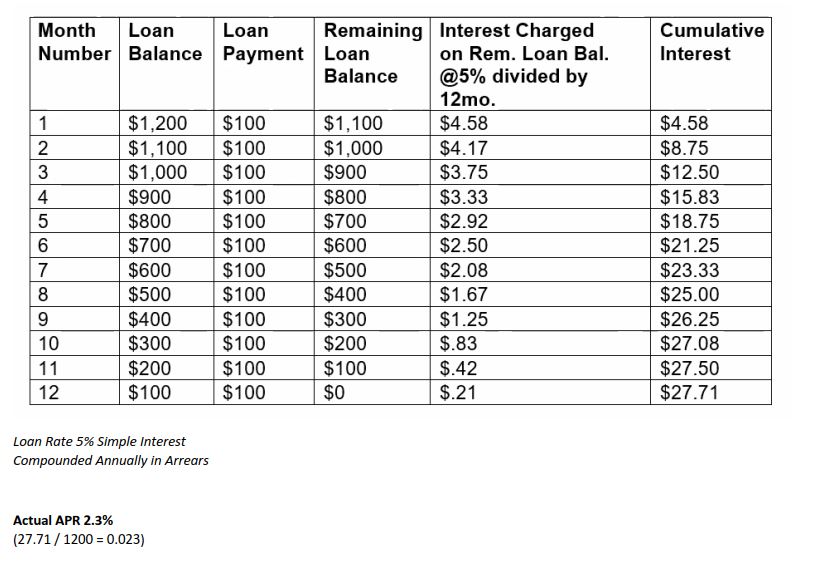
  • What is simple interest, compounded annually in arrears?
  • When is 5% not always 5%?
  • Why would you willingly pay extra for something?
  • What type of interest would you like on a savings account? Simple? Compound?
  • How can you calculate the growth you receive?
  • Is the method of banking on yourself better or worse than paying cash for things?
  • Don’t you wish more people knew about this?
  • How can you make a profit on buying a car?
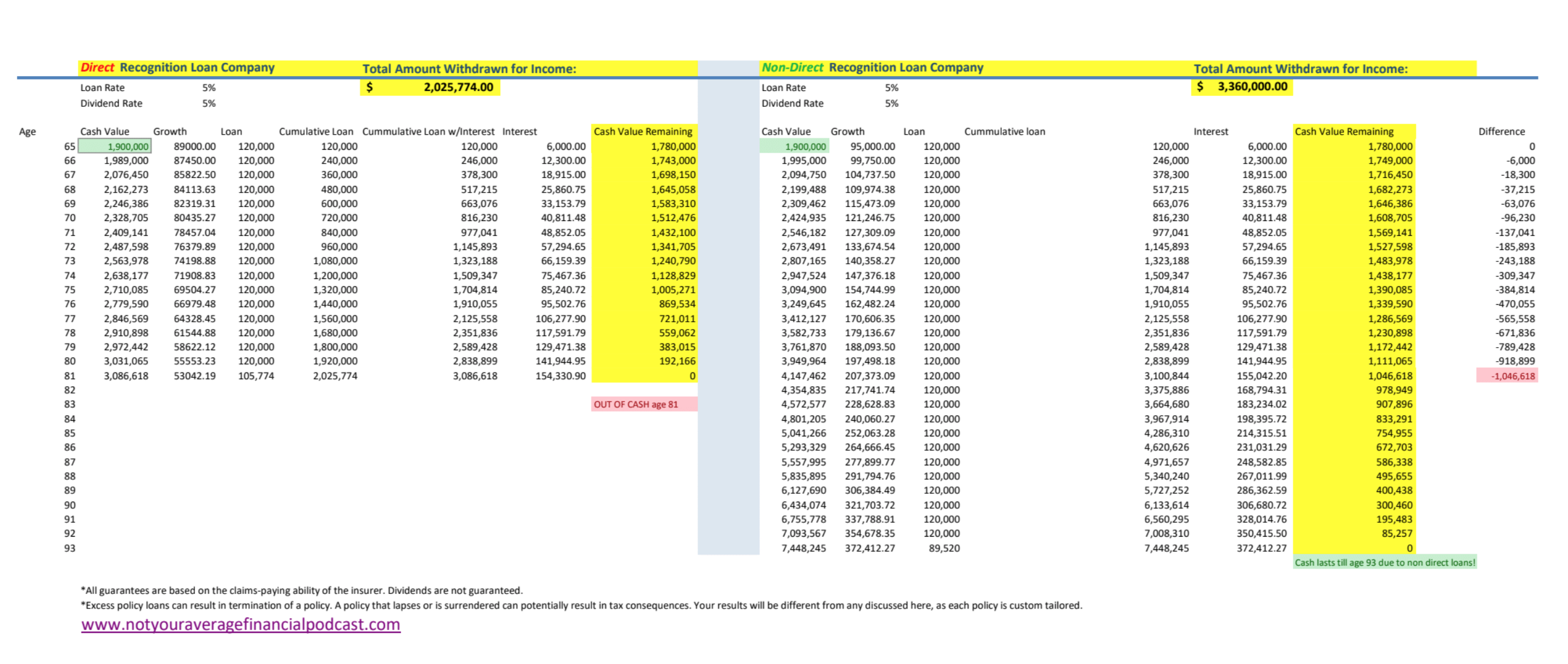
  • How can you use a life insurance policy with non-direct recognition policy loans for income in retirement?
  • What’s the problem with the direct recognition policy loan design for income in retirement?
  • What design features have a tremendous amount of impact on how long money will last in retirement?
  • How do banks use money in more ways than one (at the same time)?
  • What does the fine print in your contract say?
  • “Ignore what banks tell you to do with money, and instead, watch what they do with their own money.” – John McCarthy
  • How much money do banks keep in life insurance contracts?
  • What’s a tier 1 asset?
  • How can you change your family tree?


https://media.blubrry.com/nyafinancialpodcast/content.blubrry.com/nyafinancialpodcast/NYAFP_Episode_32.mp3

Episode 31: How Do Bank Loans Work?

April 6, 2018 by Not Your Average Financial Podcast

https://media.blubrry.com/nyafinancialpodcast/content.blubrry.com/nyafinancialpodcast/NYAFP_Episode_31.mp3

Podcast: Play in new window | Download

Subscribe: Apple Podcasts | RSS

In this episode, we ask:

  • What is debt?
  • What are some of the common judgement calls about debt?
  • What are some religious thoughts around debt?
  • What did Solomon say about power?
  • What is the year of Jubilee?
  • Does debt lead to intergenerational slavery?
  • Are you more likely to be in debt if your parents are / were in debt?
  • Is debt evil?
  • Can debt cause trouble?
  • How can you severely limit your options?
  • Should we avoid all debt? Is it a black and white scenario?
  • What kind of debts do typical Americans carry?
  • How many people know that the first credit card wasn’t issued until 1951? How did people survive before 1951?
  • What is the average credit card balance and percentage?
  • Why is credit card debt so nasty?
  • By how much has Student Loan debt surpassed Credit Card debt?
  • How many people are supposed to be paying 100% in their annual salary to student loan debt?
  • What are some of the gotchas with student loan debt?
  • What are the implications for parents who have cosigned loans on their child’s debt?
  • Can you bankrupt student loans?
  • What about mortgage debt?
  • What is a good rule of thumb for housing costs?
  • Why can’t people save?
  • Why can’t people afford things?
  • What’s in the fine print?
  • Who can provide a second set of eyes for you, when you encounter fine print?
  • What about car loans?
  • Is vehicle debt going up or down?
  • How long does it take to pay these loans off?
  • What is the average savings rate?
  • What about vacations?
  • Why don’t most financial planners have a plan for life’s cashflow?
  • Why do you have to pay a bunch of penalties and taxes to access money?
  • Why do most financial advisors suggest that you eat rice and beans?
  • Why do financial advisors say to “not touch your money”?
  • Why are we forced into this crazy cycle where everyone is benefitting from your money but you?
  • How much cash will flow through your accounts in your life?
  • How will you work with your cash flow?
  • Can you avoid buying stuff?
  • Can you find a way to have uninterrupted compound growth and still be able to afford the stuff of life?
  • What is the bank doing with your money?
  • How do banks do more than one thing at a time with a dollar?
  • What is fractional reserve banking?
  • How do banks find the money for loans?
  • How do the banks get so wealthy?
  • How do you learn from the banks to harness your personal cash flow?


https://media.blubrry.com/nyafinancialpodcast/content.blubrry.com/nyafinancialpodcast/NYAFP_Episode_31.mp3

Episode 15: [Toolbox] Unlocking Cash

December 15, 2017 by Not Your Average Financial Podcast

https://media.blubrry.com/nyafinancialpodcast/content.blubrry.com/nyafinancialpodcast/NYAFP_Episode_15.mp3

Podcast: Play in new window | Download

Subscribe: Apple Podcasts | RSS

In this episode, we ask:

  • What is liquidity?
  • How do loans affect your liquidity?
  • How does liquidity affect cash needs in an emergency?
  • How does your rate of return affect all of your investments?
  • How does detail orientation affect financial planning decisions?
  • How do we zoom out and think about this from a big picture perspective?
  • Does making more income always afford more liquidity?
  • What percentage of the average American’s income is being spent on interest?
  • What does a higher rate of return do?
  • How do you know if you’re “doing great”?
  • What does volume have to do with it?
  • How does liquidity solve your problems? What are the benefits of liquidity?
  • How can you finance a new opportunity?
  • What vehicles are liquid?
  • What are the first steps to getting liquidity?
  • How do you age your money?
  • How do you break the paycheck to paycheck cycle?
  • How much emergency fund do you need?
  • How do you spend less than you earn?
  • Where are you putting your money?
  • What is the budget software Katrina mentions? Link: You Need A Budget (YNAB)
  • If every American had a month’s worth of bills in the bank, what would change?
  • How does liquidity affect your central nervous system?
  • How can liquidity help when you lose income or a job?
  • How can a buffer change your life?
  • How can you weather a storm?
  • How can you have more choices when you’re job hunting?
  • How can you reduce your expenses?
  • What are some ways to reduce health care costs?
  • How do you get a sense of control?
  • How do you give yourself options?
  • How do time and liquidity work together to benefit you?
  • How can you take advantage of new opportunities that come your way?
  • How do you manage your money?
  • How liquid are your accounts? Do you have access to your cash when you need it?

https://media.blubrry.com/nyafinancialpodcast/content.blubrry.com/nyafinancialpodcast/NYAFP_Episode_15.mp3

Episode 14: [Toolbox] It’s Time To Take an Interest in Interest

December 8, 2017 by Not Your Average Financial Podcast

https://media.blubrry.com/nyafinancialpodcast/content.blubrry.com/nyafinancialpodcast/NYAFP_Episode_14.mp3

Podcast: Play in new window | Download

Subscribe: Apple Podcasts | RSS

In this episode, we ask:

  • What is interest anyway?
  • What is the difference between compound interest and simple interest?
  • How does compounding frequency affect an account?
  • When is compound growth a problem?
  • What did Albert Einstein say about compound interest?
  • How does compound interest take affect?
  • Where do most people look for compound growth?
  • What’s wrong with compound growth and risk?
  • How does a one year of loss affect compound growth?
  • How does a second year of loss affect compound growth?
  • What do most 30 to 40 year olds say about managing growth?
  • When do you want your market losses to happen?
  • What real assets do banks own?
  • What is fractional reserve banking?
  • What are the capital requirements for banks?
  • Why are bank loans considered assets on their ledger?
  • Why are our checking accounts considered liabilities?
  • What is the power of compound interest?
  • If you had a choice between acquiring a penny doubling every day for 30 days or a check for 1 million dollars, which one would you like to take with you?
  • What is the power of simple interest?
  • Why do you want to be charged simple interest?
  • How do lenders apply your payments on a compound interest loan to the principal?
  • How do lenders apply your payments on a compound interest loan to the interest?
  • How do lenders apply your payments on a simple interest loan to the principal?
  • How do lenders apply your payments on a simple interest loan to the interest?
  • What about student loans?
  • What about mortgages?
  • Who is first in line for your money?
  • What sort of interest would you like to earn?
  • What sort of interest would you like to pay?
  • How does interest work with Bank On Yourself policy loans?
  • What type of interest do Bank on Yourself policies earn?
  • What type of interest do you pay on a Bank on Yourself policy loan?
  • What about buying a car?
  • What box would you like to check?


https://media.blubrry.com/nyafinancialpodcast/content.blubrry.com/nyafinancialpodcast/NYAFP_Episode_14.mp3
Prev Page...

Sign Up to Receive Weekly Email Notifications

Not Your Average Financial Podcast
  Thank you for Signing Up
  Please correct the marked field(s) below
1,true,6,Contact Email,2
1,false,1,Last Name,2

Copyright © 2026 · Maron Pro Theme on Genesis Framework · WordPress · Log in