Not Your Average Financial Podcast™

Think different about your money, your economy and your future. Be curious. Be stable. Be sane.

Episode 34: Shock and Awe: The Firsts

April 27, 2018 by Not Your Average Financial Podcast

https://media.blubrry.com/nyafinancialpodcast/content.blubrry.com/nyafinancialpodcast/NYAFP_Episode_34.mp3

Podcast: Play in new window | Download

Subscribe: Apple Podcasts | RSS

In this episode, we ask:

  • Do you have a question on every single page of a new policy?
  • How many pages are in your contract?
  • What is the guaranteed values table on a life insurance contract?
  • Wait, so you’re saying there are zero dollars in cash value the first five years?!
  • What’s going on here?
  • Why the shock?
  • What’s the whole story?
  • What’s a paid up additions rider?
  • How does that affect the data table?
  • What parts of the design are in the paragraphs? What parts of the design are in the guaranteed tables?
  • What information in the contract describes the actual performance?
  • Are you in awe?
  • What do we know about the track record of each company?
  • How does the company’s track record affect the data table?
  • Has the company already declared their dividend?
  • What’s the worst case scenario?
  • Why is there a difference in an illustration and a contract’s data table?
  • What is it like when you pay your first premium?
  • How do you manage your cash flow adjustment?
  • What does behavioral economist Richard Thaler say about forced savings?
  • How is a premium payment a source of savings vs. a bill?
  • What is it like to login and see your cash value online?
  • What does it mean to see expenses come out in year one on a life insurance policy?
  • Am I better off doing something else?
  • Do you have the patience for a long term strategy?
  • What is the cost?
  • When does the cost come out?
  • What does Nelson Nash say about thinking long range?
  • Why is there a cost?
  • What does the cost buy?
  • What happens on Day 1 of a policy?
  • When does your death benefit go into effect?
  • How much is your death benefit?
  • What happens as you continuously check on your cash value?
  • Will your policy ever decline in value?
  • Which is more affordable – a life insurance policy or an account with a 1% assets under management fee (like a ETFs, a mutual fund, 401(k) or IRA)?
  • When do you want your money growing the fastest?
  • When are you ever not going to need this cash?
  • What are the contractual guarantees?
  • What are you in awe of?
  • What is it like to request a policy loan?
  • How much do you want? Where do you want the insurance company to send it?
  • Is taking a Bank on Yourself life insurance policy loan easy?
  • Are there any limits on taking a policy loan?
  • Why is 80-90% (or higher) of the cash value available as collateral for a policy loan?
  • Why shouldn’t you drain your checking account down to the last penny?
  • When should you set up a loan repayment plan?
  • Who decides what the payment amount is going to be?
  • Who can help you decide how to structure the loan payback?
  • What’s the APR on the loan payback?
  • Who decides what the timeline on that payment will be?
  • Can I have my loan repayment coupled with the premium payment, so it’s one draft a month?
  • Do you have to know all of the technical details?
  • What happens the first year?
  • Does your annual statement look like it was written in hieroglyphs?
  • What do the numbers behind the numbers mean?
  • Are you feeling angry / frustrated / jipped?
  • Who can help you navigate your annual report?
  • What about when there is a market correction or when the market takes a nose dive? How are policy holders affected?
  • Why is the annual statement full of jargon?
  • What is it like when you get that first dividend?
  • What happens when the benefits outweigh the cost?
  • Do you have the patience to see money grow over time?
  • Do you have a question? Schedule a quick call with us here.
  • Do you feel relieved?
  • What happens when you get your first dividend?
  • What happens when your cash value exceeds what you put in?
  • How huge are the rewards?

Episode 33: Bank On Yourself Loans & Getting Out of Debt

April 20, 2018 by Not Your Average Financial Podcast

https://media.blubrry.com/nyafinancialpodcast/content.blubrry.com/nyafinancialpodcast/NYAFP_Episode_33.mp3

Podcast: Play in new window | Download

Subscribe: Apple Podcasts | RSS

In this episode, we ask:

  • Shouldn’t we pay down our debt first before doing anything else with our money?
  • How did Pamela Yellen’s husband “make a profit” on his heart surgery?
  • How can you reduce or eliminate your debt and increase your savings at the same time?
  • How can policy loans help you get out debt?
  • What is the first thing you should do to get financial freedom?
  • How can money keep growing as if you didn’t take a loan?
  • Should I wait until I’m debt free to start a Bank On Yourself designed policy?
  • What’s the snowball method?
  • What is the bomb cyclone method?
  • How does lost savings affect long term financial goals?
  • Are you missing out on retirement income?
  • How does this affect a mortgage timeline?
  • How can you eliminate student loans?
  • How can you supercharge your debt payoff?
  • See the Tale of Two Brothers Part 1
  • See the Tale of Two Brothers Part 2
  • What happens when your available loan value equals the loan balance?
  • What is better than paying cash to pay off a house?
  • What happens when you pay a policy loan back?
  • How can you pay off debt without losing the growth on your money?
  • How can use this strategy for student loans?
  • How can use this for financing a car?
  • How can use this for mortgage acceleration?
  • How can you get out of credit card debt?
  • How can you start saving?
  • How many applications are there with this strategy?
  • How can you get out of the debt without starting “at ground zero”?
  • What do you get after you’re debt free?
  • How do you keep the loan company happy?
  • In what ways can you utilize the snowball method on steroids?

Episode 32: How do Bank on Yourself Policy Loans Work?

April 13, 2018 by Not Your Average Financial Podcast

https://media.blubrry.com/nyafinancialpodcast/content.blubrry.com/nyafinancialpodcast/NYAFP_Episode_32.mp3

Podcast: Play in new window | Download

Subscribe: Apple Podcasts | RSS

In this episode, we ask:

  • What is a life insurance policy loan?
  • If I’m trying to be debt free, why go back into debt with an insurance company?
  • Are life insurance loans just like a credit card or a mortgage?
  • Isn’t a life insurance loan just like a personal loan?
  • How does your cash value collateral continuing growing, even when you have a policy loan outstanding?
  • How is this different from a HELOC?
  • Is your house guaranteed to go up in value?
  • What about contractual guarantees with a life insurance policy loan?
  • What are the limits with a life insurance policy loan?
  • Could the loans lapse the policy?
  • What is the best kind of investment to a life insurance company?
  • Can you be “underwater” in your life insurance policy loan?
  • What are the requirements for this type of life insurance policy to work in a Bank on Yourself design?
    • Is it whole life insurance?
    • Is it a non-direct recognition loan?
    • Is it flexible, so you keep it for your entire life?
    • Are you repaying your loans?
    • Are you working with a knowledgeable, authorized advisor?
  • Do you have trauma from a previous bad experience?
  • Why do so many advisors not know how to design these properly?
  • Does your existing whole life insurance policy penalize you when you take policy loans?
  • Does your advisor know what they’re doing? Do they frantically google in front of you?
  • Why did the Titanic sink?
  • Do you know an advisor who has a skillful knowledge of Life Insurance contracts?
  • Of what red flags should you be aware?
  • With non-direct recognition policy loan, how is the dividend credited on a whole life policy?
  • If you don’t have a non-direct recognition policy loan, what happens?
  • When you take a policy loan, where does the money come from?
    • See The Bank On Yourself Revolution by Pamela Yellen, page 256
  • What is the collateral for that loan?
  • When do life insurance companies get a profit?
  • How do you benefit from the interest you paid on the loan?
  • If the insurance company’s yield is better than their worst case scenario, what happens to your dividends?
  • Who’s allergic to paying interest?
  • What are some financing strategies when buying a car?
  • What interest does an insurance company charge on the loan?
  • Who are the owners of the insurance company?
  • Do you love that you are charged loan interest?
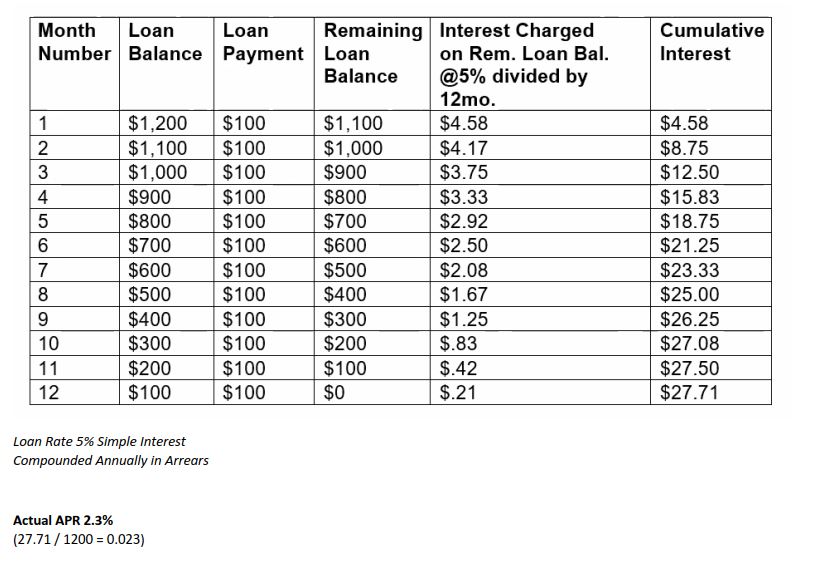
  • What is simple interest, compounded annually in arrears?
  • When is 5% not always 5%?
  • Why would you willingly pay extra for something?
  • What type of interest would you like on a savings account? Simple? Compound?
  • How can you calculate the growth you receive?
  • Is the method of banking on yourself better or worse than paying cash for things?
  • Don’t you wish more people knew about this?
  • How can you make a profit on buying a car?
  • How can you use a life insurance policy with non-direct recognition policy loans for income in retirement?
  • What’s the problem with the direct recognition policy loan design for income in retirement?
  • What design features have a tremendous amount of impact on how long money will last in retirement?
  • How do banks use money in more ways than one (at the same time)?
  • What does the fine print in your contract say?
  • “Ignore what banks tell you to do with money, and instead, watch what they do with their own money.” – John McCarthy
  • How much money do banks keep in life insurance contracts?
  • What’s a tier 1 asset?
  • How can you change your family tree?


Episode 31: How Do Bank Loans Work?

April 6, 2018 by Not Your Average Financial Podcast

https://media.blubrry.com/nyafinancialpodcast/content.blubrry.com/nyafinancialpodcast/NYAFP_Episode_31.mp3

Podcast: Play in new window | Download

Subscribe: Apple Podcasts | RSS

In this episode, we ask:

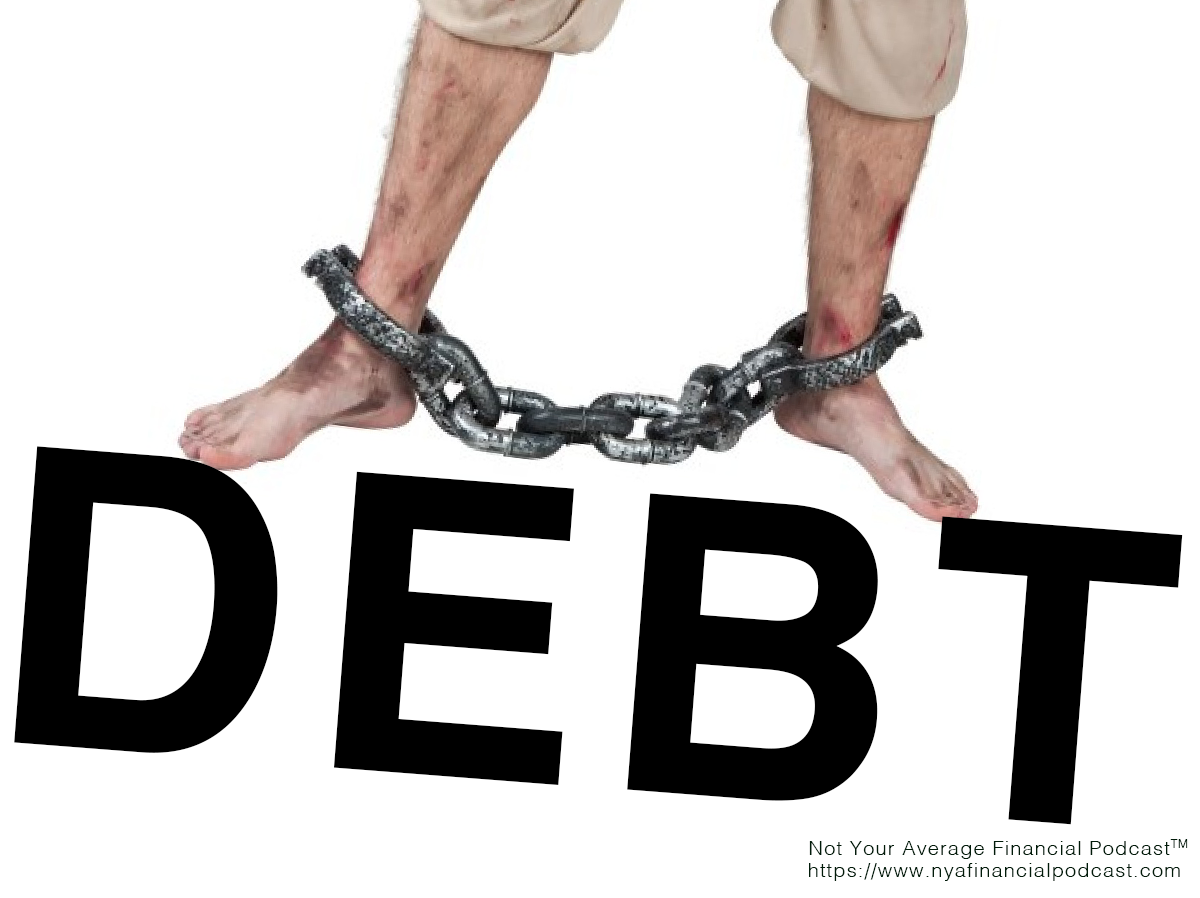
  • What is debt?
  • What are some of the common judgement calls about debt?
  • What are some religious thoughts around debt?
  • What did Solomon say about power?
  • What is the year of Jubilee?
  • Does debt lead to intergenerational slavery?
  • Are you more likely to be in debt if your parents are / were in debt?
  • Is debt evil?
  • Can debt cause trouble?
  • How can you severely limit your options?
  • Should we avoid all debt? Is it a black and white scenario?
  • What kind of debts do typical Americans carry?
  • How many people know that the first credit card wasn’t issued until 1951? How did people survive before 1951?
  • What is the average credit card balance and percentage?
  • Why is credit card debt so nasty?
  • By how much has Student Loan debt surpassed Credit Card debt?
  • How many people are supposed to be paying 100% in their annual salary to student loan debt?
  • What are some of the gotchas with student loan debt?
  • What are the implications for parents who have cosigned loans on their child’s debt?
  • Can you bankrupt student loans?
  • What about mortgage debt?
  • What is a good rule of thumb for housing costs?
  • Why can’t people save?
  • Why can’t people afford things?
  • What’s in the fine print?
  • Who can provide a second set of eyes for you, when you encounter fine print?
  • What about car loans?
  • Is vehicle debt going up or down?
  • How long does it take to pay these loans off?
  • What is the average savings rate?
  • What about vacations?
  • Why don’t most financial planners have a plan for life’s cashflow?
  • Why do you have to pay a bunch of penalties and taxes to access money?
  • Why do most financial advisors suggest that you eat rice and beans?
  • Why do financial advisors say to “not touch your money”?
  • Why are we forced into this crazy cycle where everyone is benefitting from your money but you?
  • How much cash will flow through your accounts in your life?
  • How will you work with your cash flow?
  • Can you avoid buying stuff?
  • Can you find a way to have uninterrupted compound growth and still be able to afford the stuff of life?
  • What is the bank doing with your money?
  • How do banks do more than one thing at a time with a dollar?
  • What is fractional reserve banking?
  • How do banks find the money for loans?
  • How do the banks get so wealthy?
  • How do you learn from the banks to harness your personal cash flow?


Episode 30: Will You Pay Tax on the Seed or the Harvest?

March 30, 2018 by Not Your Average Financial Podcast

https://media.blubrry.com/nyafinancialpodcast/content.blubrry.com/nyafinancialpodcast/NYAFP_Episode_30.mp3

Podcast: Play in new window | Download

Subscribe: Apple Podcasts | RSS

In this episode, we ask:

  • What is the “Rich People’s Roth?”
  • Are there required minimum distributions (RMDs) on ROTH IRAs?
  • What other elements make up a ROTH IRA?
  • What accounts have contribution limits?
  • What accounts can you contribute to tax free and take distributions tax free?
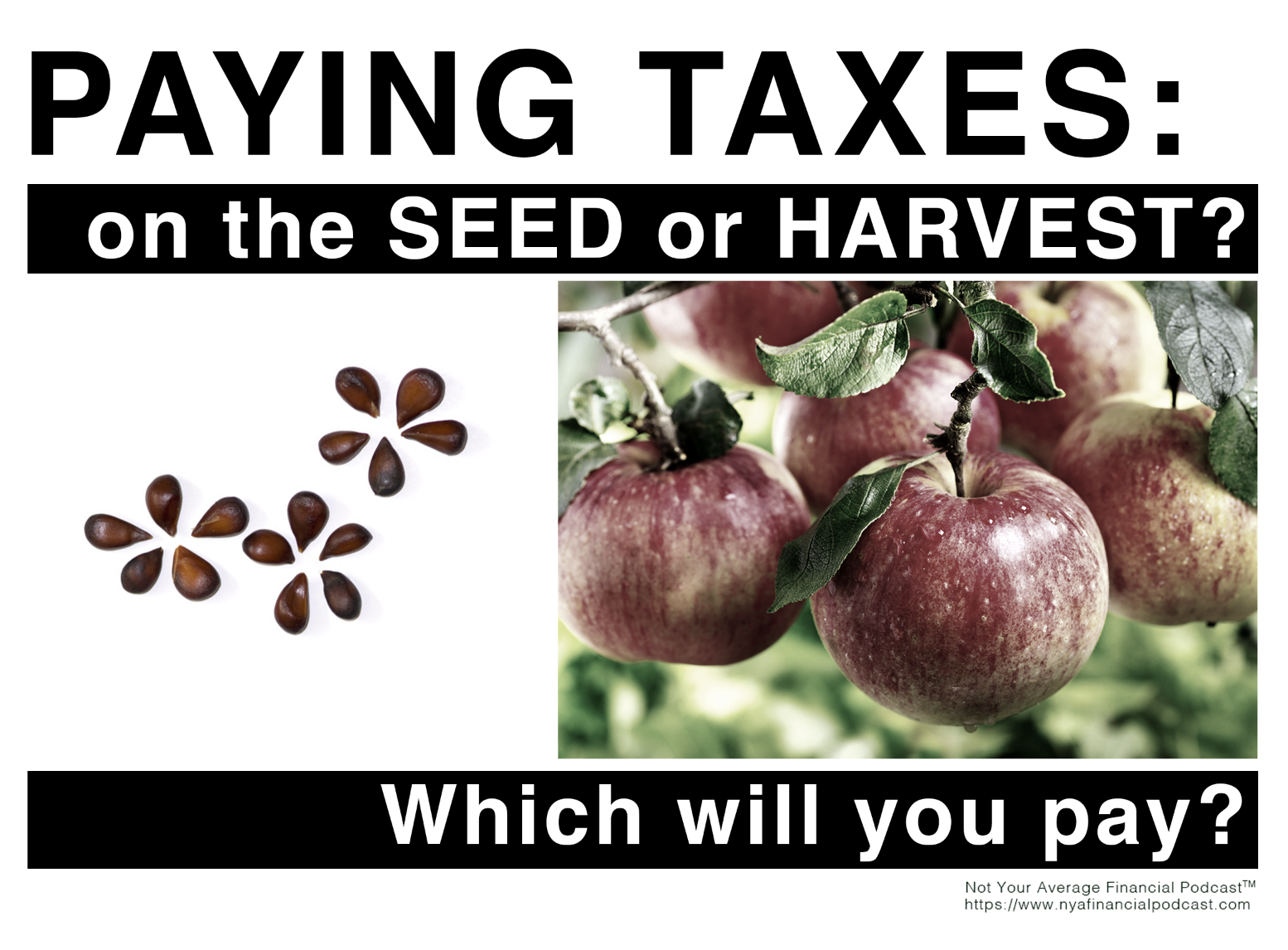
  • What’s smaller? The seed or the harvest?
  • Would you like to defer your taxes?
  • Would you like to pay your taxes now?
  • Are taxes going up?
  • How can you get access to a death benefit while you’re still alive?
  • How do Long Term Care policies work?
  • Do you need Long Term Care?
  • What is the average cost of a nursing home today?
  • Do you know how much your taxes are going to be this year?
  • Will you get a refund? What happens to the refund?
  • Can you use a Bank On Yourself policy for taxes?
  • What about Self Employed individuals?
  • Would you rather prefer a dollar today or a dollar tomorrow?
  • Do you have to prove to the IRS that that’s your money?
  • How will your bigger paycheck affect your taxes?
  • Have you gone to the IRS website to see what your estimated taxes will be?
  • Are you giving the IRS a no interest loan?
  • Are you proud when you receive a tax refund?

Episode 29: Tax Advantages with Bank on Yourself

March 23, 2018 by Not Your Average Financial Podcast

https://media.blubrry.com/nyafinancialpodcast/content.blubrry.com/nyafinancialpodcast/NYAFP_Episode_29.mp3

Podcast: Play in new window | Download

Subscribe: Apple Podcasts | RSS

In this episode, we ask:

  • Is there someone at the IRS who you’re particularly fond of?
  • Do you have more than one beneficiary on your IRA or 401(k)?
  • What did we mention over and over in our last episodes?
  • Are taxes likely to go UP or DOWN in 2025?
  • What changes can we anticipate?
  • What are the tax advantages from Bank on Yourself?
    • How are distributions taxed from Bank on Yourself policies?
  • Would you like Tax Free Retirement Distributions and Withdrawals?
  • Would you like to take the anxiety and guesswork out of retirement?
  • Do I have to hold on to the S&P with white knuckles?
  • What are the two key unknowns in the government-sponsored qualified plans?
  • How do Bank on Yourself policies grow?
  • How are Bank on Yourself policies like ROTH plans?
  • How do dividends affect policy performance?
  • How do you access cash value tax free?
  • How do you pay your taxes now on life insurance premiums?
  • Will you get a 1099 for the growth in your life insurance policy?
  • How many withdrawals can you take from a policy without any tax consequences?
  • Once you’ve exceeded the cost basis, how can you get money from the policy tax free?
  • What about the possibility of a policy lapse?
  • What about the horror stories?
  • How do you know you’re working with the right advisor?
  • What are some ways we can avoid lapse?
  • What happens to couples who earn over $44K annually?
  • What’s the problem with required minimum distributions (RMDs)?
  • How does a Bank on Yourself plan affect your capacity to apply for student aid?
  • How do business owners use Bank on Yourself policies for paying taxes and financing big purchases?
  • What is the tax treatment for a death benefit?
  • What are the tax implications with an inherited IRA?
  • How are life insurance death benefits treated in probate court?
  • Can creditors and predators come after money in probate court?
  • Can creditors and predators come after death benefits?
  • Can you save as much as a death benefit?
  • What inheritance options are drama free?

Episode 28: Hug Your CPA and your IRS Agent

March 16, 2018 by Not Your Average Financial Podcast

https://media.blubrry.com/nyafinancialpodcast/content.blubrry.com/nyafinancialpodcast/NYAFP_Episode_28.mp3

Podcast: Play in new window | Download

Subscribe: Apple Podcasts | RSS

In this episode, we ask:

  • What is going on with the new tax law (the Tax Cuts and Jobs Act)?
  • What’s new with personal taxes?
  • What does the tax code encourage?
  • Where are the tax breaks?
  • How is the effective tax rate different from the marginal tax rate?
  • How does this affect the Mortgage Interest Deduction?
  • How much will this raise the federal deficit?
  • What about the Affordable Care Act / Obamacare tax?
  • How does this affect the socioeconomic structure in the U.S.?
  • What is the hope of the tax law?
  • What about the Estate Tax?
  • What about the Child Tax Credit?
  • What’s the difference between the credit and a deduction?
  • How do we stack up compared to the rest of the world in corporate tax rates?
  • What’s new with corporate taxes?
  • What are the updates with pass-through income?
  • What happens to the net interest deduction?
  • What about the carried interest loophole?
  • What are some of the areas where it’s all stayed the same?
  • Tax handling of Qualified Plans will continue unchanged (529s may be accessible for K-12 tuition needs, this varies by state.)
  • Will more people choose the standard deduction over itemized deductions?
  • Will people continue charitable giving?
  • Did the new law simplify the code?
  • Does the new tax law truly provide cuts?
  • Are you seeing an increase in take-home pay with the tax shift?
  • Why is the word “Jobs” in the title?
  • Are we in the lowest tax brackets of our lifetimes right now?
  • When do most of these changes expire?
  • What should we be doing with our money in light of these temporary changes?
  • Is this the best time to be deferring taxes?
  • How is every 401(k) being taxed?
  • What is something we can pay the tax on TODAY, so we don’t have to pay tax on it in the future?
  • How many trillion dollars is currently sitting in qualified accounts?
  • What is the amount of the government’s unfunded liabilities?

Note: We are not tax experts. Please consult your CPA, your attorney and your tax specialists as you navigate the new tax law.


Single filers, 2018-2025
Taxable income over Up to Marginal rate
$0 $9,525 10%
$9,525 $38,700 12%
$38,700 $82,500 22%
$82,500 $157,500 24%
$157,500 $200,000 32%
$200,000 $500,000 35%
$500,000 And up 37%
Heads of household, 2018-2025
Taxable income over Up to Marginal rate
$0 $13,600 10%
$13,600 $51,800 12%
$51,800 $82,500 22%
$82,500 $157,500 24%
$157,500 $200,000 32%
$200,000 $500,000 35%
$500,000 And up 37%
Married couples filing jointly, 2018-2025
Taxable income over Up to Marginal rate
$0 $19,050 10%
$19,050 $77,400 12%
$77,400 $165,000 22%
$165,000 $315,000 24%
$315,000 $400,000 32%
$400,000 $600,000 35%
$600,000 And up 37%
Married couples filing separately, 2018-2025
Taxable income over Up to Marginal rate
$0 $9,525 10%
$9,525 $38,700 12%
$38,700 $82,500 22%
$82,500 $157,500 24%
$157,500 $200,000 32%
$200,000 $300,000 35%
$300,000 And up 37%

Source: Joint Committee on Taxation.

Episode 27: A College Degree from Bank on Yourself

March 9, 2018 by Not Your Average Financial Podcast

https://media.blubrry.com/nyafinancialpodcast/content.blubrry.com/nyafinancialpodcast/NYAFP_Episode_27.mp3

Podcast: Play in new window | Download

Subscribe: Apple Podcasts | RSS

In this episode, we ask:

  • What does the Wall Street Journal say about qualifying for student aid?
  • What is a 529 plan?
  • How does it affect aid on the Federal level? When colleges set up their own aid?
  • How do financial aid officers look at 529 funds? How do they treat it?
  • Do you know which college your kids / grandkids are applying for?
  • What are some ideas for managing the 529 plan as you approach paying for college?
  • How are the 529 plans like other qualified plans, for example the 401(k)?
  • What is one of the most predictable and reliable ways for saving for big purchases?
  • How do you maintain control of the money, so you can spend it without strings attached?
  • How do you eliminate the opportunity cost with this large amount of money?
  • Who does the money ultimately benefit with a Bank On Yourself college solution?
  • When do loans kick in for kids?
  • Who’s in charge of the loan payback schedule?
  • What about a parent matching program?
  • Who wants to leave an inheritance to Sallie Mae?
  • What about kids that don’t pay the parents back on these loans? What recourse do the parents have?
  • How do Bank On Yourself policies get reported on the FAFSA forms?
  • Where does your money live?
  • What if your money lives in a 529 plan? A savings account? A checking account?
  • What are the restrictions on a 529 plan?
  • What if you or your kid needs a laptop? To get married? To buy a car?
  • How does the money work double duty?
  • How can you pay for college tuition and long term care?
  • How can you pay for college tuition and retirement?
  • How can you pay for college tuition without going broke?
  • How can you pay for college tuition without being a burden on your kids, financially, as you age?
  • How can you get federal student loans that are subsidized?
  • How do subsidized loans work well with a Bank on Yourself policy?
  • Would you like 0% interest for four years?
  • How can you wipe out student loan debt with a Bank on Yourself policy?
  • What happens to your plan at the end? Do you have to work on it or does it self complete?

Episode 26: Paying for College? What are my options?

March 2, 2018 by Not Your Average Financial Podcast

https://media.blubrry.com/nyafinancialpodcast/content.blubrry.com/nyafinancialpodcast/NYAFP_Episode_26.mp3

Podcast: Play in new window | Download

Subscribe: Apple Podcasts | RSS

In this episode, we ask:

  • If college aid is so complicated, why are we expected to do this on our own?
  • Can an accountant help with college planning?
  • How do I find a college funding specialist?
  • How is paying for college like flying on an airplane?
  • What’s Holly’s story with flying?
  • What key questions should you ask a potential college specialist?
    • What exactly are you going to do for me?
    • Can you make this problem go away?
    • Are you going to help me with my income and asset allocation?
    • Will you help me pick a school?
    • Will you help me fill out forms correctly?
    • Will you help me negotiate?
    • Will you make sure that I get a fair offer?
    • Can you eliminate the administrative errors?
    • Will you integrate sound financial strategies?
    • Do you offer any guarantees?
    • Do you offer a refund if we’re not happy?
    • Will you coach my student?
  • How do the test results matter?
  • How old do my kids need to be to start considering college planning?
  • What years in high school do the financial aid offices look at potential students?
  • How can we get the lowest EFC (expected family contribution) possible?
  • How can we know the chances of a student getting into a certain school?
  • Does your student need an objective third party to talk to (other than parents) about college planning?
  • How can we get more merit-based aid?
  • What’s the difference between a full-ride and having to pay for college?
  • Do you have a negotiator in your corner?
  • Are you interested in knowing what your financial aid package is before you even apply to a certain school?
  • What questions do you have?
  • Would you like to meet with Holly to talk about your college planning needs?
    • Book a college planning consultation on Holly’s calendar.
  • How much does the average family receive in financial aid?
  • What is the quote from T. Boone Pickens? “A fool with a plan is better than a genius with none.”
  • Is there life after college?
  • How do you get the best college aid plan possible?

Episode 25: Where Will I Get the Money for College?

February 23, 2018 by Not Your Average Financial Podcast

https://media.blubrry.com/nyafinancialpodcast/content.blubrry.com/nyafinancialpodcast/NYAFP_Episode_25.mp3

Podcast: Play in new window | Download

Subscribe: Apple Podcasts | RSS

In this episode, we ask:

  • What are the four main sources of college aid?
    • What does the Federal Government offer?
    • What does a work study program offer?
    • What about Stafford and Perkins loans?
      • Who borrows money on these loans?
      • Which loans require cosigning?
        • What happens if your kid quits school or the kid doesn’t find an income stream soon after graduation?
    • What about Parent Plus loans?
    • Which loans balloon or stack up?
    • On which loans are the interest deductible?
    • Is there a Parent Plus loan in your aid package?
    • What does the State Government offer?
    • What about the colleges themselves?
      • How do you get most aid from the college you want to attend?
  • How does one start to plan for sending kids to college?
  • What percentage of FAFSA forms are submitted incorrectly?
  • What happens on October 1st of your high schooler’s senior year?
  • What is the CSS profile form?
  • What paperwork does each higher education institution require?
  • What forms do you need to consider if you are divorced?
  • What happens to the Family Contribution when there are more than 2 parents involved?
  • How does this affect how much aid you’re eligible for?
  • What does each school require?
  • How do you navigate all of this on your own?
  • How might we help you with our tools?
  • Will you pay the sticker price for the school?
  • Are private schools always more expensive than public schools?
  • Do you have to take the award offer as it’s stated?
  • How do you negotiate your award offer?
  • Is your award offer fair?
  • Who do we partner with to review award offers?
  • What laws and amendment have recently been passed regarding education costs?
    • College Cost Reduction Act (2007)
    • American Recovery and Reinvestment Act (2009)
    • American Opportunity Tax Credit Extension (2011)
    • How do these impact how you plan, save and pay for college?
  • When should you start to plan?
  • Who needs to be on your college planning team?
  • What questions should you ask a potential college planning advisor?
  • How can you put you and your child in the best position possible?

Prev Page...
...Next Page
Be Awesome

Sign Up and Receive Weekly Email Notifications

Not Your Average Financial Podcast
  Thank you for Signing Up
  Please correct the marked field(s) below
1,true,6,Contact Email,2
1,false,1,Last Name,2

Copyright © 2026 · Maron Pro Theme on Genesis Framework · WordPress · Log in