Not Your Average Financial Podcast™

Think different about your money, your economy and your future. Be curious. Be stable. Be sane.

Episode 155: Six Ways to Spend Less and Enjoy Life More

August 21, 2020 by Not Your Average Financial Podcast

https://media.blubrry.com/nyafinancialpodcast/content.blubrry.com/nyafinancialpodcast/NYAFP_Episode_155.mp3

Podcast: Play in new window | Download

Subscribe: Apple Podcasts | RSS

In this episode, we ask:

    • Once upon a time, did you cut up a credit card?
    • What about six year term loans on cars?
    • What about consumer debt?
    • Where are we now?
    • Are Americans drowning in debt?
    • What’s the difference between the last recession and now?
    • What’s the bright side of the pandemic?
    • What has happened to consumer debt?
    • What is different now?
    • Are we buying as much?
    • Will we go back to the spending spree?
    • When will the debt chickens come home to roost?
    • What about relationships?
    • What about experiences?
    • Do you remember what gifts you received from the holidays 5 years ago?
    • Who is in debt?
    • What did Mark learn from Katrina?
    • What is the principle of Occam’s razor?
    • How does this principle look in action?
    • Are your subscription services multiplying?
    • Do you eat take out every night?
    • Do you have memberships?
    • Have you recently taken stock of your spending habits?
    • What are the six tips?
    • What is a want?
    • What is a need?
    • Are you sexy? Sophisticated? Cool?
    • How do advertisements affect our behavior?
    • Are you able to take a box breath?
    • What is a box breath?
    • Can you inhale for four counts?
    • Can you hold your breath for four counts?
    • Can you exhale for four counts?
    • Can you hold your breath for four counts?
    • Could you take a box breath before a purchase?
    • What’s the worst thing that can happen if I don’t purchase the thing?
    • Will buying this give lasting pleasure?
    • What about the spending pleasure meter?
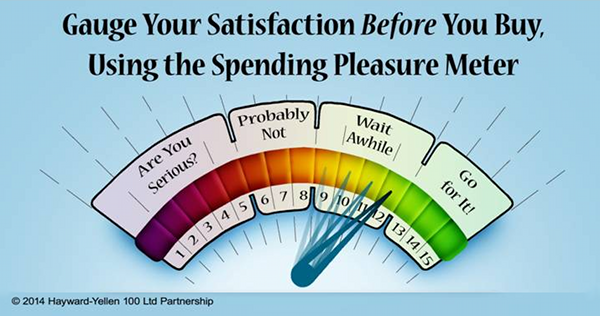
      • Will the purchase be a real pleasure or a real waste?
      • How long have I wanted this?
      • Did I want this before I saw something else similar?
      • The last time I purchased a similar item, how long did the enjoyment last?
      • If I finance or charge this item, will I still be paying for it after the pleasure is gone?
      • Can I postpone this purchase for a month without causing harm, discomfort or inconvenience to myself or others?
    • What’s the score card?
    • Would you like to fill out the Spending Pleasure Meter?
    • Would you like to send a screenshot of your results to hello@nyafinancialpodcast.com?
    • How can you curb the impulse?
    • What about wrapping up the credit cards with paper stating your goal?
    • Have you written out your financial goals?
    • What really makes you REALLY happy?
    • Do you want to clean that thing?
    • What do you want to enjoy today?
    • How long does the “happy” last?
    • When is the expiration date?
    • What is perceived obsolescence?
    • Are you a visual learner?
    • Can you see yourself throwing away the item?
    • What is the hedonic treadmill?
    • What about Parkinson’s law?
    • How do we pursue happiness?
    • What is your happiness set point?
    • What about lottery winner happiness?
    • What about paraplegic happiness?
    • What about the baseline?
    • Can our long term average level of happiness change?
    • How might we impact our baseline level of well being?
    • What voluntary, internal circumstances are under our control?
    • Are we consistently and constantly grateful?
    • How does gratitude help us become a more conscious spender?
    • Do we crave material goods?
    • What about loving kindness meditation?
    • Do you notice and accept your emotions?
    • How might you simplify your life?
    • How might you find meaning and pleasure?
    • What about vocations and hobbies?
    • What are you grateful for?
    • How might you cultivate your relationships?
    • What about the mind body connection?
    • What about exercise?
    • What are your spending triggers?
    • What are some strategies?
    • Want a bonus tip?
    • What about Richard Thaler?
    • What if we took the best parts of human behavioral psychology and applied it to spending?
    • What if you moved money from savings to checking (instead of checking to savings)?
    • What did Warren Buffet say?
    • What are the takeaways?
    • Would you like an intro call with Mark?
    • What about a spending journal?
    • Could HR start depositing your check into savings instead of checking?
    • What about the spending pleasure meter?
    • Would you like to leave us a review? Send us a screenshot to hello@nyafinancialpodcast.com and we will send you a FREE book!
    • Would you like to join us for our upcoming webinar on Saturday September 12 at 10AM CT?

  • If you haven’t already, would you like to join our mailing list?

Episode 154: Invest Local! Private Money Lending with David C. Barnett

August 14, 2020 by Not Your Average Financial Podcast

https://media.blubrry.com/nyafinancialpodcast/content.blubrry.com/nyafinancialpodcast/NYAFP_Episode_154.mp3

Podcast: Play in new window | Download

Subscribe: Apple Podcasts | RSS

In this episode, we ask:

  • Who is David C. Barnett?
  • How did David get into private money lending?
  • How does David look for deals that help improve the borrower’s business?
  • What’s David’s story?
  • What about doing financial deals?
  • What about commercial debt brokerage?
  • What did the limited power attorney allow David to learn?
  • Do we know what will happen in the future?
  • What about collateral?
  • What about Plan B?
  • What happens when things go south?
  • How do the wealthy stay wealthy?
  • What about the small deals?
  • What about doing a small deal with your own money?
  • What about the percentage?
  • What about selling the collateral piece if it doesn’t work out?
  • What about social, moral trust?
  • What about retail vs. wholesale investment?
  • What is a retail investment?
  • What does a bank do with a certificate of deposit?
  • What happens with the repo man?
  • How might you increase your rate of return?
  • Are these sort of deals the riskiest?
  • How do you build your network?
  • What about diversification?
  • What about risk and reward?
  • How do you find opportunities?
  • Should you put an ad out?
  • How do you connect with a club?
  • How do you build a network?
  • Where is the social angle?
  • How is a network self filtering?
  • What about credit reporting?
  • What are the advantages of a private deal?
  • Will it affect the borrower’s credit score?
  • What are the protections?
  • What about diversification?
  • What about the notes as an asset?
  • What about a rate with compound yield?
  • What happens if the zombie apocalypse happens?
  • What’s the worst case scenario?
  • What about Nassim Taleb’s barbell strategy?
  • What about the rattlesnake?
  • What about leverage strategies?
  • What about thinking about someone’s personal needs?
  • How might you benefit your borrower?
  • How might you collateralize?
  • What legal documents do you need?
  • How is personal property different from real estate?
  • What about the contracts?
  • Do you need to go in front of a judge?
  • If someone can’t make the payment, what’s likely happening?
  • What about a nuance in the language?
  • What’s a UCC filing?
  • What about creating a registration?
  • How do you choose which loans are worth it?
  • What are the rules in your state?
  • What is the limit on the interest you can charge?
  • What about consumption?
  • What about financing business needs or personal needs?
  • What are the circumstances that must exist for David to make a loan?
  • How does this increase cash flow?
  • How does this increase revenue?
  • How does this help them save money?
  • Why did David write this book?
  • Can you do deals on the side?
  • How much should you limit yourself?
  • How might you leverage deals with your knowledge and expertise?
  • Would you like to learn more at davidcbarnett.com?
  • Would you like to download his free book?
  • How might you invest in what you know?
  • Do you know your borrower?
  • Do you have liquid capital?
  • How might you be an ethical lender?
  • How might you provide a solution for those in need?
  • Would you like to leave us a review?
  • Send us a screenshot of your review to hello@nyafinancialpodcast.com, and we will send you a free book!

Get our episodes delivered right to your inbox so you don’t miss the amazing free content we’re giving out each week. Also get exclusive access to live calls, office hours and Q&A with me and our esteemed guests!

http://nyafinancialpodcast.com/subscribe/

David Barnett works with entrepreneurs around the world helping them to buy, sell and organize their small and medium sized businesses.

He’s the author of 8 titles on Amazon (Read David’s Books) and has been maintaining a YouTube channel (watch David on YouTube) covering these topics which has hundreds of videos.


Episode 153: Assisted Living Investing Strategies with Gene Guarino

August 7, 2020 by Not Your Average Financial Podcast

https://media.blubrry.com/nyafinancialpodcast/content.blubrry.com/nyafinancialpodcast/NYAFP_Episode_153.mp3

Podcast: Play in new window | Download

Subscribe: Apple Podcasts | RSS

In this episode, we ask:

  • Who is Gene Guarino?
  • What is the Residential Assisted Living (RAL) Academy?
  • What is it about an idea that’s time has come?
  • What is the silver tsunami of seniors?
  • What about the boomers?
  • Have you experienced a family “event”?
  • What do parents want and need?
  • Who needs help with Activities of Daily Living?
  • Who wants to stay in a single family home instead of a large facility?
  • What about community?
  • What about a single family home that is too large?
  • What about care in the home?
  • Why is there an aversion to Long Term Care insurance?
  • What about running a business?
  • What are the costs?
  • What are the start up expenses?
  • What about the location?
  • What about finding an operator?
  • What about leasing?
  • What about 5 year lease contracts?
  • What is a giant advantage of liquidity?
  • How does Gene incorporate his family into his business?
  • How might you give your kids encouragement and empowerment?
  • How might you bring your kids along?
  • Would you like to download the book or watch the webinar at ral101.com?
  • What part are you going to play in the silver tsunami?
  • Would you like to live somewhere other than your own home if you need daily assistance?
  • What can a whole life insurance policy offer?
  • What is an accelerated death benefit rider?
  • How might this rider pay for care?
  • What about observation days?
  • What are the kids learning about leadership?

Gene Guarino is the founder of the Residential Assisted Living Academy. The RAL Academy is the premier source for education in owning, operating and investing in Residential Assisted Living and senior housing. Gene has trained thousands of people from across the country how to turn single family homes into cash flow machines.

RAL Academy’s motto is Do Good and Do Well. Gene has written 4 books and hosted 3 radio shows and has spoken in 5 countries and over 50 cities in the last year alone. 

Episode 152: Build Your Silent Sales Machine with Jim Cockrum

July 31, 2020 by Not Your Average Financial Podcast

https://media.blubrry.com/nyafinancialpodcast/content.blubrry.com/nyafinancialpodcast/NYAFP_Episode_152.mp3

Podcast: Play in new window | Download

Subscribe: Apple Podcasts | RSS

In this episode, we ask:

  • Have you had an income disruption this year?
  • Would you like to cultivate another stream of income?
  • Who is Jim Cockrum?
  • What was little kid Jim’s first business?
  • What about more traffic?
  • What about the opportunity?
  • What is the community that Jim has built?
  • What are the success stories?
  • What is the CES model?
  • What is the ‘silent sales machine’?
  • What about consult?
  • What about expanding?
  • What about selling?
  • What about selling physical products?
  • What about serving your audience?
  • How might you serve well?
  • How might you expand your audience?
  • How might you teach?
  • What about people who have day jobs?
  • What about “just in time” information?
  • What about “just in case” information?
  • What can I use now?
  • How might you create an idea in your head and make money with it?
  • What about a list of people who can’t wait to hear what you say next?
  • How might you grow an audience?
  • Are we relevant?
  • How many people do you have that will listen when you talk?
  • What is an asset?
  • Who knows you?
  • Who likes you?
  • Who trusts you?
  • What does it take?
  • Is it about volume?
  • Is it about getting in front the right people?
  • What are the risks?
  • Are you always learning?
  • How might you test your ideas?
  • How might you leverage the platforms from the comfort of your chair?
  • How would you like to take action?
  • What about third party sellers on Amazon?
  • What percentage of all retail in the U.S. is online right now?
  • Is the opportunity in its infancy?
  • What are the success stories?
  • What’s Oscar’s story?
  • What about intense focused effort (without sacrificing relationships)?
  • What’s Mike’s story?
  • What did Mike do with Death Wish coffee?
  • How might you engage the internet as an asset?
  • How might you build real trust and provide value over time?
  • What about selling, expanding and consulting?
  • How might you protect your integrity?
  • Would you like to learn more at silentjim.com?

Jim Cockrum & his team have been on a mission, since the 90s, to help entrepreneurs THRIVE by combining classic business truths with cutting edge creative online strategies.   They now boast over 1,000 documented success stories from entrepreneurs and businesses around the world, but they are just getting started!
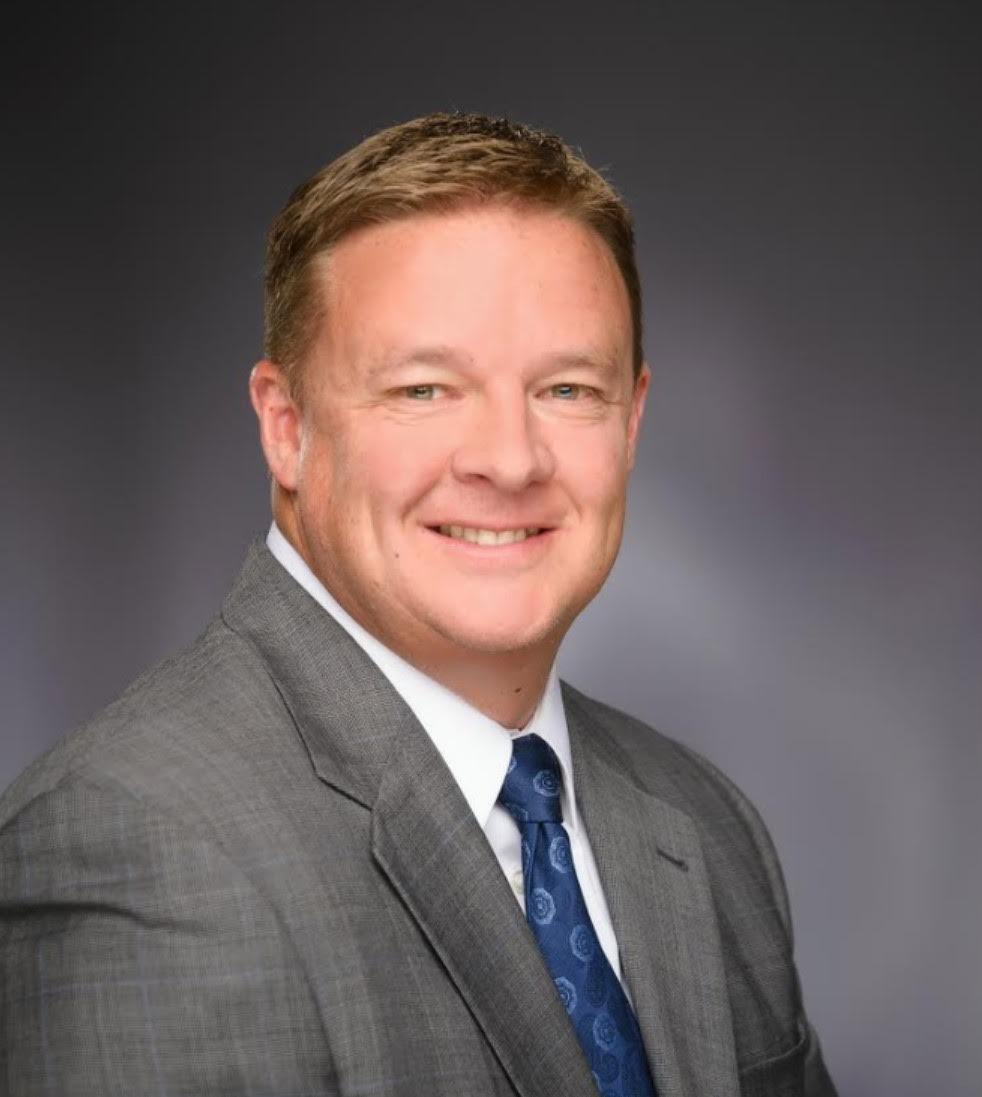
Jim was ranked among the most trusted Internet Marketers in the world (among hundreds of ‘experts’ his name keeps showing up on top) according to the 60,000 voting members of an independent watchdog service. His best selling book “Silent Sales Machine” has been read by over 1,000,000 people around the world and is a consistent top 10 seller on Amazon in the Internet business category. 

His business mission in life is to assist those who have an entrepreneurial heart and help them build sustainable income streams online.

He is a proud husband and father of five.  Three are internationally adopted children and his faith grounds him in his principles for business and life.


Episode 151: Live Webinar: How to Pandemic Proof Your Money

July 24, 2020 by Not Your Average Financial Podcast

https://media.blubrry.com/nyafinancialpodcast/content.blubrry.com/nyafinancialpodcast/NYAFP_Episode_151.mp3

Podcast: Play in new window | Download

Subscribe: Apple Podcasts | RSS

In this episode, we ask:

  • How do you pandemic proof your money?
  • How do you antivirus your money?
  • Who are the Amazon Legends?
  • What are the opportunities to pandemic proof your money?
  • What’s the brand new game?
  • Who wants to build real wealth?
  • Is market turbulence going away?
  • What are the problems with our mindset?
  • What about saving?
  • Is Wall Street the problem?
  • What’s the distinction between saving and investing?
  • How many businesses are going to be out of business in six months?
  • What about flawed advice?
  • What about feel good information?
  • What about common advice?
  • What happens when losses are thrown into a portfolio?
  • How does this affect the long term outcome?
  • What’s the hidden viper in your portfolio?
  • What breaks compound growth?
  • Can you make a up a 10% loss this year with a 10% gain next year?
  • Why not?
  • What about personal financial loss?
  • What about global financial loss?
  • What about average rates of return?
  • What’s the difference between averages and actual results?
  • What’s the compound annual growth rate (CAGR)?
  • How are there more disclosures on food than on a 401(k)?
  • How many market crashes have we had since the year 2000?
  • Will there be more financial crises?
  • Who do you trust?
  • Where is real wisdom?
  • What are the results of the poll?
  • How many have suffered a stock market loss this year?
  • How many have suffered a health issue?
  • How many have had a business downturn?
  • How many have experienced a job loss or hours reduction?
  • What tools might we use to antivirus money?
  • Would you like to be ready for the next recession?
  • What are our two proven strategies?
  • How might you harness uninterrupted compound growth?
  • What about disability?
  • What’s Dan’s story?
  • What is the income maximization strategy?
  • What about Forbes’ billionaire escape plans?
  • What about fixed indexed annuities?
  • What happened in 1998? 2000?
  • What happens when the market rebounds?
  • What ride would you rather take?
  • Do you like streams of passive income?
  • What can annuities do for you?
  • What’s your ROI?
  • What is your “rate of income”?
  • Are there any negative years?
  • What happens if you wait to take income?
  • Can you make it?
  • What is the most valuable commodity?
  • Would you like to reach out to Mark?
  • View Mark’s Calendar and Select a Time to Talk

Episode 150: Retire Like A Millionaire on Way Less Than That

July 17, 2020 by Not Your Average Financial Podcast

https://media.blubrry.com/nyafinancialpodcast/content.blubrry.com/nyafinancialpodcast/NYAFP_Episode_150.mp3

Podcast: Play in new window | Download

Subscribe: Apple Podcasts | RSS

In this episode, we ask:

  • Should you save more money?
  • Has retirement planning changed?
  • What is the responsibility?
  • What three things do you need to do during retirement years?
  • What about risk?
  • What about sequence of return risk?
  • What about the risk of longevity?
  • What about the risk of inflation?
  • What about generating an income in retirement?
  • How might you smartly decide how much to take out each year?
  • How might you consistently get growth on your nest egg?
  • What is the job?
  • How might you reduce the pressure on your retirement “job”?
  • What about a case study?
  • What about the 4% rule?
  • Are there any other options?
  • Does it have to be this hard?
  • What about the index?
  • What about guaranteed income?
  • What is the income maximization strategy?
  • What about fixed income annuities?
  • How might you reduce the risk of longevity?
  • How might you reduce the market risk?
  • What about income?
  • What about reducing your withdrawal pressure?
  • What about executive wall street bonuses?
  • What about an annuity bonus?
  • What about a participation rate in the index?
  • What about guarantees and predictability and lifetime income?
  • What are the options for getting the money out?
  • What about a level income?
  • What about future growth?
  • What about flexibility and freedom?
  • What about other possibilities?
  • What is the barbell strategy?
  • Have you heard Episode 50?
  • What is the power of adding a Fixed Indexed Annuity?
  • Would you like to see an example?  Sign up here to get them!

In this episode, we mentioned a visual spreadsheet on various ways you can take income from fixed indexed annuities. To view all the numbers and to download this spreadsheet, sign up here for access!


Episode 149: Become A Legacy Builder with Joe Overfield

July 10, 2020 by Not Your Average Financial Podcast

https://media.blubrry.com/nyafinancialpodcast/content.blubrry.com/nyafinancialpodcast/NYAFP_Episode_149.mp3

Podcast: Play in new window | Download

Subscribe: Apple Podcasts | RSS

In this episode, we ask:

  • Who is Joe Overfield?
  • How did Joe make his first dollar?
  • How many siblings does Joe have?
  • What sort of work does Joe do with Intelliplan Financial?
  • What about legacy?
  • What is the legacy builder binder?
  • If you were to pass away tomorrow, would your spouse know all of the assets you have, where to find them and who to contact in order to get them?
  • What happened four years ago?
  • How was the legacy builder born?
  • Would you like an estate planning binder?
  • Does this replace your estate plan or wills?
  • How does this organize your plans?
  • What can you prepare your family for after your life?
  • Have you done it?
  • Who do you want to receive your assets?
  • How long do you plan?
  • What is included in the legacy builder binder?
  • What sort of insurance policies do you have that need to be cancelled upon death?
  • What about the hospital?
  • Have you ever sat down and told your child that you want to go to certain hospital?
  • What about all of the assets?
  • What about social security?
  • What is the survivor’s checklist?
  • What about stay at home widows with children?
  • How often to update your information?
  • Where should you keep the legacy builder binder?
  • How do you bring up the subject with your parents?
  • Can you create this on your own?
  • Who are all of the people you need to contact after your loved one has passed?
  • How could you get a copy of the binder?
  • Would you like to order the legacy builder binder and the hour walkthrough with Joe? Reach out to Molly at 614-255-7547 or email Molly Kane at mkane@intelliplanfinancial.com.

After working several years in the insurance industry, Joe pursued a lifelong dream in 2015 and started his own firm, Intelliplan Financial. His practice is dedicated to foundational retirement income and helps show clients new strategies outside of the traditional retirement income planning box that stabilize and protect their financial futures. Joe strives to help manage any market volatility with the strategies provided so clients can feel confident and reach their retirement income goals.
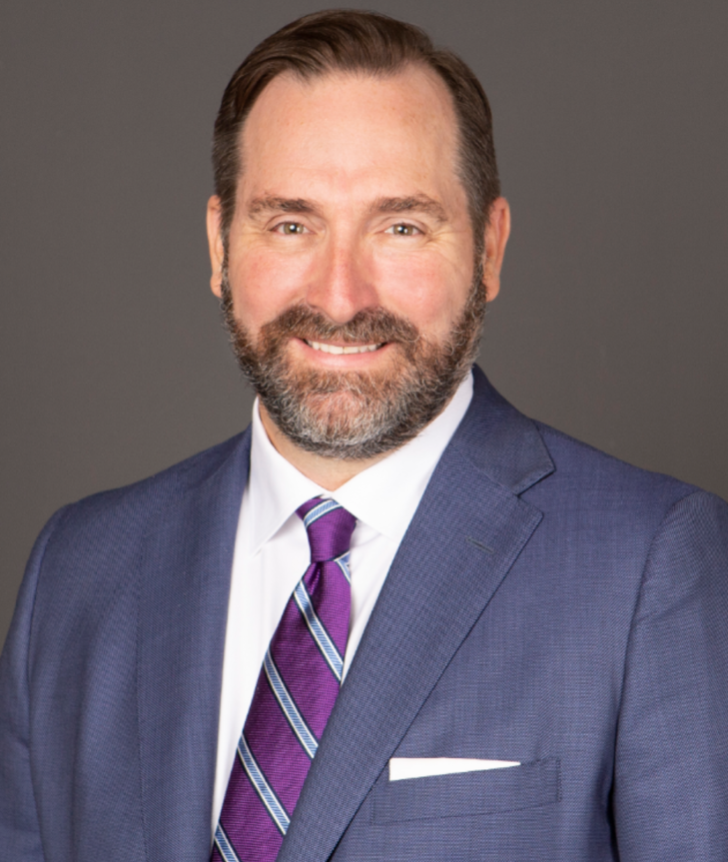
Joe has helped his clients grow and preserve their wealth by helping them take control to reach their retirement income goals without taking unnecessary risks.

Joe is a Certified Financial Fiduciary and one of only 200 life insurance agents in the country who have successfully completed the rigorous training and continuing education requirements to become a Bank On Yourself Authorized Advisor. He was inducted into the National Academy of Best-Selling Authors, as a co-author with Bank On Yourself CEO, Pamela Yellen, of the number-one Amazon best-seller, The Secret to Lifetime Financial Security.

Joe lives in the Columbus, Ohio area with his wife and two children, and has been practicing the principles of foundational planning since 2004.

Episode 148: Find The Power of Zero with David McKnight

July 3, 2020 by Not Your Average Financial Podcast

https://media.blubrry.com/nyafinancialpodcast/content.blubrry.com/nyafinancialpodcast/NYAFP_Episode_148.mp3

Podcast: Play in new window | Download

Subscribe: Apple Podcasts | RSS

In this episode, we ask:

  • Do you have a crystal ball?
  • Who is David McKnight?
  • Have you read David’s book, The Power of Zero?
  • Have you seen The Power of Zero: The Tax Train is Coming?
  • Will tax rates be dramatically higher than they are today?
  • What’s the disconnect between belief and action?
  • What about the book?
  • What about the fiscal situation of the U.S.?
  • What about bullies?
  • What is the Power of Zero paradigm?
  • What are the five takeaways (plus a bonus takeaway)?
  • Are we past the point of no return?
  • Will tax rates go up?
  • What about the 0% tax bracket?
  • Does this technically exist?
  • How might you position yourself?
  • What about multiple streams of tax advantaged income?
  • What about an LIRP?
  • What about social security?
  • When are tax rates going up?
  • What day will tax rates go up?
  • Are we enjoying historically low tax rates right now?
  • What happens in 2026?
  • Is there a tax sale going on right now?
  • Are you willing to pay a tax?
  • How might we pay tax on a lower amount?
  • Have you thought of it that way?
  • Is there a better time?
  • Are taxes “on sale”?
  • What are the risks of the Power of Zero?
  • What could go wrong?
  • What do you think the future of tax rates will be?
  • What are the possibilities?
  • Aren’t all retirees in a lower bracket?
  • What happens to deductions in retirement?
  • What about the standard deduction?
  • Do we spend less in retirement?
  • What about the Roth 401(k)?
  • What about the LIRP?
  • What products and tactics and strategies does David like?
  • What about Puerto Rico?
  • What’s the challenge with a Roth IRA?
  • What about income limitations?
  • Are there income limitations with a LIRP?
  • How are LIRPs more flexible?
  • What is the standard deduction?
  • What about disbursements?
  • What about the nuances?
  • What about the thresholds?
  • Will your social security be taxed?
  • What about the CARES Act and the SECURE Act?
  • What about the tax realities under the new legislation?
  • What about inflation?
  • Does printing money solve the problem?
  • What about reverse mortgages?
  • Do kids want the parent’s house?
  • Have you seen David’s documentary, The Power of Zero: The Tax Train is Coming?
  • Have you heard David’s podcast, the Power of Zero show?
  • What is the future standard deduction?
  • What are people saying?


David McKnight graduated from Brigham Young University with Honors in 1997.  Over the past 20 years David has helped put thousands of Americans on the road to the zero percent tax bracket. He has made frequent appearances in Forbes, USA Today, New York Times, Fox Business, CBS Radio, Bloomberg Radio, Huffington Post, Reuters, CNBC, Yahoo Finance, Nasdaq.com, Investor’s Business Daily, Kiplinger’s, MarketWatch and numerous other national publications.  His bestselling book The Power of Zero has sold over 200,000 copies and the updated and revised version was published by Penguin Random House. When it was launched in September of 2018, it finished the week as the #2 most-sold business book in the world.  In 2019 The Power of Zero was ranked as the #9 best financial resource in the country by Forbes Magazine.  This book was recently made into a full-length documentary film entitled The Power of Zero: The Tax Train Is Coming.  As the President of David McKnight & Company, he mentors hundreds of financial advisors from across the country who specialize in the Power of Zero retirement approach.  He and his wife Felice have seven children.
Episode 147: To Win The Lottery, You Have to Buy a Ticket with Ros Kaspi

June 26, 2020 by Not Your Average Financial Podcast

https://media.blubrry.com/nyafinancialpodcast/content.blubrry.com/nyafinancialpodcast/NYAFP_Episode_147.mp3

Podcast: Play in new window | Download

Subscribe: Apple Podcasts | RSS

In this episode, we ask:

  • Who is Ros Kaspi?
  • What’s her story and background?
  • What were people telling Ros?
  • What caused Ros to change tracks?
  • Where did Ros find her opportunity?
  • What caused Ros to go out as an entrepreneur?
  • What about yoga?
  • What about a retreat?
  • What about a bed and breakfast?
  • What did Ros learn about opening a business?
  • Who was on her team?
  • What happened to her father?
  • What did Ros do in Chicago, and what did she learn?
  • What about happiness?
  • What about credit cards?
  • How is Israel different from the U.S., regarding credit cards?
  • What about Bank on Yourself type whole life insurance policies?
  • What about property?
  • What about real estate?
  • What’s an amazing way to buy property?
  • What was it like learning about the Bank on Yourself strategy?
  • What about the portfolio of policies?
  • How have the current events impacted her tenants?
  • Has the coronavirus impacted her income?
  • How has her perspective changed around money?
  • How is an employee mindset different from an entrepreneurial mindset?
  • How might your money work for you?
  • What does Ros love about Mark?
  • What about talking through ideas?
  • What about getting good feedback?
  • Do you have a personal financial advisor who is always there for you?
  • Is your financial advisor available?
  • What would Ros say to someone who is concerned about being too old?
  • How did Ros purchase a policy?
  • How did Ros purchase a cash property?
  • What are the things that intrigued Ros?
  • What other nuggets of wisdom does Ros have to share?
  • What other feedback does Ros have?
  • What about a “win the lottery” joke?
  • Do you move your feet?
  • How much do you want to make?
  • What direction do you want to go?
  • What about Bob Proctor, Jack Canfield and the mastermind group?
  • Isn’t that amazing?
  • How might we overcome obstacles?
  • If you could not leave money to your children or to the world, but only principles, habits and ideas to achieve success, what would those be?
  • Would you like to reach out to Ros? Email her at roskaspi@gmail.com!
  • Have you been sucked into financially difficulty?
  • What’s the next first step?
  • Are you the boss of your money?
  • Is your money ‘your employee’?
  • What does Ros want to add about the tax benefits?
  • What about the mastermind?
  • What’s the difference between success and failure?
  • What’s the difference between being alone and being together?

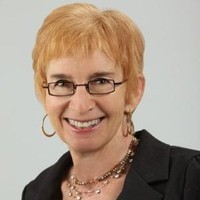
A world traveler, Ros Kaspi was born in Chicago, lived in Tel Aviv for many years, and in 2004 came back to Chicago to take care of her mother who just reached 99.

A business woman, an entrepreneur and Manager of a global company, she has experience and expertise. She studied Life Coaching with Bob Proctor and used his teachings to create Mastermind groups.

In recent years she has turned to real estate, purchasing condos, while using Bank on Yourself type whole life insurance policies to reach her real estate goals. Would you like to reach out to Ros? Email her at roskaspi@gmail.com.

Episode 146: Three Ways the CARES Act Will Impact Your Retirement

June 19, 2020 by Not Your Average Financial Podcast

https://media.blubrry.com/nyafinancialpodcast/content.blubrry.com/nyafinancialpodcast/NYAFP_Episode_146.mp3

Podcast: Play in new window | Download

Subscribe: Apple Podcasts | RSS

In this episode, we ask:

  • Has your family or your business been impacted by the current events?
  • What is happening with the unemployment numbers?
  • What are many Americans concerned about?
  • What are the statistics?
  • What is the CARES Act?
  • What is new with CARES Act that was passed this spring?
  • Is this tax advice?
  • Are you speaking with a tax professional?
  • What are the disclaimers?
  • Who has the correct information?
  • What does the CARES Act have to do with your retirement?
  • What does this crisis make possible?
  • What about the penalties and taxes?
  • What about the qualifications?
  • What is Mark’s opinion?
  • What are some potentially good uses of these opportunities?
  • What does this crisis make possible?
  • Is this the tax deal of a lifetime?
  • What is a 401(k)?
  • What is an IRA?
  • What are the rules?
  • What about distributions?
  • What about penalties?
  • What about the tax?
  • What are the qualifiers?
  • What happened to 401(k) loan rules?
  • Do you have to pay a 401(k) loan back?
  • What are the required payments?
  • What are the gotchas?
  • How does this become a full distribution?
  • What is Mark’s beef with 401(k) loans?
  • How are you going to repay that 401(k) loan?
  • Will it be pretax or after tax money?
  • Will it come out of cash flow?
  • What about the taxes?
  • What about 401(k) or IRA distributions?
  • What did Congress do with the early withdrawal penalty?
  • What about the taxes?
  • Is this the tax sale of a lifetime?
  • What about the penalty?
  • Has this ever been offered before?
  • What about the interest?
  • What about a Roth conversion?
  • What about the taxes?
  • What about the withdrawal penalty?
  • Do you want to pay tax now or later?
  • What about traditional IRAs?
  • Is your tax bracket the same as it was last year?
  • Do you know what your tax bracket will be this year?
  • Do you believe the market will rebound?
  • Do you need a hand?
  • What about fixed indexed annuities inside of a Roth IRA?
  • Would you like to hear more about income maximization?
  • How are you going to take advantage of this new opportunity?
  • What are your priorities?
  • What do you prefer?
  • What is different under the new rules?
  • Would you like to think through your situation with us?
  • Would you like to answer the question of the month?
    • How would you handle a financial crisis differently next time than you’re handling it this time?” Let us know before June 30, 2020! Leave Us A Message on SpeakPipe

CARES Act 2020 FAQ

Coronavirus relief: We answer your questions via experts in the field about how the CARES Act, the legislation signed into law by President Trump in March, 2020, affects retirement withdrawals and IRAs.


Does my employer offer these provisions?

The provisions are not automatic.

The CARES Act loan and distribution provisions require employers to adopt those rules, according to Nelson.

So you need to ask whether your employer offers these provisions in your 401(k) plan.

About 75% to 85%  existing 401(k) workplace plans currently offer some type of hardship or loan provision, Nelson says. 

Depending on your needs, you still have options even if your employer doesn’t include the new provisions. Prior rules allow Americans to take out a 401(k) loan of up to 50% of their vested account balance, or a maximum of $50,000. 


Who qualifies?

To qualify for the retirement distributions or loan provisions, you must have suffered a financial hardship from the pandemic. That includes being diagnosed with Covid-19; subject to quarantine; a business closure or reduce your hours; inability to work due to child-care issues; or if you’re not self employed and were laid off or had hours reduced.

To qualify for the provisions, individuals need to fall into one of two main categories.

  1. You, your spouse or a dependent is diagnosed with Covid-19, the disease caused by the new coronavirus.
  2. Alternatively, you qualify if you have experienced adverse financial consequences as a result of being quarantined, furloughed, laid off, having work hours reduced, being unable to work due to lack of child care or closures related to the coronavirus pandemic.

You, your spouse, or dependent has been diagnosed with the coronavirus (i.e., SARS-CoV-2 or COVID-19),

  • You have experienced adverse financial consequences because you have been quarantined, furloughed, laid off, or have had work hours reduced due to the coronavirus,
  • You are unable to work because of a lack of child care due to the coronavirus,
  • You own or operate a business and have had to close or reduce hours due to the coronavirus, or
  • You have experienced an adverse financial consequence due to other factors as provided in guidance issued by the Internal Revenue Service.


Which distributions get relief? 

If you are a “qualified individual,” up to $100,000 of distributions from IRAs and company savings plan made in 2020 are eligible for relief. IRA and company plan distributions are aggregated for this purpose.


What are the relief provisions for withdrawals? 

The first relief provision waives the 10% early distribution penalty. That penalty normally applies to IRA or company plan withdrawals if you are under age 59 ½, unless an exception applies. The CARES Act adds a new exception to that penalty but only if you are a “qualified individual.” 


The second relief provision provides relief if your financial situation improves and you no longer need the withdrawn funds. “Qualified individuals” can repay, tax-free, 2020 withdrawals to an IRA or company plan. Repayment must be made within three years of the date the money was received. If you have already paid taxes on a withdrawal that you later decide to repay, you can file an amended tax return to recover the taxes.


In most cases, your withdrawal will be taxable. To cushion the blow of getting hit with the entire tax in the year of distribution, the CARES Act permits you to spread any federal income tax over three years.


How Long is this Available?

In the year 2020.


IRA Distributions

Loans are not permitted from IRAs, says Denise Appleby, the CEO of Appleby Retirement Consulting. The language you cite, she says, refers to a distribution that can be rolled over within 60-days of receipt – extended to three years for coronavirus-related distributions.


These distributions are not, says Appleby, subject to the terms that apply to loans, such as: level amortized repayments, an interest rate that should be reasonable, a loan agreement, approval by the plan administrator, subject to availability under the terms of the plan


“Therefore, while the IRA distribution can be returned to the IRA or other eligible retirement plan – if eligible as a rollover contribution, it is merely a distribution and not a loan,” says Appleby. (source)


401(k) and IRA Distributions

The CARES Act makes it easier for Americans struggling with economic hardship from the coronavirus pandemic to withdraw money from their retirement accounts. 


One provision from The CARES Act allows investors of any age to withdraw as much as $100,000 from retirement accounts including 401(k) plans and individual retirement accounts this year without paying an early withdrawal penalty of 10%. They can avoid taxes on the withdrawal if the money is put back in the account within three years. If it isn’t returned, taxes can be paid over a three year span. 


ESOP

ESOPs do not have to make these coronavirus-related distributions available because the IRS has indicated that the distributions are permitted, but not required, for any retirement plan. To the extent the special distributions are offered, they must be made in calendar year 2020. (source)


It’s important to note, too, that under what’s known as “the rule of 55,” 401(k) or 403(b) participants who leave their employer for any reason in or after the year they turn 55 are always free to pull money from their plan without paying the 10% penalty.


Do I have to pay taxes on these distributions?  

Yes. However, the tax associated with the distributions may be paid ratably over three years, beginning with the taxable year 2020.


Q&A on RMDs (Required Minimum Distributions)

The CARES Act forgives the need to take a required minimum distribution from an IRA for 2020. 


Q: The CARES Act forgives the need to take a required minimum distribution from an IRA for 2020 but neglected to account for those that already took funds out in the first three months of 2020. What should happen in these cases? The simplest solution would be for the IRS to allow people to put back any money that was withdrawn during the first three months of 2020, before the CARES Act was passed. Most IRAs do have a 60-day window to return withdrawn funds but inherited IRAs do not have any window to return funds. What do you think?


A: If it is within 60 days from the date of the distribution of the RMD the funds can be rolled over as long as they are otherwise eligible for rollover, says Sarah Brenner, an IRA analyst with Ed Slott and Company. “That would mean no violations of the once-per-year rollover rule and non-spouse beneficiaries could not roll over an RMD from an inherited IRA,” she says.


401(k) Loans

Under the CARES Act, you can take out a 401(k) loan for up to $100,000, or if lower 100% of the vested account balance for the next six months. That’s up from a prior limit of $50,000, or if lower 50%. Individual retirement accounts don’t allow loans.


Typically, you have up to five years to repay a 401(k) loan. For 2020, the new provision gives Americans an additional year to pay back the loan, raising the time period to six years. Outstanding loans due between March 27 and Dec. 31 will also be extended by a year.


A 401(k) withdrawal would make more sense for someone who has been laid off and doesn’t have a safety net or enough saved for basic expenses over the next three to six months, they said. 


To be sure, if you lose your job, you could be on the hook for taxes for the amount borrowed for a loan.


It also says savers can take a loan without paying interest or taxes if it is paid back within five years. 


Qualifying individuals under the CARES Act who already have a 401(k) loan may delay repayments due in 2020 for a year, although interest will continue to accrue on those deferred payments.


( I.R.S. Details )


Prev Page...
...Next Page
Be Awesome

Sign Up and Receive Weekly Email Notifications

Not Your Average Financial Podcast
  Thank you for Signing Up
  Please correct the marked field(s) below
1,true,6,Contact Email,2
1,false,1,Last Name,2

Copyright © 2026 · Maron Pro Theme on Genesis Framework · WordPress · Log in