Podcast: Play in new window | Download
Subscribe: Apple Podcasts | RSS
In this episode, we ask:
- If compounding stumbles, do we gain or do we lose?
- What troubles has Les Himel experienced with Wall Street?
- What is macrodiversification?
- What is microdiversification?
- What about mutual funds?
- What about bonds?
- What about stocks?
- How do we improve on a portfolio?
- How do we turn our portfolio into a business model instead of Wall Street model?
- What is 7702 of the tax code and why is it important?
- How do you minimize volatility?
- How does minimizing volatility benefit compounding?
- What is the fabric of our society?
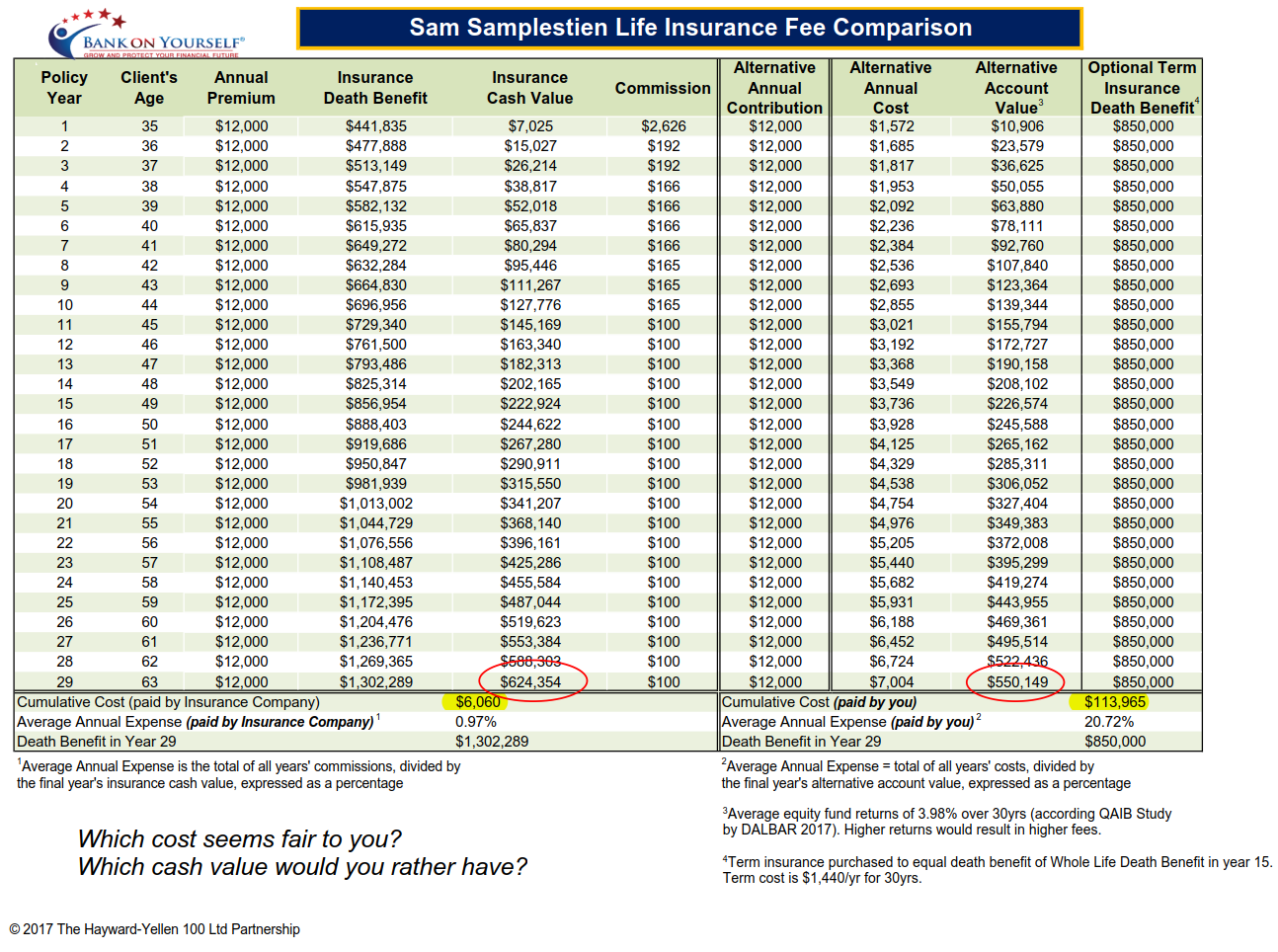
- How is life insurance regulated?
- What are the important specifics?
- How does an insurer participate in the market?
- What is the dividend pool? How is calculated?
- What is the type of tax-free growth that Les has seen in the last 20-30 years?
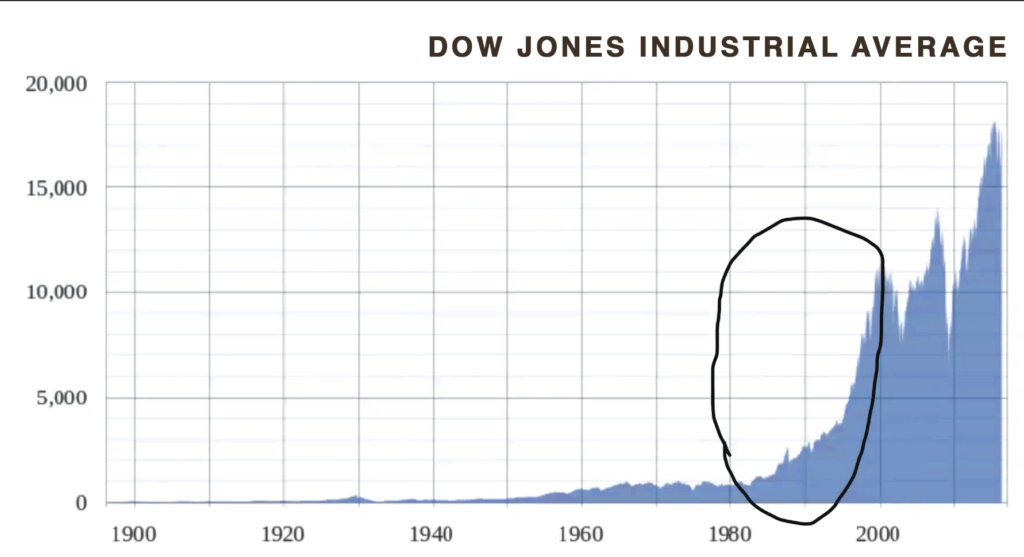
- What is the cumulative rate of return on the S&P? How does this affect results?
- What should be the core of a portfolio?
- How can you know what the reasonable outcome will be as you age?
- What are you going to do to become wealthy? How can you make sure?
- How does money affect sleep?
- What are the three major ages in our life?
- What are some typical pitfalls at each stage?
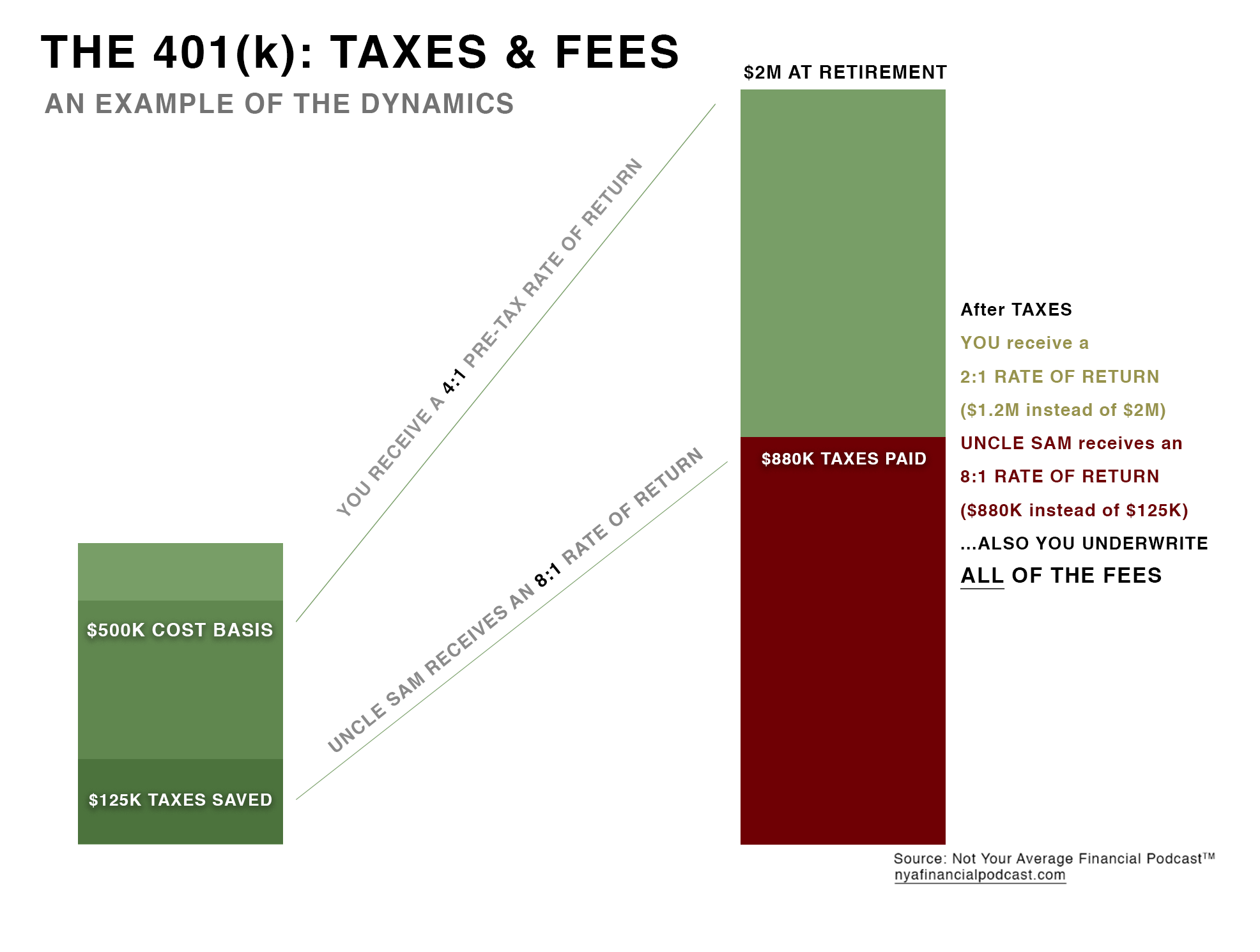
- If we have a 401(k), what happens to our family if we die?
- What are the takeaways?
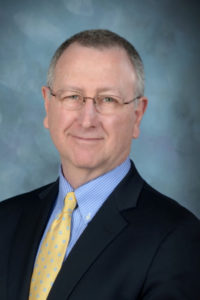 Lester N. Himel discovered the use of specific types of Life Insurance to enhance and expand the performance of investment portfolios several years ago; this after spending 28 years in a variety of positions on Wall Street. Like most financial professionals, he considered stocks, bonds and similar instruments as the core of a reasonable investment approach. In those last several years, Les has found the better way.
Les comes to this field with a very broad financial background. He started as a compliance officer, worked in administration, was an institutional bond trader, developed an Emerging Markets business, and was also involved with “alternative investments”. Now, as one of only 200 Bank on Yourself authorized advisors, and with his ability to integrate far-reaching insights, he guides clients to financial success. Les prefers low risk and “guarantees”, and has an ability to simplify explanations of what, why and how. Les has achieved various FINRA registrations, and is a Chartered Financial Consultant (ChFC).
Lester resides in Westchester County, New York with his family and stays very busy working with clients across the country.