Podcast: Play in new window | Download
Subscribe: Apple Podcasts | RSS
In this episode, we ask:
- How can you build wealth safely and predictably?
- Who is Pamela Yellen?
- Who is Brian Kay?
- Who is Tim Austin?
- Would you like to go to bankonyourselfbook.com to get the new book?
- What’s Pamela’s story?
- How did Pamela meet Brian and Tim?
- What’s Brian’s story?
- Should you turn over your financial independence to other parties?
- Should you become your own source of financing?
- Should you recapture the interest you have paid to other sources?
- Should you be careful with borrowing and debt?
- How did Brian meet Tim?
- Can paying for college be an affordable reality without taking unnecessary risks?
- What’s Tim’s story?
- What was happening in the 1980s?
- What are the strategies that worked in the 1940s, 1950s, 1960s and 1970s?
- How is risk finicky?
- Do you have to have debt to get where you want to go?
- Do you have to be in the market to be successful?
- What about uncertainty?
- What about anticipation and preparation?
- How might we crisis-proof our finances?
- What is the average household debt?
- How many people are behind on paying their debt?
- What percent of retirees, age 66-71 have debt?
- What about medical emergencies?
- How many would be able to cover their expenses if they had a one-week delay on their paycheck?
- Why is this book necessary?
- What are the action items?
- Will you join us next week for Part 2?



 Matthew Shanlian is the Vice President of Lending for Crosscountry Mortgage, LLC. the Largest independent mortgage bank in the United States. For the past 15 years, he has focused on educating and supporting the financial services industry and their clients. Matthew travels the country to train financial professionals on Strategic Equity Planning for their clients. He believes that the having a plan for your home is paramount to a building wealth.








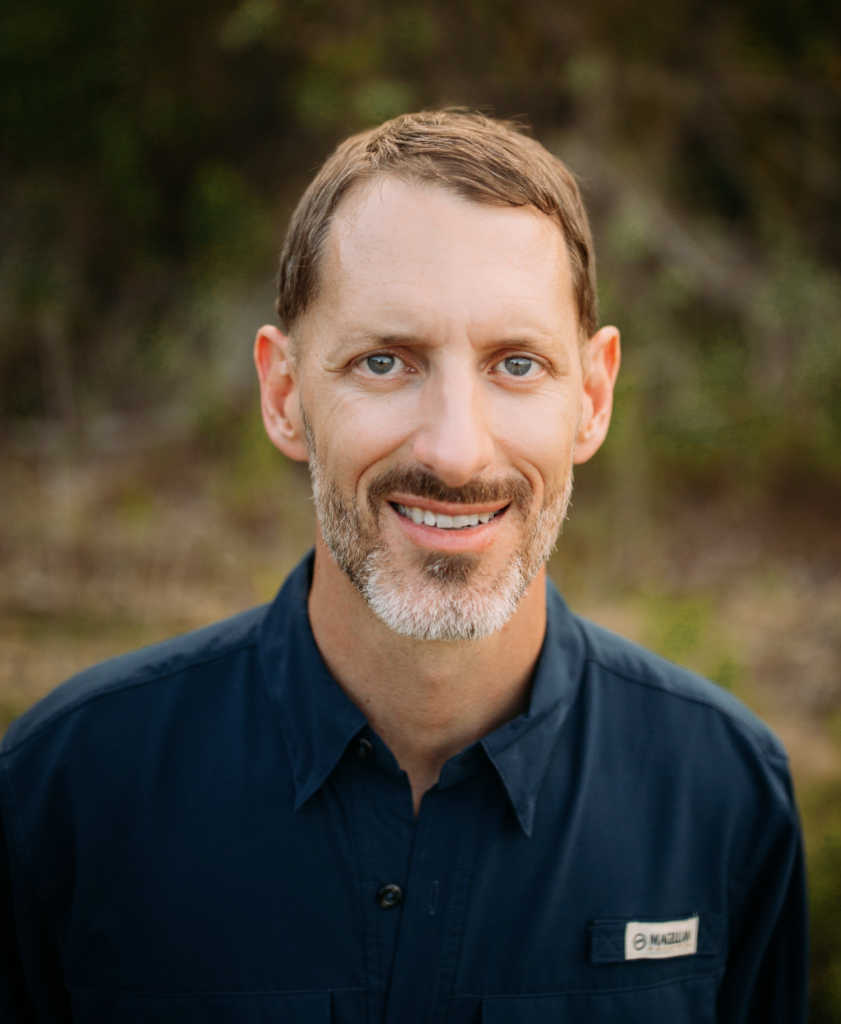 Brian Claus
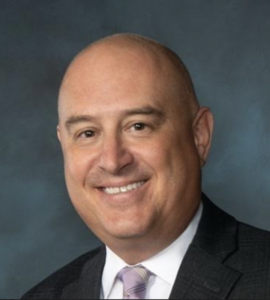 Max Brusky is an attorney specializing in civil litigation, particularly insurance defense, coverage, and subrogation. He is currently an “in-house” and Claims Director for a national trucking company. He is a happy husband to a happy (and brilliant, and understanding) wife, and the proud father of two, one in college, one almost in college. He currently lives in Chicago’s far west suburbs, but still considers himself a Wisconsin expatriate.
 Mike Michalowicz is an investor, active partner in multiple companies and a prolific author. His bestselling book, Profit First, has sold more than one million copies.