Not Your Average Financial Podcast™

Think different about your money, your economy and your future. Be curious. Be stable. Be sane.

Episode 96: Becoming Your Own Banker, A Tribute to Nelson Nash, Part 2

July 5, 2019 by Not Your Average Financial Podcast

https://media.blubrry.com/nyafinancialpodcast/content.blubrry.com/nyafinancialpodcast/NYAFP_Episode_96.mp3

Podcast: Play in new window | Download

Subscribe: Apple Podcasts | RSS

In this episode, we ask:

  • Are you willing to leave us an audio message, for our upcoming Episode 100?
  • What’s occurred to you since listening to our podcast?
  • What has this podcast meant to you so far?
  • Would you be willing to leave us an audio message?
  • Have you ever wondered how profitable banks are?
  • Would you like to hear about how banks use money?
  • What is the bank’s arbitrage?
  • What are the steps to open an FDIC insured bank?
  • What’s required to open an FDIC insured bank?
  • Why do banks loan at such a low percentage?
  • How can banks do a 20:1 return on loans?
  • What did Nelson Nash say about this?
  • What is the Infinite Banking Concept?
  • What is a great book on the history of debt?
  • Who was Nelson Nash?
  • Do you finance everything you buy?
  • What is engineered to become more and more efficient every single year?
  • What is a unilateral contract?
  • Who is the owner of a life insurance contract?
  • Are you an owner or are you merely a transaction on someone’s balance sheet?
  • What are the two key pieces Nelson emphasized when working with finances?
  • What are Nelson’s five rules?
    • What about conquering Parkinson’s law?
    • What about Willie Sutton’s law?
    • What is the golden rule?
    • What is the Arrival Syndrome?
    • What is Use It or Lose It?
  • Have you read Nelson’s book, Becoming Your Own Banker?
  • Would you like to read Becoming Your Own Banker on Kindle?
  • Would you like to watch the latest documentary on Nelson Nash?
  • Can you finish this sentence? Because of Nelson Nash, ____________.
  • What are people saying about Nelson Nash?
  • What if 10% of the American population could be set free?
  • What if you didn’t have to rely on banks?
  • What if you could be apart of the 10%?



https://media.blubrry.com/nyafinancialpodcast/content.blubrry.com/nyafinancialpodcast/NYAFP_Episode_96.mp3

Episode 95: Think Long Range! A Tribute to Nelson Nash, Part 1

June 28, 2019 by Not Your Average Financial Podcast

https://media.blubrry.com/nyafinancialpodcast/content.blubrry.com/nyafinancialpodcast/NYAFP_Episode_95.mp3

Podcast: Play in new window | Download

Subscribe: Apple Podcasts | RSS

In this episode, we ask:

  • Can you believe it?
  • What’s changed for you since listening to our podcast?
  • What has this podcast meant to you so far?
  • Would you be willing to leave us an audio message?
  • Who was Nelson Nash?
  • Have you read Nelson’s book, Becoming Your Own Banker?
  • Would you like to read Becoming Your Own Banker on Kindle?
  • What is Nelson’s Nash’s story?
  • How does forestry inform life insurance?
  • How many generations should we prepare for?
  • What is the magic of leverage?
  • What motivated Nelson?
  • What did Nelson notice about the banks?
  • What did he notice about the life insurance policies?
  • What mindset change did Nelson experience?
  • What about 5-year-old geniuses?
  • Would you like to watch the Ted Talk by Dr. George Land?
  • What about Nelson’s famous grocery store analogy?
  • Are you “stealing your own peas”?
  • What is the Infinite Banking concept?
  • How much is the average person saving?
  • What about the volume of interest?
  • What about a typical mortgage?
  • What did Nelson say about being a pilot?
  • What is “the arrival syndrome”?
  • Are you willing to wait for the tail wind?
  • How does this all actually work?
  • How has Nelson impacted our lives and our clients lives?

https://media.blubrry.com/nyafinancialpodcast/content.blubrry.com/nyafinancialpodcast/NYAFP_Episode_95.mp3

Episode 94: Krisstina Wise, Millionaire Money Coach

June 21, 2019 by Not Your Average Financial Podcast

https://media.blubrry.com/nyafinancialpodcast/content.blubrry.com/nyafinancialpodcast/NYAFP_Episode_94.mp3

Podcast: Play in new window | Download

Subscribe: Apple Podcasts | RSS

In this episode, we ask:

  • What is Krisstina Wise’s story?
  • What did Krisstina learn from Real Estate?
  • Is there a ceiling to income?
  • What happens when people make a lot of income but are consistently broke?
  • What is more fun that making money?
  • What did Krisstina learn from a medical emergency?
  • What is Krisstina’s philosophy of money?
  • What frameworks does Krisstina embrace?
  • What is earning?
  • What is saving?
  • What is investing?
  • How are each of these areas similar to the systems of the body?
  • What is the source of a “money illness”?
  • What is “the money trap”?
  • How do we build true wealth?
  • How do we become the CFO of our household?
  • What is the distinction between earning and wealth building?
  • Where do we build a balance sheet?
  • How much money is enough?
  • What is the mindset?
  • Is more better?
  • Do we spend too much?
  • How do we cultivate an abundance mindset, mentality and lifestyle?
  • What are the  money laws and principles that are associated with abundance?
  • What is Parkinson’s law?
  • How do we build wealth?
  • What is the skill set of spending?
  • What’s another word for future spending?
  • What are living expenses?
  • How do we stay on track?
  • How do we integrate the choices we make on spending?
  • How much goes to interest?
  • How do we exercise our money?
  • How do we honor ourselves?
  • What’s the difference between restriction and choice?
  • What are the rules of money?
  • How does money affect health?
  • How is mastering money a skill set?
  • Where can you learn more about Krisstina’s book?
  • Have you seen Krisstina’s video on Money Mastery Training?
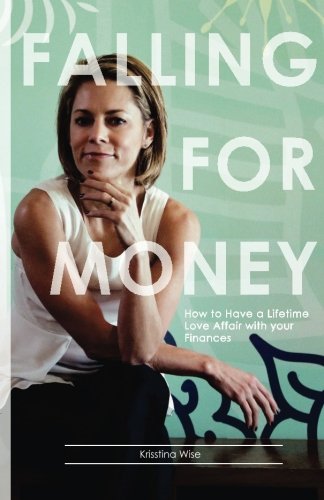
  • Would you like to read Krisstina’s book, Falling For Money?
Krisstina Wise is a real estate mogul, Millionaire Coach, and creator of several multi-million dollar businesses including Goodlife Luxury, The Paperless Agent and most recently, WealthyWellthy. She is also an international speaker and the award-winning author of the Amazon Best-Seller Falling for Money, a romance novel for your bank account. Named one of the 100 Most Influential Real Estate Leaders in the country, she has been featured in USA TODAY, as well as by Apple, Contactually and Evernote for her creative leadership with emerging technologies.


https://media.blubrry.com/nyafinancialpodcast/content.blubrry.com/nyafinancialpodcast/NYAFP_Episode_94.mp3

Episode 91: [Great Problems] Giant Piles of Cash – Single Premium Solution

May 31, 2019 by Not Your Average Financial Podcast

https://media.blubrry.com/nyafinancialpodcast/content.blubrry.com/nyafinancialpodcast/NYAFP_Episode_91.mp3

Podcast: Play in new window | Download

Subscribe: Apple Podcasts | RSS

In this episode, we ask:

  • Can you say ca-ching?
  • What are the risks of a giant pile of cash?
  • What are the four key challenges facing all savers today?
  • What about the low interest rate environment?
  • Have you been successful in saving for retirement?
  • What is a required minimum distribution?
  • How do we pay for long term care expenses?
  • What is the average cost for nursing homes?
  • Does Medicare cover nursing care?
  • At what age does your financial plan end?
  • How old will you live?
  • What if you live past age 90? 100? 110?
  • Am I too old?
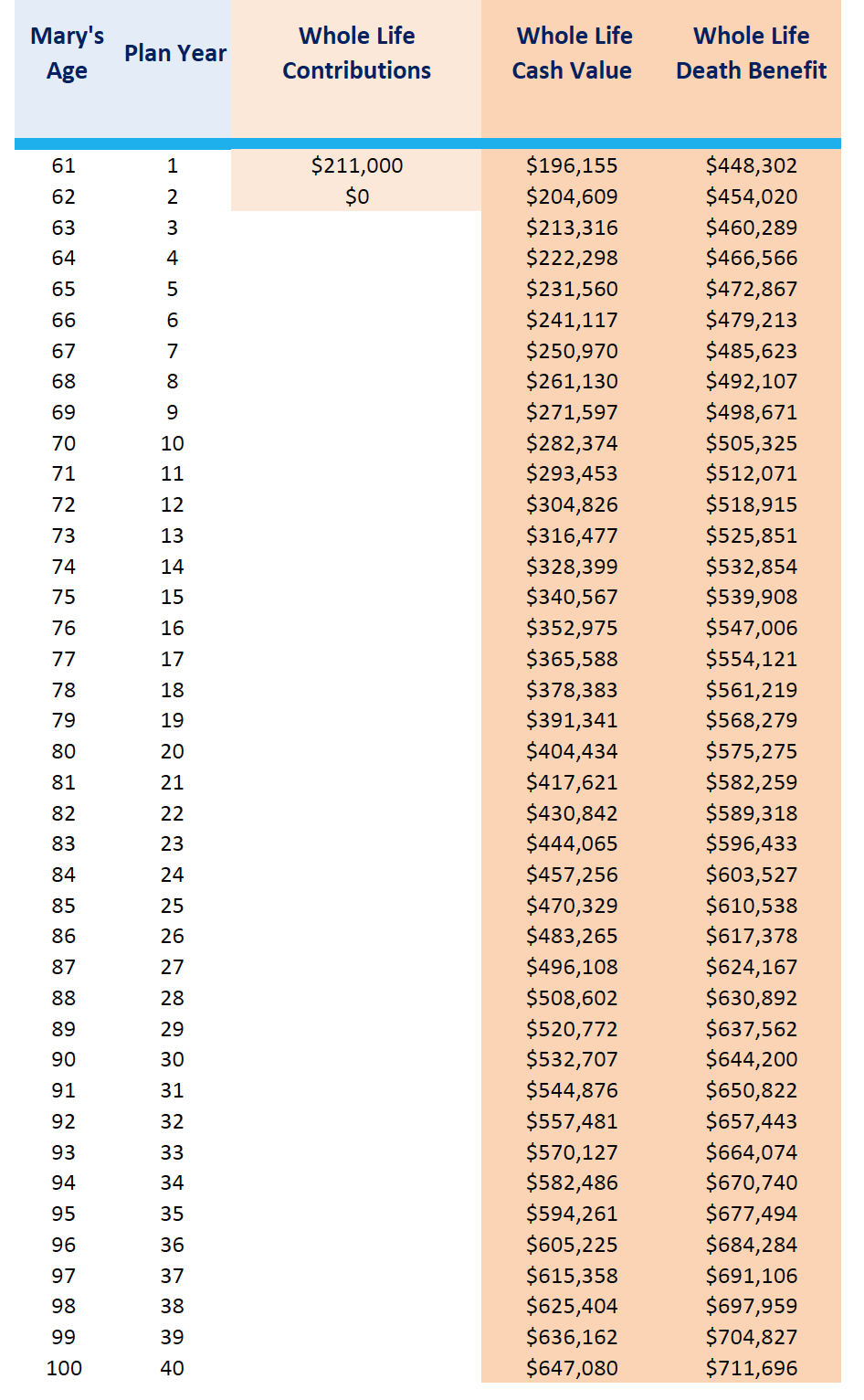
  • If you are age 60 to 85, how would your policy be affected?
  • How long do you have to wait?
  • Have you saved up your nest egg?
  • What do you do with a lump sum when you don’t want to wait years for growth?
  • What if you could do a one-time drop in?
  • What if you could have a death benefit with your lump sum?
  • What if your age could work to your advantage?
  • What is a Bank on Yourself type Single Premium solution?
  • What is a single premium?
  • How do single premium plans work?
  • What about health problems?
  • What about naming someone else as insured?
  • What if you own the policy?
  • How does the value grow as soon as starting a new policy?
  • How does the death benefit continue to grow?
  • What about the cash value?
  • What about long term care?
  • How long does the coverage last?
  • Can you use this benefit AT HOME or does it have to be in a skilled nursing facility?
  • Is this more cost effective than a traditional long term care policy?
  • What is the downside?
  • What happened in 1986?
  • What is the TAMRA act?
  • What are the tax changes?
  • What is the 7-pay test?
  • What is the MEC (modified endowment contract)?
  • What is FIFO?
  • What about the gains that exceed the basis?
  • What is considered taxable with MEC policies?
  • Why are all single premium products MECs?
  • What are the privileges of being age 60 or older?
  • When do the gains kick in?
  • Should we be afraid of MECs?
  • In what circumstances do MEC policies make sense?
  • In what circumstances do Single Premium policies make sense?
  • Did you review the case study below?

https://media.blubrry.com/nyafinancialpodcast/content.blubrry.com/nyafinancialpodcast/NYAFP_Episode_91.mp3

Episode 79: The Hidden Problems of Living Too Long

March 8, 2019 by Not Your Average Financial Podcast

https://media.blubrry.com/nyafinancialpodcast/content.blubrry.com/nyafinancialpodcast/NYAFP_Episode_79.mp3

Podcast: Play in new window | Download

Subscribe: Apple Podcasts | RSS

In this episode, we ask:

  • What is a necessary risk?
  • What is an unnecessary risk?
  • Do you need a side hustle?
  • How do we manage risk?
  • Where do we need to go from here?
  • What is FINRA?
  • What are the 21 categories of risk from FINRA?
  • What are the two types of risk?
  • What is an example of pure risk?
  • What is an example of speculative risk?
  • What is purchasing power risk?
  • What is the consumption assumption?
  • Do you spend more on your days off?
  • How much do you expect the cost of consumer goods to increase over the next 20 or 30 years?
  • How much have health insurance premiums risen since 1999?
  • Will health care costs eat up your retirement income?
  • What about systemic risk or market risk?
  • Does staying in the market longer protect you?
  • Would you like to review Episode 51: Does Buy and Hold Work?
  • Would you like to review Episode 52: A New Perspective with Les Himel (Part 1)?
  • Would you like to review Episode 53: A New Perspective with Les Himel (Part 2)?
  • Are you exposed to political risk or tax risk?
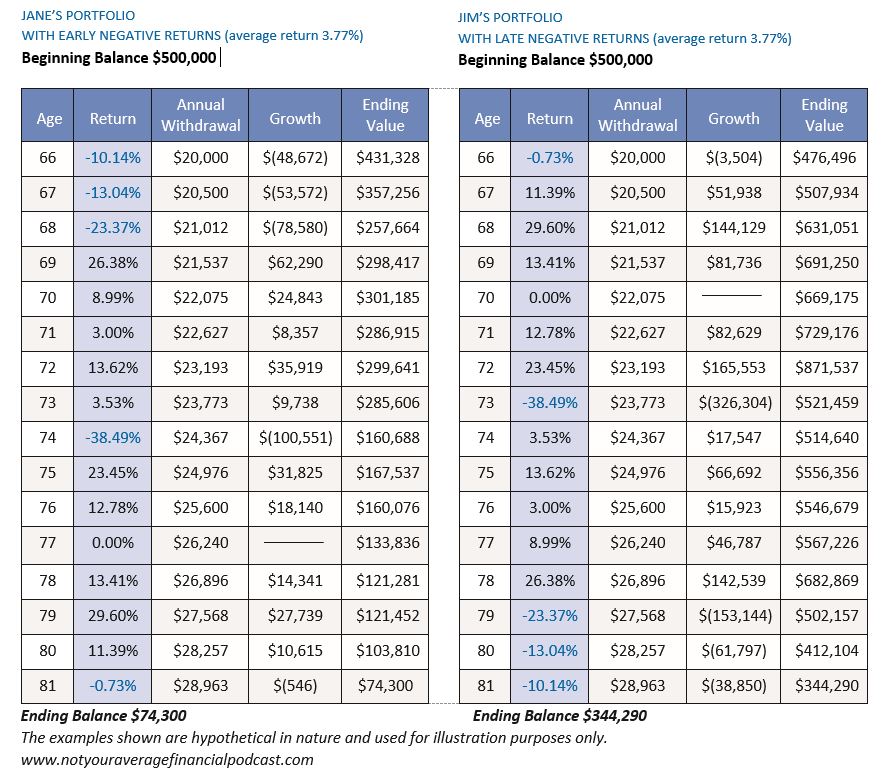
  • What about the risk inherent with sequence of returns?
  • What about the average rate of return?
  • What about the IRA money being allocated to a nursing home?
  • What about the risk of elder fraud in your senior years?
  • What about the death of a spouse?
  • What about the risk of dismissing long term care?
  • How much does long term care typically cost?
  • What are the unavoidable risks?
  • Which of these risks is the most important?
  • What about the risk of living too long?
  • How do you protect against living too long?
  • What is protected income?
  • What if you could create a passive income stream, that even if you run out of money, you would never run out of money?

sequence of returns

https://media.blubrry.com/nyafinancialpodcast/content.blubrry.com/nyafinancialpodcast/NYAFP_Episode_79.mp3

Episode 72: The Seven Baby Steps and the Dave Ramsey Gospel

January 18, 2019 by Not Your Average Financial Podcast

https://media.blubrry.com/nyafinancialpodcast/content.blubrry.com/nyafinancialpodcast/NYAFP_Episode_72.mp3

Podcast: Play in new window | Download

Subscribe: Apple Podcasts | RSS

In this episode, we ask:

  • Have you heard about the Seven Baby Steps?
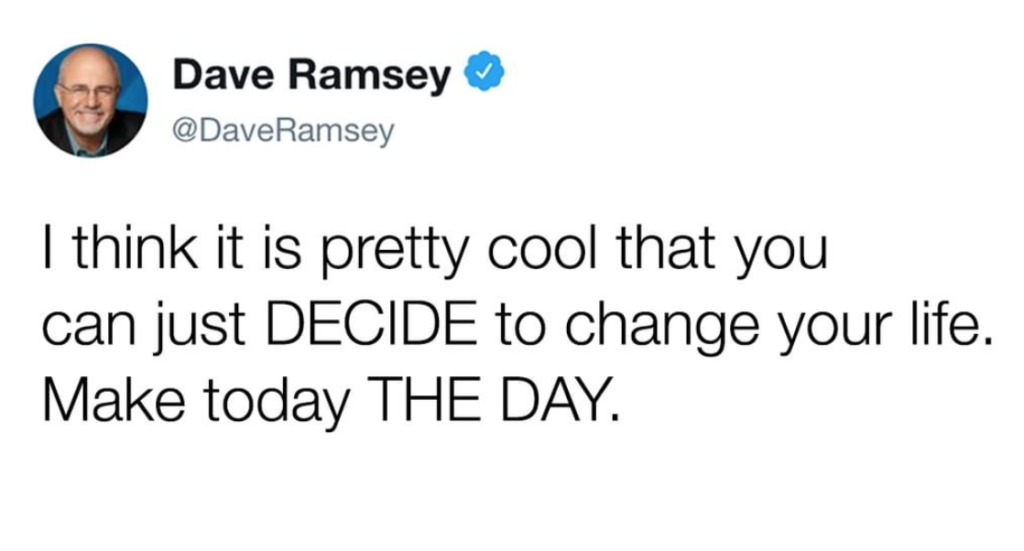
  • How does Dave Ramsey forego logic?
  • Who sponsors Dave Ramsey?
  • Are annuities worth Dave Ramsey’s disgust face?
  • Why does Dave Ramsey’s advice stay written in stone?
  • Are you an avid follower?
  • What are the baby steps?
    • Have you saved $1K in an emergency fund?
    • Have you used the debt snowball method to pay of debts?
    • Have you set up a fully funded emergency fund of three to six months worth of expenses?
    • Have you invested 15% of household income into retirement?
    • Have you started saving for college?
    • Have you paid off your home early?
    • Have you built wealth and do you give generously?
  • What do we love about Dave Ramsey?
  • Why are the baby steps awesome?
  • What do we love about Dave’s teachings?
  • What about saving $1K cash in an emergency fund?
    • Is $1K a big enough improvement?
    • …What has changed since Dave Ramsey first started? Is his advice out of date?
    • How does that affect what you truly need to save?
    • What’s the smallest ideal emergency fund in today’s dollars?
  • What about the debt snowball method for paying off debts?
    • Is it better to go on math or emotion?
    • What is the benefit to paying the debt with the smallest balance, regardless of interest rate?
    • How did Mark and Katrina use the snowball method on student debt?
    • What did Mark and Katrina’s mentor ask?
    • Is it possible to be BETTER than debt free?
    • What is Holly’s story?
    • Is the snowball method the holy grail of debt payoff wisdom?
    • What did Holly’s friend do with their car as a result of the snowball method?
    • Is it about numbers or feelings?
    • Is everyone’s situation the same?
    • Is Dave Ramsey regulated by any governing authority?
    • Does Dave Ramsey have any credentials?
    • What about credit card faith?
    • What about faith in the freedom from debt?
    • Is it possible to use credit cards safely and responsibly?
  • What about setting up a fully funded emergency fund of three to six months of expenses?
    • Is this enough?
    • Do you need at least 12 months of a fully funded emergency fund?
  • What about saving 15% of your income for retirement?
    • What assumptions are these based on?
    • Can you make a real return (CAGR) of 12%? What are the odds?
    • Do you want to bank on 2% chances of getting 12%?
  • What about saving for college?
    • Who has a problem with saving for the children?
    • What does Dave recommend?
    • What is the big risk with a 529 plan?
    • What happens if the market crashes when your kid is in school?
    • See Episode 27
  • What about paying off your home early?
    • Should you pay off or refinance your mortgage?
    • Is this the pinnacle of human existence?
    • See Episode 14
    • Can you make an annual 12% return in your mutual funds?
    • What is true in today’s dollars and interest rates?
    • Why doesn’t Dave Ramsey update his recommendations based on the modern day realities?
  • What about building wealth and giving?
    • Why not give on day 1?
    • Why not build wealth on day 1?
    • How does the death benefit on a life insurance policy do just this?
  • What idea is Dave Ramsey selling?
  • How does that affect you and your family ultimately?

https://media.blubrry.com/nyafinancialpodcast/content.blubrry.com/nyafinancialpodcast/NYAFP_Episode_72.mp3

Episode 69: New Goals and How to Succeed

December 28, 2018 by Not Your Average Financial Podcast

https://media.blubrry.com/nyafinancialpodcast/content.blubrry.com/nyafinancialpodcast/NYAFP_Episode_69.mp3

Podcast: Play in new window | Download

Subscribe: Apple Podcasts | RSS

In this episode, we ask:

  • What are people saying?
  • Would you like a free book?
  • Are you interested in increasing your income?
  • Why do new year’s goals / plans fail?
  • Is your goal realistic?
  • Are you burning out?
  • Is your goal too time consuming?
  • Is your goal too limiting?
  • Are you cutting out too much?
  • Is there too much change too fast?
  • Have you worked in the proper rewards?
  • What incentives do you have in place?
  • How can you significantly increase your success on new habits?
  • Have you read The Power of Habit: Why We Do What We Do in Life and Business by Charles Duhigg?
  • Why does our brain need so much energy?
  • Are our brains just lazy?
  • Do you think about putting one leg at a time into pants?
  • What is a cue?
  • What is a routine?
  • What is a reward?
  • What is the penalty?
  • How do you break a bad habit?
  • What is the cycle?
  • What do you crave?
  • How do you pay attention?
  • What do you truly want?
  • How do you transform a habit?
  • What does a new routine look like?
  • What is the cue and how do you isolate it?
  • What questions should you ask to find the cue?
  • What are you really craving?
  • How do you change the routine and identify a new routine?
  • Did you write down your new plan?
    • When ______ (the cue) happens,
    • I will ______ (insert new routine)
    • because it provides me with ______ (reward).
  • What about financial habits?
  • What are expensive habits?
  • How can you get the good feeling without the poor habit?
  • What are good habits?
  • How does a exercise habit transform all other habits?
  • What happened when a group kept a food journal?
  • What is the most important key to breaking a habit?
  • What is a good saving habit?
  • What do you want your new habit to be?
  • How do you keep your goal conscious?
  • How do you make your routine “brain dead simple”?
  • What truly motivates you?
  • For more information, read the book!

https://media.blubrry.com/nyafinancialpodcast/content.blubrry.com/nyafinancialpodcast/NYAFP_Episode_69.mp3

Episode 68: How to Share Financial Knowledge with Your Tribe

December 21, 2018 by Not Your Average Financial Podcast

https://media.blubrry.com/nyafinancialpodcast/content.blubrry.com/nyafinancialpodcast/NYAFP_Episode_68.mp3

Podcast: Play in new window | Download

Subscribe: Apple Podcasts | RSS

In this episode, we ask:

  • Would you like to give us a review on iTunes? We’d love to hear from you!
  • Would you like a book?
  • What do you talk about for hours on end?
  • Do you see money differently?
  • Who is the hero in your story?
  • What should you take on your journey? What should you leave behind?
  • Who is your fellowship? Who is your tribe?
  • Do superheros need help?
  • How is your family doing?
  • Do you need a new fellowship?
  • How could you share your excitement?
  • Have these concepts been meaningful to you?
  • Who else needs to know about these strategies?
  • Who do you know that has been doing “the right things” their whole life and is watching it all blow up in their face?
  • What are the layers?
  • Why is sharing excitement so challenging?
  • What doesn’t work?
    • Should I send someone a book as a present?
    • Should I just show by example?
  • What does work?
    • Should I share my intentions?
    • Should I be intentional?
      • Should I let them know that I would like to share some things that have profoundly impacted my financial life?
    • Can I share over a tweet?
    • Should I schedule a time to share?
    • What’s the best amount of time to dedicate to a conversation?
    • How do I “set the table” with an invitation?
    • How much time should last between the invitation and the conversation?
    • Where should we have the conversation?
    • What is the balance between simplicity and complexity?
    • What’s your story?
    • What are the key parts to a great story?
    • How do you share your feelings?
    • How can you give an invitation to awareness?
      • What if you’re not well received?
    • How do you distill the core elements?
      • Would you like a memorable acronym?
        • …What is T.G.I.F.?
    • How do you connect?
    • How do you recommend an advisor?

https://media.blubrry.com/nyafinancialpodcast/content.blubrry.com/nyafinancialpodcast/NYAFP_Episode_68.mp3

Episode 45: Emotions and Money

July 13, 2018 by Not Your Average Financial Podcast

https://media.blubrry.com/nyafinancialpodcast/content.blubrry.com/nyafinancialpodcast/NYAFP_Episode_45.mp3

Podcast: Play in new window | Download

Subscribe: Apple Podcasts | RSS

In this episode, we ask:

  • What do emotions have to do with money?
  • Did you know that people spend more when they’re sad?
  • Have you heard of tulip mania?
  • How does shame or fear play into buying decisions?
  • How does greed affect us?
  • What about buy-and-hold index funds and strategies?
  • What about the emotions with Bitcoin?
  • Do you feel shame when you don’t understand money?
  • Do you feel shame when you lose money in the market?
  • Do you feel scared of making another mistake?
  • How are arrogance, greed, shame and fear all the same?
  • How about emotions about money at work?
  • How does this reveal the human heart?
  • Have you felt that pit in your stomach?
  • What forces you to face the raw stuff of life?
  • What training did you receive around how to manage emotions around money?
  • What happens with a sizable loss in your investments? Can it lead to a shorter lifespan?
  • What is a wealth shock?
  • How is wealth shock like heart disease?
  • Has your physician asked you how money is affecting your (the patient’s) health?
  • How has the digital era ushered in new conveniences in spending?
  • What about saving for retirement and future plans?
  • How do your emotions affect your relationships with money?
  • How does Wall Street use emotion?
  • What are the two types of money we interact with?
    • How do we emotionally respond to fast money?
    • How do we emotionally respond to slow money?
  • How do we deal with money for future needs?
  • Do you have an underlying anxiety around money?
  • What is a current of discontent?
  • What are the primary emotions associated with slow and fast money?
    • Borrowed money = guilt
    • Purposeful money (retirement, education, vacation) = underlying anxiety
    • Experimental money = excitement
    • Emergency fund / saving / responsibility = peace of mind / kindness
  • Have you written your future self a letter?
  • Where would you like to be in 30 years? 20 years? 10 years? 5 years?
  • What’s a common source of stress in relationships?
  • What about different risk tolerance levels within a relationship?
  • What about emotions agreement on spending within relationship?
  • What about emotions around micromanaging another person?
  • What tool will significantly eliminate financial stress?
  • What two words added together sound just terrible?
  • Why do budgets need to be active?
  • What about budgeting with kids?
  • What did Holly learn about practicing budget meetings with her husband?
  • What self imposed limits do you have on spending?
  •  What builds resentment in a relationship long term?
  • What do you need to buy for yourself?
  • How is budgeting like an improv session?
  • Should you budget your savings?
  • How can you come in with agreement that you will make it through the challenge together?
  • In relationships: you’re either fighting or loving each other…
  • If there is any blame or anger, the couple needs to work through that before budgeting.
  • How can you view this as a challenge?
  • How can you communicate your feelings (negative and positive) instead of shutting down or withdrawing?
  • What are the two sides to fear?
  • How do you get from fear to excitement? Take a deep breath.
  • Have you read Carol Dweck’s book Mindset?
  • Did you know that couples who return to a state of positivity tend to get through challenges?
  • Are you solutions oriented?
  • How do you keep your emotions in check?
    • Visualize – focusing on a visual image of your goal makes it easier to put blinders on; carry around a picture of that goal or set up a digital board
    • Talk with your partner – spouses don’t even realize that they differ on goals
    • Know How Much You’re Spending – people tend to grossly underestimate how much you’re spending
    • Do a Brain Dump – Uncover those long term goals, take the time to make a plan
    • Share Your Goals with Others – research has shown that people benefit from sharing their goals to get the support they need
https://media.blubrry.com/nyafinancialpodcast/content.blubrry.com/nyafinancialpodcast/NYAFP_Episode_45.mp3

Episode 44: Building a Portfolio of Bank on Yourself for the Whole Family

July 6, 2018 by Not Your Average Financial Podcast

https://media.blubrry.com/nyafinancialpodcast/content.blubrry.com/nyafinancialpodcast/NYAFP_Episode_44.mp3

Podcast: Play in new window | Download

Subscribe: Apple Podcasts | RSS

In this episode, we ask:

  • How does the banker’s mindset change everything?
  • What does a banker think about all day long?
  • What is a “system” of policies?
  • Why do bankers save cash?
  • Do you remember Scrooge McDuck?
  • When does the banker’s mindset go into full gear?
  • What is the limit of the number of insurance policies one individual can own?
  • Can you imagine owning 40 life insurance policies?
  • What system of policies works best?
  • What is The Family Network Method?
  • How are easterners different from westerners with money?
  • Why do we keep our money secret?
  • How do generations pass money to each other?
  • What about insurability?
  • What if someone is in poor health?
  • What about the guarantees?
  • What is predictable?
  • How do families pay for college?
  • How do families pay for cars?
  • How do the families pass on wealth?
  • What about setting up a trust?
  • What about a real life example of a family purchasing together?
  • What about spoiling your kids?
  • What about final expense and funeral costs?
  • What do you want your last impression to be?
  • Can you expect an inheritance?
  • What about the family farm?
  • Can you predict financial milestones?
  • How did Tim predict milestones? What about Tim’s roadmap?
  • What’s Mark story with opening policies?

For the chart Mark references, see Chapter 11 of the Bank on Yourself Revolution book by Pamela Yellen.


https://media.blubrry.com/nyafinancialpodcast/content.blubrry.com/nyafinancialpodcast/NYAFP_Episode_44.mp3
Prev Page...

Sign Up to Receive Weekly Email Notifications

Not Your Average Financial Podcast
  Thank you for Signing Up
  Please correct the marked field(s) below
1,true,6,Contact Email,2
1,false,1,Last Name,2

Copyright © 2026 · Maron Pro Theme on Genesis Framework · WordPress · Log in