Not Your Average Financial Podcast™

Think different about your money, your economy and your future. Be curious. Be stable. Be sane.

Episode 152: Build Your Silent Sales Machine with Jim Cockrum

July 31, 2020 by Not Your Average Financial Podcast

https://media.blubrry.com/nyafinancialpodcast/content.blubrry.com/nyafinancialpodcast/NYAFP_Episode_152.mp3

Podcast: Play in new window | Download

Subscribe: Apple Podcasts | RSS

In this episode, we ask:

  • Have you had an income disruption this year?
  • Would you like to cultivate another stream of income?
  • Who is Jim Cockrum?
  • What was little kid Jim’s first business?
  • What about more traffic?
  • What about the opportunity?
  • What is the community that Jim has built?
  • What are the success stories?
  • What is the CES model?
  • What is the ‘silent sales machine’?
  • What about consult?
  • What about expanding?
  • What about selling?
  • What about selling physical products?
  • What about serving your audience?
  • How might you serve well?
  • How might you expand your audience?
  • How might you teach?
  • What about people who have day jobs?
  • What about “just in time” information?
  • What about “just in case” information?
  • What can I use now?
  • How might you create an idea in your head and make money with it?
  • What about a list of people who can’t wait to hear what you say next?
  • How might you grow an audience?
  • Are we relevant?
  • How many people do you have that will listen when you talk?
  • What is an asset?
  • Who knows you?
  • Who likes you?
  • Who trusts you?
  • What does it take?
  • Is it about volume?
  • Is it about getting in front the right people?
  • What are the risks?
  • Are you always learning?
  • How might you test your ideas?
  • How might you leverage the platforms from the comfort of your chair?
  • How would you like to take action?
  • What about third party sellers on Amazon?
  • What percentage of all retail in the U.S. is online right now?
  • Is the opportunity in its infancy?
  • What are the success stories?
  • What’s Oscar’s story?
  • What about intense focused effort (without sacrificing relationships)?
  • What’s Mike’s story?
  • What did Mike do with Death Wish coffee?
  • How might you engage the internet as an asset?
  • How might you build real trust and provide value over time?
  • What about selling, expanding and consulting?
  • How might you protect your integrity?
  • Would you like to learn more at silentjim.com?

Jim Cockrum & his team have been on a mission, since the 90s, to help entrepreneurs THRIVE by combining classic business truths with cutting edge creative online strategies.   They now boast over 1,000 documented success stories from entrepreneurs and businesses around the world, but they are just getting started!

Jim was ranked among the most trusted Internet Marketers in the world (among hundreds of ‘experts’ his name keeps showing up on top) according to the 60,000 voting members of an independent watchdog service. His best selling book “Silent Sales Machine” has been read by over 1,000,000 people around the world and is a consistent top 10 seller on Amazon in the Internet business category. 

His business mission in life is to assist those who have an entrepreneurial heart and help them build sustainable income streams online.

He is a proud husband and father of five.  Three are internationally adopted children and his faith grounds him in his principles for business and life.



https://media.blubrry.com/nyafinancialpodcast/content.blubrry.com/nyafinancialpodcast/NYAFP_Episode_152.mp3

Episode 147: To Win The Lottery, You Have to Buy a Ticket with Ros Kaspi

June 26, 2020 by Not Your Average Financial Podcast

https://media.blubrry.com/nyafinancialpodcast/content.blubrry.com/nyafinancialpodcast/NYAFP_Episode_147.mp3

Podcast: Play in new window | Download

Subscribe: Apple Podcasts | RSS

In this episode, we ask:

  • Who is Ros Kaspi?
  • What’s her story and background?
  • What were people telling Ros?
  • What caused Ros to change tracks?
  • Where did Ros find her opportunity?
  • What caused Ros to go out as an entrepreneur?
  • What about yoga?
  • What about a retreat?
  • What about a bed and breakfast?
  • What did Ros learn about opening a business?
  • Who was on her team?
  • What happened to her father?
  • What did Ros do in Chicago, and what did she learn?
  • What about happiness?
  • What about credit cards?
  • How is Israel different from the U.S., regarding credit cards?
  • What about Bank on Yourself type whole life insurance policies?
  • What about property?
  • What about real estate?
  • What’s an amazing way to buy property?
  • What was it like learning about the Bank on Yourself strategy?
  • What about the portfolio of policies?
  • How have the current events impacted her tenants?
  • Has the coronavirus impacted her income?
  • How has her perspective changed around money?
  • How is an employee mindset different from an entrepreneurial mindset?
  • How might your money work for you?
  • What does Ros love about Mark?
  • What about talking through ideas?
  • What about getting good feedback?
  • Do you have a personal financial advisor who is always there for you?
  • Is your financial advisor available?
  • What would Ros say to someone who is concerned about being too old?
  • How did Ros purchase a policy?
  • How did Ros purchase a cash property?
  • What are the things that intrigued Ros?
  • What other nuggets of wisdom does Ros have to share?
  • What other feedback does Ros have?
  • What about a “win the lottery” joke?
  • Do you move your feet?
  • How much do you want to make?
  • What direction do you want to go?
  • What about Bob Proctor, Jack Canfield and the mastermind group?
  • Isn’t that amazing?
  • How might we overcome obstacles?
  • If you could not leave money to your children or to the world, but only principles, habits and ideas to achieve success, what would those be?
  • Would you like to reach out to Ros? Email her at roskaspi@gmail.com!
  • Have you been sucked into financially difficulty?
  • What’s the next first step?
  • Are you the boss of your money?
  • Is your money ‘your employee’?
  • What does Ros want to add about the tax benefits?
  • What about the mastermind?
  • What’s the difference between success and failure?
  • What’s the difference between being alone and being together?

A world traveler, Ros Kaspi was born in Chicago, lived in Tel Aviv for many years, and in 2004 came back to Chicago to take care of her mother who just reached 99.
A business woman, an entrepreneur and Manager of a global company, she has experience and expertise. She studied Life Coaching with Bob Proctor and used his teachings to create Mastermind groups.

In recent years she has turned to real estate, purchasing condos, while using Bank on Yourself type whole life insurance policies to reach her real estate goals. Would you like to reach out to Ros? Email her at roskaspi@gmail.com.

https://media.blubrry.com/nyafinancialpodcast/content.blubrry.com/nyafinancialpodcast/NYAFP_Episode_147.mp3

Episode 146: Three Ways the CARES Act Will Impact Your Retirement

June 19, 2020 by Not Your Average Financial Podcast

https://media.blubrry.com/nyafinancialpodcast/content.blubrry.com/nyafinancialpodcast/NYAFP_Episode_146.mp3

Podcast: Play in new window | Download

Subscribe: Apple Podcasts | RSS

In this episode, we ask:

  • Has your family or your business been impacted by the current events?
  • What is happening with the unemployment numbers?
  • What are many Americans concerned about?
  • What are the statistics?
  • What is the CARES Act?
  • What is new with CARES Act that was passed this spring?
  • Is this tax advice?
  • Are you speaking with a tax professional?
  • What are the disclaimers?
  • Who has the correct information?
  • What does the CARES Act have to do with your retirement?
  • What does this crisis make possible?
  • What about the penalties and taxes?
  • What about the qualifications?
  • What is Mark’s opinion?
  • What are some potentially good uses of these opportunities?
  • What does this crisis make possible?
  • Is this the tax deal of a lifetime?
  • What is a 401(k)?
  • What is an IRA?
  • What are the rules?
  • What about distributions?
  • What about penalties?
  • What about the tax?
  • What are the qualifiers?
  • What happened to 401(k) loan rules?
  • Do you have to pay a 401(k) loan back?
  • What are the required payments?
  • What are the gotchas?
  • How does this become a full distribution?
  • What is Mark’s beef with 401(k) loans?
  • How are you going to repay that 401(k) loan?
  • Will it be pretax or after tax money?
  • Will it come out of cash flow?
  • What about the taxes?
  • What about 401(k) or IRA distributions?
  • What did Congress do with the early withdrawal penalty?
  • What about the taxes?
  • Is this the tax sale of a lifetime?
  • What about the penalty?
  • Has this ever been offered before?
  • What about the interest?
  • What about a Roth conversion?
  • What about the taxes?
  • What about the withdrawal penalty?
  • Do you want to pay tax now or later?
  • What about traditional IRAs?
  • Is your tax bracket the same as it was last year?
  • Do you know what your tax bracket will be this year?
  • Do you believe the market will rebound?
  • Do you need a hand?
  • What about fixed indexed annuities inside of a Roth IRA?
  • Would you like to hear more about income maximization?
  • How are you going to take advantage of this new opportunity?
  • What are your priorities?
  • What do you prefer?
  • What is different under the new rules?
  • Would you like to think through your situation with us?
  • Would you like to answer the question of the month?
    • How would you handle a financial crisis differently next time than you’re handling it this time?” Let us know before June 30, 2020! Leave Us A Message on SpeakPipe

CARES Act 2020 FAQ

Coronavirus relief: We answer your questions via experts in the field about how the CARES Act, the legislation signed into law by President Trump in March, 2020, affects retirement withdrawals and IRAs.


Does my employer offer these provisions?

The provisions are not automatic.

The CARES Act loan and distribution provisions require employers to adopt those rules, according to Nelson.

So you need to ask whether your employer offers these provisions in your 401(k) plan.

About 75% to 85%  existing 401(k) workplace plans currently offer some type of hardship or loan provision, Nelson says. 

Depending on your needs, you still have options even if your employer doesn’t include the new provisions. Prior rules allow Americans to take out a 401(k) loan of up to 50% of their vested account balance, or a maximum of $50,000. 


Who qualifies?

To qualify for the retirement distributions or loan provisions, you must have suffered a financial hardship from the pandemic. That includes being diagnosed with Covid-19; subject to quarantine; a business closure or reduce your hours; inability to work due to child-care issues; or if you’re not self employed and were laid off or had hours reduced.

To qualify for the provisions, individuals need to fall into one of two main categories.

  1. You, your spouse or a dependent is diagnosed with Covid-19, the disease caused by the new coronavirus.
  2. Alternatively, you qualify if you have experienced adverse financial consequences as a result of being quarantined, furloughed, laid off, having work hours reduced, being unable to work due to lack of child care or closures related to the coronavirus pandemic.

You, your spouse, or dependent has been diagnosed with the coronavirus (i.e., SARS-CoV-2 or COVID-19),

  • You have experienced adverse financial consequences because you have been quarantined, furloughed, laid off, or have had work hours reduced due to the coronavirus,
  • You are unable to work because of a lack of child care due to the coronavirus,
  • You own or operate a business and have had to close or reduce hours due to the coronavirus, or
  • You have experienced an adverse financial consequence due to other factors as provided in guidance issued by the Internal Revenue Service.


Which distributions get relief? 

If you are a “qualified individual,” up to $100,000 of distributions from IRAs and company savings plan made in 2020 are eligible for relief. IRA and company plan distributions are aggregated for this purpose.


What are the relief provisions for withdrawals? 

The first relief provision waives the 10% early distribution penalty. That penalty normally applies to IRA or company plan withdrawals if you are under age 59 ½, unless an exception applies. The CARES Act adds a new exception to that penalty but only if you are a “qualified individual.” 


The second relief provision provides relief if your financial situation improves and you no longer need the withdrawn funds. “Qualified individuals” can repay, tax-free, 2020 withdrawals to an IRA or company plan. Repayment must be made within three years of the date the money was received. If you have already paid taxes on a withdrawal that you later decide to repay, you can file an amended tax return to recover the taxes.


In most cases, your withdrawal will be taxable. To cushion the blow of getting hit with the entire tax in the year of distribution, the CARES Act permits you to spread any federal income tax over three years.


How Long is this Available?

In the year 2020.


IRA Distributions

Loans are not permitted from IRAs, says Denise Appleby, the CEO of Appleby Retirement Consulting. The language you cite, she says, refers to a distribution that can be rolled over within 60-days of receipt – extended to three years for coronavirus-related distributions.


These distributions are not, says Appleby, subject to the terms that apply to loans, such as: level amortized repayments, an interest rate that should be reasonable, a loan agreement, approval by the plan administrator, subject to availability under the terms of the plan


“Therefore, while the IRA distribution can be returned to the IRA or other eligible retirement plan – if eligible as a rollover contribution, it is merely a distribution and not a loan,” says Appleby. (source)


401(k) and IRA Distributions

The CARES Act makes it easier for Americans struggling with economic hardship from the coronavirus pandemic to withdraw money from their retirement accounts. 


One provision from The CARES Act allows investors of any age to withdraw as much as $100,000 from retirement accounts including 401(k) plans and individual retirement accounts this year without paying an early withdrawal penalty of 10%. They can avoid taxes on the withdrawal if the money is put back in the account within three years. If it isn’t returned, taxes can be paid over a three year span. 


ESOP

ESOPs do not have to make these coronavirus-related distributions available because the IRS has indicated that the distributions are permitted, but not required, for any retirement plan. To the extent the special distributions are offered, they must be made in calendar year 2020. (source)


It’s important to note, too, that under what’s known as “the rule of 55,” 401(k) or 403(b) participants who leave their employer for any reason in or after the year they turn 55 are always free to pull money from their plan without paying the 10% penalty.


Do I have to pay taxes on these distributions?  

Yes. However, the tax associated with the distributions may be paid ratably over three years, beginning with the taxable year 2020.


Q&A on RMDs (Required Minimum Distributions)

The CARES Act forgives the need to take a required minimum distribution from an IRA for 2020. 


Q: The CARES Act forgives the need to take a required minimum distribution from an IRA for 2020 but neglected to account for those that already took funds out in the first three months of 2020. What should happen in these cases? The simplest solution would be for the IRS to allow people to put back any money that was withdrawn during the first three months of 2020, before the CARES Act was passed. Most IRAs do have a 60-day window to return withdrawn funds but inherited IRAs do not have any window to return funds. What do you think?


A: If it is within 60 days from the date of the distribution of the RMD the funds can be rolled over as long as they are otherwise eligible for rollover, says Sarah Brenner, an IRA analyst with Ed Slott and Company. “That would mean no violations of the once-per-year rollover rule and non-spouse beneficiaries could not roll over an RMD from an inherited IRA,” she says.


401(k) Loans

Under the CARES Act, you can take out a 401(k) loan for up to $100,000, or if lower 100% of the vested account balance for the next six months. That’s up from a prior limit of $50,000, or if lower 50%. Individual retirement accounts don’t allow loans.


Typically, you have up to five years to repay a 401(k) loan. For 2020, the new provision gives Americans an additional year to pay back the loan, raising the time period to six years. Outstanding loans due between March 27 and Dec. 31 will also be extended by a year.


A 401(k) withdrawal would make more sense for someone who has been laid off and doesn’t have a safety net or enough saved for basic expenses over the next three to six months, they said. 


To be sure, if you lose your job, you could be on the hook for taxes for the amount borrowed for a loan.


It also says savers can take a loan without paying interest or taxes if it is paid back within five years. 


Qualifying individuals under the CARES Act who already have a 401(k) loan may delay repayments due in 2020 for a year, although interest will continue to accrue on those deferred payments.


( I.R.S. Details )


https://media.blubrry.com/nyafinancialpodcast/content.blubrry.com/nyafinancialpodcast/NYAFP_Episode_146.mp3

Episode 143: The Genius of Flexibility… with Marty Smith

May 29, 2020 by Not Your Average Financial Podcast

https://media.blubrry.com/nyafinancialpodcast/content.blubrry.com/nyafinancialpodcast/NYAFP_Episode_143.mp3

Podcast: Play in new window | Download

Subscribe: Apple Podcasts | RSS

In this episode, we ask:

  • Can you imagine?
  • Can you see the raw material?
  • Who is Marty Smith?
  • Who is Security Mutual Life?
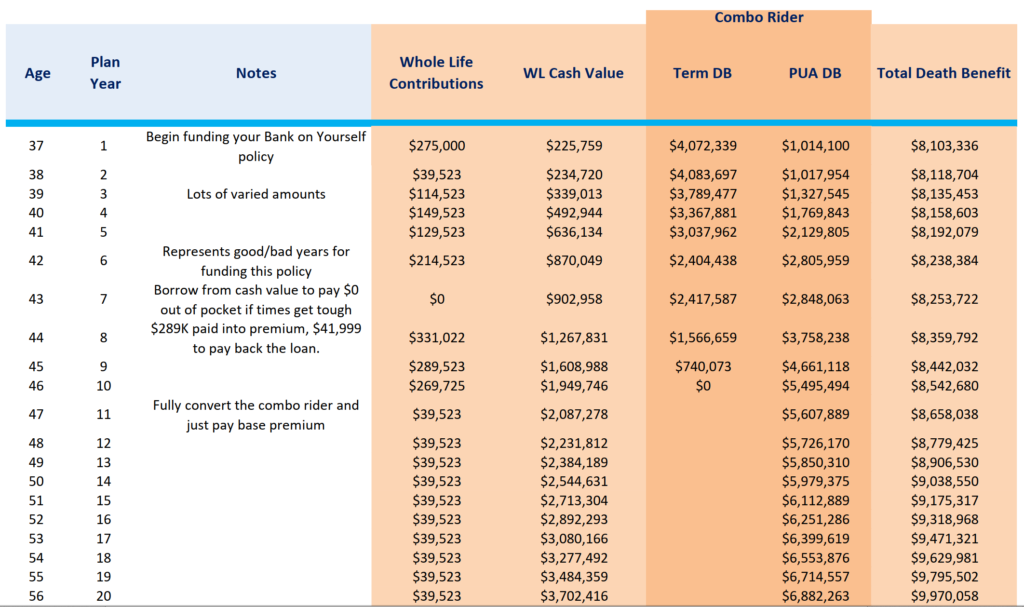
  • What is unique about the combo rider?
  • What about the 7 pay test?
  • What about the modified endowment contract (MEC) limit?
  • What is an all base premium?
  • How is it determined?
  • What about dividends?
  • What happens in a Bank on Yourself® type whole life insurance policy?
  • What happens when you add additional premium?
  • What about paid up additions?
  • How can you finance something right away?
  • What is the beauty of riders?
  • What about business owners?
  • What about real estate investors?
  • What about unexpected windfalls?
  • What is so special about the combo rider?
  • What about term insurance?
  • What about paid up additions?
  • What happens to the total amount you can put into a policy?
  • How do riders augment a policy?
  • How might we lift up the death benefit?
  • How does an agent keep the policy non-MEC?
  • How much premium flexibility do you want?
  • Do you need premium flexibility?
  • How much premium do you want to pay into the contract?
  • Is it better to keep cash in a bank account?
  • When do I want to pay those premiums?
  • What about Nelson Nash’s exercise in imagination?
  • What does the combo rider allow?
  • How is this different from past policies?
  • How does the combo rider create new avenues within the typical restrictions of whole life insurance?
  • How does it work so beautifully?
  • What do business owners need to conduct business?
  • How flexible can this be?
  • What’s the limitation?
  • Are there complications?
  • What about converting to permanent insurance?
  • What about increasing the death benefit?
  • What are the proportions?
  • Would it be possible to put in 10x?
  • What is the ultimate limit of the combo rider?
  • How is this like building additions onto a house?
  • How is this like a car?
  • How might we go from the potential to the actual?
  • Does this policy grow on a guaranteed basis?
  • What about expecting an inheritance?
  • What about going on an extravagant trip?
  • Who could benefit?
  • What’s a wonderful thing about the life insurance industry?
  • Where are the two best places to start?
  • Have you read Pamela Yellen’s book, The Bank on Yourself® Revolution? Talk to Mark for a free copy of this book
  • Have you read Nelson Nash’s Becoming Your Own Banker?
  • What three things does the combo rider help to solve?
  • If you couldn’t leave your family money, but only 1-2 ideas or principles to achieve fulfillment and success, what would they be? (Leave us a message! Due on or before June 7th, 2020) www.speakpipe.com/nyafp

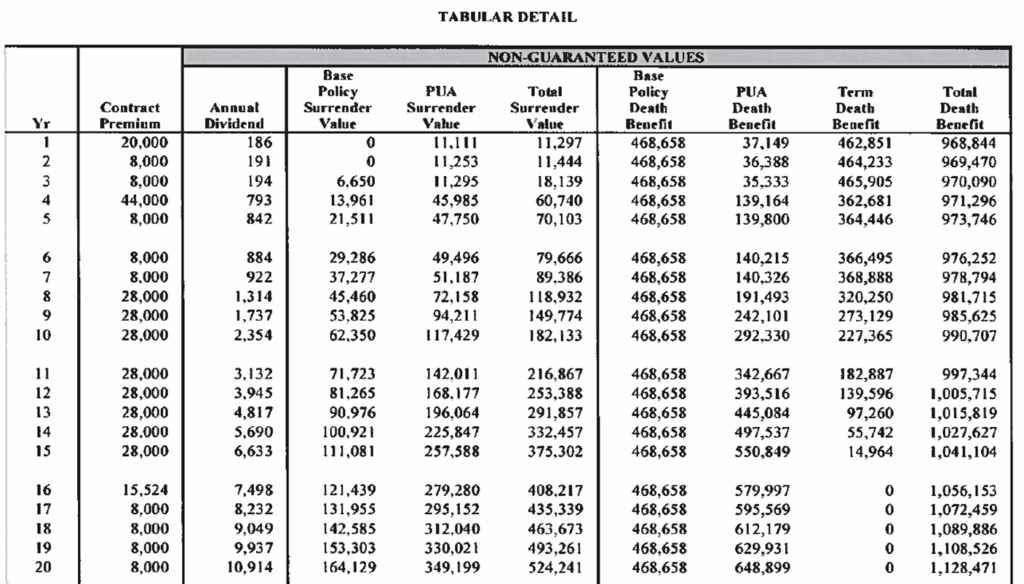
The following is for example purposes only. Please schedule a meeting to see your own numbers, unique to your situation.

Marty Smith is Regional Vice President of Security Mutual Life Insurance Company of New York. 

He loves the Infinite Banking and Bank on Yourself Concepts, Circle of Wealth, and Wealth & Wisdom. 

He believes that “dividend-paying, cash-value whole life insurance” is the greatest financial product that’s ever been created.


https://media.blubrry.com/nyafinancialpodcast/content.blubrry.com/nyafinancialpodcast/NYAFP_Episode_143.mp3

Episode 140: Krisstina Wise, How to Live Financially Immune

May 8, 2020 by Not Your Average Financial Podcast

https://media.blubrry.com/nyafinancialpodcast/content.blubrry.com/nyafinancialpodcast/NYAFP_Episode_140.mp3

Podcast: Play in new window | Download

Subscribe: Apple Podcasts | RSS

In this episode, we ask:

  • Who is Krisstina Wise?
  • What is Krisstina’s philosophy?
  • What is the alternative mindset?
  • What about an unconventional approach to real wealth?
  • What do you prefer?
  • What about financial products?
  • What are the top 10 steps for being financially immune?
  • Who is this for? Who is this not for?
  • What about variable income earners?
  • What about micro-business owners?
  • What is a business?
  • What is an income-making machine?
  • How might we generate more income?
  • What is the ceiling?
  • What are the limits?
  • How well do we move money through our household?
  • How do you build your asset sheet?
  • What is the system?
  • What do you do when everything is out of your control?
  • What about being “financially vulnerable”?
  • What about being financially immune?
  • Would you like to visit financiallyimmune.com ?
  • What happened when the ship hit the iceberg?
  • Is it “game over”?
  • Is it about survival?
  • Where is peace of mind?
  • What is the first thing from the business point of view?
  • What is burn rate?
  • Do you know your numbers?
  • If I asked you, what is your burn rate, could you say it?
  • What is the vital sign of a business?
  • How do we lower your burn rate to survival?
  • Is this expense essential to survival?
  • Is it negotiable?
  • Is rent negotiable?
  • Is payroll negotiable?
  • Are we carrying extra weight right now?
  • What about in the household?
  • What about refinancing car loans?
  • What about refinancing mortgages?
  • What about entertainment costs?
  • If we just did one, what would we choose?
  • What can we do?
  • What are we capable of?
  • How might we add the burn rates together?
  • Are we responsible for the total burn rate?
  • Who can find the money in the business?
  • Who can find the money in the household?
  • How might we reframe a tragedy?
  • What does this financial tragedy make possible?
  • What can we now do?
  • Where are the geniuses?
  • Are you grateful for genius creativity?
  • What is the next level of creativity?
  • How might you stockpile cash?
  • How is cash like water?
  • How is cash like oxygen?
  • How do we stockpile the cash funds?
  • Who is feeling the stress right now?
  • Where is the runway?
  • How long can we go?
  • How much runway do we have?
  • How much do we have in reserves?
  • Do you have 30, 60 or 90 days?
  • Where do you have liquid funds?
  • How is Krisstina using a whole life policy loan?
  • What about the Becoming Your Own Banker philosophy?
  • What about a cash out refinance?
  • What about real estate purchases?
  • What about the investor mentality?
  • What are some different ways to get cash?
  • What about debt?
  • What about negotiating terms?
  • What is your run rate?
  • Do you have predictable income?
  • Where is the revenue of the business 30, 60 and 90 days?
  • Can you predict it?
  • What do I need to break even?
  • What is the business strategy to be net zero?
  • How is this better to know?
  • What is the run rate on the personal side?
  • How are you solid?
  • How are you just fine?
  • What about burying your head in the sand?
  • What about fear?
  • How do we get “unstuck”?
  • What makes all the difference?
  • Where is the genius within?
  • What have I collected?
  • What do I have right now?
  • How long will it last?
  • What do we need?
  • What if we woke up today and forgot our memory?
  • How might we think like a start-up?
  • When is the time to do it?
  • Game on?
  • How might we be part of the solution (and not part of the problem)?
  • Are you able to pivot and play a new game?
  • Are you stronger?
  • Are you resilient?
  • Are you willing to learn the lessons?
  • Will you be ready the next time this happens?
  • How might we support you? Schedule a call with Mark


Krisstina Wise is a real estate mogul, Millionaire Coach, and creator of several multi-million dollar businesses including Goodlife Luxury, The Paperless Agent and most recently, WealthyWellthy. She is also an international speaker and the award-winning author of the Amazon Best-Seller Falling for Money, a romance novel for your bank account. Named one of the 100 Most Influential Real Estate Leaders in the country, she has been featured in USA TODAY, as well as by Apple, Contactually and Evernote for her creative leadership with emerging technologies.


https://media.blubrry.com/nyafinancialpodcast/content.blubrry.com/nyafinancialpodcast/NYAFP_Episode_140.mp3

Episode 133: Client Spotlight: Engineers and Bank On Yourself® Superstars, Derek and Amy Baker

March 20, 2020 by Not Your Average Financial Podcast

https://media.blubrry.com/nyafinancialpodcast/content.blubrry.com/nyafinancialpodcast/NYAFP_Episode_133.mp3

Podcast: Play in new window | Download

Subscribe: Apple Podcasts | RSS

In this episode, we ask:

  • Who are Derek and Amy Baker?
  • How did Derek earn his first dollar on the horse farm?
  • How did Amy earn her first dollar while camping?
  • When did they start thinking beyond the employee mindset?
  • How did thinking about paying for college motivate them?
  • What sort of real estate investments do they hold?
  • What did they learn at the conference?
  • How did they meet Mark?
  • How are they saving for college?
  • What do they love about the concept?
  • Why did Derek and Amy choose to work with Mark?
  • What do they love about working with Mark?
  • What did they learn?
  • What about who you know?
  • What about who you like?
  • What about who you trust?
  • Is this too good to be true?
  • What about moderate and solid growth?
  • What about liquidity?
  • What about access?
  • What about government restrictions?
  • What about going against the grain?
  • What about building generational wealth?
  • How do they use their cash value?
  • How does this affect their real estate work?
  • How do they deploy cash?
  • What about property inspections?
  • What about traveling to the property?
  • What about putting money into the value add?
  • What about advertising cost?
  • What about Bridge loans?
  • What about repairs?
  • What’s the scariest part of banking on yourself?
  • What about the time to “brew”?
  • What does it feel like to be a financial weirdo?
  • Why did Derek and Amy get into real estate?
  • How do they set themselves up with multiple streams of income?
  • What was the wake up call?
  • How are they building assets?
  • How did the Bank on Yourself® type policies help them through difficult times?
  • What about the flexibility of the policies?
  • How does this feel like a safety net?
  • What about fees?
  • As engineers, how did Derek and Amy get past the initial cost of life insurance?
  • Is this unbelievable?
  • What about the power of Bank on Yourself® type policies?
  • What are Derek and Amy doing with real estate syndication?
  • Would you like to reach out to Derek and Amy?
    • info@jamtineinvestments.com
  • What advice do Derek and Amy have?
  • How might you be more active and present?
  • Are most people overly passive with their money?
  • When is the best time to take a step?
  • What do you love about Derek and Amy?
  • How do they use real estate investing AND Bank on Yourself® type policies?
  • How do Derek and Amy think out three generations?
  • What makes all of the difference?
  • Would you like a FREE book?
  • Would you like to leave us a review?
  • What are people saying?
  • Would you like to leave us a voice message before April 19, 2020? Our question is:
    • What does a realistic budget look like?

Derek and Amy Baker are Founder and Co-Founder of Jamtine Investments headquartered in Grand Blanc, MI. They currently own and manage a multifamily rental portfolio of 253 units in Michigan, Texas and Tennessee. Derek and Amy have been active in real estate since 2016 with an emphasis on apartment syndication. They are members of Think Multifamily led by mentors Mark and Tamiel Kenney. 

Derek and Amy are graduates of Michigan State University. They both currently work for General Motors as Engineers and both hold a Bachelor of Science degree in Mechanical Engineering and Master of Science degree in Engineering Management. They have three beautiful children Molly (4), Emma (2) and Brayden (8 months) along with their perfect rescue dog, Izzy.


https://media.blubrry.com/nyafinancialpodcast/content.blubrry.com/nyafinancialpodcast/NYAFP_Episode_133.mp3

Episode 130: Storing Cash in Storage Units with Kris Benson

February 28, 2020 by Not Your Average Financial Podcast

https://media.blubrry.com/nyafinancialpodcast/content.blubrry.com/nyafinancialpodcast/NYAFP_Episode_130.mp3

Podcast: Play in new window | Download

Subscribe: Apple Podcasts | RSS

In this episode, we ask:

  • Are storage units going to be around awhile?
  • Who is Kris Benson?
  • What about the trading time for money model?
  • How did Kris get into real estate?
  • How did Kris niche down?
  • Where are the markets for self storage?
  • How many self storage units are there?
  • What mindset do people have for using storage?
  • Are there more storage units than fast food places?
  • Who are the storage unit customers?
  • Why would someone want to invest in storage units?
  • Do storage units have fussy tenants?
  • What are the two types of investors in storage units?
  • What are the three pillars that drove Kris into storage investing?
  • What about overall returns according to the data on nareit.com?
  • What is a real estate investment trust?
  • How is storage an out-performer?
  • What happened in the latest downturn?
  • Do Americans get rid of things when times are good?
  • Do Americans get rid of things when times are bad?
  • How many players are in the storage space?
  • What are the 5 major REITS in self storage?
  • What about mom and pop operators?
  • How does Kris evaluate storage properties?
  • What about net operating income (NOI) growth?
  • What do they do at Reliant?
  • Who is John Cordova?
  • How is storage a micro market?
  • How is storage not like an apartment complex?
  • How is storage a business of convenience?
  • What can go wrong in the storage business?
  • What about direct ownership of storage?
  • What about partnering with an operator?
  • How does occupancy fluctuate?
  • What about passive income streams?
  • What about Reliant’s professional organization with 48 properties?
  • How is this a diversification tool?
  • What happens to storage units when the stock market fluctuates?
  • What are some of the tax advantages of investing in real estate?
  • Is it possible to do cost segregation on a storage building?
  • What about the recapture?
  • What about long term capital gains rates vs. ordinary income?
  • Do passive investors receive depreciation?
  • Who needs to check with their CPA?
  • What’s a non-correlated asset?
  • Have you visited krisbenson.com?
  • Would you like to visit reliantinvestments.com?
  • What does self storage provide?
  • What about growing wealth in a way that is recession resistant?

Note the disclaimer: The topics presented in this podcast are for general information only and not for the purposes of providing legal, accounting or investing advice. On such matters, please consult a professional who knows your specific situation.

///////////////////////////////////////////////////////////////////////////

  • What about Moneeka Sawyer’s upcoming virtual, online Real Estate Investing for Women Summit? What about networking, the book, the date and the pricing?
  • What will Mark be speaking about at the summit?
  • Would you like to join? Visit blissfulinvestor.com/event 

////////////////////////////////////////////////////////////////////////////

  • What’s your most memorable money mistake? What lesson did you learn from it? Leave us a voice message by March 15, 2020 and we will send you Pamela Yellen’s latest book FOR FREE.

Kris Benson, is the chief investment officer for Reliant Investments, a subsidiary of Reliant Real Estate Management. Reliant Real Estate is one of the top 30 commercial self-storage operators in the U.S. in 2018. As chief investment officer at Reliant, Kris’s investing philosophy has always been about changing the paradigm of trading time for money. Kris knows the only thing in this world you cannot create more of is time . Time with your family and ultimately time doing the things you love. Investing in real estate has always been his path to passive income and he is passionate about sharing that opportunity with others.

In the last 12 months the Reliant team has invested over $96MM in self-storage projects and raised over $38MM from investors.

Self-Storage provides a unique opportunity to invest in one of the most successful asset classes in the past 5 years and take advantage of the institutional interest moving forward.

Kris graduated from the State University of Binghamton and currently lives just outside Saratoga Springs, NY with his wife Jenn and two sons, Noah and Luke.

He is an outdoor enthusiast with a passion for the ski mountain, the lake, and his mountain bike!


https://media.blubrry.com/nyafinancialpodcast/content.blubrry.com/nyafinancialpodcast/NYAFP_Episode_130.mp3

Episode 128: Seven Reasons Bank On Yourself® is Legitimately the Real Deal!

February 14, 2020 by Not Your Average Financial Podcast

https://media.blubrry.com/nyafinancialpodcast/content.blubrry.com/nyafinancialpodcast/NYAFP_Episode_128.mp3

Podcast: Play in new window | Download

Subscribe: Apple Podcasts | RSS

In this episode, we ask:

  • What are the core reasons why Bank On Yourself® is the real deal?
  • Who is The White Coat Investor, Dr. Jim Dahl?
  • What did he write about Bank On Yourself®?
  • What did Ted Benna, the father of the 401(k), say?
  • Where is Ted Benna parking his money?
  • What are Ted Benna’s three reasons why we should be weary of 401(k) plans?
  • Who is Jim Harbaugh?
  • What is a split dollar loan agreement?
  • What is the nature of Jim Harbaugh’s arrangement?
  • Could a business own a whole life insurance policy?
  • Why would a business want to own a policy?
  • Can a life insurance policy act like a deferred compensation plan?
  • What about Babe Ruth’s life insurance policy?
  • Would you like purchase a replica of Babe Ruth’s policy?
  • Have you heard Episode 66?
  • Are you still skeptical?
  • Have you read the Pirates of Manhattan?
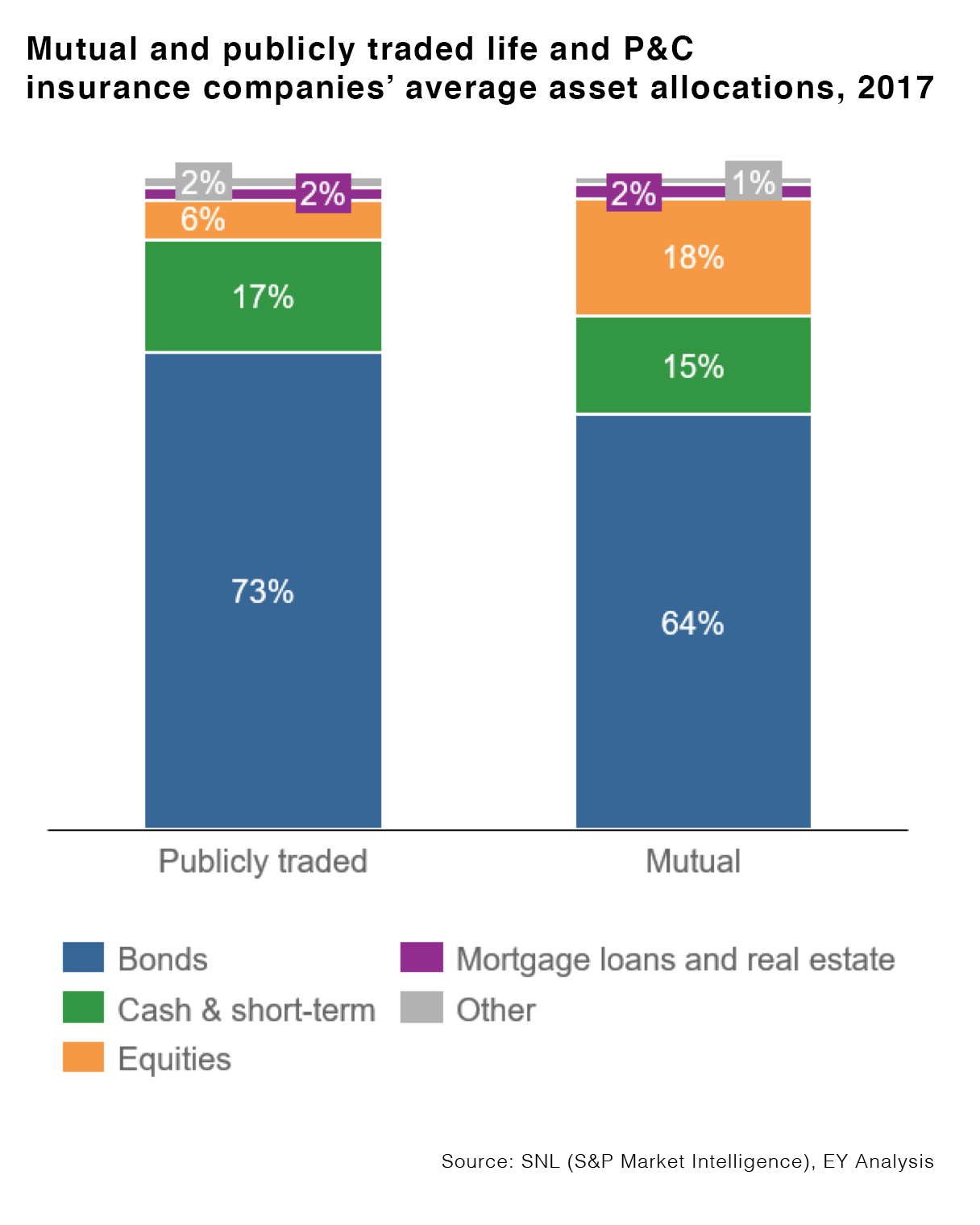
  • What do the banks do with their assets?
  • What about Enron founder, Ken Lay?
  • What about Lehman Brothers?
  • What is Tier 1 capital?
  • Does life insurance qualify as Tier 1 capital?
  • What did your grandparents do with their whole life insurance policies?
  • What was the most popular life insurance product from 1940-1970?
  • What happened in 1981?
  • Have you heard Grandma’s Wealth Wisdom podcast?
  • What is 10x safer than a bank’s savings account?
  • Why are banks so eager to keep your cash on hand?
  • What is fractional reserve banking?
  • How much can banks loan out?
  • What is the Dodd Frank Act?
  • What are the reserve requirements for life insurance companies?
  • How much does the well capitalized life insurance company have to have on hand?
  • What is the big difference in reserve requirements between banks and life insurance companies?
  • Have you read How Privatized Banking Really Works?
  • How do the life insurance companies invest their funds?
  • How much do life insurance companies have to keep liquid?
  • How much do life insurance companies have to have to pay death benefits?
  • How are life insurance companies strictly regulated?
  • What happens if a life insurance company gets into difficult times?
  • What are the additional protections?
  • How have many life insurance companies been able to pay a dividend for over 100 years?
  • Why do life insurance companies under promise and over deliver?
  • Have you heard Episode 118?
  • Have you heard Episode 106 and 107?
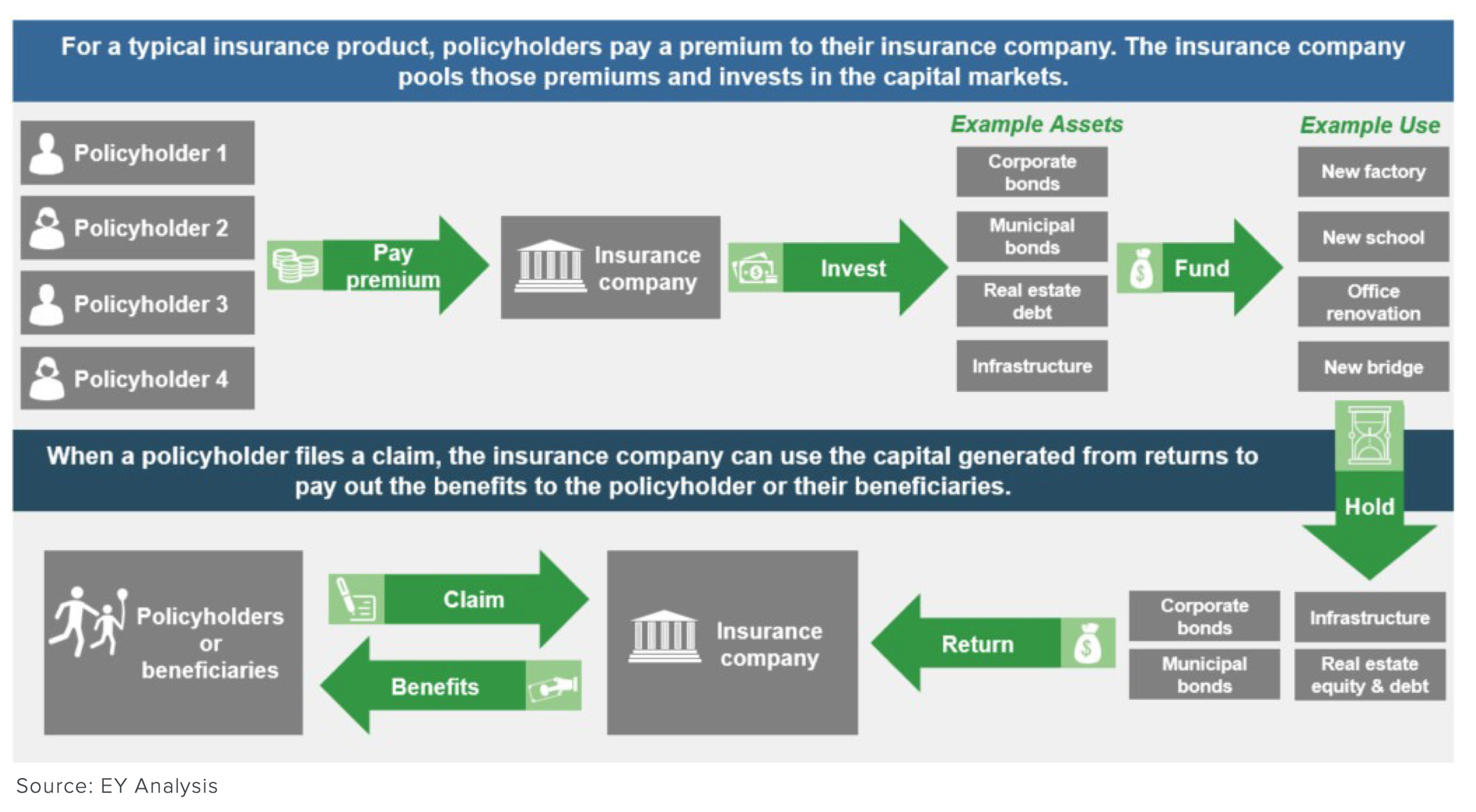
  • How does the insurance industry support the infrastructure across the U.S.?
  • What is the unique business model of the insurance companies?
  • How can the insurance companies get a better yield?
  • If this was a big scam, how could the insurance company build so much?
  • What do the investments of the insurance companies look like?
  • Is the money still liquid?
  • What usually constitutes a scam?
  • When do most people lose their skepticism?
  • How does life insurance cash value benefit families, businesses and other individuals?
  • What about the disclosures?
  • What is concealment?
  • What about the paperwork?
  • What about the disclosures from a prolific insurer, Mass Mutual?
  • What are the myths and truths about life insurance?
  • What about subscribing to the research from Pamela Yellen’s work?
  • What are some takeaways?
  • Should you believe everything you read on the internet?
  • What sources have authority?
  • Have you read Financial Independence in the 21st Century?
  • Would you like to buy this book?
  • What about Investopedia’s guide to dividend paying whole life insurance?
  • Have you heard Episode 74?
  • Have you heard Episode 55?
  • Have you heard Episode 6?
  • Have you heard Episode 36?
  • Have you heard Episode 91?
  • Have you heard Episode 110?
  • What is your favorite or most memorable money mistake? Leave us a message and let us know!
  • Would you like a free copy of Pamela Yellen’s latest book?


https://media.blubrry.com/nyafinancialpodcast/content.blubrry.com/nyafinancialpodcast/NYAFP_Episode_128.mp3

Episode 125: How to Acquire Ten Properties a Month with No Money Down with Chris Prefontaine

January 24, 2020 by Not Your Average Financial Podcast

https://media.blubrry.com/nyafinancialpodcast/content.blubrry.com/nyafinancialpodcast/NYAFP_Episode_125.mp3

Podcast: Play in new window | Download

Subscribe: Apple Podcasts | RSS

In this episode, we ask:

  • Who is Chris Prefontaine?
  • Who works with Chris?
  • How does Chris work with his son Nick?
  • How might one buy real estate on terms?
  • What is a lease purchase?
  • How does a lease purchase affect the homeowner?
  • What is owner financing?
  • About how many homes are free and clear in the U.S.?
  • What about principal owner payments?
  • What can go right with lease purchase?
  • What can go wrong with lease purchase?
  • What happens if someone dies during a lease purchase?
  • What is a tenant buyer on a rent to own?
  • Why does Chris want to avoid traditional renters?
  • How long have lease purchase deals been happening?
  • What’s the key difference between taking a course and doing a deal?
  • What happened in 2008?
  • What happens when Chris strikes the right term and the right agreements?
  • What’s the current market like?
  • What’s the long history of real estate investment?
  • How does Chris bring little or no money into a deal?
  • What happens when Chris finds a buyer?
  • How many deals a month make a substantial cash flow?
  • What are his core values?
  • How does Chris vet students?
  • Do you have grit?
  • Can you manage expectations?
  • How did Chris and his family arrive at the core values?
  • How do the core values affect how the family communicates?
  • What about secondary income?
  • What if an owner did one or two deals a year? What’s wrong with that?
  • What if you buy your own home this way?
  • Would you like a free copy of Chris Prefontaine’s new book?
  • Would you like to pay for and read his book on Kindle, The New Rules of Real Estate Investing?
  • Would you like a free strategy call with Chris?
  • Is all real estate hard work?
  • How do you keep work stress from showing up at the dinner table?
  • Would you like to join us on February 1, 2020 at 10AM CT / 11AM ET for a live online episode?
  • Would you like to leave us a voice message?
    • Do you think Bank on Yourself is a scam?
    • Do you have positive or negative experience with Bank on Yourself?
    • This is the last week to let us know!

Chris Prefontaine is the best-selling author of 2017’s Real Estate On Your Terms and this year’s The New Rules of Real Estate Investing. A real estate investor with over 27 years experience in the field, Chris is the founder of Smart Real Estate Coach ·- and host of the Smart Real Estate Coach Podcast. He lives in Newport, Rhode Island with his wife, Kim, and their family. Chris operates the family business with his son, Nick, his daughter, Kayla, his son-in-law, Zach, and an amazing team.

Chris has been a big advocate of constant education. He and his family mentor, coach, consult, and actually partner with students around the country, teaching them to do exactly what their company does. Between their existing Associates nationwide and their own deals, Chris and his family are still acquiring 5-10 properties every month and control between $20 to $30 million dollars worth of real estate deals — all done on TERMS without using their own cash, credit, or signing for loans.

Chris and his family believe strongly in giving back to the community. They currently support Franciscan Children’s Hospital in Brighton, MA, 3 Angels Foundation in Newport, RI, and the Wounded Warrior Project by giving a percentage of all deals to those causes.

https://media.blubrry.com/nyafinancialpodcast/content.blubrry.com/nyafinancialpodcast/NYAFP_Episode_125.mp3

Episode 123: News Roundup: The SECURE Act Passes, A Billionaire’s Biggest Policy and a WSJ Warning

January 10, 2020 by Not Your Average Financial Podcast

https://media.blubrry.com/nyafinancialpodcast/content.blubrry.com/nyafinancialpodcast/NYAFP_Episode_123.mp3

Podcast: Play in new window | Download

Subscribe: Apple Podcasts | RSS

In this episode, we ask:

  • What is the SECURE Act?
  • How does this act affect retirement accounts?
  • What about the fiduciary safe harbor?
  • What’s important about 72 years old?
  • What is a stretch IRA?
  • Did you hear the episode on required minimum distributions?
  • Would you like to hear an example?
  • What about taking distributions on inherited IRAs within 10 years?
  • What would the taxable income be in that 10 year period?
  • Are taxes as low as they’ve ever been?
  • When are taxes slated to go up?
  • What has changed with the 529 plans for college savings?
  • Can you now use 529 plans to pay for student loans?
  • What is a target date fund?
  • What is the average return of a target date fund?
  • What are the average rates on a student loan?
  • Can you apply a 529 plan for another child?
  • What about the 1.5 trillion dollar student debt problem?
  • Who purchased a 201 million dollar life insurance policy?
  • Who is the mysterious billionaire? Could it be Elon Musk?
  • Is life insurance a private contract?
  • Why would a billionaire pay million dollar premiums into a life insurance when they can buy literally anything else?
  • What are some of the benefits?
  • Would you like guarantees?
  • Would you like liquid access to cash?
  • Would you like tax advantages?
  • Would you like tax advantaged income in retirement?
  • What about California estate taxes?
  • What states have an inheritance tax?
  • What about the Wall Street Journal’s article on the I.U.L. product?
  • What is the appeal of Indexed Universal Life?
  • What is the massive issue with Indexed Universal Life?
  • What is this fancy “multiplier” and why are the regulators concerned?
  • Will this be a repeat of the troubled Universal Life policies of the 1980s?
  • What is the true cost of these policies?
  • What are the risks?
  • Have you heard Episode 59?
  • Have you heard Episode 60?
  • Have you heard Episode 61?
  • How many times is money mentioned in the bible?
  • Would you pay your neighbor’s debt?
  • What is the story of the church paying the debt?
  • How does this group view credit card debt as a group problem?
  • How does the debt annihilation team work?
  • Would you like to join us LIVE online on February 1, 2020?

https://media.blubrry.com/nyafinancialpodcast/content.blubrry.com/nyafinancialpodcast/NYAFP_Episode_123.mp3
Prev Page...
...Next Page

Sign Up to Receive Weekly Email Notifications

Not Your Average Financial Podcast
  Thank you for Signing Up
  Please correct the marked field(s) below
1,true,6,Contact Email,2
1,false,1,Last Name,2

Copyright © 2026 · Maron Pro Theme on Genesis Framework · WordPress · Log in