Not Your Average Financial Podcast™

Think different about your money, your economy and your future. Be curious. Be stable. Be sane.

Episode 163: Why Banks Need Insurance Companies with Kevin Greer

October 16, 2020 by Not Your Average Financial Podcast

https://media.blubrry.com/nyafinancialpodcast/content.blubrry.com/nyafinancialpodcast/NYAFP_Episode_163.mp3

Podcast: Play in new window | Download

Subscribe: Apple Podcasts | RSS

In this episode, we ask:

  • Would you like to be the owner?
  • What about assets?
  • Who is Kevin Greer?
  • Who works with Kevin?
  • What’s the craziest thing Kevin’s seen?
  • What about families inheriting properties?
  • What about estates and life insurance death benefits?
  • How does Kevin acquire properties for BankFinancial?
  • What’s the big difference for a smaller bank?
  • Who is the target market?
  • Why does it make sense to work with a community bank?
  • How does cash value life insurance factor into net worth calculations?
  • What does Kevin see on the balance sheets?
  • What about term insurance?
  • What is a future asset vs. current asset?
  • What about liquidation situations?
  • What are capital markets?
  • What are BankFinancial’s sweet spot?
  • What is a recourse loan?
  • How does one personally guarantee a loan?
  • What is it like, as a bank, borrowing from life insurance companies?
  • What kind of loans do life insurance companies want?
  • What are the companies looking for?
  • How might you, as an owner in a mutual life insurance company, participate in these deals?
  • What about cash flow?
  • What about yield?
  • What about private lending (sort of like hard money lending)?
  • How does Kevin help private lenders?
  • How did Kevin discover his passion for this work?
  • Would you like to talk with Kevin?
    • kgreer@bankfinancial.com
    • Call 312-525-1131
    • Reach out on LinkedIn
  • What are the takeaways?
  • What is a current asset? What is a future asset?

Note the disclaimer: The topics presented in this podcast are for general information only and not for the purposes of providing legal, accounting or investing advice. On such matters, please consult a professional who knows your specific situation.

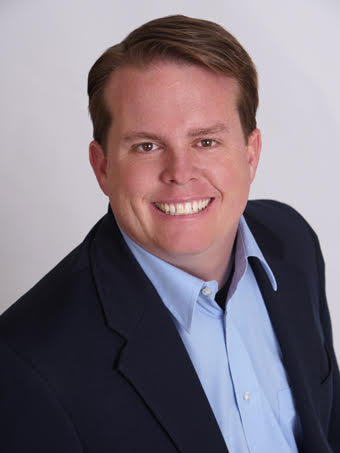
Kevin Greer, a commercial and multifamily real estate specialist for BankFinancial, has over 25 years experience lending and has closed over $100 million in real estate financing transactions.

Kevin participated on bank REO committees and REO disposition teams. In addition, Kevin has personally bought and sold several real estate properties over the past 15 years. 


https://media.blubrry.com/nyafinancialpodcast/content.blubrry.com/nyafinancialpodcast/NYAFP_Episode_163.mp3

Episode 161: Bank on Yourself® and Real Estate Investing

October 2, 2020 by Not Your Average Financial Podcast

https://media.blubrry.com/nyafinancialpodcast/content.blubrry.com/nyafinancialpodcast/NYAFP_Episode_161.mp3

Podcast: Play in new window | Download

Subscribe: Apple Podcasts | RSS

In this episode, we ask:

  • Would you like to hear a LIVE workshop Mark did with Roger Blankenship of the Flipping America Real Estate Investment Association?
  • Who has the deal funding power?
  • Is it possible to cut out mortgage companies?
  • What was the biggest wake up call of Mark’s adult life?
  • What are the three strategies and tactics?
  • What else?
  • Would you like to watch the video presentation (see below)?
  • Would you like to subscribe to the NYAFP YouTube page?
  • Would you like to hear the Q&A?


https://media.blubrry.com/nyafinancialpodcast/content.blubrry.com/nyafinancialpodcast/NYAFP_Episode_161.mp3

Episode 160: Why Work with a Bank on Yourself® Professional? Part 2

September 25, 2020 by Not Your Average Financial Podcast

https://media.blubrry.com/nyafinancialpodcast/content.blubrry.com/nyafinancialpodcast/NYAFP_Episode_160.mp3

Podcast: Play in new window | Download

Subscribe: Apple Podcasts | RSS

In this episode, we ask:

  • What is the history of Bank on Yourself®?
  • What did Nelson Nash find with the Infinite Banking Concept?
  • How was Nelson an evangelist?
  • What’s the issue with the IBC meaning?
  • What standards are in place around the Infinite Banking Concept?
  • What did Pamela Yellen learn?
  • What does Pamela write on page 247 of the Bank of Yourself® Revolution?
  • What is a modified endowment contract (or MEC)?
  • How did Pamela Yellen develop the Bank on Yourself® Professionals program?
  • How is the Bank on Yourself® language protected?
  • What is Bank on Yourself®?
  • How does this make a significant difference?
  • How might you know if an agent is capable and properly trained in designing a Bank on Yourself® type policy?
  • What about investment advisors?
  • What about designing riders properly?
  • How are these policies different from traditional whole life policies?
  • What is the only kind of insurance recommended for the Bank on Yourself® strategy?
  • What about captive agents?
  • What sort of products are captive agents writing?
  • Does it sound too good to be true?
  • What is Bank on Yourself® based upon?
  • Who owns Bank on Yourself® type life insurance policies?
  • Who do you know who is a Bank on Yourself® policy owner?
  • Can that advisor truly help you?
  • Why didn’t that advisor already tell you about Bank on Yourself®?
  • What is Bank on Yourself® NOT?
  • What about the knock-off advisors?
  • What about advisors who lost their licenses?
  • What is happening in the marketplace landscape?
  • What about the Infinite Banking Concept?
  • What about Private Banking Systems, Family Banking, Circle of Wealth, What Would the Rockefellars Do? and Perpetual Wealth Strategy?
  • Have you heard episode 95 and 96?
  • When was Nelson Nash’s Becoming Your Own Banker written?
  • What’s wrong with outdated numbers?
  • Is it about rate of return?
  • Is it legal to call an insurance policy a “bank”?
  • What about the laws and regulations?
  • Did Nelson Nash defend his trademarks?
  • How much do we treasure Nelson’s legacy?
  • What is a 770 Account?
  • What about the other names for a 770, including a President’s Secret Account, a 501(k) Plan, an Invisible Account and Income for Life?
  • What about a 702(j) Retirement Plan, attributed to President Ronald Reagan?
  • How are the Bank on Yourself® Professionals different?
  • What about Wealth Beyond Wall Street?
  • What is the promise?
  • What are some other names?
  • What is a Safe Money Millionaire or a 101 plan?
  • What is Indexed Universal Life?
  • What is in the fine print?
  • What about the warnings and disclaimers?
  • Why does the cash value on these go to ZERO?
  • What about the watchdog investigation?
  • Why are the illustrations on IUL and UL products wildly inaccurate?
  • What are IUL problems?
  • What about the IUL increasing costs?
  • Why is this devastating?
  • Why do these policies fall apart?
  • Would you like to hear Episode 59?
  • Would you like to hear Episode 60?
  • Would you like to hear Episode 61?
  • How are Bank on Yourself® Professionals different?
  • What is Maximum Premium Indexing and why is it so hot right now?
  • Why are they recommending buying an IUL and a whole life policy?
  • What is this mysterious strategy?
  • What is the advantage? What is the downside?
  • What is piggy backing?
  • Who does this benefit?
  • What are the red flags?
  • Why is this an ethical crisis?
  • Why is borrowing from one policy to buy a new one a bad idea?
  • What can you do if you’ve already purchased an inefficient or troubling policy?
  • Have you heard of the 1031 exchange in real estate?
  • Is there a like kind exchange in insurance?
  • What is the 1035 exchange?
  • Do you have an in-force illustration?
  • Would you like to call your insurer to get an in-force illustration?
  • Would you like us to review your in-force illustration for FREE?
    • Email us your PDF at hello@nyafinancialpodcast.com
    • or hop on Mark’s calendar.

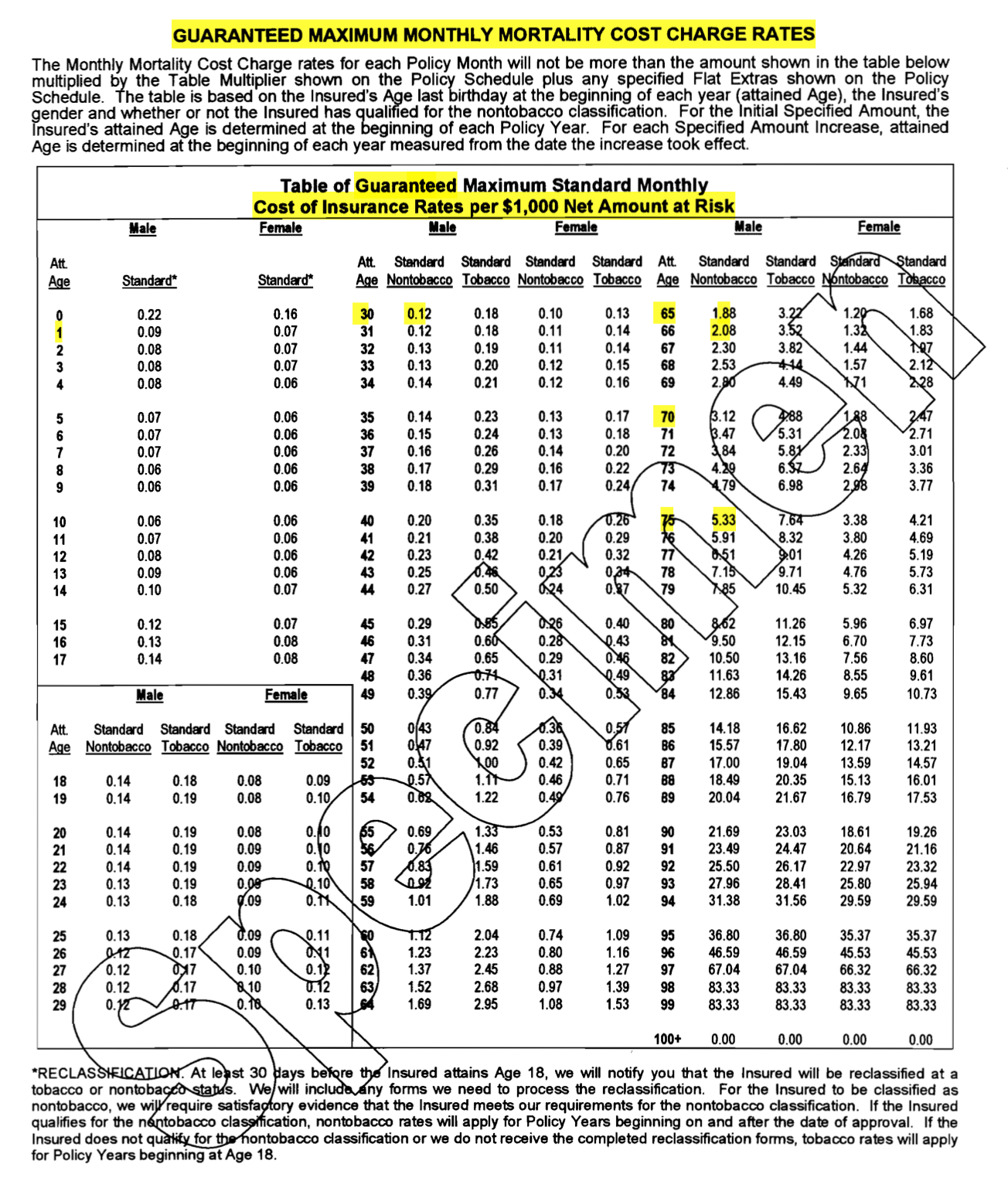
The Problem with Costs Going Crazy in Indexed Universal Life (IUL)

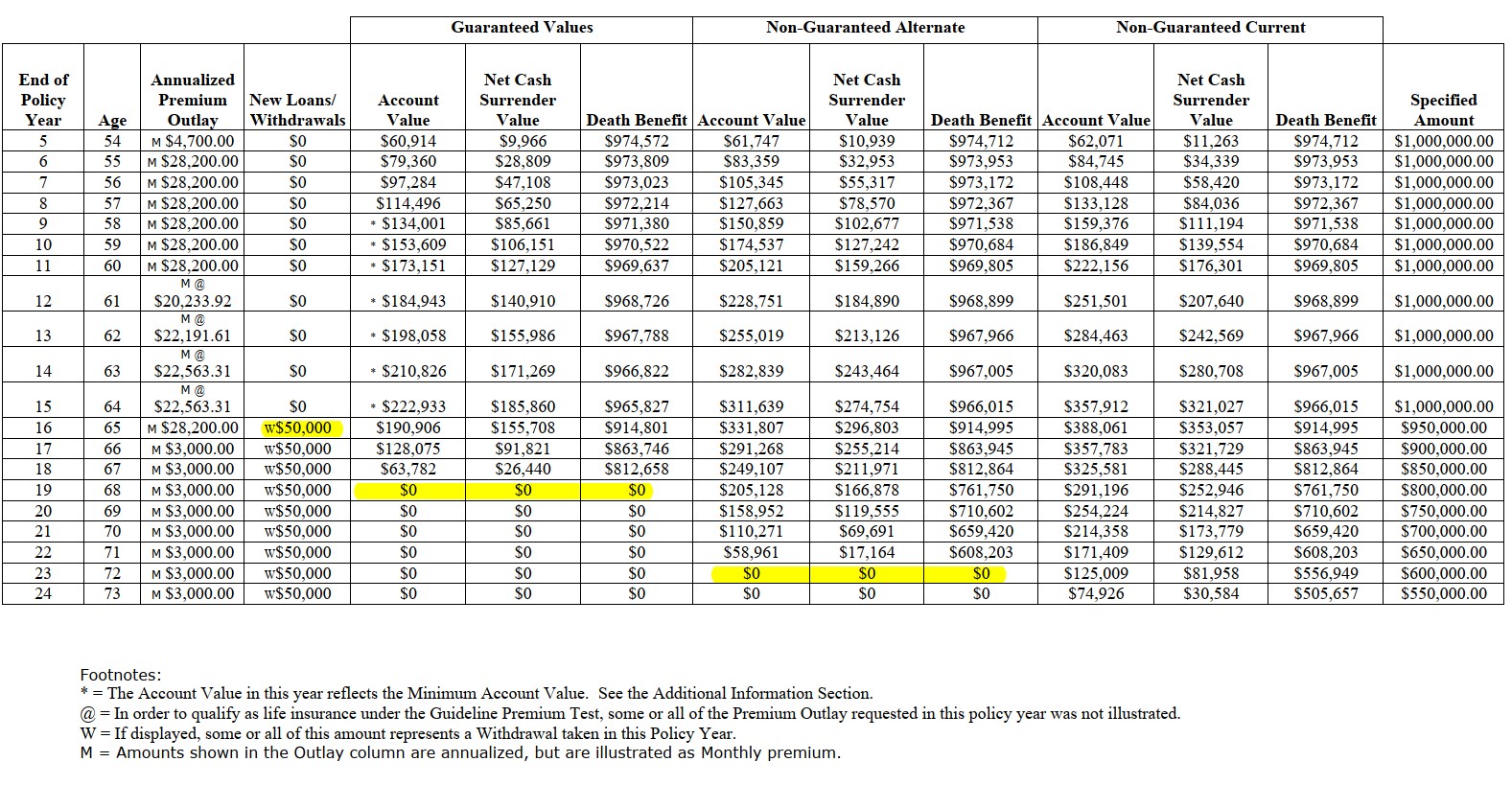
Example of What Might Happen with Retirement Income Using Indexed Universal Life (IUL)

https://media.blubrry.com/nyafinancialpodcast/content.blubrry.com/nyafinancialpodcast/NYAFP_Episode_160.mp3

Episode 154: Invest Local! Private Money Lending with David C. Barnett

August 14, 2020 by Not Your Average Financial Podcast

https://media.blubrry.com/nyafinancialpodcast/content.blubrry.com/nyafinancialpodcast/NYAFP_Episode_154.mp3

Podcast: Play in new window | Download

Subscribe: Apple Podcasts | RSS

In this episode, we ask:

  • Who is David C. Barnett?
  • How did David get into private money lending?
  • How does David look for deals that help improve the borrower’s business?
  • What’s David’s story?
  • What about doing financial deals?
  • What about commercial debt brokerage?
  • What did the limited power attorney allow David to learn?
  • Do we know what will happen in the future?
  • What about collateral?
  • What about Plan B?
  • What happens when things go south?
  • How do the wealthy stay wealthy?
  • What about the small deals?
  • What about doing a small deal with your own money?
  • What about the percentage?
  • What about selling the collateral piece if it doesn’t work out?
  • What about social, moral trust?
  • What about retail vs. wholesale investment?
  • What is a retail investment?
  • What does a bank do with a certificate of deposit?
  • What happens with the repo man?
  • How might you increase your rate of return?
  • Are these sort of deals the riskiest?
  • How do you build your network?
  • What about diversification?
  • What about risk and reward?
  • How do you find opportunities?
  • Should you put an ad out?
  • How do you connect with a club?
  • How do you build a network?
  • Where is the social angle?
  • How is a network self filtering?
  • What about credit reporting?
  • What are the advantages of a private deal?
  • Will it affect the borrower’s credit score?
  • What are the protections?
  • What about diversification?
  • What about the notes as an asset?
  • What about a rate with compound yield?
  • What happens if the zombie apocalypse happens?
  • What’s the worst case scenario?
  • What about Nassim Taleb’s barbell strategy?
  • What about the rattlesnake?
  • What about leverage strategies?
  • What about thinking about someone’s personal needs?
  • How might you benefit your borrower?
  • How might you collateralize?
  • What legal documents do you need?
  • How is personal property different from real estate?
  • What about the contracts?
  • Do you need to go in front of a judge?
  • If someone can’t make the payment, what’s likely happening?
  • What about a nuance in the language?
  • What’s a UCC filing?
  • What about creating a registration?
  • How do you choose which loans are worth it?
  • What are the rules in your state?
  • What is the limit on the interest you can charge?
  • What about consumption?
  • What about financing business needs or personal needs?
  • What are the circumstances that must exist for David to make a loan?
  • How does this increase cash flow?
  • How does this increase revenue?
  • How does this help them save money?
  • Why did David write this book?
  • Can you do deals on the side?
  • How much should you limit yourself?
  • How might you leverage deals with your knowledge and expertise?
  • Would you like to learn more at davidcbarnett.com?
  • Would you like to download his free book?
  • How might you invest in what you know?
  • Do you know your borrower?
  • Do you have liquid capital?
  • How might you be an ethical lender?
  • How might you provide a solution for those in need?
  • Would you like to leave us a review?
  • Send us a screenshot of your review to hello@nyafinancialpodcast.com, and we will send you a free book!

Get our episodes delivered right to your inbox so you don’t miss the amazing free content we’re giving out each week. Also get exclusive access to live calls, office hours and Q&A with me and our esteemed guests!

http://nyafinancialpodcast.com/subscribe/

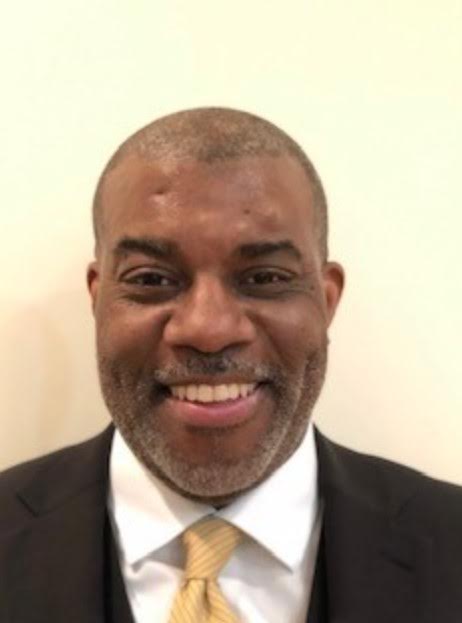
David Barnett works with entrepreneurs around the world helping them to buy, sell and organize their small and medium sized businesses.

He’s the author of 8 titles on Amazon (Read David’s Books) and has been maintaining a YouTube channel (watch David on YouTube) covering these topics which has hundreds of videos.


https://media.blubrry.com/nyafinancialpodcast/content.blubrry.com/nyafinancialpodcast/NYAFP_Episode_154.mp3

Episode 143: The Genius of Flexibility… with Marty Smith

May 29, 2020 by Not Your Average Financial Podcast

https://media.blubrry.com/nyafinancialpodcast/content.blubrry.com/nyafinancialpodcast/NYAFP_Episode_143.mp3

Podcast: Play in new window | Download

Subscribe: Apple Podcasts | RSS

In this episode, we ask:

  • Can you imagine?
  • Can you see the raw material?
  • Who is Marty Smith?
  • Who is Security Mutual Life?
  • What is unique about the combo rider?
  • What about the 7 pay test?
  • What about the modified endowment contract (MEC) limit?
  • What is an all base premium?
  • How is it determined?
  • What about dividends?
  • What happens in a Bank on Yourself® type whole life insurance policy?
  • What happens when you add additional premium?
  • What about paid up additions?
  • How can you finance something right away?
  • What is the beauty of riders?
  • What about business owners?
  • What about real estate investors?
  • What about unexpected windfalls?
  • What is so special about the combo rider?
  • What about term insurance?
  • What about paid up additions?
  • What happens to the total amount you can put into a policy?
  • How do riders augment a policy?
  • How might we lift up the death benefit?
  • How does an agent keep the policy non-MEC?
  • How much premium flexibility do you want?
  • Do you need premium flexibility?
  • How much premium do you want to pay into the contract?
  • Is it better to keep cash in a bank account?
  • When do I want to pay those premiums?
  • What about Nelson Nash’s exercise in imagination?
  • What does the combo rider allow?
  • How is this different from past policies?
  • How does the combo rider create new avenues within the typical restrictions of whole life insurance?
  • How does it work so beautifully?
  • What do business owners need to conduct business?
  • How flexible can this be?
  • What’s the limitation?
  • Are there complications?
  • What about converting to permanent insurance?
  • What about increasing the death benefit?
  • What are the proportions?
  • Would it be possible to put in 10x?
  • What is the ultimate limit of the combo rider?
  • How is this like building additions onto a house?
  • How is this like a car?
  • How might we go from the potential to the actual?
  • Does this policy grow on a guaranteed basis?
  • What about expecting an inheritance?
  • What about going on an extravagant trip?
  • Who could benefit?
  • What’s a wonderful thing about the life insurance industry?
  • Where are the two best places to start?
  • Have you read Pamela Yellen’s book, The Bank on Yourself® Revolution? Talk to Mark for a free copy of this book
  • Have you read Nelson Nash’s Becoming Your Own Banker?
  • What three things does the combo rider help to solve?
  • If you couldn’t leave your family money, but only 1-2 ideas or principles to achieve fulfillment and success, what would they be? (Leave us a message! Due on or before June 7th, 2020) www.speakpipe.com/nyafp

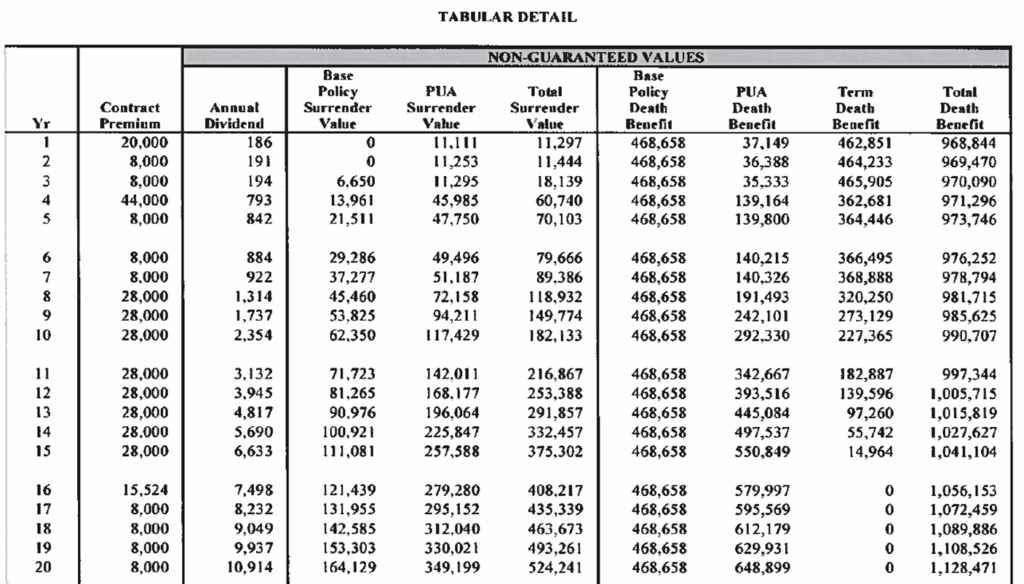
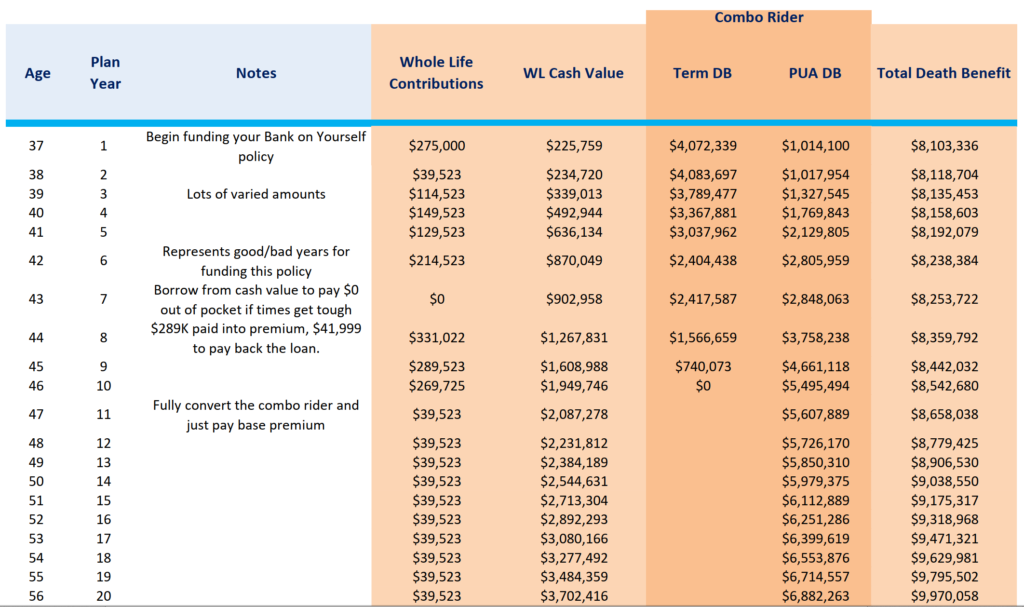
The following is for example purposes only. Please schedule a meeting to see your own numbers, unique to your situation.

Marty Smith is Regional Vice President of Security Mutual Life Insurance Company of New York. 

He loves the Infinite Banking and Bank on Yourself Concepts, Circle of Wealth, and Wealth & Wisdom. 

He believes that “dividend-paying, cash-value whole life insurance” is the greatest financial product that’s ever been created.


https://media.blubrry.com/nyafinancialpodcast/content.blubrry.com/nyafinancialpodcast/NYAFP_Episode_143.mp3

Episode 128: Seven Reasons Bank On Yourself® is Legitimately the Real Deal!

February 14, 2020 by Not Your Average Financial Podcast

https://media.blubrry.com/nyafinancialpodcast/content.blubrry.com/nyafinancialpodcast/NYAFP_Episode_128.mp3

Podcast: Play in new window | Download

Subscribe: Apple Podcasts | RSS

In this episode, we ask:

  • What are the core reasons why Bank On Yourself® is the real deal?
  • Who is The White Coat Investor, Dr. Jim Dahl?
  • What did he write about Bank On Yourself®?
  • What did Ted Benna, the father of the 401(k), say?
  • Where is Ted Benna parking his money?
  • What are Ted Benna’s three reasons why we should be weary of 401(k) plans?
  • Who is Jim Harbaugh?
  • What is a split dollar loan agreement?
  • What is the nature of Jim Harbaugh’s arrangement?
  • Could a business own a whole life insurance policy?
  • Why would a business want to own a policy?
  • Can a life insurance policy act like a deferred compensation plan?
  • What about Babe Ruth’s life insurance policy?
  • Would you like purchase a replica of Babe Ruth’s policy?
  • Have you heard Episode 66?
  • Are you still skeptical?
  • Have you read the Pirates of Manhattan?
  • What do the banks do with their assets?
  • What about Enron founder, Ken Lay?
  • What about Lehman Brothers?
  • What is Tier 1 capital?
  • Does life insurance qualify as Tier 1 capital?
  • What did your grandparents do with their whole life insurance policies?
  • What was the most popular life insurance product from 1940-1970?
  • What happened in 1981?
  • Have you heard Grandma’s Wealth Wisdom podcast?
  • What is 10x safer than a bank’s savings account?
  • Why are banks so eager to keep your cash on hand?
  • What is fractional reserve banking?
  • How much can banks loan out?
  • What is the Dodd Frank Act?
  • What are the reserve requirements for life insurance companies?
  • How much does the well capitalized life insurance company have to have on hand?
  • What is the big difference in reserve requirements between banks and life insurance companies?
  • Have you read How Privatized Banking Really Works?
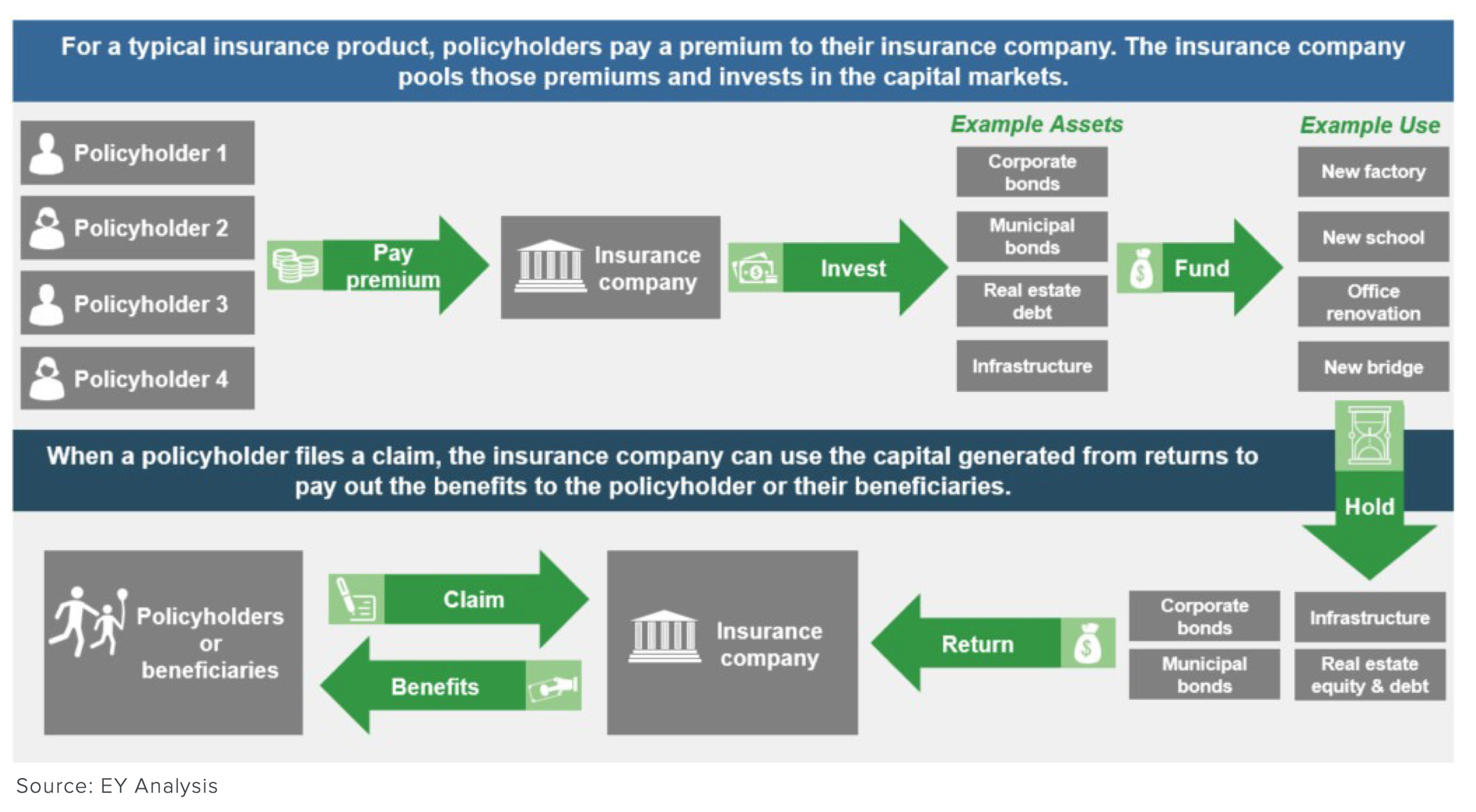
  • How do the life insurance companies invest their funds?
  • How much do life insurance companies have to keep liquid?
  • How much do life insurance companies have to have to pay death benefits?
  • How are life insurance companies strictly regulated?
  • What happens if a life insurance company gets into difficult times?
  • What are the additional protections?
  • How have many life insurance companies been able to pay a dividend for over 100 years?
  • Why do life insurance companies under promise and over deliver?
  • Have you heard Episode 118?
  • Have you heard Episode 106 and 107?
  • How does the insurance industry support the infrastructure across the U.S.?
  • What is the unique business model of the insurance companies?
  • How can the insurance companies get a better yield?
  • If this was a big scam, how could the insurance company build so much?
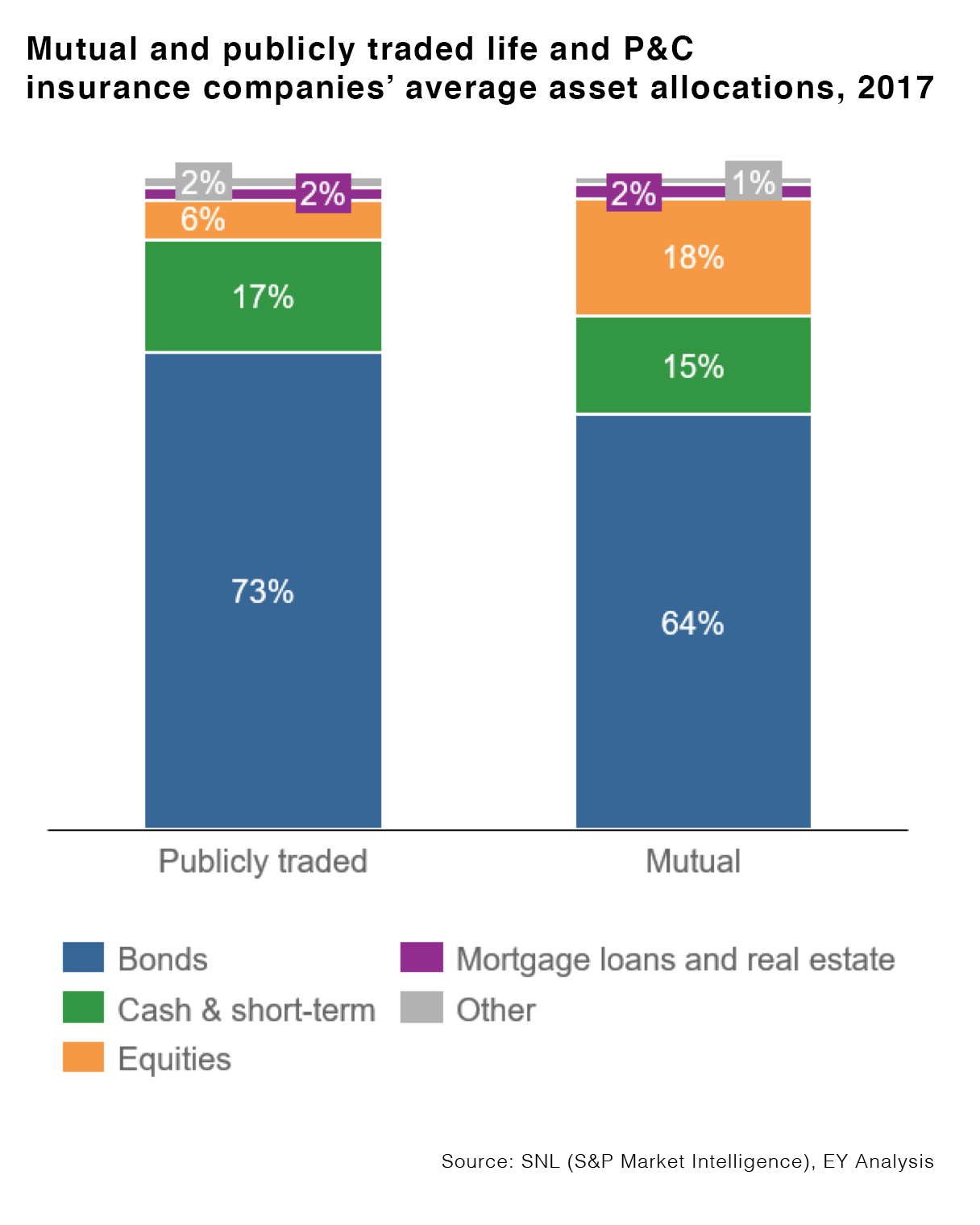
  • What do the investments of the insurance companies look like?
  • Is the money still liquid?
  • What usually constitutes a scam?
  • When do most people lose their skepticism?
  • How does life insurance cash value benefit families, businesses and other individuals?
  • What about the disclosures?
  • What is concealment?
  • What about the paperwork?
  • What about the disclosures from a prolific insurer, Mass Mutual?
  • What are the myths and truths about life insurance?
  • What about subscribing to the research from Pamela Yellen’s work?
  • What are some takeaways?
  • Should you believe everything you read on the internet?
  • What sources have authority?
  • Have you read Financial Independence in the 21st Century?
  • Would you like to buy this book?
  • What about Investopedia’s guide to dividend paying whole life insurance?
  • Have you heard Episode 74?
  • Have you heard Episode 55?
  • Have you heard Episode 6?
  • Have you heard Episode 36?
  • Have you heard Episode 91?
  • Have you heard Episode 110?
  • What is your favorite or most memorable money mistake? Leave us a message and let us know!
  • Would you like a free copy of Pamela Yellen’s latest book?


https://media.blubrry.com/nyafinancialpodcast/content.blubrry.com/nyafinancialpodcast/NYAFP_Episode_128.mp3

Episode 120: Are You Investing and Banking at Retail Prices?

December 20, 2019 by Not Your Average Financial Podcast

https://media.blubrry.com/nyafinancialpodcast/content.blubrry.com/nyafinancialpodcast/NYAFP_Episode_120.mp3

Podcast: Play in new window | Download

Subscribe: Apple Podcasts | RSS

In this episode, we ask:

  • Are you ready?
  • What is the most wonderful shopping season?
  • Would you like to retire right now?
  • What is it we’re talking about when we talk about money?
  • Can you meet your life goals without money?
  • Should we put money in the stock market and wait?
  • What are taxes going to do?
  • Will you get more than a 10% return on your money?
  • What can you expect from the stock market?
  • Why does Dave Ramsey still quote 12% annually on mutual funds when advisors aren’t allowed to do that?
  • What are real investors actually receiving, according to DALBAR?
  • What about fees?
  • What are the ongoing costs?
  • What are 12b1 fees?
  • What are other expenses?
  • What about redemption fees?
  • What about exchange fees?
  • What about the account fee?
  • Do you have to keep a minimum balance in that fund?
  • How might you think outside of the “retail” investing space?
  • What if you could invest at “wholesale” prices?
  • What is a REIT?
  • What about a private equity fund?
  • What is the trouble with wholesale shopping?
  • What about getting the top of the line model?
  • Are you giving up liquidity?
  • Does the government regulate who has access to wholesale?
  • What is an accredited investor?
  • How might you shop direct?
  • Do you increase your return with direct investing?
  • Do you increase your risk with direct investing?
  • Do you increase your control with direct investing?
  • How can you increase the tax benefits?
  • Would you like to defer your tax?
  • What about a Roth IRA?
  • What about offsetting rent income with expenses?
  • Can you do this inside a Roth IRAs?
  • What is the disadvantage of a self-directed IRA?
  • What about a professional real estate investor?
  • Who is blocking you when you’re a direct investor?
  • How can you eliminate the bank from the equation?
  • What about the function of banking at the retail, wholesale and direct levels?
  • What about Bank on Yourself® type designed whole life insurance policies?
  • What if you could become a banker in the direct sense of the word?
  • Are you a private money lender?
  • What happens when banks stop lending?
  • Could you offer your friends or family a better rate and better terms?
  • Could you become a lender to improve your financial picture?
  • How many fees are in your portfolio?
  • Are you an accredited investor?
  • Have you seen crunchbase.com?
  • Do you budget your cash value?
  • Have you started using YNAB (youneedabudget.com)?
  • Would you like to talk with us about making your financial picture more direct?
  • We have a question for you… Is Bank on Yourself a scam? Let us know at speakpipe.com/nyafp
  • Would you like to leave us a review at Apple Podcasts?
  • Would you like a complimentary copy of Pamela Yellen’s latest book?

https://media.blubrry.com/nyafinancialpodcast/content.blubrry.com/nyafinancialpodcast/NYAFP_Episode_120.mp3

Episode 114: The 8 Rules for Bank on Yourself® with Jim Conrad

November 8, 2019 by Not Your Average Financial Podcast

https://media.blubrry.com/nyafinancialpodcast/content.blubrry.com/nyafinancialpodcast/NYAFP_Episode_114.mp3

Podcast: Play in new window | Download

Subscribe: Apple Podcasts | RSS

In this episode, we ask:

  • Who is Jim Conrad?
  • Would you like a FREE copy of Pamela Yellen’s new book, Rescue Your Retirement?
  • Send us a screenshot of your new iTunes review to hello@nyafinancialpodcast.com, and we’ll send you a copy of the book!
  • What can you do with a dollar?
  • What are the 8 rules for Bank on Yourself® type Whole Life policy?
    • 1. A Bank on Yourself® type Whole Life policy gets better every year, and there is nothing you can do about it.
    • 2. There is no such thing as paying too much premium.
    • 3. Pay as much premium as you can, for as long as you can.
    • 4. Always use your own capital… did I say always?
    • 5. Never save up money in somebody else’s bank.
    • 6. Pay back your policy loans in a reasonable amount of time.
    • 7. Favor paying premium over paying back loans quickly.
    • 8. If you bank on yourself, you can forget about interest rates and rate of return.
  •  Have you heard Episode 6?
  • Does something becoming more efficient every year violate the laws of physics?
  • Do you know anything else that gets better every year?
  • Is there such a thing as paying as paying too much premium?
  • Would you like to watch Jim’s Dollar Diagram video?
  • How many policies does Jim own?
  • How can you make major purchases over and over again?
  • Why would you want to put money into a risk investment?
  • Why is this so powerful?
  • What is the math on PUA premium growth from age 21?
  • Should you do this if you’re younger?
  • How is Jim living proof that it works?
  • How long can you keep paying premium?
  • Why is paying premium a privilege?
  • Why wouldn’t you want to keep putting money into that money machine?
  • Isn’t the look of a curve beautiful?
  • If you have a money machine in your living room, and you put one dollar in and four dollars come out, how many dollars would you put in the money machine?
  • Why should I borrow against my own policy if I can get a lower interest rate a credit union?
  • What is the flaw in this thinking?
  • Can you enrich yourself and the bankers?
  • How might you enrich yourself?
  • Why would you like to build up the wealth of others, when you can build your own wealth?
  • Are you in the habit of keeping tens of thousands in the closet?
  • Do you own a properly structured Bank on Yourself® type Whole Life policy?
  • Why would you want to enrich those who profit from fractional reserve banking?
  • How might you pay back your policy loans in a reasonable period of time?
  • What is a reasonable period of time?
  • How does one determine what is reasonable?
  • Why do people pay off loans quickly?
  • Can you afford to buy that thing?
  • Are you “stealing the peas”? (As Nelson Nash would say…)
  • Can you favor paying premium over paying back loans quickly?
  • How much of your available cash flow should be used for paying back loans?
  • How much of your available cash flow should be used for premium?
  • Should you put your dollar into PUAs or toward a policy loan?
  • Should you always favor paying premium?
  • What happens when you’re no longer earning active income?
  • Should you pay off your loans before retirement?
  • How have we been trained?
  • How can you think differently than the way the rest of the world thinks?
  • What? Jim? Did I hear you right?
  • Shouldn’t you get the lowest interest rate you can get?
  • Where will your death benefit go?
  • What is the rate of return on guaranteed growth over unknown growth?
  • What about interest rates?
  • Are higher interest rates great?
  • How does the volume of interest go down over the growth of the loan?
  • What about dividends?
  • What has to happen for Jim to throw a party?
  • Would you like to watch Jim’s Dollar Diagram video?
  • Would you like to talk with Jim? Email him at jim@conradfinancial.us
  • What did you take away from today’s episode?

Jim Conrad, the President of Conrad Financial Services, resides with his wife, Deb, in Concord, North Carolina.  Jim started working for his clients in financial services 20 years ago, after a 25-year career in management with a Fortune Top 10 company.  He grew up in the Chicago suburbs, and he hold a B.S. in chemical engineering from Purdue University and an MBA from Lewis University.

Jim has been a Bank On Yourself Authorized Advisor for the past 13 years.  His passion is  helping people achieve financial peace of mind by owning a strategy they can count on for life.

https://media.blubrry.com/nyafinancialpodcast/content.blubrry.com/nyafinancialpodcast/NYAFP_Episode_114.mp3

Episode 113: Nightmare Scenarios with Amanda Neely

November 1, 2019 by Not Your Average Financial Podcast

https://media.blubrry.com/nyafinancialpodcast/content.blubrry.com/nyafinancialpodcast/NYAFP_Episode_113.mp3

Podcast: Play in new window | Download

Subscribe: Apple Podcasts | RSS

In this episode, we ask:

  • Do you ever spin out into the “WHAT IF…” conversations?
  • What happens to Bank on Yourself type policies when the world ends?
  • Is it the end of the world as we know it?
  • Would you like Pamela Yellen’s latest book, Rescue Your Retirement?
  • Would you like to write us a review on iTunes and email us a screen shot at hello@nyafinancialpodcast.com? If you do, we’ll send you Pamela Yellen’s newest book for FREE.
  • Schedule an Appointment with Us
  • How has Amanda Neely been a prepper?
  • What are the nightmare scenerios?
  • What happens in a zombie apocalypse?
  • Do you have water?
  • Do you have food?
  • What is more reasonable?
  • Are we living in a dreamworld economy?
  • What if Wall Street just crashed?
  • What if Wall Street dropped by 50% (like it has twice in the last decade)?
  • What happened in the great depression?
  • How did life insurance policy owners fare in the great depression?
  • What about stagflation?
  • Who had the liquid pools of cash?
  • Who received increases?
  • What about the market crashes of the 90s?
  • What about volatility?
  • What about the rings of a tree?
  • What about volume?
  • What about consistent, compounding of the dollar?
  • What about liquidity?
  • What if there was a run on the bank?
  • What if banks are closed?
  • How would you get money out of a policy if you can’t access a regular bank?
  • What about macro economic nightmares?
  • What about a decline in the dollar?
  • What happens to the value of a policy?
  • What happened in the last decline of the dollar?
  • How do things cycle?
  • What if the dollar gets replaced?
  • What did life insurance companies use before the U.S. dollar?
  • What is the legal tender where the contract is domicile?
  • What about a major bout of hyperinflation or deflation?
  • Why is inflation a problem?
  • What about massive lay offs?
  • What about changes in demographics?
  • Do you have flexibility with your premium?
  • What are the exit strategies?
  • Can you reduce your premium?
  • Can you stop the premium?
  • Is winter coming?
  • What about having fewer resources than your parents?
  • What about hyperinflation?
  • What happens to a policy in wild crazy inflation?
  • How does hyperinflation affect your income?
  • Who sets the federal interest rate?
  • What about paying the national debt with a higher interest rate?
  • What happens if the rates go high?
  • What about squatter’s rights?
  • What happens if contract law falls away?
  • What about the resources of a life insurance company?
  • What about gold? Would you like to view a historical gold chart?
  • What about social security and medicare?
  • How can you reach out to Amanda Neely?
  • Have you visited grandmaswealthwisdom.com?
  • Will the life insurance companies be the last domino to fall?


https://media.blubrry.com/nyafinancialpodcast/content.blubrry.com/nyafinancialpodcast/NYAFP_Episode_113.mp3

Episode 109: How to Become Your Business’ Line of Credit (and Beat your Competition) with Scott Plamondon

October 4, 2019 by Not Your Average Financial Podcast

https://media.blubrry.com/nyafinancialpodcast/content.blubrry.com/nyafinancialpodcast/NYAFP_Episode_109.mp3

Podcast: Play in new window | Download

Subscribe: Apple Podcasts | RSS

In this episode, we ask:

  • Has your crystal ball come in the mail yet?
  • Do you have a line of credit?
  • Do you have a business collateralized loan?
  • Who is Scott Plamondon?
  • Have you heard the Grandma’s Wealth Wisdom podcast with Brandon and Amanda Neely?
  • When did Scott join the Air Force?
  • When did Scott start as an accountant?
  • When did Scott move to California?
  • Are most business loans rejected?
  • Why do so many businesses fail?
  • How did Scott start working with business owners?
  • What is the client’s story with the line of credit?
  • What’s Brandon and Amanda’s story?
  • How does this client use a Bank on Yourself type whole life insurance policy to create a line of credit for the business?
  • How did Brandon and Amanda use their Bank on Yourself type policy to deal with a flood at their business?
  • How did Brandon and Amanda use their Bank on Yourself type policy to sell their business?
  • What did Scott’s client want?
  • What was the result?
  • How are policy loans more graceful than bank lines of credit?
  • What about when business isn’t great?
  • What about when business is thriving?
  • How does this strategy affect retirement?
  • Who will be the most resilient when the economy turns?
  • How could this client interact with his competitors?
  • Can this client take a break from repaying the loan if his business hits a rough patch?
  • How much control do you have?
  • What is the spiraling cycle?
  • What is a daily interest loan?
  • What about paying excess interest?
  • Why do business owners love to reinvest in their own business?
  • Did Scott get any pushback from other CPAs or accountants?
  • What opportunities have Scott’s clients been able to take up?
  • What’s bigger than a rate of return?
  • What other things should be factored in?
  • How might you take advantage of opportunities?
  • What opportunities emerge from downturns?
  • Are you already in the banking business?
  • Which side of the banker’s table are you sitting on?
  • Who is Nelson Nash? Have you heard Episode 95 and Episode 96?
  • What is the average age of an entrepreneur?
  • What if you never had to depend on banks?
  • What if you do decide you want to start your own business in the future?
  • How can you work with Scott Plamondon?
  • Do you know someone who has been burned by the banks?
  • What percentage of businesses have their loan requests rejected?
  • How many receive a loan?
  • What can the bank do?
  • What happens when a bank calls the loan?
  • Is it about the internal rate of return?
  • Does opportunity seek out those who have liquidity?

For over 28 years Scott Plamondon has been successfully helping people plan for retirement. He uses his accounting and investment background combined with a deep understanding of his client’s financial needs, to offer the best possible strategies.

Scott earned a Bachelor of Science degree in Business Administration from New Hampshire College. He is a Chartered Life Underwriter (CLU) and he has a Personal Financial Planning Certificate (PFP) from the University of California, Irvine. He is fully licensed in life and disability insurance, and annuities.

Scott served in the US Air Force from 1984 to 1987. He is married with two daughters and resides in Mission Viejo, California where he is an active member of the community.


https://media.blubrry.com/nyafinancialpodcast/content.blubrry.com/nyafinancialpodcast/NYAFP_Episode_109.mp3
Prev Page...
...Next Page

Sign Up to Receive Weekly Email Notifications

Not Your Average Financial Podcast
  Thank you for Signing Up
  Please correct the marked field(s) below
1,true,6,Contact Email,2
1,false,1,Last Name,2

Copyright © 2026 · Maron Pro Theme on Genesis Framework · WordPress · Log in