Not Your Average Financial Podcast™

Think different about your money, your economy and your future. Be curious. Be stable. Be sane.

Episode 18: The Episode of Hope

January 5, 2018 by Not Your Average Financial Podcast

https://media.blubrry.com/nyafinancialpodcast/content.blubrry.com/nyafinancialpodcast/NYAFP_Episode_18.mp3

Podcast: Play in new window | Download

Subscribe: Apple Podcasts | RSS

In this episode, we ask:

  • At your age?
  • At that income?
  • With that health problem?
  • What if I don’t make enough money to start planning?
  • How much should I save?
  • How do you overcome the paycheck-to-paycheck cycle?
  • When will you make the most income?
  • Is whole life insurance terrible?
  • Does the death benefit on whole life insurance keep up with inflation?
  • How has life insurance changed in the last fifteen years?
  • What is special about a properly designed, dividend-paying, Bank On Yourself policy?
  • Why do life insurance companies keep the cash value upon death?
  • How much do life insurance producers make in commission?
  • Why do producers take a pay cut to write Bank On Yourself policies?
  • What sort of life insurance should you consider, if you’re thrifty?
  • Why does life insurance hinge on medical underwriting?
  • How can people with health issues get a Bank On Yourself policy?
  • What are the possibilities for older individuals?
  • What about the cost of insurance?
  • Why would I put any money outside of the market? Won’t that money grow slowly?
  • What happens if I get disabled?
  • What if I can’t keep up with the regular premium payments in a Bank On Yourself policy?
  • How can avoid making another mistake with my money?

https://media.blubrry.com/nyafinancialpodcast/content.blubrry.com/nyafinancialpodcast/NYAFP_Episode_18.mp3

Episode 17: A Tale of Two Brothers (Part 2)

December 29, 2017 by Not Your Average Financial Podcast

https://media.blubrry.com/nyafinancialpodcast/content.blubrry.com/nyafinancialpodcast/NYAFP_Episode_17.mp3

Podcast: Play in new window | Download

Subscribe: Apple Podcasts | RSS

In this episode, we ask:

  • Fast forward 29 years – how’d it turn out for George and Sam?
  • What are the long term effects of the decisions they’ve made earlier?
  • How did Opportunity Cost, Liquidity and Interest work out for George and Sam?
  • Who is DALBAR? What information do they report?
  • As of this year, how much did the average investor earn over the last 30 years?
  • What happened to each of their retirement accounts?
  • What were the AUM fees on the accounts and how much did it affect their balances?
  • What debt did George and Sam carry through?
  • How much do they pay on the debts?
  • How much did George pay in interest?
  • How much does George get on returns on his 401(k)?
  • How much does George pay to banks each year?
  • How much would Sam have for income annually in retirement?
  • How much did Sam earn?
  • What’s the moral of the story?

https://media.blubrry.com/nyafinancialpodcast/content.blubrry.com/nyafinancialpodcast/NYAFP_Episode_17.mp3

Episode 16: A Tale of Two Brothers (Part 1)

December 22, 2017 by Not Your Average Financial Podcast

https://media.blubrry.com/nyafinancialpodcast/content.blubrry.com/nyafinancialpodcast/NYAFP_Episode_16.mp3

Podcast: Play in new window | Download

Subscribe: Apple Podcasts | RSS

In this episode, we ask:

  • Are you ready to join us fireside for a story?
  • What opportunities bring interest, opportunity cost and liquidity together?
  • As you listen to the parable of the two brothers, what do you notice?
  • How are these twin brothers, George and Sam, the same?
  • How are they different?
  • What does George’s financial blueprint look like?
  • What does Sam’s financial blueprint look like?
  • What beliefs does each hold?
  • How are their choices the same?
  • Where do their choices diverge?
  • How do they view the world?
  • How does security factor into this story?

https://media.blubrry.com/nyafinancialpodcast/content.blubrry.com/nyafinancialpodcast/NYAFP_Episode_16.mp3

Episode 15: [Toolbox] Unlocking Cash

December 15, 2017 by Not Your Average Financial Podcast

https://media.blubrry.com/nyafinancialpodcast/content.blubrry.com/nyafinancialpodcast/NYAFP_Episode_15.mp3

Podcast: Play in new window | Download

Subscribe: Apple Podcasts | RSS

In this episode, we ask:

  • What is liquidity?
  • How do loans affect your liquidity?
  • How does liquidity affect cash needs in an emergency?
  • How does your rate of return affect all of your investments?
  • How does detail orientation affect financial planning decisions?
  • How do we zoom out and think about this from a big picture perspective?
  • Does making more income always afford more liquidity?
  • What percentage of the average American’s income is being spent on interest?
  • What does a higher rate of return do?
  • How do you know if you’re “doing great”?
  • What does volume have to do with it?
  • How does liquidity solve your problems? What are the benefits of liquidity?
  • How can you finance a new opportunity?
  • What vehicles are liquid?
  • What are the first steps to getting liquidity?
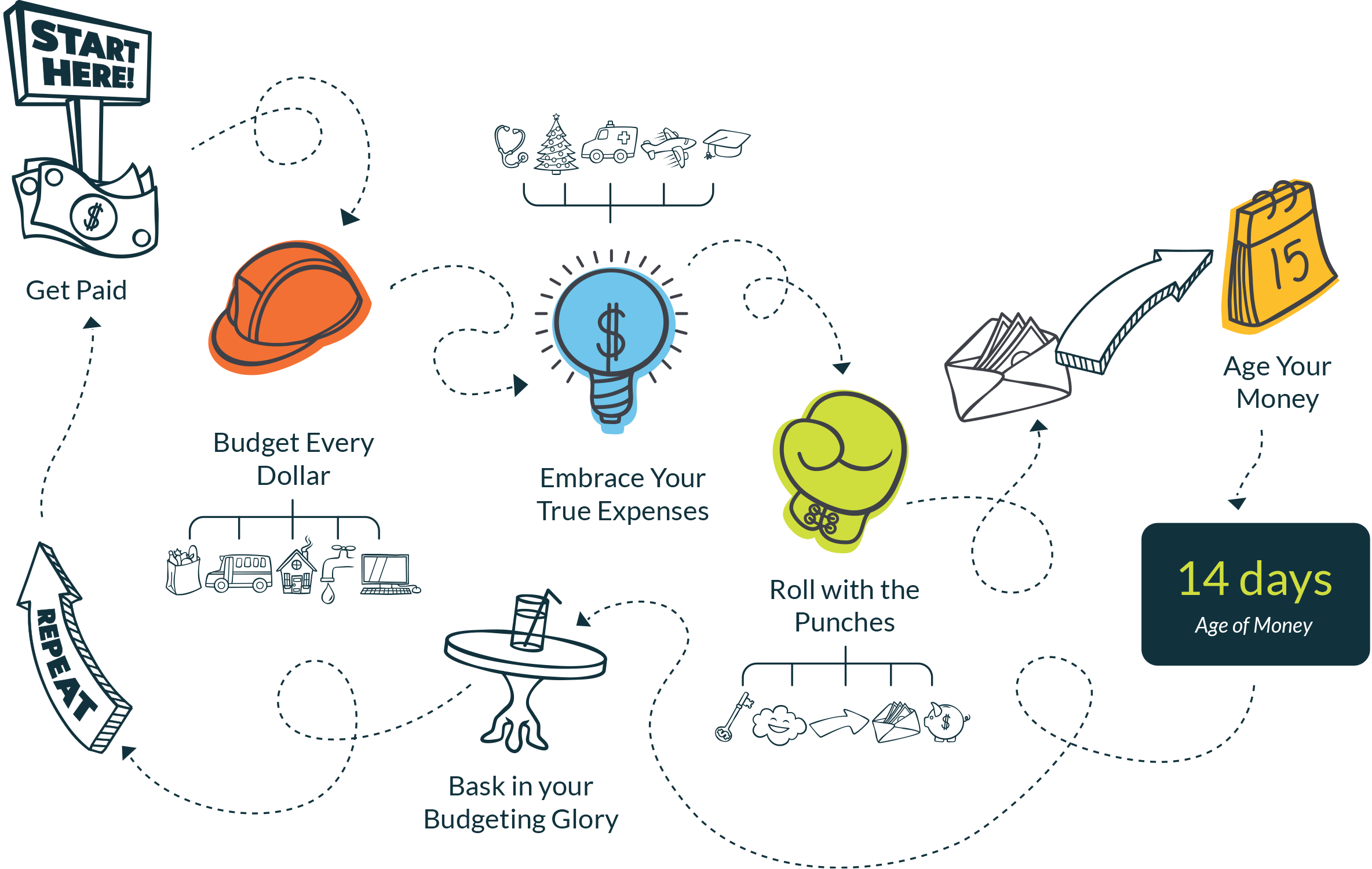
  • How do you age your money?
  • How do you break the paycheck to paycheck cycle?
  • How much emergency fund do you need?
  • How do you spend less than you earn?
  • Where are you putting your money?
  • What is the budget software Katrina mentions? Link: You Need A Budget (YNAB)
  • If every American had a month’s worth of bills in the bank, what would change?
  • How does liquidity affect your central nervous system?
  • How can liquidity help when you lose income or a job?
  • How can a buffer change your life?
  • How can you weather a storm?
  • How can you have more choices when you’re job hunting?
  • How can you reduce your expenses?
  • What are some ways to reduce health care costs?
  • How do you get a sense of control?
  • How do you give yourself options?
  • How do time and liquidity work together to benefit you?
  • How can you take advantage of new opportunities that come your way?
  • How do you manage your money?
  • How liquid are your accounts? Do you have access to your cash when you need it?

https://media.blubrry.com/nyafinancialpodcast/content.blubrry.com/nyafinancialpodcast/NYAFP_Episode_15.mp3

Episode 14: [Toolbox] It’s Time To Take an Interest in Interest

December 8, 2017 by Not Your Average Financial Podcast

https://media.blubrry.com/nyafinancialpodcast/content.blubrry.com/nyafinancialpodcast/NYAFP_Episode_14.mp3

Podcast: Play in new window | Download

Subscribe: Apple Podcasts | RSS

In this episode, we ask:

  • What is interest anyway?
  • What is the difference between compound interest and simple interest?
  • How does compounding frequency affect an account?
  • When is compound growth a problem?
  • What did Albert Einstein say about compound interest?
  • How does compound interest take affect?
  • Where do most people look for compound growth?
  • What’s wrong with compound growth and risk?
  • How does a one year of loss affect compound growth?
  • How does a second year of loss affect compound growth?
  • What do most 30 to 40 year olds say about managing growth?
  • When do you want your market losses to happen?
  • What real assets do banks own?
  • What is fractional reserve banking?
  • What are the capital requirements for banks?
  • Why are bank loans considered assets on their ledger?
  • Why are our checking accounts considered liabilities?
  • What is the power of compound interest?
  • If you had a choice between acquiring a penny doubling every day for 30 days or a check for 1 million dollars, which one would you like to take with you?
  • What is the power of simple interest?
  • Why do you want to be charged simple interest?
  • How do lenders apply your payments on a compound interest loan to the principal?
  • How do lenders apply your payments on a compound interest loan to the interest?
  • How do lenders apply your payments on a simple interest loan to the principal?
  • How do lenders apply your payments on a simple interest loan to the interest?
  • What about student loans?
  • What about mortgages?
  • Who is first in line for your money?
  • What sort of interest would you like to earn?
  • What sort of interest would you like to pay?
  • How does interest work with Bank On Yourself policy loans?
  • What type of interest do Bank on Yourself policies earn?
  • What type of interest do you pay on a Bank on Yourself policy loan?
  • What about buying a car?
  • What box would you like to check?


https://media.blubrry.com/nyafinancialpodcast/content.blubrry.com/nyafinancialpodcast/NYAFP_Episode_14.mp3

Episode 13: [Toolbox] The Cost of Opportunity

December 1, 2017 by Not Your Average Financial Podcast

https://media.blubrry.com/nyafinancialpodcast/content.blubrry.com/nyafinancialpodcast/NYAFP_Episode_13.mp3

Podcast: Play in new window | Download

Subscribe: Apple Podcasts | RSS

In this episode, we ask:

  • What is opportunity cost? How does it affect you?
  • How does opportunity cost work?
  • Small cost! What could a $5 cup of coffee today truly cost later?
  • When does opportunity cost affect you the most? When you are younger or older?
  • Medium cost! What could a new phone truly cost later?
  • Medium cost! What could a vacation truly cost later?
  • How does paying cash affect opportunity cost?
  • How does paying with debt affect opportunity cost?
  • Big cost! What could a new car truly cost later?
  • What should we be aware of, when we’re purchasing?
  • What happens if you buy a cheap widget and it breaks?
  • What reusable household items can cut down on non-monetary opportunity cost?
  • What’s more expensive: personal training sessions or a medical bill?
  • What’s more expensive: cooking for all of your friends and family or dining out?
  • What’s more expensive: disposable cups or the high end, dreamy coffee vessel?
  • What’s more expensive: waiting or buying with urgency?
  • What is the right way to buy things?
  • Who is C. Northcote Parkinson, and what did he say?
  • How do we curb irrational decision making?
  • Is there a way to eliminate opportunity cost?
  • What ways are available to have your money do two things at once?
  • … More!

Saturday Night Live Clip: Don’t Buy Stuff You Cannot Afford with Steve Martin and Amy Poehler
Steve Martin and Amy Poehler ask questions on Saturday Night Live

https://media.blubrry.com/nyafinancialpodcast/content.blubrry.com/nyafinancialpodcast/NYAFP_Episode_13.mp3

Episode 12: Our Stories with Money

November 24, 2017 by Not Your Average Financial Podcast

https://media.blubrry.com/nyafinancialpodcast/content.blubrry.com/nyafinancialpodcast/NYAFP_Episode_12.mp3

Podcast: Play in new window | Download

Subscribe: Apple Podcasts | RSS

In this episode, we ask:

  • What did we get wrong? What did we get right?
  • What is Holly’s story with money?
  • What promise did Holly make to herself?
  • What book influences Holly profoundly?
  • What are Holly and her husband doing with their finances now?
  • What breakthrough did Holly experience?
  • What is Holly thankful for?
  • What is Mark & Katrina’s story with money?
  • When did Mark & Katrina start paying attention to the flow of cash?
  • What did Mark & Katrina find wrong with Excel sheet budgeting?
  • What did Mark & Katrina do with all of the average financial advice?
  • How did student loans affect Mark & Katrina?
  • How did Mark & Katrina’s influential professor, Kent Smith, affect the course of their story?
  • Where did Mark & Katrina get stuck?
  • What was Mark & Katrina’s breakthrough?
  • What did Mark’s mom say about Mark before she died?
  • What is your story with money?
  • How do you talk about money?
  • What do you believe about how much you earn?
  • Who taught you to think about money the way you think about it?
  • Why are you (financially) where you are today?
  • What would it take to think different about money?
  • …More!
https://media.blubrry.com/nyafinancialpodcast/content.blubrry.com/nyafinancialpodcast/NYAFP_Episode_12.mp3

Episode 11: The 401(k) – How’s That Working Out For You?

November 17, 2017 by Not Your Average Financial Podcast

https://media.blubrry.com/nyafinancialpodcast/content.blubrry.com/nyafinancialpodcast/NYAFP_Episode_11.mp3

Podcast: Play in new window | Download

Subscribe: Apple Podcasts | RSS

In this episode, we ask:

  • Was the 401(k) meant to be the primary vehicle for retirement?
  • Is there more risk early on in a 401(k) or toward the end or retirement phase of the 401(k)?
  • How have the 401(k)s improved our retirement outlook?
  • What guarantee does the 401(k) present? (Hint: it’s a four letter word.)
  • What are some of the fees on the 401(k)?
  • How much does an average investor pay with a 1% fee over the life of the 401(k)?
  • How much does an average investor pay with a 3% fee over the life of the 401(k)?
  • What is the average investor paying in fees?
  • What is a 403(b)?
  • What’s Katrina’s story with the 403(b)?
  • What about the employer benefit?
  • How do different companies handle vesting?
  • What did Holly’s husband, Jacob, say when he saw his 401(k) statement?
  • How much can you contribute to a 401(k)?
  • If you contribute the maximum amount, can you retire on the 401(k) alone?
  • What are the taxes on the 401(k)?
  • What are the penalties on the 401(k)?
  • How long are the penalties active on the 401(k)?
  • At what age are you required to take Required Minimum Distributions (RMDs)?
  • What happens to those with 401(k)s at age 70.5?
  • Can you leave a 401(k) as a legacy to your kids and/or grand kids?
  • Is the 401(k) a liquid vehicle?
  • … More!

This is the third episode in a three part series on qualified plans, like the 401(k). Continue with us on our deep dive into thinking differently about the 401(k) in Episode 9 and Episode 10, too.

https://media.blubrry.com/nyafinancialpodcast/content.blubrry.com/nyafinancialpodcast/NYAFP_Episode_11.mp3

Episode 10: Your 401(k) – Who’s Benefiting the Most?

November 10, 2017 by Not Your Average Financial Podcast

https://media.blubrry.com/nyafinancialpodcast/content.blubrry.com/nyafinancialpodcast/NYAFP_Episode_10.mp3

Podcast: Play in new window | Download

Subscribe: Apple Podcasts | RSS

In this episode, we ask:

  • Who are the parties involved in your 401(k)?
  • What does each party receive?
  • Are you serving pie at your party?
  • How many dollars are in rotation in the 401(k) industry?
  • On average, how many fees are in a 401(k)?
  • What fee did Holly find in the fine print of her husband’s 401(k) statement?
  • According to DALBAR, how much are equity investors receiving on average? How much did the S&P earn on average? Why is there a difference?
  • Why do employers prefer the 401(k)?
  • What about TDFs and employers?
  • What about pensions?
  • Who created the 401(k)?
  • Who will receive the highest rate of return on the 401(k) (the plan participant or the government)?
  • Are you ready for some math on returns?
  • What keeps Main Street stuck financially?
  • Who is Paul Nick? What did he learn from his dad? What does he have to say about the 401(k)?
  • When’s the best time to pay taxes (when you’re working or in retirement)?
  • What’s a deferred compensation plan? Why were these plans so popular in the 1980s?
  • How much money would you need to contribute to receive $100K annual spendable income in retirement?
  • …More!

Today’s contributor is Paul J. Nick, owner of South Texas Financial Group, has practiced as a financial strategist and retirement specialist since 1993.

Paul has successfully designed progressive strategies that have continuously increased his clients’ wealth (even when the markets tanked) and provided certainty for their income during retirement.

His experience and customized approach empowers his clients to embrace revolutionary planning concepts that instill wealth-building habits, provide peace of mind and ultimately lead to an abundant lifestyle.

Paul is unique in that he grew up in the financial services industry. Paul’s father built one of the largest financial services companies in Texas that specialized in a conservative approach to retirement planning.

Paul has been a student of nutrition for more than 30 years. His health and wealth strategy helps clients understand the importance of eating quality, nutritious foods and staying away from the foods known to cause health issues. Paul states, “If we can help our clients stay out of the doctor’s office, not only will they feel better, they will have more money to spend on themselves and their family.”

Paul is also the founder of Houston Energy Corridor Connections, a 5000+ member networking group on LinkedIn, which hosts four live networking events for the Houston energy industry each year. The focus of the group is to bring people together from the energy industry and help them build their personal networks and improve their businesses and careers.

A former Marine and avid pilot, Paul has logged more than 600 hours in high performance aircraft. When Paul is not working with clients, he enjoys flying, spending time with his family, coaching his daughters in soccer and volunteering at their school.

This is the second episode in a three part series on qualified plans, like the 401(k). Continue with us on our deep dive into thinking differently about the 401(k) in Episode 9 and Episode 11, too.

https://media.blubrry.com/nyafinancialpodcast/content.blubrry.com/nyafinancialpodcast/NYAFP_Episode_10.mp3

Episode 9: [Breaking News] Is It Time To Retire Your 401(k)?

November 3, 2017 by Not Your Average Financial Podcast

https://media.blubrry.com/nyafinancialpodcast/content.blubrry.com/nyafinancialpodcast/NYAFP_Episode_9.mp3

Podcast: Play in new window | Download

Subscribe: Apple Podcasts | RSS

In this episode, we ask:

  • Why the buzz on the 401(k)?
  • Who is Nobel Prize winner, Harvard University Professor Emeritus, Robert Merton and what is he saying about retirement plans?
  • What happened to good, old-fashioned pensions?
  • What is a 401(k) plan, exactly? When was the first 401(k) started?
  • What did Katrina find when she googled the words “401(k) news”?
  • Who is considered the father of the 401(k), Ted Benna, and what is he saying about the 401(k) today?
  • What are Ted Benna’s most recent financial recommendations?
  • Oooh. What did Holly find in the Wall Street Journal?
  • How were corporations managing their books differently when they offered pensions?
  • Are 401(k)s safe or risky?
  • Where were tax rates in the early 80’s? How do these compare to today’s rates? How does this affect the performance of the 401(k)?
  • Who is Nelson Nash, and what is he saying about qualified plans, including the 401(k)?
  • Who is Nobel Prize winner, Richard Thaler, and what is he saying about 401(k) participation?
  • What about employer benefits, like the merits of the match?
  • …More!

Holly’s reference to the Wall Street Journal


This is the first episode in a three part series on qualified plans, like the 401(k). Continue with us on our deep dive into thinking differently about the 401(k) in Episode 10 and Episode 11, too.

https://media.blubrry.com/nyafinancialpodcast/content.blubrry.com/nyafinancialpodcast/NYAFP_Episode_9.mp3
Prev Page...
...Next Page

Sign Up to Receive Weekly Email Notifications

Not Your Average Financial Podcast
  Thank you for Signing Up
  Please correct the marked field(s) below
1,true,6,Contact Email,2
1,false,1,Last Name,2

Copyright © 2026 · Maron Pro Theme on Genesis Framework · WordPress · Log in