Not Your Average Financial Podcast™

Think different about your money, your economy and your future. Be curious. Be stable. Be sane.

Episode 61: Help! My Universal Life Has Fallen, and It Can’t Get Up!

November 2, 2018 by Not Your Average Financial Podcast

https://media.blubrry.com/nyafinancialpodcast/content.blubrry.com/nyafinancialpodcast/NYAFP_Episode_61.mp3

Podcast: Play in new window | Download

Subscribe: Apple Podcasts | RSS

In this episode, we ask:

  • Where do we start?
  • Do you have one of these policies?
  • What should you think through?
  • Who to call?
  • What are the questions to ask?
    • 1. What are my current fees?
    • 2. What are the maximum fees you can charge me?
    • 3. Are there caps? Are the caps changeable?
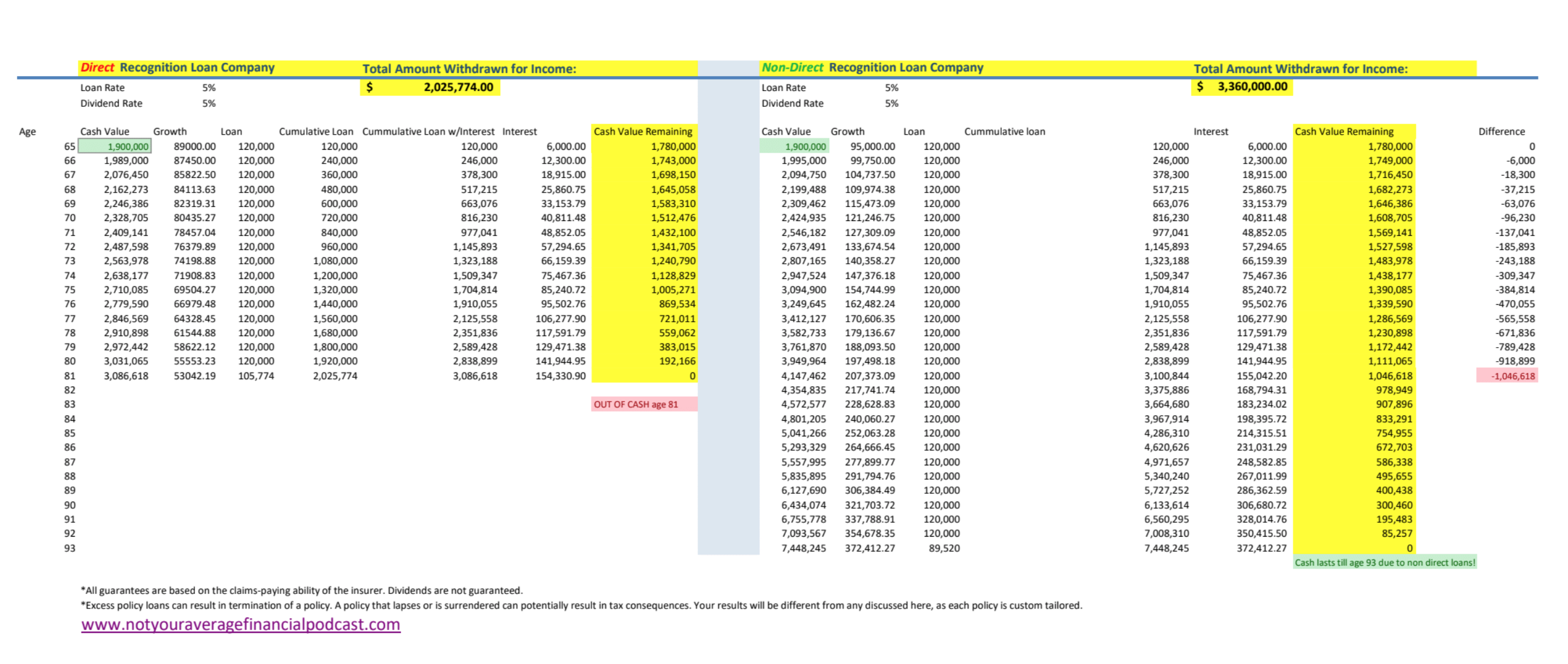
    • 4. How do loans work on this? Are the loans direct or non direct recognition loans?
    • 5. What are the interest rates on the loan?
    • 6. What is the current crediting rate? How often are you given that credit?
    • 7. What happens to the guarantees if the premium is late, missed or changed?
    • 8. What about the cost of insurance, can it go up in the future? What is the current rate of that cost?
    • 9. May I have an in-force illustration of what my cash value performance would look like with the actual performance average (i.e. an optimistic 3.6%)?
    • 10. Is there a no-lapse guarantee? Is there any sort of guarantee that my policy won’t lapse if I take income out at retirement?
    • Can the customer service people answer these questions?
    • What steps will you have to take to keep the policy from lapsing?
    • Who is Debbie Wilder?
    • What did Debbie find out about Indexed Universal Life?
    • What happened when Debbie and her client called the Insurance company?
    • What is a Guarantee Rider (to age 121)?
    • What is the difference between the Guaranteed and Non-Guaranteed side of the illustration?
    • What are the charges?
    • What are the guaranteed downsides?
    • What dirty details did Debbie discover?
    • How are Universal Life policies like a bell curve?
    • What did Debbie’s client decide to do?
    • How does Whole Life insurance stack up to Indexed Universal Life?
    • Can you compare the two on equal footing?
    • How much might Debbie be saving her client over her lifetime?
    • Are there options for transitioning away from IUL?
      • What is a 1035 exchange?
      • What is a withdrawal?
      • What is a loan?
    • How do you know what’s right in your situation?
    • Need a second set of eyes? Book A Meeting with Us
    Debbie Wilder is a Bank on Yourself Authorized Advisor; prior to this she was a Systems Analyst for 20 years.  Financially, she and her husband did everything they were told to do – 401(k)s, IRAs, 529’s for their kids, paid their mortgage down faster, and so on.  And where did it get them?  On the stock market rollercoaster, losing 40% of their assets in 1999, and even more in the early 2000’s.  In 2005, Debbie learned about the Bank on Yourself method using specialized whole life insurance, and she never looked back.  It stopped the slide of their retirement assets, it created predictability for their future, her husband stopped watching the daily tickertape, and most importantly, it saved their marriage.  After opening 13 whole life insurance policies, she decided to help spread the word and become an Authorized Advisor.  She always wondered why this was not taught in high school or college, so she’s passionate about educating others about it.
    Debbie lives in West Hartford, CT with her husband Drew, two children (Bonnie and Sam), and dog (Snowflake). When Debbie is not working, you may find her taxiing her children around, coaching basketball, working out at the gym, or reading the newspaper.In order to provide her clients the level they expect and deserve, Debbie accepts only a small number of new clients each month who are committed to achieving lifetime financial security. 
    https://media.blubrry.com/nyafinancialpodcast/content.blubrry.com/nyafinancialpodcast/NYAFP_Episode_61.mp3

    Episode 60: The Top 10 Reasons NOT to Own Universal Life

    October 26, 2018 by Not Your Average Financial Podcast

    https://media.blubrry.com/nyafinancialpodcast/content.blubrry.com/nyafinancialpodcast/NYAFP_Episode_60.mp3

    Podcast: Play in new window | Download

    Subscribe: Apple Podcasts | RSS

    In this episode, we ask:

    • Should you keep or buy a Universal Life (UL) insurance policy?
    • What are Universal Life (UL) insurance policies?
    • What are the variations of Universal Life (UL)?
    • Are Universal Life (UL) illustrated values over optimistic and misleading?
    • What are the guarantees on the guaranteed illustration on the UL?
    • How long is the track record for UL policies?
    • How likely do you think it is that the market indices will increase by the exact same percentage ever single year?
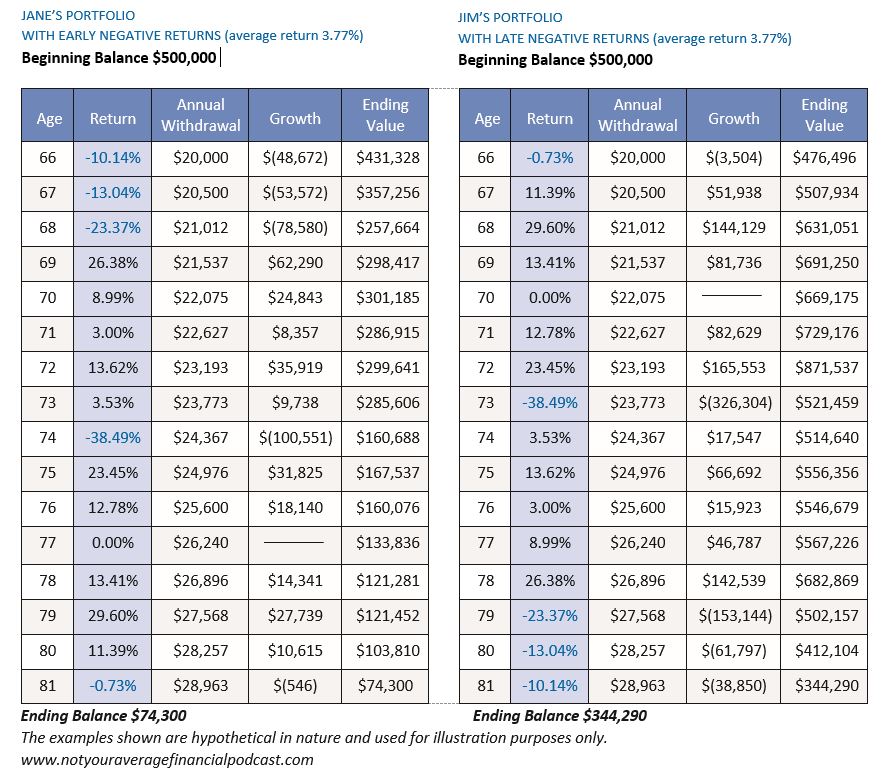
    • What’s the difference between the average rate of return and a cumulative rate of return — and why does it matter?
    • What are the costs and charges on a Universal Life (UL) policy?
    • Why do some UL surrender charges last 10 or 15 years?
    • How are Bank on Yourself type policies different from UL policies?
    • Can you anticipate what your cash value is going to be with a UL?
    • What is the most rigid and punishing of all of the life insurance products available?
    • What is a mortality table?
    • What is Annual Renewable Term (ART) insurance?
    • Do carriers reserve the right to increase mortality costs and expenses over time on a UL?
    • What are the guarantees on a Universal Life product?
    • Are you going to pay for the term insurance increases?
    • How do late payments affect the guarantees in a UL policy?
    • How are dividends applied to Indexed Universal Life (IUL) policies?
    • What is the real return (CAGR) without dividends applied?
    • Is an UL illustration fictional?
    • What is a no lapse guarantee?
    • What happens with an IUL policy if you reduce or miss premium payments?
    • Can you reduce pay up an IUL policy?
    • Will your income be increasing as you age?
    • Do loans have risk with UL policies?
    • Why are there so many class action lawsuits against the carriers offering UL policies?
    • How is the customer service on IUL policies?
    • Why don’t we choose to write UL policies?
    • What happens when the industry moves on from the UL and you haven’t?
    • How are Whole Life policies different from Universal Life policies?
    • With Universal Life and all of its variants, who burdens the risk?
    • Why would anyone consider buying a Universal Life insurance policy?
    • Why bundle risk and insurance together?
    • What are the additional risks?


    https://media.blubrry.com/nyafinancialpodcast/content.blubrry.com/nyafinancialpodcast/NYAFP_Episode_60.mp3

    Episode 59: You think your Whole Life is great? Mine’s Universal!

    October 19, 2018 by Not Your Average Financial Podcast

    https://media.blubrry.com/nyafinancialpodcast/content.blubrry.com/nyafinancialpodcast/NYAFP_Episode_59.mp3

    Podcast: Play in new window | Download

    Subscribe: Apple Podcasts | RSS

    In this episode, we ask:

    • Are you ready for a new way of thinking about your life and your money?
    • What if there was a relatively new life insurance product that lets you share in a portion of the gains in the market and protects you from the market when it tanks?
    • What is Indexed Universal Life insurance?
    • What is permanent life insurance?
    • What’s the difference between permanent life insurance and term insurance?
    • What is the sampling of permanent life insurance?
    • What are their abbreviations?
    • What is Whole Life?
    • What is Universal Life or UL?
    • What are the benefits of UL?
    • How is the Universal Life product built?
    • Why did the companies create Universal Life?
    • What are the subtypes of UL?
      • What is Variable Universal Life (VUL)?
      • How is it like a mutual fund?
      • What is a sub account or separate account?
      • What’s the difference between a Whole Life Insurance policy and a Universal Life policy?
      • What is the general fund of the life insurance company?
      • How is the general fund allocated?
      • What about IUL? Indexed Universal Life?
      • What indexes do IULs use?
      • How is an IUL different from a VUL?
    • How did we end up with these various products?
    • What is the history of these products?
    • When did UL pop up?
    • What happened to the pensions?
    • How did the 401(k) affect employees?
    • What is the idea behind life insurance?
    • Who were the key players who brought this into fruition?
    • Who is E.F. Hutton?
    • What were the illustrations like on Universal Life policies in the early 80s?
    • What happens with term insurance products?
    • What is Annual Renewable Term (ART) insurance?
    • What happens to the term component in an IUL policy?
    • How was UL marketed?
    • What did Ralph Nader suggest?
    • What concerns has NY state expressed regarding selling UL policies?
    • What does DALBAR say the average equity investor is doing?
    • Why would someone want an IUL?
    • What are the upsides?
    • Is an IUL a good fit for cash accumulation?
    • Can you use IUL for Bank on Yourself?
    • Is a UL policy a good fit for you?
    • Why should you be much more cautious with a UL?
    • What are your goals?
    • Should a higher rate of return on cash value be a driver in the decision?

    https://media.blubrry.com/nyafinancialpodcast/content.blubrry.com/nyafinancialpodcast/NYAFP_Episode_59.mp3

    Episode 58: How to Be An Amazon Legend and Bank on Yourself

    October 12, 2018 by Not Your Average Financial Podcast

    https://media.blubrry.com/nyafinancialpodcast/content.blubrry.com/nyafinancialpodcast/NYAFP_Episode_58.mp3

    Podcast: Play in new window | Download

    Subscribe: Apple Podcasts | RSS

    In this episode, we ask:

    • What are people saying?
    • How can being your own source of financing make you more competitive?
    • Who is Danny Stock?
    • What is Danny’s story?
    • What challenges did Danny overcome?
    • What happened when Danny met Mark?
    • Who is going to control the banking function?
    • What is the Bank on Yourself concept and how does it help you?
    • Can you imagine your life and your business if you have a contingency pool of capital?
    • What characteristics would this contingency pool of capital need?
    • What could you use your contingency pool of capital for?
    • How does this create flexibility?
    • Do you need to be an ultra-high net worth individual?
    • How can you build a permanent line of credit for your business?
    • How can you use this for inventory?
    • How to get velocity with your cash?
    • How do life insurance policies work? Hear Episode 32
    • Where is the best place to keep your money?
    • When will your income stop?
    • How can you pay off debts?
    • Should you pay off your debts before doing a Bank on Yourself type policy?
    • How does Danny use Bank on Yourself for his business?
    • How does this strategy affect Danny’s family?
    • Who can help you navigate your specific circumstances?

    Danny Stock launched his thriving Amazon business 3 years ago during the Q4 sessions. He has a knack for finding profitable and replenish-able products using retail and online arbitrage. Being a veteran, he served in the Army and now brings his heart of service to e-commerce by being a mentor to many other successful online sellers. See Danny’s website at https://www.amzlegends.com.

    https://media.blubrry.com/nyafinancialpodcast/content.blubrry.com/nyafinancialpodcast/NYAFP_Episode_58.mp3

    Episode 57: Business Owners! You Are Already In the Banking Business

    October 5, 2018 by Not Your Average Financial Podcast

    https://media.blubrry.com/nyafinancialpodcast/content.blubrry.com/nyafinancialpodcast/NYAFP_Episode_57.mp3

    Podcast: Play in new window | Download

    Subscribe: Apple Podcasts | RSS

    In this episode, we ask:

    • What are people saying?
    • What are the realities of the modern day business owner?
    • How do entrepreneurs affect our economy?
    • Who drives the innovations and the revolutions that we take for granted?
    • What does Mark love about business owners?
    • What’s the difference between a thermometer and a thermostat?
    • What’s the book by Paul Poirot, The Pension Idea?
    • Based on this book, where is the source of security to be found?
    • What has happened to personal freedom?
    • In 1940, how much did Americans save?
    • In 2018, how much do Americans save?
    • What about debt?
    • What if time is money?
    • What if 1/3 of your day is going to servicing debt?
    • What if 20-30% is going to taxes?
    • Does this mean you have to save less?
    • Does this mean you need to invest at higher rates?
    • Where does true security lie?
    • Why do we revere the self made billionaires?
    • Why do people go into working for themselves and starting their own businesses?
    • What do you do with the last 1/3 of your day?
    • Are you really working for yourself?
    • Are you working the bank?
    • Are most business owners risky or conservative with their portfolios?
    • What about banks and high interest debt?
    • How do business owners use debt?
    • What about student loan debt?
    • What is the solution?
    • Why is banking the most profitable business in the history of mankind?
    • What does the bank do with your money?
    • What is fractional reserve banking?
    • How is it possible that the banks make so much and small business owners are failing?
    • What about the rate of return?
    • What’s an infinite rate of return?
    • Who’s profiting? Who’s taking on the risk to grow your business?
    • Does the bank care if you have a bad month selling inventory?
    • Does the bank care if you have a family emergency or a health crisis?
    • Has much changed since King Solomon said “the borrower is slave to the lender”?
    • How is this like Neo in the Matrix?
    • Are you loaded up with debt?
    • Are you paying cash for everything?
    • Are you financing everything you buy?
    • What is opportunity cost?
    • How do we unplug ourselves from the banking system? …Is it even possible?
    • How can you use the banking strategy to your advantage?
    • What if you could set your own terms?
    • What if you could avoid the pain of bank financing?

    https://media.blubrry.com/nyafinancialpodcast/content.blubrry.com/nyafinancialpodcast/NYAFP_Episode_57.mp3

    Episode 56: The Truth Behind the Federal Reserve with Teresa Kuhn

    September 28, 2018 by Not Your Average Financial Podcast

    https://media.blubrry.com/nyafinancialpodcast/content.blubrry.com/nyafinancialpodcast/NYAFP_Episode_56.mp3

    Podcast: Play in new window | Download

    Subscribe: Apple Podcasts | RSS

    In this episode we ask:

    • Who is Teresa Kuhn?
    • Where did her journey begin?
    • What did Teresa find on her search for the truth?
    • What book did Teresa find that changed her mindset?
    • What did Teresa’s Dad say after reading four of her book suggestions?
    • What did Teresa learn as she read about the Federal Reserve?
    • Are you curious about the Federal Reserve not being Federal and not having any reserves?
    • What does Teresa think about the Bank on Yourself concept?
    • What does Teresa recommend?
    • How are beliefs like a spider web?
    • What happens when your belief system gets demolished?
    • How does Teresa work with people on a transformative journey?
    • Who is attracted to Bank on Yourself? Who is repelled by Bank on Yourself?
    • What are some good strategies for learning more?
    • How do different perspectives help you move forward?
    • What questions should you ask your current financial advisor?
      • Tell me about your personal journey with money?
      • What’s your personal journey with your career?
      • What books did you read?
      • What’s your personal philosophy with money?
    • What is Living Wealthy Radio?

    Teresa Kuhn, a respected financial educator, best-selling author, and strategist; is passionate about ensuring that her clients have the tools they need to survive a changing economy.

    Her diverse educational and life background, including experience as an attorney, financial advisor, and entrepreneur; makes Teresa uniquely qualified to assist individuals, families, and business owners in designing blueprints for financial and professional success. She has counseled thousands of individuals, families, and business owners across the nation, helping them how they can avoid exposing their wealth the eroding factors such a taxes, inflation, and Wall Street losses.

    In addition to sharing the truth about how money really works, Teresa is also an advocate of a healthy and balanced lifestyle. Her podcast, “Living Wealthy Radio” reflects her interest in a wide range of topics ranging from financial planning to entrepreneurship to getting and staying healthy.

    https://media.blubrry.com/nyafinancialpodcast/content.blubrry.com/nyafinancialpodcast/NYAFP_Episode_56.mp3

    Episode 55: Banks vs. Mutual Insurance Companies

    September 21, 2018 by Not Your Average Financial Podcast

    https://media.blubrry.com/nyafinancialpodcast/content.blubrry.com/nyafinancialpodcast/NYAFP_Episode_55.mp3

    Podcast: Play in new window | Download

    Subscribe: Apple Podcasts | RSS

    In this episode, we ask:

    • What are banks?
      • How do banks work?
      • What happens when you put your money with a bank?
      • Is a checking account safe?
      • What about interest bearing savings account?
      • If you put ten thousand dollars into the interest bearing savings account, how much do you get credited to your account?
      • What is the bank’s business?
      • Why do they lend money?
      • How far does modern banking go back?
      • What was Jekyll Island? Who was there?
      • What is the Federal Reserve?
      • How much do banks have to keep on reserve?
      • When did the FED update the requirements for the reserves?
      • Where is all of your money?
      • What happens when you deposit money into the bank?
      • Why do we call deposit accounts the “safe” place?
      • Is there another way?
    • What are mutually owned life insurance companies?
      • How long have these companies been in force?
      • What does Benjamin Franklin have to do with insurance?
      • How are these different from a bank?
      • Are life insurance companies allowed to inflate the money supply?
      • Are life insurance companies allowed to participate in fractional reserve banking?
      • What are the reserve requirements for an insurance company?
      • Which is safer? The institution who has 10% or less on reserve or the company that has to keep over 100% on reserve?
    • How many banks went bankrupt in 2008?
    • How many life insurance companies in 2008?
    • If banks are so safe, why did so many fail?
    • If there isn’t going to be a bailout next time, how many more banks are we going to see go down?
    • Have you ever looked into who owns banks?
    • Have you ever heard of BOLI (Bank Owned Life Insurance)?
    • How much life insurance do banks purchase, according to the FDIC?
    • How do banks benefit from BOLI?
    • Should you do with your money what banks are doing with theirs?
    • What is COLI? Corporate Owned Life Insurance
    • Is a mutual life insurance company policy SAFER than a bank?
    • What happens if a life insurance company fails?
    • How are life insurance companies regulated?
    • What are insurance companies invested in?
    • Are life insurance companies convenient?
    • Do we spend more or less as availability to money becomes more convenient?
    • How would a life-insurance driven debit card affect dividends?

    https://media.blubrry.com/nyafinancialpodcast/content.blubrry.com/nyafinancialpodcast/NYAFP_Episode_55.mp3

    Episode 54: Rules of Thumb for Taking Out a Bank On Yourself Policy Loan

    September 14, 2018 by Not Your Average Financial Podcast

    https://media.blubrry.com/nyafinancialpodcast/content.blubrry.com/nyafinancialpodcast/NYAFP_Episode_54.mp3

    Podcast: Play in new window | Download

    Subscribe: Apple Podcasts | RSS

    In this episode, we ask:

    • When are the appropriate scenarios for taking a policy loan?
    • Are you thinking like a banker?
    • Do you want your income to equal your premium?
    • What are the rules of thumb?
      • When should you use a policy loan? Would it take you more than six months to save for that?
        • Why six months? Is that arbitrary?
      • When should you pay cash? Is paying cash better than taking a policy loan?
    • What about loan interest?
    • How does the dividend date come into play?
    • Is there any room left in your policy?
    • Do you have the cash?
    • How quickly do you plan to pay the loan off? …More than six months?
    • What does the room in the policy look like? …What is the best and highest use of that cash?
    • Where will your money work hardest for you?
    • Why put money into a policy first and then take a policy loan?
    • How long does that process take?
    • What is “saving on the other side of the purchase” ?
    • How is this different from going into debt?
    • When is it a good time to break the rules above?
    • What are some things you should take loans out for?
      • A phone?
      • A laptop?
      • A health insurance deductible?
      • A down payment on a home?
      • Home remodeling?
      • Car repairs?
      • Large emergency costs?
      • Payroll?
      • Inventory?
      • What is the threshold?
    • Are these hard and fast rules?
    • What’s the minimum you can repay on the policy loan monthly?
    • There are no fees?
    • It takes about a week to get policy loan funds?
    • You can loan up to roughly 85%-90% of your cash value?
    • Is your money sitting still or in motion?
    • Do you budget your cash value?
    • Are you double counting dollars?
    • When should you not take out a loan?
    • Have you seen It’s A Wonderful Life?
    • Why do banks love your cash value as collateral for a bank loan?
    • Have you read the fine print?
    • Do you still have questions? Talk with us!
    https://media.blubrry.com/nyafinancialpodcast/content.blubrry.com/nyafinancialpodcast/NYAFP_Episode_54.mp3

    Episode 53: A New Perspective with Les Himel (Part 2)

    September 7, 2018 by Not Your Average Financial Podcast

    https://media.blubrry.com/nyafinancialpodcast/content.blubrry.com/nyafinancialpodcast/NYAFP_Episode_53.mp3

    Podcast: Play in new window | Download

    Subscribe: Apple Podcasts | RSS

    In this episode, we ask:

    • If compounding stumbles, do we gain or do we lose?
    • What troubles has Les Himel experienced with Wall Street?
    • What is macrodiversification?
    • What is microdiversification?
    • What about mutual funds?
    • What about bonds?
    • What about stocks?
    • How do we improve on a portfolio?
    • How do we turn our portfolio into a business model instead of Wall Street model?
    • What is 7702 of the tax code and why is it important?
    • How do you minimize volatility?
    • How does minimizing volatility benefit compounding?
    • What is the fabric of our society?
    • How is life insurance regulated?
    • What are the important specifics?
    • How does an insurer participate in the market?
    • What is the dividend pool? How is calculated?
    • What is the type of tax-free growth that Les has seen in the last 20-30 years?
    • What is the cumulative rate of return on the S&P? How does this affect results?
    • What should be the core of a portfolio?
    • How can you know what the reasonable outcome will be as you age?
    • What are you going to do to become wealthy? How can you make sure?
    • How does money affect sleep?
    • What are the three major ages in our life?
    • What are some typical pitfalls at each stage?
    • If we have a 401(k), what happens to our family if we die?
    • What are the takeaways?

    Lester N. Himel discovered the use of specific types of Life Insurance to enhance and expand the performance of investment portfolios several years ago; this after spending 28 years in a variety of positions on Wall Street. Like most financial professionals, he considered stocks, bonds and similar instruments as the core of a reasonable investment approach. In those last several years, Les has found the better way.

    Les comes to this field with a very broad financial background. He started as a compliance officer, worked in administration, was an institutional bond trader, developed an Emerging Markets business, and was also involved with “alternative investments”. Now, as one of only 200 Bank on Yourself authorized advisors, and with his ability to integrate far-reaching insights, he guides clients to financial success. Les prefers low risk and “guarantees”, and has an ability to simplify explanations of what, why and how. Les has achieved various FINRA registrations, and is a Chartered Financial Consultant (ChFC).
    Lester resides in Westchester County, New York with his family and stays very busy working with clients across the country.


    https://media.blubrry.com/nyafinancialpodcast/content.blubrry.com/nyafinancialpodcast/NYAFP_Episode_53.mp3

    Episode 52: A New Perspective with Les Himel (Part 1)

    August 31, 2018 by Not Your Average Financial Podcast

    https://media.blubrry.com/nyafinancialpodcast/content.blubrry.com/nyafinancialpodcast/NYAFP_Episode_52.mp3

    Podcast: Play in new window | Download

    Subscribe: Apple Podcasts | RSS

    In this episode, we ask:

      • What has Les Himel learned in his 28 years on Wall Street?
      • What are the myths of standard conventional wisdom?
      • What are the rules of thumb we should always be able to rely on?
      • Can you get 10% or more per year in the market?
      • How much lower will taxes go?
      • What was the highest marginal tax rate in recent history?
      • How does anyone pay over 90% in taxes?
      • What happens when you go up in scale on your income?
      • Will you be in a different tax bracket in the future?
      • Are you looking at your finances in a 1 or 2 year time frame or in a 30, 40, 50 year time frame?
      • What are the realities of the stock market?
      • What is a cumulative rate of return?
      • How much was the cumulative rate of return on the DOW from 1900-1980?
      • What about 1980-2000? Why does Les call this time the “roaring 20”?
      • What happened on Black Monday?
      • What was the average climb during the 1980-2000 period?
      • What’s the story with the 401(k) in the 80s?
      • What are arithmetic averages?
      • What is a return?
      • What is the difference between a return and a change?
      • When do you truly receive a return?
      • Does your investment advisor take fees and taxes into account when they present an update to you?
      • How does volatility affect your future?
      • What’s the difference between an average and real dollars?
      • How can you calculate the change of how much you’ve really made or lost?
      • If you take the Standard and Poor’s Index (the S&P) from December 31, 2000 until the changes of December 31, 2016, what happened with volatility, and what was the average rate of return?
      • How do investment advisors anticipate the future earnings?
      • Do stocks perform in a straight line?
      • How can the cumulative rate of return help make sense of actual performance?
      • How can you check your math?
      • How does the math of the rate of return vs. the cumulative rate of return affect you?
      • Are you willingly putting up with the volatility, the fees and taxes for a whopping 3.35% return?
      • How does this affect pension funds and 401(k)s?
      • What is the reality?
      • What’s the difference between what we think we know and what we actually see?
      • When you look at the math, what do you come up with?
      • Do you have time to make it up?
      • Is compounding flexible?
      • Why does volatility destroy compounding?
      • Do stocks and bonds narrow volatility?

    Lester N. Himel discovered the use of specific types of Life Insurance to enhance and expand the performance of investment portfolios several years ago; this after spending 28 years in a variety of positions on Wall Street. Like most financial professionals, he considered stocks, bonds and similar instruments as the core of a reasonable investment approach. In those last several years, Les has found the better way.

    Les comes to this field with a very broad financial background. He started as a compliance officer, worked in administration, was an institutional bond trader, developed an Emerging Markets business, and was also involved with “alternative investments”. Now, as one of only 200 Bank on Yourself authorized advisors, and with his ability to integrate far-reaching insights, he guides clients to financial success. Les prefers low risk and “guarantees”, and has an ability to simplify explanations of what, why and how. Les has achieved various FINRA registrations, and is a Chartered Financial Consultant (ChFC).
    Lester resides in Westchester County, New York with his family and stays very busy working with clients across the country.


    https://media.blubrry.com/nyafinancialpodcast/content.blubrry.com/nyafinancialpodcast/NYAFP_Episode_52.mp3
    Prev Page...
    ...Next Page

    Sign Up to Receive Weekly Email Notifications

    Not Your Average Financial Podcast
      Thank you for Signing Up
      Please correct the marked field(s) below
    1,true,6,Contact Email,2
    1,false,1,Last Name,2

    Copyright © 2026 · Maron Pro Theme on Genesis Framework · WordPress · Log in