Not Your Average Financial Podcast™

Think different about your money, your economy and your future. Be curious. Be stable. Be sane.

Episode 111: Should I Do a Bank On Yourself® type Whole Life Insurance Policy or a Roth IRA?

October 18, 2019 by Not Your Average Financial Podcast

https://media.blubrry.com/nyafinancialpodcast/content.blubrry.com/nyafinancialpodcast/NYAFP_Episode_111.mp3

Podcast: Play in new window | Download

Subscribe: Apple Podcasts | RSS

In this episode, we ask:

  • What has Amanda learned as a sample of one?
  • Who are Brandon and Amanda Neely?
  • What is Mark’s relationship with Brandon and Amanda?
  • If we did something different, what would the results be?
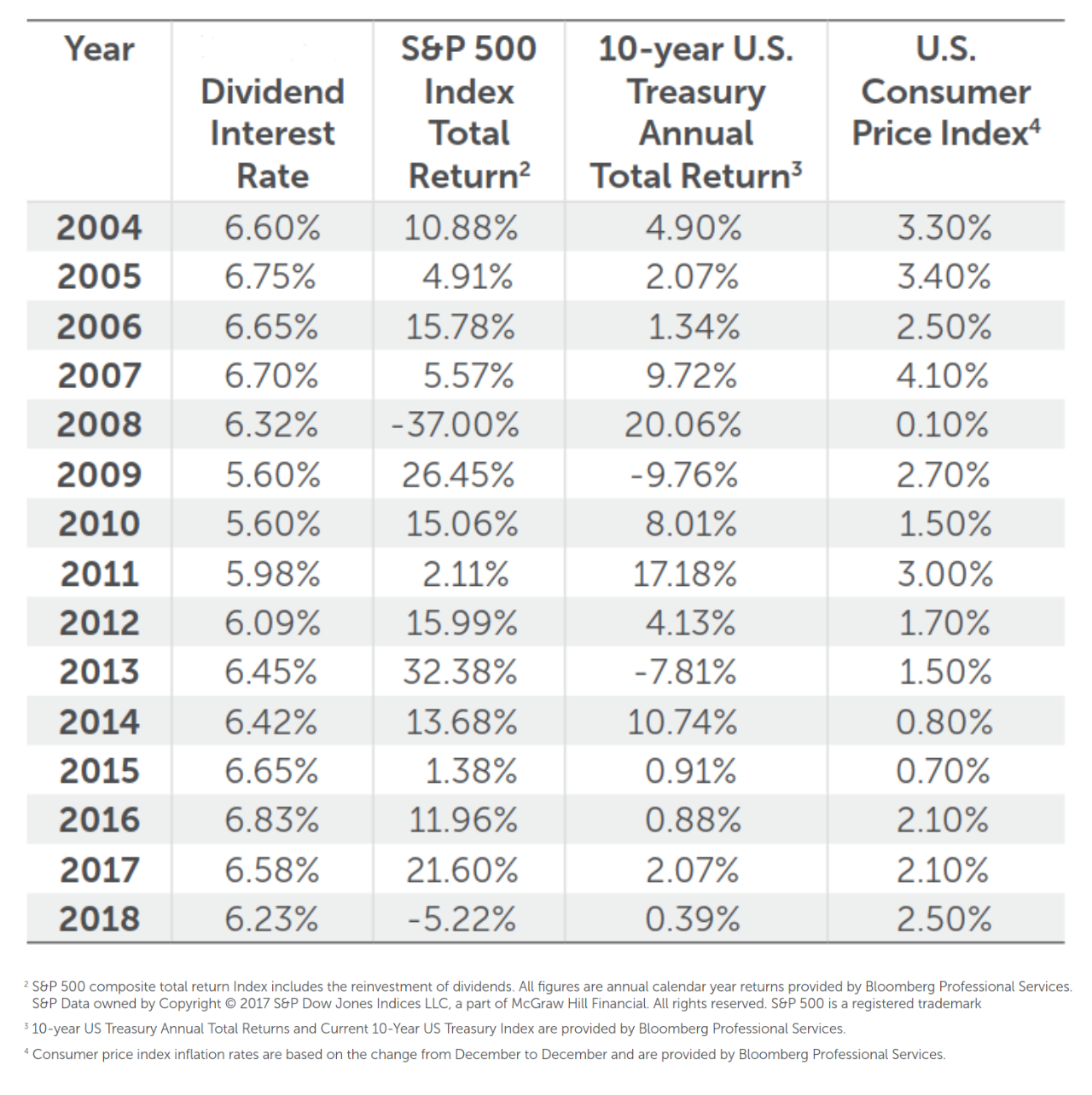
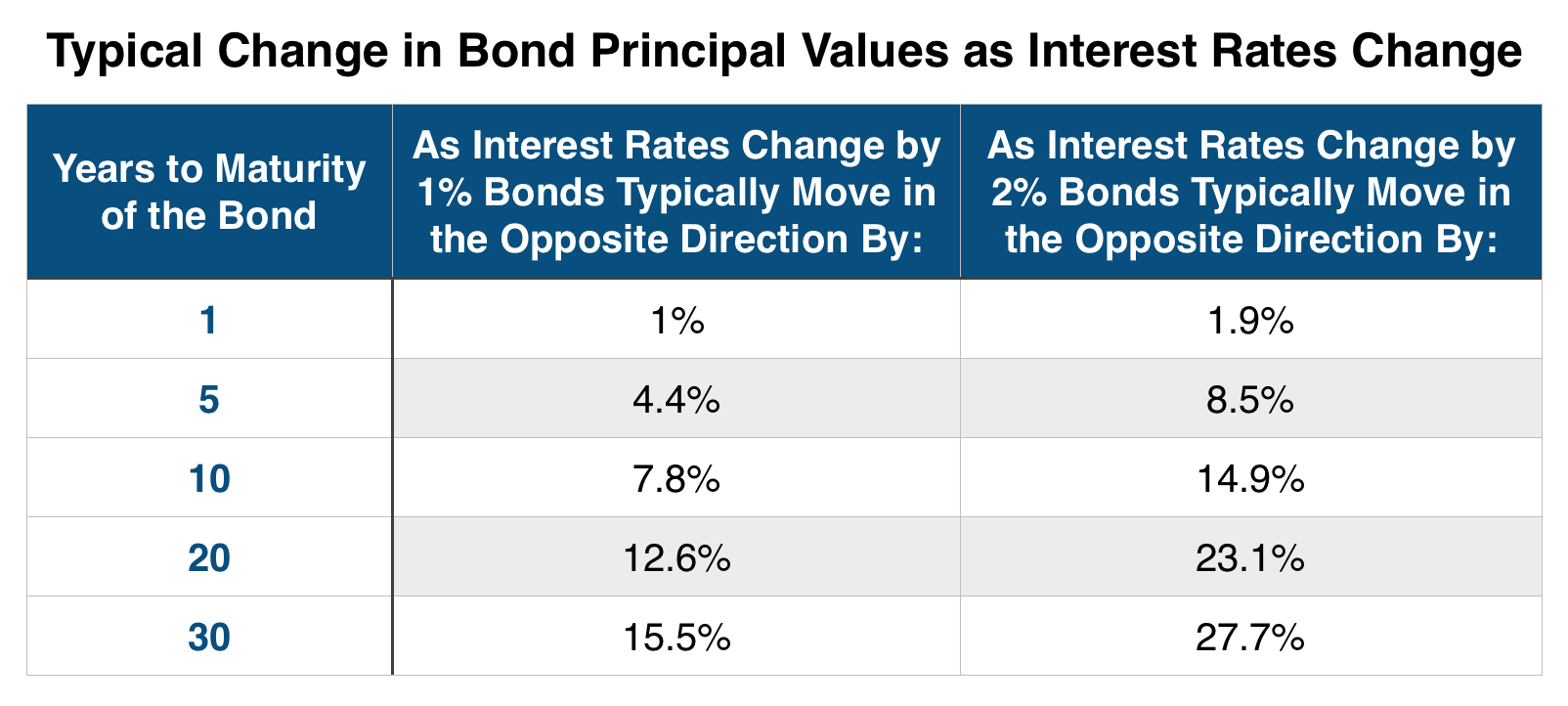
  • Would you like to follow along with the numbers? (See tables below)
  • Would you like to watch this in video?
  • What are Amanda’s numbers?
  • Are agent commissions too high?
  • What would the assets under management fee be?
  • What would the term insurance commission be?
  • What happened in 2008?
  • How much more would the investment advisor make?
  • Why is there a Wolf of Wall Street but no “wolf of insurance”?
  • What happens if you need or want your money prior to age 59.5?
  • What would your heirs receive when you pass?
  • What taxes would your heirs pay?
  • What are the tax considerations when you start using the money?
  • What happens if you get cancer or some other chronic or terminal illness?
  • What happens if you get sued?
  • What happens if you die too young?
  • What happens if you die too old?
  • What happens if the stock market goes down when you’re 36? How about when you’re 60?
  • Which side has guarantees?
  • Is the amount going in each year flexible?
  • What if you wanted to put in more? Or less?
  • What are the tax consequences now?
  • What are the tax considerations before you’re 59.5?
  • How many life insurance policies does the Neely family own?
  • How does the Neely family use their policies?
  • How can you use these specific policies to more effectively pay taxes?
  • Have you seen the webinar on Episode 84 The Past, Present and Future of Paying Your Taxes?
  • Have you heard Episode 87, How to Get Wealthy While Paying Your Taxes?
  • What income could this 35 yo female expect?
  • What is the life expectancy?
  • What is the difference between the term / Roth IRA and the Life Insurance policy?
  • How much does the fee on the Roth IRA become?
  • What about an older person’s strategy?
  • Have you heard Episode 91, Great Problems, Giant Piles of Cash?
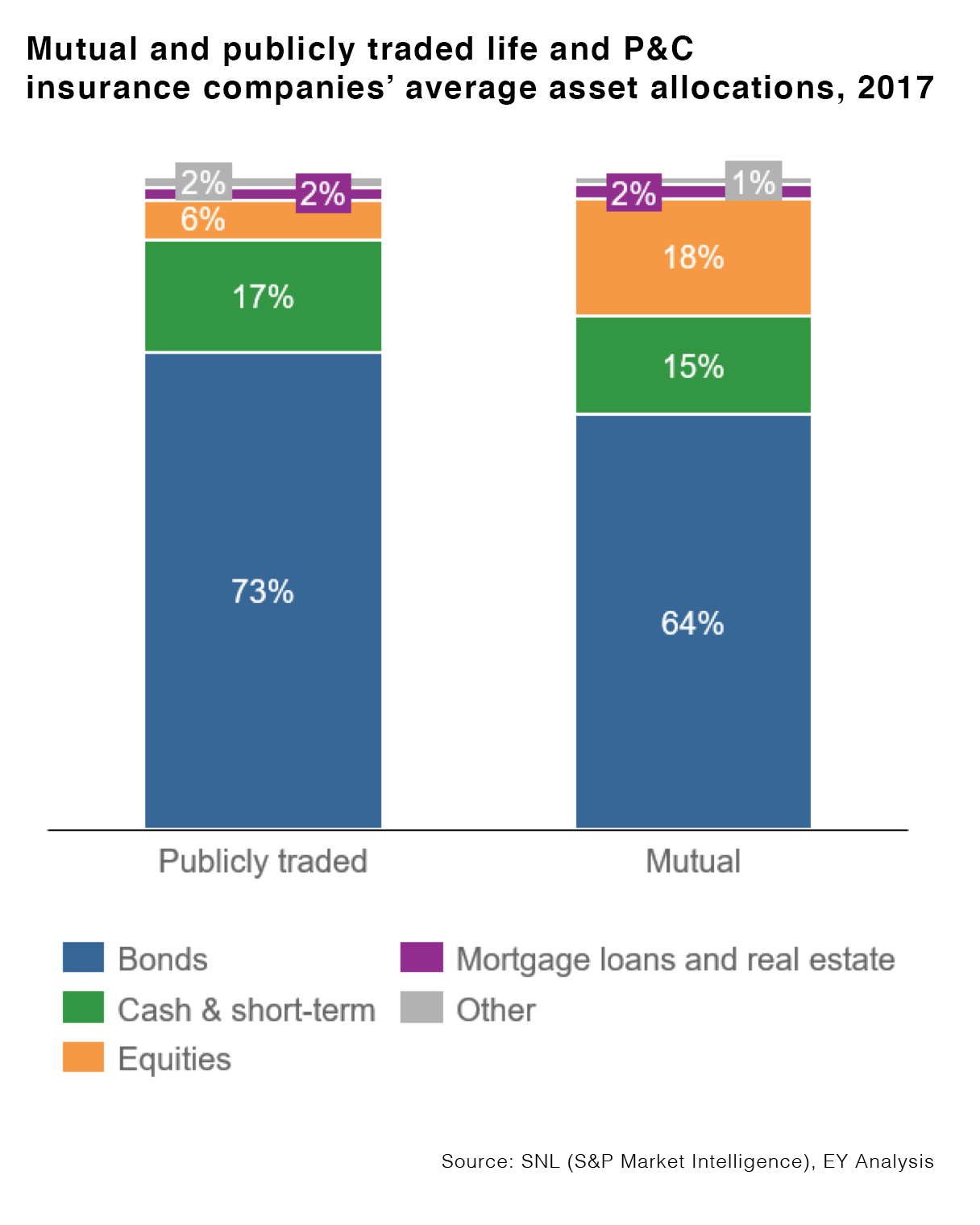
  • How are mutual life insurance companies dealing with the low interest rate environment?
  • How do policy loans at 5% interest affect the insurance company’s performance?
  • When is the increase always greater than cost?
  • Would you like Brandon or Amanda to run this comparison for you with your numbers
  • Schedule a Comparison conversation with Brandon or Amanda


https://media.blubrry.com/nyafinancialpodcast/content.blubrry.com/nyafinancialpodcast/NYAFP_Episode_111.mp3

Episode 110: [Mythbusters] Wait! Did I Just Pay For This Twice?

October 11, 2019 by Not Your Average Financial Podcast

https://media.blubrry.com/nyafinancialpodcast/content.blubrry.com/nyafinancialpodcast/NYAFP_Episode_110.mp3

Podcast: Play in new window | Download

Subscribe: Apple Podcasts | RSS

In this episode, we ask:

  • Would you like to leave us a review?
  • Do you experience panic moments?
  • Have you ever felt panic around a policy loan?
  • Have you heard Episode 34?
  • How exactly does a policy work?
  • Would you like to discuss this with us?
  • What happens when you take the first loan out?
  • What about buying a new car with a policy loan?
  • Do you ever ask, “Did I just make a terrible mistake?”
  • Didn’t I pay for the car twice?
  • Is taking a policy loan better than paying cash?
  • Is the loan payment on top of premium?
  • Doesn’t it feel like you’re buying the car all over again?
  • Are you the banker and the borrower at the same time?
  • Why do bankers add capital to a bank?
  • Who comes in the front door of a bank?
  • Why do bankers love it when borrowers pay back loans?
  • Are banks looking for capital?
  • Are you setting up an actual bank?
  • How might you recapture the banking function?
  • What is a reasonable period of time?
  • What is the big idea?
  • What might you use as collateral?
  • What have you been saving for?
  • How does a Home Equity Line of Credit (HELOC) work?
  • How do people use HELOCs to finance education (or other life purchase)?
  • What are the problems with using a HELOC?
  • What are the benefits with a Bank on Yourself type policy?
  • What are the problems with 401(k) loans?
  • What are the benefits with a Bank on Yourself type policy?
  • What does this look like in an example with real numbers?
  • When you take a policy loan, where does it come from?
  • How does the policy continue to grow, even with policy loans?
  • What is a non-direct recognition loan feature?
  • Have you heard Episode 83?
  • Which companies offer non-direct recognition?
  • Does the insurance company charge you interest on a whole life insurance loan?
  • Are you able to skip a payment on a life insurance loan repayment?
  • Is the loan interest simple or compound interest?
  • Could the policy lapse if you take a very large policy loan?
  • How can you manage the policy in a healthy way?
  • What happens when you take money from a savings account?
  • Is there an opportunity cost with a policy loan?
  • When do you have to pay the policy loan off?
  • Do you interrupt the growth of your money when you borrow it?
  • Am I saving enough to have the money to make the purchase I want?
  • How will I make the purchase? Will I pay cash? Will I go into debt? Will I take a policy loan?
  • Have you heard Episode 54 yet?
  • Have you heard Episode 71 yet?
  • Isn’t this twice as nice?


https://media.blubrry.com/nyafinancialpodcast/content.blubrry.com/nyafinancialpodcast/NYAFP_Episode_110.mp3

Episode 109: How to Become Your Business’ Line of Credit (and Beat your Competition) with Scott Plamondon

October 4, 2019 by Not Your Average Financial Podcast

https://media.blubrry.com/nyafinancialpodcast/content.blubrry.com/nyafinancialpodcast/NYAFP_Episode_109.mp3

Podcast: Play in new window | Download

Subscribe: Apple Podcasts | RSS

In this episode, we ask:

  • Has your crystal ball come in the mail yet?
  • Do you have a line of credit?
  • Do you have a business collateralized loan?
  • Who is Scott Plamondon?
  • Have you heard the Grandma’s Wealth Wisdom podcast with Brandon and Amanda Neely?
  • When did Scott join the Air Force?
  • When did Scott start as an accountant?
  • When did Scott move to California?
  • Are most business loans rejected?
  • Why do so many businesses fail?
  • How did Scott start working with business owners?
  • What is the client’s story with the line of credit?
  • What’s Brandon and Amanda’s story?
  • How does this client use a Bank on Yourself type whole life insurance policy to create a line of credit for the business?
  • How did Brandon and Amanda use their Bank on Yourself type policy to deal with a flood at their business?
  • How did Brandon and Amanda use their Bank on Yourself type policy to sell their business?
  • What did Scott’s client want?
  • What was the result?
  • How are policy loans more graceful than bank lines of credit?
  • What about when business isn’t great?
  • What about when business is thriving?
  • How does this strategy affect retirement?
  • Who will be the most resilient when the economy turns?
  • How could this client interact with his competitors?
  • Can this client take a break from repaying the loan if his business hits a rough patch?
  • How much control do you have?
  • What is the spiraling cycle?
  • What is a daily interest loan?
  • What about paying excess interest?
  • Why do business owners love to reinvest in their own business?
  • Did Scott get any pushback from other CPAs or accountants?
  • What opportunities have Scott’s clients been able to take up?
  • What’s bigger than a rate of return?
  • What other things should be factored in?
  • How might you take advantage of opportunities?
  • What opportunities emerge from downturns?
  • Are you already in the banking business?
  • Which side of the banker’s table are you sitting on?
  • Who is Nelson Nash? Have you heard Episode 95 and Episode 96?
  • What is the average age of an entrepreneur?
  • What if you never had to depend on banks?
  • What if you do decide you want to start your own business in the future?
  • How can you work with Scott Plamondon?
  • Do you know someone who has been burned by the banks?
  • What percentage of businesses have their loan requests rejected?
  • How many receive a loan?
  • What can the bank do?
  • What happens when a bank calls the loan?
  • Is it about the internal rate of return?
  • Does opportunity seek out those who have liquidity?

For over 28 years Scott Plamondon has been successfully helping people plan for retirement. He uses his accounting and investment background combined with a deep understanding of his client’s financial needs, to offer the best possible strategies.

Scott earned a Bachelor of Science degree in Business Administration from New Hampshire College. He is a Chartered Life Underwriter (CLU) and he has a Personal Financial Planning Certificate (PFP) from the University of California, Irvine. He is fully licensed in life and disability insurance, and annuities.

Scott served in the US Air Force from 1984 to 1987. He is married with two daughters and resides in Mission Viejo, California where he is an active member of the community.


https://media.blubrry.com/nyafinancialpodcast/content.blubrry.com/nyafinancialpodcast/NYAFP_Episode_109.mp3

Episode 108: [Toolbox] How the Sunk Cost Fallacy Messes with You

September 27, 2019 by Not Your Average Financial Podcast

https://media.blubrry.com/nyafinancialpodcast/content.blubrry.com/nyafinancialpodcast/NYAFP_Episode_108.mp3

Podcast: Play in new window | Download

Subscribe: Apple Podcasts | RSS

In this episode, we ask:

  • What is the sunk cost fallacy?
  • What is loss aversion?
  • What is the status quo?
  • Are you knee-deep in something?
  • What did Christopher Olivola say?
  • Do you ever sit through a movie you don’t like?
  • Do you ever finish a low quality book?
  • What did the Journal of Behavioral decision making say?
  • Have you ever risked your life to attend an event?
  • Have you done this in relationships?
  • Can you get your lost money back, by throwing more money at it?
  • Do you throw good money after bad?
  • Do you double down on loser stock?
  • How do you move on?
  • How does this work in investment portfolios?
  • Is it better to cut your losses or stick it out?
  • How long do you have to wait for recovery after a market drop?
  • Do 50% market drops ever happen?
  • How long are you willing to wait?
  • What about 10% drops in the market?
  • How long before you break even?
  • How do averages mess with your portfolio?
  • Have you had someone say “don’t look at your 401(k)”?
  • Where are you falling for the sunk cost fallacy?
  • Will taxes go up in the future?
  • Are you contributing to tax-postponed retirement accounts?
  • What would be a better environment for retirement savings?
  • What about surrender charges?
  • What about indexed universal life products?
  • Are you paying more costs?
  • Do you want to continue to pay the fees?
  • Are you working with a professional?
  • Are you working with a specialist?
  • Do you have a gut feeling that something is off with your current structure?
  • Can you see the expenses on a whole life policy before you sign up?
  • Have you heard Episode 36?
  • Are you sticking with the plan even though it no longer serves you?
  • What is the real problem?
  • What is the cost of inaction?
  • Have you heard Episode 99?
  • Can you see the logical fallacy?
  • Have you written a pro and con list?
  • Should you take action?
  • Have you gone through the fear setting exercise in Episode 99?
  • Do you set goals in advance?
  • What are SMARTER goals?
  • What costs are you willing and not willing to endure?
  • As a thought exercise, have you dropped in to your current life, as an outsider?
  • Can you avoid more loss?
  • Are your decisions rational?
  • Are your decisions emotional?
  • Where is the sunk cost fallacy showing up for you?

https://media.blubrry.com/nyafinancialpodcast/content.blubrry.com/nyafinancialpodcast/NYAFP_Episode_108.mp3

Episode 107: Adventures in Financial Planning with Tim Austin, Part 2

September 20, 2019 by Not Your Average Financial Podcast

https://media.blubrry.com/nyafinancialpodcast/content.blubrry.com/nyafinancialpodcast/NYAFP_Episode_107.mp3

Podcast: Play in new window | Download

Subscribe: Apple Podcasts | RSS

In this episode, we ask:

  • What are the four categories?
  • Have you taken an inventory of your life?
  • What are the potential places to improve?
  • Are you taking advantage of all opportunities in tax savings?
  • What can you do to control your cash flow on a monthly basis toward how you’re paying off debt?
  • Can you consolidate debt?
  • How can you shift that to savings?
  • What can we do to create financial independence in our lifestyle?
  • Are you inappropriately putting too much money in risk assets that aren’t really serving you well?
  • What are the steps?
  • How might you take inventory of your current allocations?
  • How might you accept where you are?
  • How might you take small baby steps?
  • What does one percent daily improvement do over the course of a year?
  • Does saving in a whole life insurance products mean sacrificing returns?
  • What does the word risk mean?
  • What do markets do?
  • Are we in a boom right now?
  • When was the last bust?
  • Do you invest when the market is low?
  • What happened in 2005?
  • Why do we buy high?
  • How has Tim’s net worth reached a new high every single day?
  • What did Tim do with his brother?
  • What is a buy-sell policy?
  • What did Tim do in 2019?
  • What advantages does Tim have?
  • When did speculation start to take hold in our culture?
  • What were the rich people doing in the 60s?
  • Do you have a realistic expectation of the 401(k)?
  • Will the market do the 12% every year?
  • Is your home your best asset?
  • Is your home paid off?
  • Do we need to live in bigger homes?
  • Should we buy lattes four times a week?
  • Why does Tim pay a trainer four times a week?
  • Who can help you?


Tim Austin is President and Founder of SET for Advisors, a leading training organization for financial advisors who want to help their clients grow wealth predictably and without taking unnecessary risk.

He is also the co-founder and director of the Bank On Yourself authorized advisor whole life insurance concept along with best-selling author Pamela Yellen who wrote the book Bank On Yourself: The Life-Changing Secret to Growing and Protecting Your Financial Future.

Bank On Yourself is a major best seller, hitting #1 on the USA Today and Amazon best-seller lists, and is also a New York Times, Wall Street Journal and Publishers Weekly #1 best seller.Tim makes his home in Clarkston, Michigan with his wife and three children.  Tim likes to test the limits of his physical ability and mental toughness participating in Half Iron Man Triathlons and marathons.

https://media.blubrry.com/nyafinancialpodcast/content.blubrry.com/nyafinancialpodcast/NYAFP_Episode_107.mp3

Episode 106: Adventures in Financial Planning with Tim Austin, Part 1

September 13, 2019 by Not Your Average Financial Podcast

https://media.blubrry.com/nyafinancialpodcast/content.blubrry.com/nyafinancialpodcast/NYAFP_Episode_106.mp3

Podcast: Play in new window | Download

Subscribe: Apple Podcasts | RSS

In this episode, we ask:

  • Who is Tim Austin?
  • When did Tim start learning about money?
  • When did Tim become a financial advisor?
  • What did Tim learn from his dad?
  • What did Tim learn from his grandmother?
  • What did Tim have to tell his grandmother?
  • What is the 10/10/10 rule?
  • What are orphan clients?
  • What did the orphan clients teach Tim about life insurance?
  • How did the orphan clients save money?
  • What are your liquid assets?
  • Are you living within your means?
  • What is financial independence?
  • How much are Americans saving today?
  • What is the difference between an asset and a liability?
  • What if someone can’t save 30% of their income?
  • What is the average debt ratio today?
  • What kind of debt?
  • What about an inventory?
  • Can you accept where you’re at?
  • Can you start making small, incremental improvements?
  • Where are all of the dollars going?
  • How many dollars are going to taxes?
  • How many dollars are going to debt?
  • Are you sacrificing your rate of return?
  • What will Tim share in next week’s Part 2 episode?
  • What are Mark and Holly’s takeaways?


Tim Austin is President and Founder of SET for Advisors, a leading training organization for financial advisors who want to help their clients grow wealth predictably and without taking unnecessary risk.

He is also the co-founder and director of the Bank On Yourself authorized advisor whole life insurance concept along with best-selling author Pamela Yellen who wrote the book Bank On Yourself: The Life-Changing Secret to Growing and Protecting Your Financial Future.

Bank On Yourself is a major best seller, hitting #1 on the USA Today and Amazon best-seller lists, and is also a New York Times, Wall Street Journal and Publishers Weekly #1 best seller.Tim makes his home in Clarkston, Michigan with his wife and three children.  Tim likes to test the limits of his physical ability and mental toughness participating in Half Iron Man Triathlons and marathons.

https://media.blubrry.com/nyafinancialpodcast/content.blubrry.com/nyafinancialpodcast/NYAFP_Episode_106.mp3

Episode 105: Your Family Is Your Greatest Asset, Part 2

September 6, 2019 by Not Your Average Financial Podcast

https://media.blubrry.com/nyafinancialpodcast/content.blubrry.com/nyafinancialpodcast/NYAFP_Episode_105.mp3

Podcast: Play in new window | Download

Subscribe: Apple Podcasts | RSS

In this episode, we ask:

  • Would you like to join us LIVE on Saturday, September 7, 2019 at 1PM-2PM Central Time? Register Now!
  • Do most Americans have savings?
  • Have you heard Episode 84?
  • What is the government going to do with the national debt?
  • What mostly interests most financial planners?
  • Where can you put money?
  • Do yo have to be stuck with fees?
  • What do you think about bank fees?
  • What about taxable accounts?
  • What products are designed to extract wealth from your pocket?
  • What is the common advice to most financial problems?
  • What did Einstein say?
  • What is the solution?
  • How can you change the approach?
  • How does one build a financial plan leading to poverty?
  • Are you passing on the same financial mindset to your kids?
  • Have you seen the video of the jar of fleas?
  • What’s a new mindset?
  • Where is the success in a certain financial product?
  • Do you need to invest in stocks, bonds and mutual funds?
  • Are you smart enough to manage your own financial future?
  • What are the four most dangerous word in your financial life?
  • Are you part of a loving family?
  • Are your parents still alive?
  • What if we worked together, with our families?
  • What if we worked with our aging parents?
  • What if siblings worked together?
  • What about paying for long term care insurance?
  • Does the 401(k) offer long term care insurance?
  • Do you have financial guarantees in place?
  • What is the family asset concept?
  • Would you like a book? Email us at hello@nyafinancialpodcast.com, ask for the book, and we will send you a copy.
  • What’s an example?
  • Are there investment fees on a whole life insurance policy?
  • Does market volatility affect a 401(k)?
  • What is life insurance designed for?
  • How much will a healthy couple need in retirement and for long term care?
  • What can the owner do with the cash value in a policy?
  • What restrictions are there?
  • What ways can you leverage your unique situation?
  • Would you like to see your own numbers? Book A Meeting
  • Example chart:


Join us LIVE on Saturday, September 7, 2019 at 1PM-2PM CT

Register Now!

https://media.blubrry.com/nyafinancialpodcast/content.blubrry.com/nyafinancialpodcast/NYAFP_Episode_105.mp3

Episode 104: The Family is Your Greatest Asset, Part 1

August 30, 2019 by Not Your Average Financial Podcast

https://media.blubrry.com/nyafinancialpodcast/content.blubrry.com/nyafinancialpodcast/NYAFP_Episode_104.mp3

Podcast: Play in new window | Download

Subscribe: Apple Podcasts | RSS

In this episode, we ask:

  • Would you like to join us LIVE on Saturday, September 7, 2019 at 1PM-2PM Central Time? Register Now!
  • Is it best to Buy Term and Invest the Rest?
  • Would you like to fill out our feedback survey?
  • What is the greatest asset in your portfolio?
  • How has your family structure changed over the years?
  • Did you inherent your family business?
  • Has the business of family mostly disappeared?
  • Do we have a connection with our past?
  • Will your family have a guaranteed legacy?
  • Do you plan with your family?
  • What do rich families do that others don’t do?
  • How do you invest in your family?
  • What are the rules for the family asset concept?
  • How can you use the least amount of money to create the greatest amount of wealth?
  • Can you guarantee that wealth will occur and that it will transfer to the family tax free?
  • Do you think like a rich person?
  • Do you think like a poor person?
  • Would you like to create wealth for your family if you didn’t have to spend one more dime than you are spending right now?
  • How might you realign your assets to create more control over your money?
  • What is true wealth?
  • What about control in business?
  • Do you know it’s a great investment?
  • What about control in stock?
  • What about control in family business?
  • What are the elements that affect legacies?
  • What happens when one follows the traditional recommended plans?
  • What about the 401(k)?
  • What about the IRA?
  • What about the I.R.S.?
  • Are you leaving the I.R.S. a tip?
  • What about leverage?
  • What might be a perfect solution for wealth creation?
  • What about the perspective of the elder parent?
  • What about the perspective of the adult children?
  • What is a family asset system?
  • How many dreams have you had that have actually come to fruition in your life?
  • Is it possible to leave more money than you could ever save?
  • What is Mark’s story as a son?
  • What did Mark’s mom do?
  • What are the guarantees?
  • Do you want to add to an inheritance for your kids without paying anything?
  • Are you stressed by the market?
  • Are you paying fees?
  • What would you bet on?
  • Would you like to discuss the family asset concept with your family?
  • Would you like to join us next episode for Part 2?

Join us LIVE on Saturday, September 7, 2019 at 1PM-2PM CT

Register Now!


https://media.blubrry.com/nyafinancialpodcast/content.blubrry.com/nyafinancialpodcast/NYAFP_Episode_104.mp3

Episode 103: The Family Prosperity Index with Scott Moody and Wendy Warhcolik

August 23, 2019 by Not Your Average Financial Podcast

https://media.blubrry.com/nyafinancialpodcast/content.blubrry.com/nyafinancialpodcast/NYAFP_Episode_103.mp3

Podcast: Play in new window | Download

Subscribe: Apple Podcasts | RSS

  • Would you like to join us on our live show on September 7, 2019 at 1PM Central Time? (See details below)
  • Would you like to take our 90-second survey?
  • Who is Wendy Warhcolik?
  • Who is Scott Moody?
  • How did Scott and Wendy meet?
  • What inspired the Family Prosperity Index?
  • What is your state’s tax burden?
  • What are the connections between one’s social choices and economic choices?
  • How has Wendy’s experience driven her to study economic outcomes?
  • How does Utah perform?
  • How do New Mexico and West Virgina perform?
  • How are the states different?
  • What are some of the metrics that go into The Family Prosperity Index?
  • What are the ways to bring value in our country?
  • What about gambling?
  • How many Americans are on welfare?
  • Can the government create wealth?
  • What does the government crowd out?
  • What about fatherlessness and single mother families?
  • What about communities and religious institutions?
  • What did Scott and Wendy learn about Utah?
  • What did they learn about faith and heroine epidemic?
  • What about Mississippi and Alabama?
  • What is the relationship between debt and demographics?
  • What is “demographic winter”?
  • Are there enough young people to support current population levels?
  • What about Maine and West Virginia?
  • What about Pennsylvania?
  • How does demographic winter affect economic growth?
  • How does a population that is rapidly aging affect government spending decisions?
  • What about the map in the Family Prosperity Index?
  • What about a solution?
  • Should you move to a mountain state?
  • How has public policy affected families?
  • What about the gallup survey on religious families?
  • How might we rebuild communities?
  • What do family businesses offer?
  • What about the suicide crisis in white middle-aged men?
  • What is a possible solution?
  • What built America?
  • What do family businesses protect from?
  • How does owning Bank on Yourself® type policies allow people the freedom to take entrepreneurial risks?
  • What is a nuclear bomb to family finances?
  • How have our clients benefited from the freedom to take risks?
  • Is it too late (for the bottom states)?
  • What might need to change?
  • What would Wendy and Scott say to religious leaders and political leaders?
  • How does the Family Prosperity Index empower leaders?
  • Would you like to look at their website, familyprosperity.org? And their new site FPI Ventures!
  • Has your state been featured yet?
  • Would you like to look at the data?
  • Where can you learn more?
  • What are the takeaways and surprises?

As a public choice economist trained in applied microeconomics and econometrics, Wendy Warcholik has spent her career applying economic tools to the problems of state government.  Wendy is Chief Economist at the Family Prosperity Institute and co-creator of the Family Prosperity Index.  She is also a Senior Fellow at Illinois Policy Institute and the Oklahoma Council of Public Affairs.  

Her prior professional experience includes positions as Economist at the U.S. Department of Commerce’s Bureau of Economic Analysis, Chief Forecasting Economist for the Commonwealth of Virginia’s Department of Medical Assistance Services, and Adjunct Scholar with The Tax Foundation.  She has worked as a consultant to free-market think tanks across the country for the past seven years.  

Warcholik is the co-creator of the Tax Foundation’s popular State Business Tax Climate Index, now in its sixteenth year of publication and nominated as a finalist for the Templeton Freedom Prize.

Warcholik received her Ph.D. in Economics from George Mason University.  While pursuing her Ph.D., she was a Bradley Foundation Research Fellow with Nobel Laureate James Buchanan’s Center for the Study of Public Choice. Additionally, Warcholik has taught numerous economics courses to MBA students. 


J. Scott Moody has worked as a Public Policy Economist for over 18 years. He is the author, co-author and editor of 170 studies and books. He has testified before the House Ways and Means Committee of the U.S. Congress as well as various state legislatures. His work has appeared in Forbes, CNN Money, State Tax Notes, Portland Press Herald, New Hampshire’s Union Leader, Hartford Courant, The Oklahoman, and Albuquerque Journal.

He was formerly the CEO and Chief Economist of the State Policy Network (SPN) affiliated think tank Maine Heritage Policy Center.  He is the co-creator of the Family Prosperity Index and President of the Family Prosperity Institute.  Moody is a Senior Fellow at Illinois Policy Institute.  He currently serves on the board and is founder of the Granite Institute, the SPN affiliated think tank in New Hampshire.  His professional experience includes positions as Senior Economist at Tax Foundation and Senior Economist at Heritage Foundation.  Additionally, Scott was appointed to Maine’s Consensus Economic Forecasting Commission by Governor Paul LePage (R) in January 2011.

 Moody is the original creator of the Tax Foundation’s popular State Business Tax Climate Index, now in its sixteenth year of publication and nominated as a finalist for the Templeton Freedom Prize.

Moody received his Master of Arts in Economics from George Mason University.


Join us LIVE on Saturday, September 7, 2019 at 1PM-2PM CT

Register Now!

https://media.blubrry.com/nyafinancialpodcast/content.blubrry.com/nyafinancialpodcast/NYAFP_Episode_103.mp3

Episode 102: Keeping Up with the Rockefellers: The Family Office Concept

August 16, 2019 by Not Your Average Financial Podcast

https://media.blubrry.com/nyafinancialpodcast/content.blubrry.com/nyafinancialpodcast/NYAFP_Episode_102.mp3

Podcast: Play in new window | Download

Subscribe: Apple Podcasts | RSS

In this episode, we ask:

  • Would you like to join us for a live show on Saturday, September 7, 2019 1PM Central Time? See connection details below!
  • Would you like to take our 90-second survey?
  • Have you engaged estate planning?
  • What does an estate plan do?
  • What do you want to pass on?
  • Have you seen the movie, The Ultimate Gift?
  • What did the Rockefeller family do with their money?
  • What does Warren Buffet say about estate planning?
  • Have you read the book Entrusted?
  • What are the seven core disciplines?
  • What about Rockefeller?
  • What about Vanderbilt?
  • What happened to the wealth through the generations?
  • What is the lesson here?
  • Is there a better way?
  • How might you build up wealth with a Bank on Yourself® type policy?
  • How does budgeting work with estate planning?
  • What about insuring family members or other insured interests?
  • Have you heard Episode 19 on the 4 Rules of Budgeting?
  • What are some ways you can pass on ideas to future generations?
  • What about personal loans to family members or friends?
  • Do family office strategies need to be complex?
  • What are some ideas for legacy planning?

Join us LIVE on Saturday, September 7, 2019 at 1PM Central Time

Join Zoom Meeting
https://zoom.us/j/473993938

One tap mobile
+19294362866,,473993938# US (New York)
+16699006833,,473993938# US (San Jose)

Dial by your location
+1 929 436 2866 US (New York)
+1 669 900 6833 US (San Jose)
Meeting ID: 473 993 938
Find your local number: https://zoom.us/u/acajt9N4L


https://media.blubrry.com/nyafinancialpodcast/content.blubrry.com/nyafinancialpodcast/NYAFP_Episode_102.mp3
Prev Page...
...Next Page

Sign Up to Receive Weekly Email Notifications

Not Your Average Financial Podcast
  Thank you for Signing Up
  Please correct the marked field(s) below
1,true,6,Contact Email,2
1,false,1,Last Name,2

Copyright © 2026 · Maron Pro Theme on Genesis Framework · WordPress · Log in